White Gold Big Hoop Earrings: The Ultimate Value & Budget Guide
Discover how to evaluate white gold big hoop earrings for true value. We break down karat weights, rhodium plating, and pricing tiers for smart buyers.

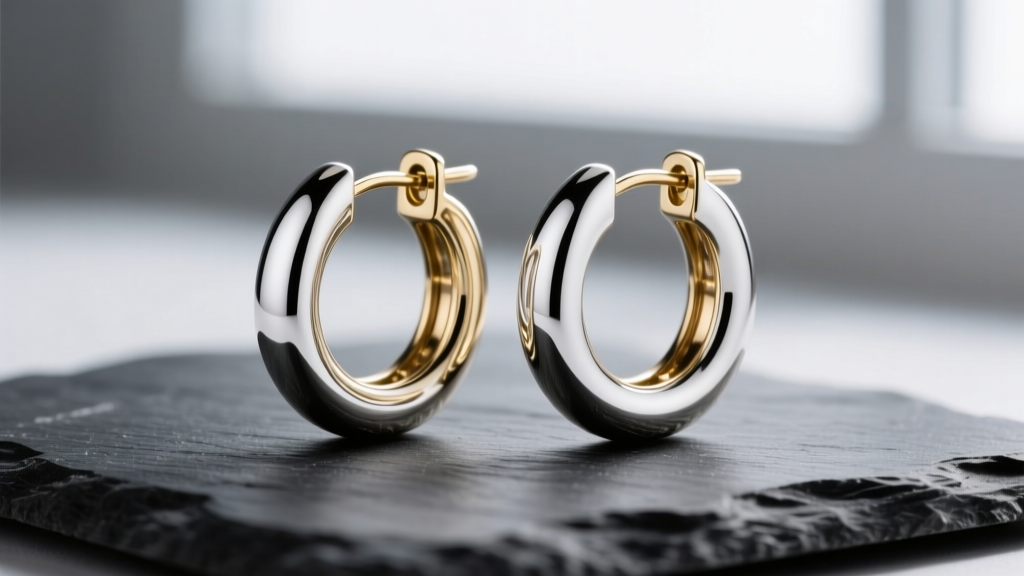
When shopping for statement jewelry, few pieces command attention quite like white gold big hoop earrings. However, the sheer size of these pieces introduces unique structural, metallurgical, and financial challenges that smaller earrings simply do not face. In the current 2026 market, where precious metal prices continue to fluctuate, understanding the true value of large-format hoops requires looking far beyond the karat stamp. According to the FTC Jewelry Guides, gold markings only tell a fraction of the story regarding durability and long-term wearability.
This comprehensive value assessment breaks down the engineering, material science, and pricing tiers of large white gold hoops, ensuring your investment is both structurally sound and financially justified.
The Dimensions of "Big": Weight vs. Wearability
In the jewelry industry, "big hoops" generally refer to diameters ranging from 50mm (2 inches) to 80mm (3.15 inches). At these dimensions, the physics of wearability become a primary concern. A solid cast 60mm hoop in 18k gold can easily exceed 25 grams per earring. This extreme weight not only causes earlobe fatigue and stretching but also drastically inflates the price due to raw material costs. Tracking raw material valuations via the World Gold Council reveals why smart manufacturers and savvy buyers opt for advanced tubing techniques over solid casting for large diameters.
The 14k vs. 18k White Gold Paradox
Conventional jewelry wisdom dictates that 18k gold (75% pure gold) is inherently more valuable and desirable than 14k gold (58.5% pure gold). However, when evaluating white gold big hoop earrings, this hierarchy is often inverted for practical reasons.
Pure gold is naturally yellow. To create white gold, it must be alloyed with white metals like nickel, palladium, or silver. Because 14k white gold contains a higher percentage of these white alloys (41.5%), its natural, unplated color is significantly whiter and closer to platinum than 18k white gold, which retains a faint yellowish-gray undertone due to its higher pure gold content. Consequently, 14k white gold requires less rhodium plating to achieve a brilliant white finish, making it more resistant to showing wear over time.
Furthermore, the higher alloy content in 14k gold increases its tensile strength and Vickers hardness. For large hoops that are prone to bending, warping, or catching on clothing, the superior structural rigidity of 14k white gold makes it the superior choice for everyday durability, despite its lower raw material cost.
Tubing vs. Solid Cast: The Manufacturing Reality
To keep large hoops lightweight and affordable, nearly all big hoops are manufactured using hollow tubing rather than solid casting. However, not all tubing is created equal. The value of a hollow hoop is dictated by its wall thickness and seam construction.
- Seamed Tubing: Created by rolling a flat sheet of gold into a tube and soldering the seam. Under stress, these seams can split, especially on hoops larger than 60mm.
- Seamless Extruded Tubing: Drawn through a die to create a continuous, unbroken cylinder. This is the industry standard for high-value hoops.
- Wall Thickness: Budget hoops often feature paper-thin walls (0.5mm to 0.8mm) that dent easily if squeezed. For true value, seek a minimum wall thickness of 1.2mm to 1.5mm. This provides the necessary rigidity to maintain a perfect circle without adding excessive gram weight.
Rhodium Plating and Hidden Maintenance Costs
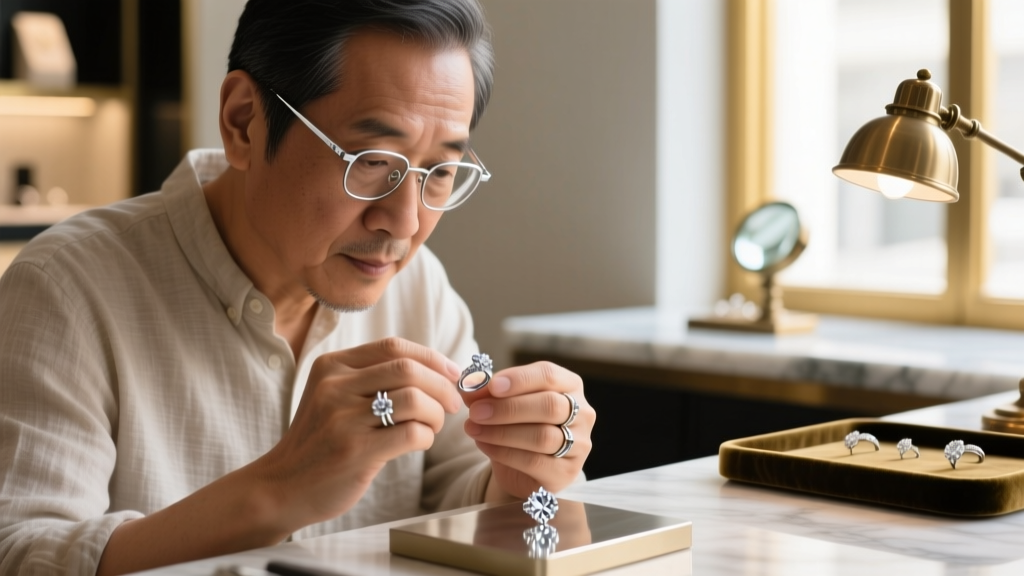
Almost all white gold on the market is plated with rhodium, a rare platinum-group metal that provides the mirror-like, brilliant white finish consumers expect. When assessing the budget for white gold big hoop earrings, you must factor in the long-term maintenance of this plating.
Standard commercial rhodium plating is applied at a thickness of 0.75 to 1.0 microns. Because big hoops have a massive surface area and are frequently touched, bumped, and exposed to friction from hair and clothing, standard plating will wear through to the underlying alloy within 12 to 18 months. Replating a pair of large 70mm hoops typically costs between $60 and $120 at a local jeweler. When calculating your total cost of ownership, a pair of hoops with premium 1.5-micron plating or a high-palladium alloy blend (which requires less frequent replating) offers vastly superior long-term value, even if the initial purchase price is 15% higher.
Clasp Engineering for Heavy Hoops
The clasp is the most critical failure point on any large earring. A weak clasp on a heavy hoop guarantees eventual loss. When evaluating value, inspect the clasp mechanism closely. Below is a breakdown of common clasp types found on big hoops and their structural viability.
| Clasp Type | Mechanism | Security Level | Value Impact |
|---|---|---|---|
| Hinged Snap | A hidden hinge with a snapping post closure. | Moderate | Standard on mid-tier hoops; can loosen over time if the hoop is bent. |
| Saddleback | A hinged saddle that snaps over a grooved wire. | High | Premium feature; excellent for heavy hoops as the saddle distributes weight. |
| French Wire (Latch) | A curved wire that clicks into a catch behind the ear. | Low | Budget-friendly but highly insecure for hoops over 50mm; requires rubber stoppers. |
| Omega Clip-Back | A hinged, spring-loaded clip that grips the post tightly. | Very High | Found on luxury designer hoops; provides maximum security for heavy, solid-gold pieces. |
2026 Market Pricing Tiers
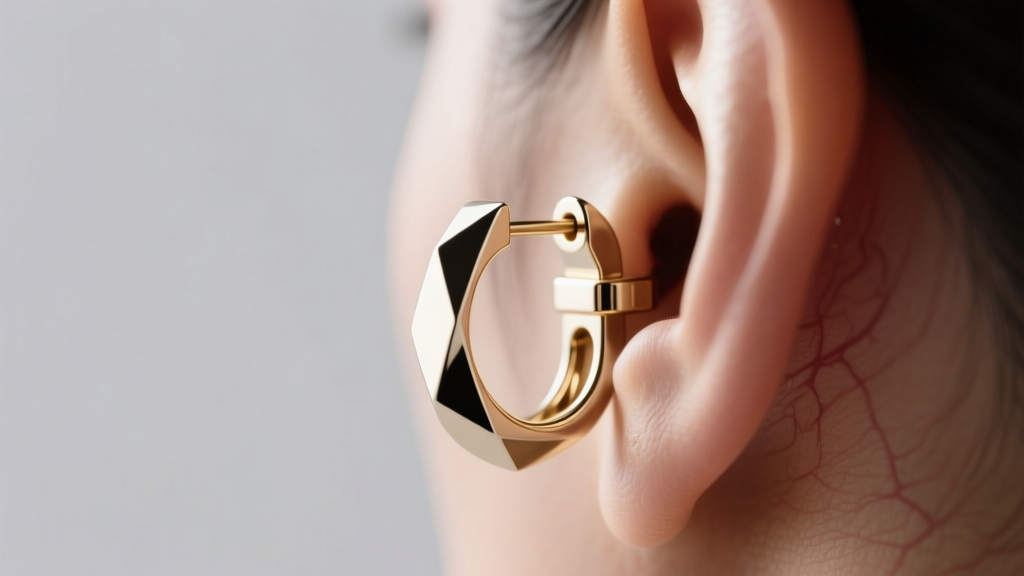
Understanding where a piece falls in the current market landscape is crucial for avoiding overpriced fashion jewelry masquerading as fine jewelry. Here is the value breakdown for 60mm to 70mm white gold hoops in 2026:
- Budget Tier ($250 - $450): Typically 10k or 14k white gold with thin seamed tubing (under 1.0mm wall thickness) and basic hinged snap clasps. High risk of denting and seam splitting. Acceptable for occasional wear, but poor long-term value.
- Mid-Tier / True Value ($500 - $900): 14k white gold featuring seamless extruded tubing with 1.2mm+ wall thickness. Often includes upgraded saddleback clasps and premium 1.5-micron rhodium plating. This is the sweet spot for daily wear, balancing structural integrity with reasonable gram-weight pricing.
- Luxury Tier ($1,200+): 18k palladium white gold (hypoallergenic and naturally whiter, requiring minimal rhodium). These may feature solid cast construction for smaller 50mm hoops, or heavy-gauge seamless tubing for larger sizes, often incorporating diamond pavé or intricate milgrain detailing.
Final Value Assessment Framework
Before purchasing white gold big hoop earrings, run the piece through this quick expert checklist to ensure you are paying for quality, not just brand markup:
- Verify the Alloy: Ask the jeweler if the white gold is nickel-based or palladium-based. Palladium alloys cost more upfront but eliminate allergy risks and reduce replating frequency.
- Test the Clasp: Open and close the clasp five times. It should snap shut with a firm, audible click and show no lateral wobble.
- Check the Tubing: Look closely at the inner curve of the hoop. If you see a faint longitudinal line, it is seamed tubing. Demand seamless extrusion for hoops over 50mm.
- Weigh the Piece: Ensure the gram weight aligns with the pricing. At current gold spot prices, a 15-gram 14k gold hoop has a baseline melt and manufacturing value that should closely mirror the retail price. Extreme markups without designer provenance indicate poor value.
By prioritizing structural engineering and smart metallurgy over sheer karat weight, you can secure a pair of stunning, lifelong statement hoops that deliver exceptional value for your budget.


