White Gold and Sapphire Earrings: Material & Durability Guide
Discover how 14k vs 18k white gold and natural vs lab sapphires impact the durability, color, and value of your white gold and sapphire earrings.

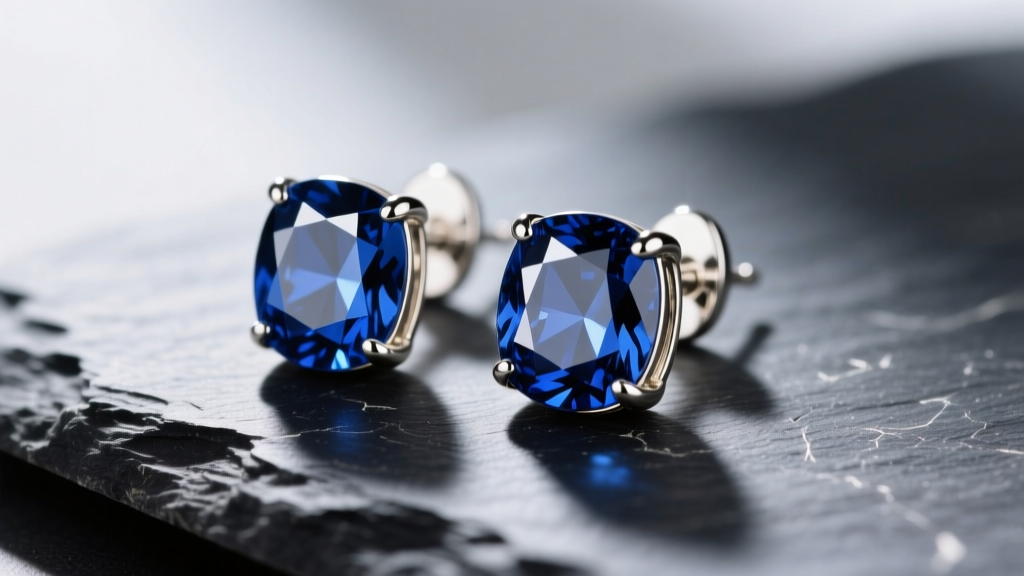
The Metallurgy of White Gold: 14k vs. 18k for Earrings
When selecting white gold and sapphire earrings, understanding the underlying metallurgy is crucial for long-term wearability and skin health. Pure gold (24k) is inherently yellow and far too soft for secure gemstone settings. To create white gold, pure gold is alloyed with white metals like silver, palladium, zinc, or nickel. The karatage dictates the ratio of pure gold to these alloying metals, fundamentally altering the physical properties of the earring.
14k White Gold (58.5% Pure Gold): This is the industry standard for durable, everyday earring posts and settings. The higher percentage of alloying metals increases the tensile strength and yield point of the metal, making 14k white gold highly resistant to bending. This is particularly important for the thin wire posts of stud earrings, which must withstand the pressure of being pushed through the earlobe without warping. Furthermore, 14k gold holds prongs more securely over time due to its stiffness.
18k White Gold (75% Pure Gold): While 18k white gold offers a richer, heavier feel and is often preferred in high-end luxury jewelry, it is metallurgically softer. For earrings, this means the prongs holding the sapphire may require more frequent tightening by a jeweler. Additionally, 18k white gold has a naturally warmer, slightly yellowish-gray undertone compared to 14k, necessitating a thicker or more frequent application of rhodium plating to achieve the brilliant, mirror-like white finish consumers expect.
The Rhodium Plating Factor and Contact Dermatitis
Almost all white gold jewelry is electroplated with rhodium, a platinum-group metal that provides a brilliant white, highly reflective surface. Standard rhodium plating on earrings ranges from 0.75 to 1.5 microns in thickness. Over time, friction from hair, clothing, and skin oils will wear this plating away, especially on the earring posts and backs.
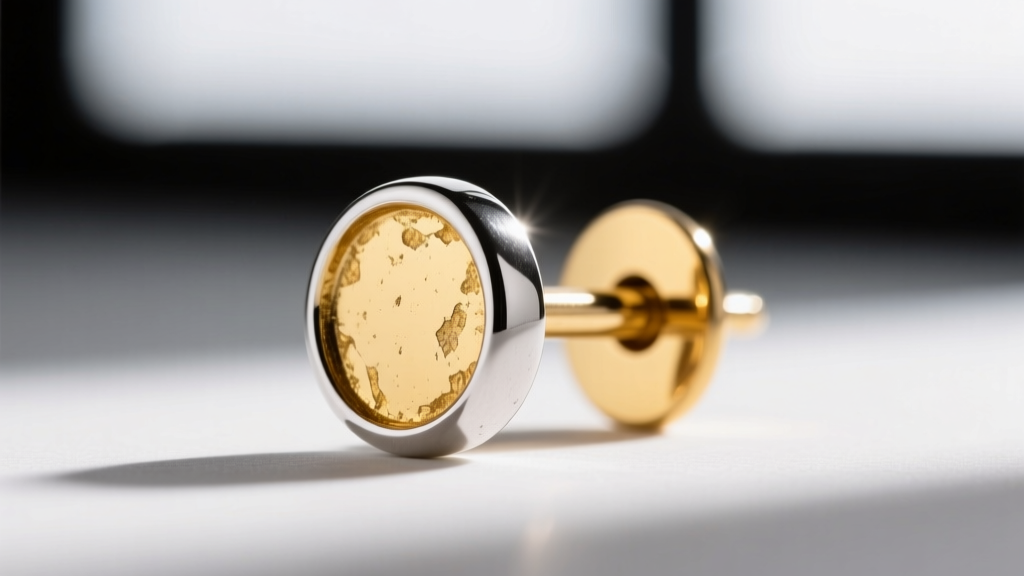
A critical consideration for earring buyers is the specific alloy used beneath the rhodium. Historically, nickel was the primary whitening agent. However, nickel is a common sensitizer, and prolonged skin contact can trigger allergic contact dermatitis. The European Union's Nickel Directive strictly limits nickel release in jewelry intended for prolonged skin contact. If you have sensitive earlobes or cartilage piercings, it is imperative to seek out palladium-alloyed white gold. Palladium is hypoallergenic and provides a naturally whiter base metal, meaning that when the rhodium eventually wears off, the underlying metal is less noticeably yellow and will not cause allergic reactions.
Sapphire Properties: Hardness, Toughness, and Treatments
The sapphire is a variety of the mineral corundum (aluminum oxide). On the Mohs scale of mineral hardness, sapphire ranks at a 9, making it the second-hardest natural gemstone after diamond. This exceptional scratch resistance makes sapphires ideal for earrings, which are less prone to direct impact than rings but still require durability against environmental abrasives.
However, hardness (scratch resistance) must not be confused with toughness (resistance to chipping or breaking). While sapphires have no true cleavage planes (meaning they do not split cleanly along specific crystallographic directions like diamonds do), they do exhibit parting along twinning planes. A sharp, direct blow to the girdle of a sapphire stud earring can cause a chip or fracture, particularly if the stone is heavily included.
Gemological Treatments and Stability
According to the Gemological Institute of America (GIA), the vast majority of sapphires on the market undergo some form of treatment to enhance their color and clarity. Understanding these treatments is vital for the care and valuation of your white gold and sapphire earrings:
- Standard Heat Treatment: Over 90% of natural sapphires are heated to temperatures between 1700°C and 1800°C to dissolve rutile silk inclusions and improve color saturation. This treatment is permanent, stable, and universally accepted in the gem trade. It does not compromise the structural integrity of the stone.
- Beryllium Diffusion: This process involves heating the sapphire in the presence of beryllium, which penetrates the crystal lattice to alter or enhance the color (often turning pale stones into vivid padparadscha or orange hues). While stable, the Federal Trade Commission (FTC) Jewelry Guides mandate that diffusion treatments must be explicitly disclosed, as they significantly impact the stone's market value compared to purely heat-treated stones.
- Fracture Filling (Lead-Glass): Low-grade, heavily fractured sapphires are sometimes filled with lead-glass to improve apparent clarity. Avoid these for daily-wear earrings. The glass filler has a vastly different hardness and thermal expansion rate than the corundum host. Exposure to ultrasonic cleaners, steam, or even mild acids (like lemon juice or household cleaners) can dissolve the filler, leaving the stone cloudy and structurally compromised.
Lab-Created vs. Natural Sapphires in Daily Wear
For buyers prioritizing flawless clarity and ethical sourcing, lab-created sapphires offer a compelling alternative. Chemically, physically, and optically identical to natural corundum, lab-grown sapphires are typically produced via the Verneuil (flame fusion) or Czochralski (pulling) methods.
From a durability standpoint, lab-created sapphires are virtually identical to natural ones, sharing the same Mohs 9 hardness. However, because they are grown in controlled environments, they lack the microscopic fractures and mineral inclusions often found in natural stones, making them slightly less prone to internal stress fractures during the setting process. When setting a lab sapphire into white gold, jewelers can apply more confident pressure to the prongs without the risk of shattering a hidden internal flaw.
Material Comparison Matrix
Use the following table to compare the material properties and maintenance requirements of different configurations for white gold and sapphire earrings.
| Material / Configuration | Durability & Strength | Maintenance Level | Best Use Case |
|---|---|---|---|
| 14k Nickel-White Gold | High tensile strength; stiff posts | Rhodium re-plating every 12-18 months | Standard lobe piercings; budget-conscious buyers |
| 14k Palladium-White Gold | High strength; hypoallergenic | Rhodium re-plating every 18-24 months | Sensitive skin; cartilage piercings; daily wear |
| 18k White Gold | Softer; prongs may require tightening | Rhodium re-plating every 6-12 months | Special occasion earrings; high-end luxury settings |
| Natural Heated Sapphire | Mohs 9; stable; excellent toughness | Standard ultrasonic/steam cleaning safe | Investment pieces; heirloom-quality jewelry |
| Lab-Created Sapphire | Mohs 9; high clarity; no internal stress | Standard ultrasonic/steam cleaning safe | Active lifestyles; flawless aesthetic preferences |
Setting Styles: Securing the Sapphire
The interaction between the white gold setting and the sapphire dictates the earring's overall lifespan. Because white gold (especially 18k) can experience prong fatigue over years of wear, the choice of setting style is a critical material decision.
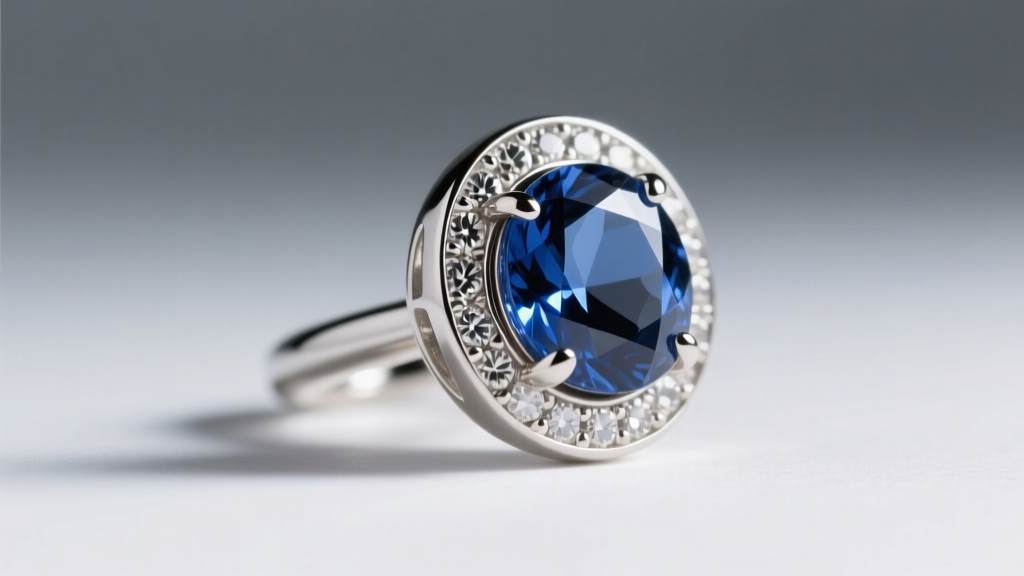
Prong Settings: A classic four-prong or six-prong setting allows maximum light return, showcasing the sapphire's pleochroism and brilliance. However, white gold prongs can catch on hair and sweaters, slowly pulling away from the gemstone's crown. For white gold prong settings, it is recommended to have a jeweler inspect the prong tension every 12 months. If the earrings feature a hexagonal or step-cut sapphire, V-prongs at the corners are mandatory to prevent the pointed edges from chipping.
Bezel Settings: A bezel setting involves wrapping a continuous rim of white gold entirely around the girdle of the sapphire. While this sacrifices a small amount of light entry from the sides, it offers superior protection against lateral impacts. For individuals with active lifestyles or those who frequently sleep in their stud earrings, a low-profile bezel setting in 14k white gold is the most indestructible configuration available.
Care, Maintenance, and Re-plating Realities
Proper care of white gold and sapphire earrings requires an understanding of both the metal's plating and the gemstone's treatment history. While diamonds can be aggressively cleaned, sapphires require a more nuanced approach.
Expert Maintenance Tip: Never place fracture-filled or heavily included sapphires in an ultrasonic cleaner. The high-frequency vibrations can cause internal fractures to expand, potentially shattering the stone. For all sapphire earrings, the safest and most effective cleaning method is soaking them in a bowl of warm water with a few drops of mild, ammonia-free dish soap for 15 minutes, followed by gentle brushing with a soft-bristled baby toothbrush and drying with a lint-free microfiber cloth.
When the white gold begins to show a yellowish tint on the posts or the high points of the setting, it is time for rhodium re-plating. This process involves polishing the earrings (which removes a microscopic layer of gold), ultrasonic cleaning, and electroplating in a rhodium bath. Expect to pay between $35 and $75 per pair for professional re-plating, depending on the intricacy of the setting and the thickness of the rhodium layer applied. By understanding these material properties, you can ensure your white gold and sapphire earrings remain brilliant, secure, and comfortable for decades.


