The Beginner's Guide to Buying and Styling White Heart Earrings
Discover everything you need to know about white heart earrings. Learn about materials, hypoallergenic metals, sizing, and styling tips.

Introduction to White Heart Earrings
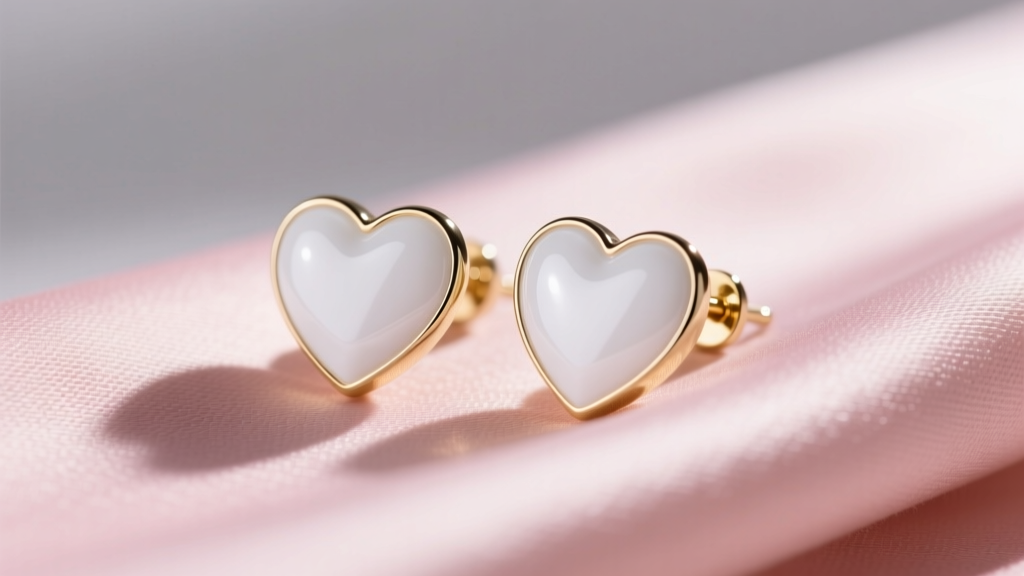
White heart earrings occupy a unique space in jewelry design. They balance the romantic, nostalgic silhouette of the heart motif with the crisp, modern versatility of the color white. Whether you are looking for a subtle everyday stud or a dramatic drop earring for evening wear, understanding the anatomy of these earrings is crucial for making a smart purchase. In 2026, the market is flooded with everything from $15 fast-fashion epoxy pieces to $2,000 high-tech ceramic and diamond pavé designs. As a beginner, navigating the differences in materials, metal bases, and proportions can be overwhelming. This guide breaks down the exact specifications you need to know to choose white heart earrings that are durable, hypoallergenic, and perfectly proportioned for your face shape.
Decoding the White Materials: Enamel, Ceramic, and Shell
The "white" in white heart earrings is rarely just white gold. Designers rely on a variety of materials to achieve that opaque, glossy, or pearlescent finish. The material you choose dictates the earring's weight, scratch resistance, and ultimate lifespan.
Enamel vs. Ceramic vs. Mother of Pearl
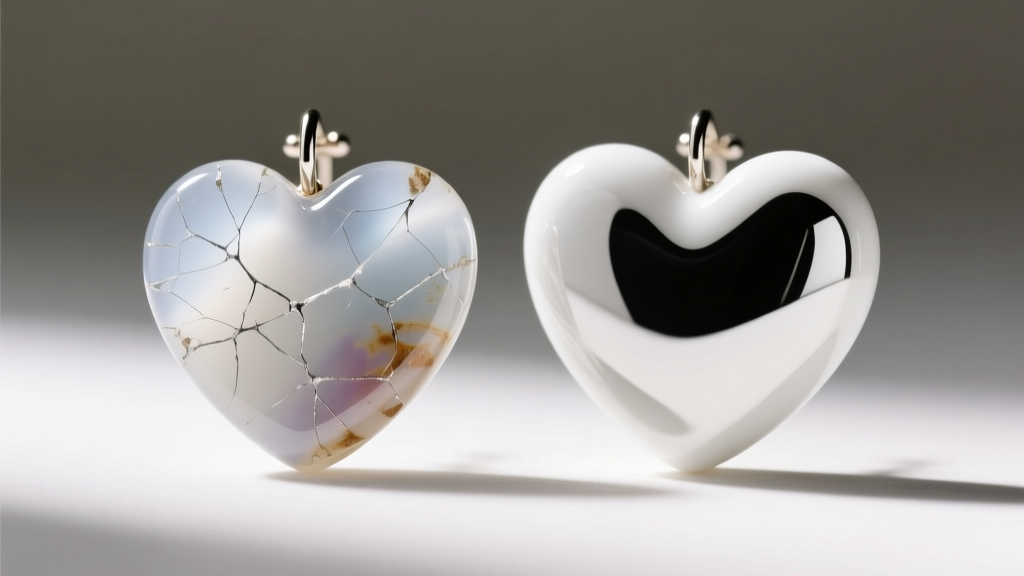
Not all white finishes are created equal. Cold enamel (essentially a colored epoxy resin) is common in affordable jewelry. It provides a bright, glossy white but is highly susceptible to micro-scratches and yellowing from UV exposure over time. Vitreous enamel, on the other hand, is crushed glass fused to metal at temperatures exceeding 1400°F. It is incredibly durable and will not yellow, but it can chip if dropped on a hard surface.
For those seeking modern durability, high-tech ceramic (zirconium oxide) is the premium standard. It registers an 8.5 on the Mohs hardness scale, meaning it is virtually scratch-proof and maintains its stark white color permanently. White Mother of Pearl offers an organic, iridescent alternative, though it is softer and requires more careful handling to prevent chipping.
| Material | Composition | Durability & Mohs Scale | Average Price Range | Best For |
|---|---|---|---|---|
| Cold Enamel | Epoxy Resin | Low (Scratches easily) | $15 - $45 | Trend-chasers, seasonal wear |
| Vitreous Enamel | Fused Glass | Medium-High (Can chip) | $80 - $250 | Heirloom seekers, bold colors |
| High-Tech Ceramic | Zirconium Oxide | Very High (8.5 Mohs) | $150 - $600+ | Everyday wear, scratch resistance |
| Mother of Pearl | Organic Shell | Medium (2.5-4.5 Mohs) | $40 - $120 | Vintage lovers, iridescence |
The Metal Base: Avoiding Allergic Reactions
The most common failure point for beginners buying white heart earrings is ignoring the metal base—the post and the backing that actually penetrate your skin. Because white gold and silver are popular pairings for white enamel or ceramic, buyers often assume the earrings are hypoallergenic. This is a dangerous assumption.
Standard white gold is an alloy that frequently contains nickel to achieve its silver-white color. According to the Mayo Clinic, nickel allergy is one of the most common causes of allergic contact dermatitis, leading to red, itchy, and weeping earlobes. Furthermore, white gold is typically plated with rhodium to make it bright white. Once that plating wears off (usually within 6 to 12 months of daily wear), the underlying nickel-containing alloy is exposed to your skin.
The Solution: Implant-Grade Titanium and Platinum
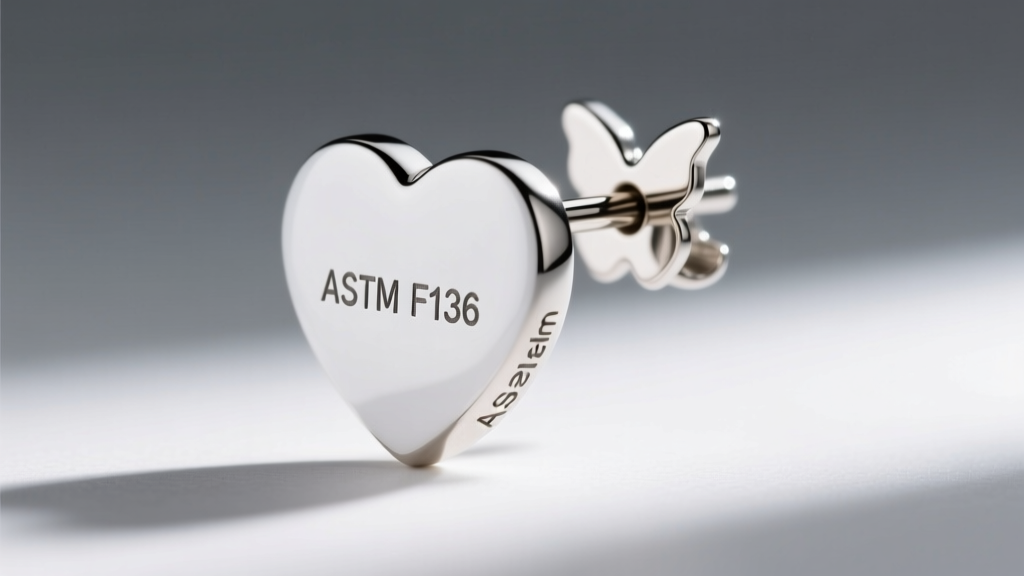
If you have sensitive ears or are buying your first pair of high-quality studs, look for posts made from ASTM F136 implant-grade titanium. This specific alloy is entirely nickel-free and is the exact material used in surgical implants. For a precious metal alternative, Platinum (950 grade) is naturally white, hypoallergenic, and never requires rhodium plating. While platinum white heart earrings will carry a premium price tag (often starting around $400 for simple studs), they are a lifetime investment that will never trigger a contact allergy.
Sizing and Proportions for Face Shapes
Heart-shaped earrings inherently draw the eye downward due to their tapered bottoms. Choosing the right millimeter (mm) size and orientation is critical for balancing your facial features. Here is a practical decision framework for sizing:
- Round Faces: Opt for elongated white heart drop earrings (25mm to 40mm in length). The downward point of the heart helps create the illusion of a longer, more oval face shape. Avoid wide, puffy heart studs.
- Heart-Shaped Faces: Your chin is already naturally tapered. To balance your features, choose wider, horizontally oriented white heart studs (8mm to 12mm wide) or huggie hoops with small white heart charms. This adds visual weight to the lower half of your face.
- Square Faces: Look for 3D, puffy white ceramic or enamel hearts with rounded edges (15mm to 20mm). The soft, curved lines of the heart motif will contrast beautifully with a strong jawline.
- Oval Faces: You have the most versatility. Both micro-studs (4mm) and dramatic chandelier hearts will work proportionally.
Gemstone Halos and Pavé Accents
Many white heart earrings feature a halo or pavé border of clear gemstones to add sparkle against the opaque white center. As a beginner, you will encounter three main options: Cubic Zirconia (CZ), Moissanite, and Lab-Grown Diamonds.
CZ is affordable but has a low hardness (8-8.5 Mohs) and tends to attract oils, becoming cloudy within months of daily wear. Moissanite is exceptionally brilliant and durable (9.25 Mohs), but it is doubly refractive, meaning it throws intense rainbow "disco ball" flashes that can sometimes overpower a delicate white enamel center. According to the Gemological Institute of America (GIA), lab-grown diamonds possess the exact same optical and physical properties as mined diamonds. For a classic, singular white sparkle that complements rather than competes with the white heart, lab-grown diamond pavé is the superior choice for fine jewelry pieces.
Care and Maintenance for Pristine White Finishes
White jewelry shows dirt, oils, and tarnish faster than any other color. Maintaining the pristine look of your white heart earrings requires specific cleaning protocols depending on the material.
Crucial Warning: Never place vitreous enamel, ceramic, or mother of pearl earrings in an ultrasonic cleaner. The high-frequency vibrations can shatter ceramic, crack glass enamel, and strip the iridescent nacre layer off shell materials.
For routine cleaning, mix a few drops of mild, phosphate-free dish soap into a bowl of lukewarm water. Use a baby-hair brush or a Q-tip to gently clean the crevices where the white material meets the metal setting. Dry immediately with a microfiber cloth to prevent water spots, which are highly visible on glossy white surfaces. Store your earrings in a soft pouch away from direct sunlight to prevent any epoxy-based cold enamels from yellowing over time.
Conclusion
White heart earrings are a timeless addition to any jewelry collection, but their longevity depends entirely on the materials and metals you select. By prioritizing high-tech ceramics or vitreous enamels over cheap epoxies, and insisting on ASTM F136 titanium or platinum posts to protect your skin, you ensure your earrings remain as beautiful and comfortable on day 1,000 as they were on day one. Use the face-shape guidelines to find your perfect proportion, and enjoy the crisp, romantic elegance that only a white heart silhouette can provide.


