The 2 Gauge Earrings Size: 2026 Trends & Style Guide
Explore the 2 gauge earrings size in our 2026 trend guide. Discover styling tips, material grades, and care routines for healed 6mm stretched lobes.

The Evolution of the 2 Gauge Earrings Size in Modern Fashion
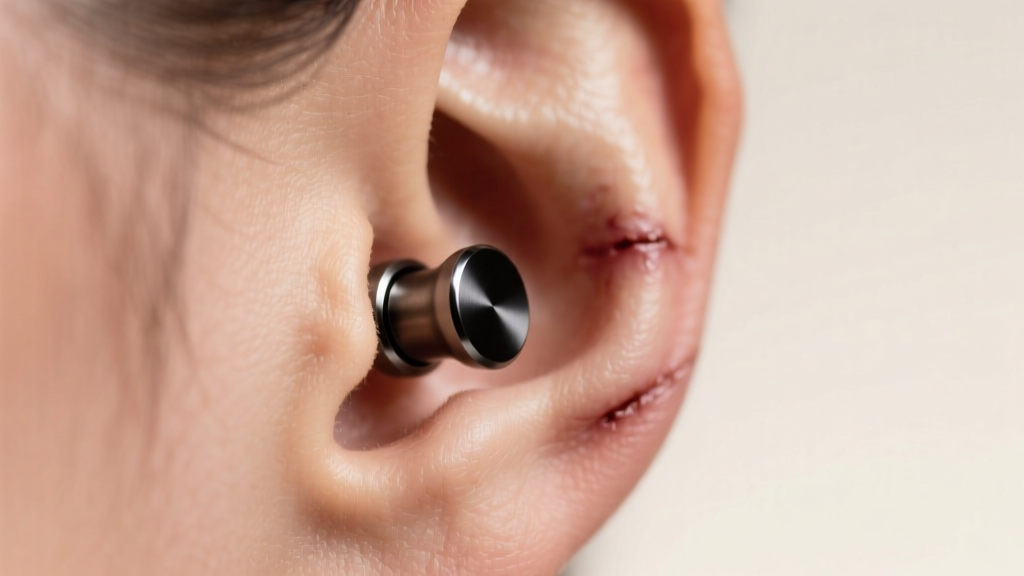
Once relegated exclusively to alternative subcultures, stretched earlobes have firmly crossed over into mainstream high fashion. As we navigate the style landscape of 2026, the 2 gauge earrings size (universally recognized in metric as 6mm) stands as a pivotal milestone in body modification. It represents the perfect intersection of bold visual impact and long-term tissue viability. For jewelry curators and style enthusiasts alike, understanding the nuances of 6mm jewelry is essential for achieving a sophisticated, intentional aesthetic.
At 2g, the earlobe fistula (the tube of healed tissue) has expanded significantly, allowing for a diverse range of ornamental plugs, tunnels, and solid weights. However, this size also introduces complex biomechanical considerations. The transition from standard piercing sizes to 2g requires a deep understanding of tissue elasticity, material porosity, and weight distribution. In this comprehensive guide, we break down the current styling trends, material science, and expert maintenance protocols required to rock the 2 gauge earrings size with confidence and health.
2026 Style Trends for 6mm Stretched Lobes
The aesthetic preferences for stretched lobes have matured significantly. The chunky, novelty acrylics of the early 2010s have been entirely replaced by refined, artisanal craftsmanship. Here is what is dominating the 2g space this year.
Quiet Luxury and Minimalist Metals
The 'quiet luxury' trend has heavily influenced body jewelry. In 2026, the most sought-after 2g pieces are seamless, unembellished, and crafted from high-grade metals. Think polished ASTM F-136 implant-grade titanium, matte black PVD (Physical Vapor Deposition) coatings, and solid 14k gold seamless segment rings. The focus is on the quality of the metal and the precision of the O-ring or threadless fit, allowing the jewelry to act as a subtle, elevated accent rather than a loud statement.
The Asymmetrical Curation Movement
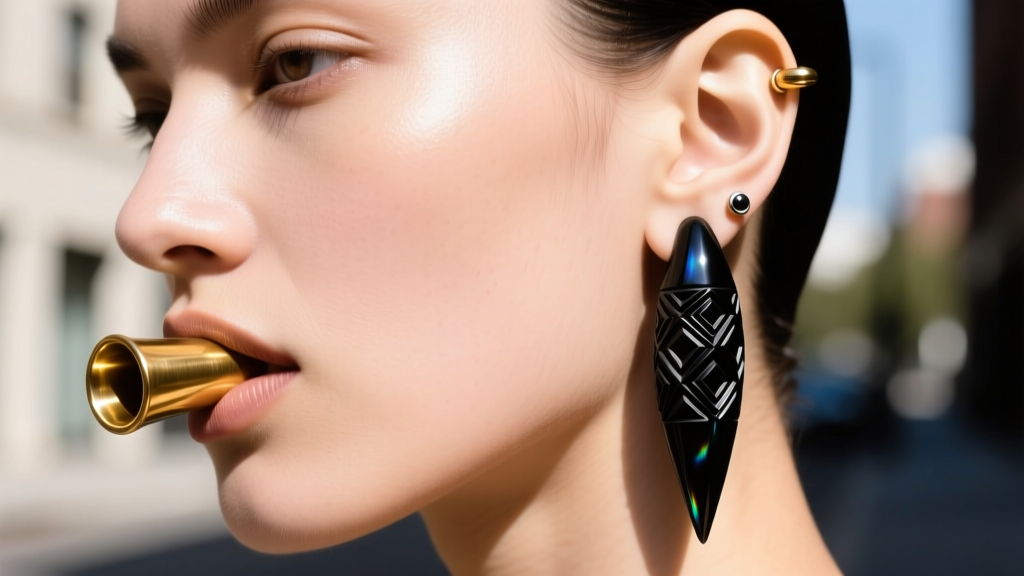
Ear curation has evolved to include stretched lobes as the foundational anchor of the composition. A major trend involves wearing mismatched 2 gauge earrings size pieces to create deliberate asymmetry. For example, pairing a raw, unpolished brass tunnel in one ear with a meticulously carved obsidian plug in the other. This approach treats the ears as a cohesive gallery rather than a mirrored set, integrating the 6mm lobe piercing with upper lobe studs and cartilage hoops.
Organic Textures and Sustainable Materials
As sustainability remains a core consumer value, organic materials are surging in popularity. Artisans are crafting 2g plugs from ethically sourced hardwoods, fossilized ivory alternatives, and polished water buffalo horn. These materials offer a warm, tactile contrast to cold metals and often feature intricate, hand-carved inlays that highlight the natural grain of the material.
Material Science: Selecting the Right 2g Jewelry
When your lobes are stretched to 6mm, the material of your jewelry dictates the health of your tissue. The larger the surface area in contact with the fistula, the more critical it is to avoid porous or reactive materials. Below is a comparative analysis of the most common materials used for the 2 gauge earrings size.
| Material | Porosity | Weight | Best Use Case | Care Requirement |
|---|---|---|---|---|
| Implant-Grade Titanium (ASTM F-136) | Non-Porous | Lightweight | Everyday wear, active lifestyles, sensitive tissue | Standard soap and water wash |
| Borosilicate Glass | Non-Porous | Medium | Sleeping, fresh stretches, long-term healing | Standard soap and water wash |
| Organic Wood / Horn | Highly Porous | Very Light | Short-term wear, special events, fully healed lobes | Requires daily oiling, strict dry-ear only |
| Silicone | Non-Porous | Extremely Light | Not recommended (traps moisture, causes bacterial growth) | N/A - Avoid for long-term wear |
| Surgical Steel (316L) | Non-Porous | Heavy | Budget-friendly everyday wear (avoid if nickel allergic) | Standard soap and water wash |
According to the Association of Professional Piercers (APP), implant-grade titanium and borosilicate glass remain the gold standards for stretched tissue. Glass, in particular, is favored by professionals for sleeping because its smooth, non-porous surface prevents the micro-abrasions that heavier metals can cause against the delicate inner fistula.
The Biomechanics of 2g: Blowouts and the Point of No Return
Reaching the 2 gauge earrings size is widely considered a critical threshold in the stretching community. It is often colloquially referred to as the 'point of no return'—the size at which the lobe may not shrink back to a standard piercing size (usually 18g or 16g) if the jewelry is removed. While tissue memory varies wildly from person to person, 6mm is generally where surgical intervention (loboplasty) becomes necessary if one desires a complete closure.
Dead Stretching vs. Tapers
A common failure mode at the 2g mark is the use of steel tapers to force the stretch. Tapers can easily cause micro-tears in the fistula, leading to scar tissue buildup. The industry-standard method for reaching 6mm is dead stretching or using PTFE (Teflon) tape buildup. Dead stretching involves waiting until the lobe naturally loosens and simply dropping a slightly heavier, well-lubricated 2g plug into the hole without forcing it. This preserves the collagen matrix and ensures long-term elasticity.
Preventing and Treating Blowouts
A 'blowout' occurs when scar tissue is pushed out the back of the lobe, creating a painful, unsightly ring of tissue. This is almost always caused by stretching too quickly or wearing excessively heavy glass or stone plugs before the tissue has adapted. If a blowout occurs at 2g, the immediate protocol is to downsize to a 4g (5mm) or 6g (4mm) glass plug, keep the area meticulously clean, and begin daily massages with pure jojoba oil to break down the scar tissue.
Advanced Maintenance Routine for 2 Gauge Lobes
Maintaining healthy lobes at 6mm requires a dedicated routine. The larger the gauge, the more surface area is available for dead skin cells, sebum, and environmental debris to accumulate. This buildup is responsible for the notorious 'ear cheese' odor that plagues poorly maintained stretched lobes.
Pro Tip: Never use rubbing alcohol or hydrogen peroxide to clean your 2g jewelry or lobes. These harsh chemicals strip the skin of its natural lipid barrier, leading to dry, cracking fistulas that are highly prone to infection and thinning.
To maintain pristine tissue health, adopt the following daily and weekly protocols:
- Daily Cleansing: Wash your lobes in the shower using a mild, fragrance-free liquid soap (like castile soap). Gently move the jewelry back and forth to ensure the soap reaches the inner fistula.
- Weekly Deep Clean: Remove your jewelry entirely. Soak non-porous pieces (titanium, glass, steel) in a warm water and mild soap solution. Use a soft-bristled toothbrush to gently scrub the O-rings and threading.
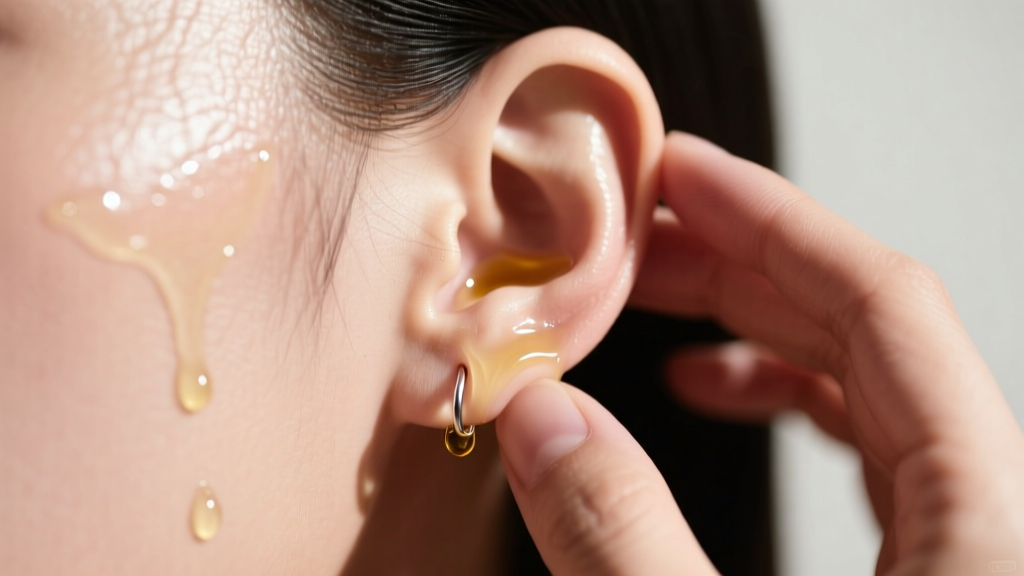
- Hydration and Massage: After showering, while the skin is still slightly damp, apply 2-3 drops of pure jojoba oil or Vitamin E oil to the lobes. Massage the tissue gently for 60 seconds per ear to stimulate blood flow and maintain collagen elasticity.
For those exploring high-end organic materials, resources like FreshTrends Body Jewelry offer specialized wood waxes and sealants that protect porous plugs from moisture damage while keeping them safe for skin contact.
Final Thoughts on Curating Your 2g Aesthetic
The 2 gauge earrings size is a beautiful, versatile canvas for self-expression. By prioritizing biocompatible materials like ASTM F-136 titanium and borosilicate glass, respecting the biomechanical limits of your tissue, and adhering to a strict hygiene routine, you ensure that your stretched lobes remain a healthy, elegant feature of your personal style for decades to come. Whether you lean into the minimalist metal trend or prefer the organic warmth of carved wood, 6mm offers a wealth of sophisticated options for the modern jewelry enthusiast.


