Earring Infection Signs: The Hidden Cost of Cheap Metals
Learn to identify earring infection signs and calculate the true cost of cheap jewelry. Discover budget-friendly, hypoallergenic metal upgrades.

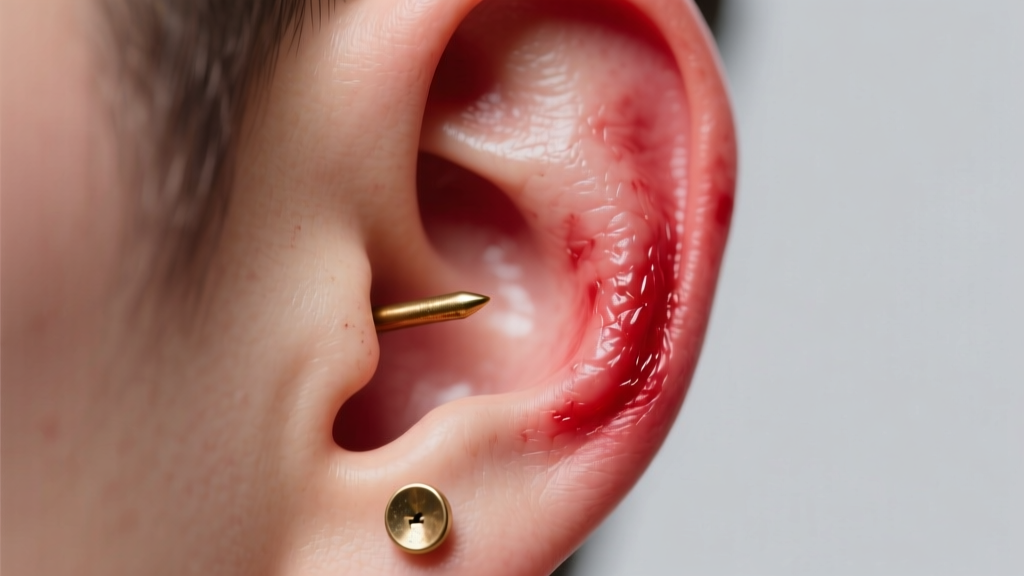
When building a curated, budget-friendly jewelry collection, it is tempting to prioritize aesthetic variety and low upfront costs over material composition. However, the true cost of cheap earrings extends far beyond the price tag. For many wearers, the first indication that a bargain was actually a financial and medical liability comes in the form of earring infection signs. Redness, itching, swelling, and weeping are not just temporary annoyances; they are critical indicators of allergic contact dermatitis or bacterial intrusion caused by substandard metallurgy. In 2026, with the rise of direct-to-consumer jewelry brands and unregulated marketplace sellers, understanding the intersection of material science, dermatology, and budget assessment is essential for any savvy jewelry consumer.
The Financial Drain of Ignoring Material Quality
From a pure value assessment perspective, a $5 pair of mystery-metal hoops is never truly a $5 investment if it triggers an adverse reaction. When you begin to spot earring infection signs, the hidden costs immediately compound. You must factor in the price of over-the-counter hydrocortisone creams, antibiotic ointments, and specialized saline wound washes. If the reaction escalates to a true bacterial infection requiring a dermatologist visit or prescription oral antibiotics, a seemingly cheap accessory can easily cost you upwards of $150 to $300 in medical expenses.
Furthermore, cheap earrings have an abysmal lifespan. Gold-plated brass or copper alloys typically degrade within three to six months of regular wear. As the microscopic plating wears away, the base metal is exposed to the natural oils, sweat, and moisture of your skin. This not only causes the dreaded 'green skin' effect but also creates microscopic pitting on the jewelry post, which harbors bacteria and guarantees recurring irritation. Assessing value means calculating the cost per wear. A $45 pair of solid implant-grade titanium huggies that lasts a decade and causes zero irritation is infinitely more valuable than a $10 pair of plated studs that ends up in the trash after three wears.
Decoding Earring Infection Signs vs. Normal Healing
Before tossing your entire jewelry box, it is vital to distinguish between a true bacterial infection, mechanical irritation, and allergic contact dermatitis. Misdiagnosing the issue can lead to unnecessary medical treatments or the wrongful disposal of perfectly safe jewelry.
The 48-Hour Rule and Contact Dermatitis
According to the American Academy of Dermatology, nickel allergy is the most common cause of allergic contact dermatitis. If you experience intense itching, localized redness, and a dry, flaky rash within 12 to 48 hours of inserting a new earring, you are likely reacting to nickel or copper. This is an immune response, not a bacterial infection. True bacterial infections, conversely, often present with localized heat, throbbing pain, and yellow or green purulent discharge, typically developing a few days after a piercing trauma or micro-tear.
The 'Cheese-Cutter' Effect and Mechanical Irritation
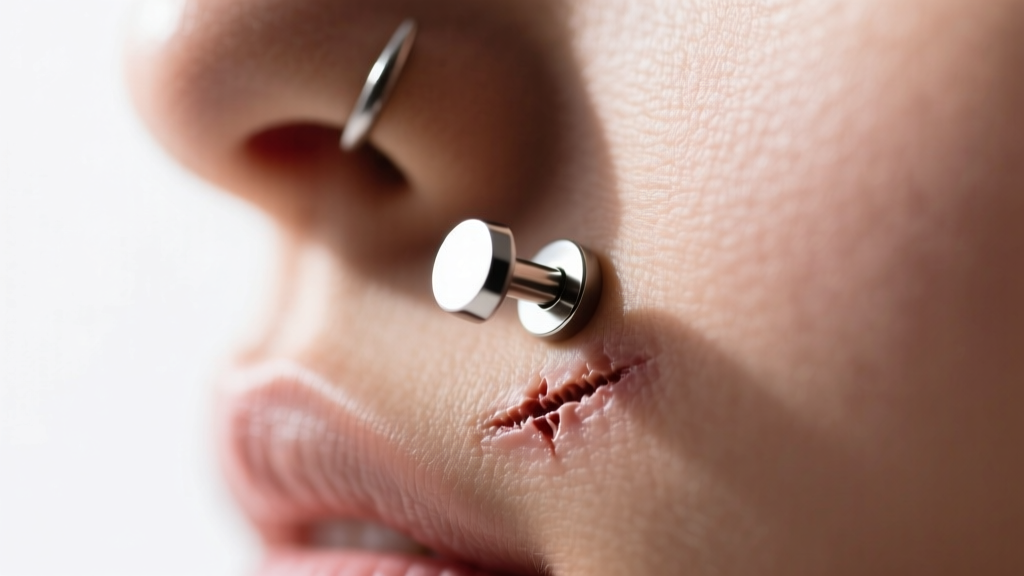
Sometimes, what appears to be an infection is actually mechanical trauma. Many budget brands use ultra-thin 22-gauge or 24-gauge wires for their drop earrings and hoops to save on metal costs. In cartilage piercings or even standard lobes, these thin wires act like a cheese cutter, slowly migrating through the tissue. This causes micro-tears, swelling, and the formation of irritation bumps (granulomas), which are frequently mistaken for earring infection signs. Upgrading to a standard 18-gauge or 16-gauge post distributes the weight more evenly and eliminates this mechanical failure mode.
Material Grades and the 'Cheap Metal' Tax
To accurately assess the value of your earrings, you must understand the metallurgical realities of the market. The term 'surgical steel' is largely an unregulated marketing buzzword. True safety lies in specific, standardized material grades.
| Material | Average Price Range | Nickel Content | Infection / Allergy Risk | Value Verdict |
|---|---|---|---|---|
| Brass/Copper Alloy (Plated) | $3 - $12 | Variable (often high) | Very High (plating flakes) | Poor: High replacement & medical costs |
| 316L Surgical Stainless Steel | $8 - $25 | 8% - 10.5% | Moderate to High | Fair: Okay for short-term wear only |
| Implant-Grade Titanium (ASTM F136) | $20 - $45 | 0% (Trace only) | Extremely Low | Excellent: Best budget-friendly investment |
| Niobium | $15 - $35 | 0% | Extremely Low | Excellent: Great for anodized colors |
| Solid 14k / 18k Gold | $60 - $200+ | Low (if nickel-free alloy) | Low | Good: High upfront cost, lifetime value |
The European Union's Nickel Directive mandates that post-assemblies inserted into pierced ears must not release nickel at a rate greater than 0.5 µg/cm²/week. Many cheap, overseas-manufactured earrings found on massive online marketplaces vastly exceed this limit. By strictly limiting your purchases to ASTM F136 titanium or verified nickel-free gold, you entirely eliminate the primary catalyst for allergic earring infection signs.
When to Toss vs. When to Salvage: A Value Assessment Framework
Auditing your current jewelry box requires a ruthless approach to material safety. Use this framework to determine what stays and what goes.
- Toss Immediately: Any earring with a magnetic post (indicating high iron and cheap alloy content), earrings that leave a dark smudge on your skin, or any piece where the silver or gold plating is visibly chipping at the post junction.
- Repurpose or Modify: If you have expensive designer earrings made of questionable base metals, consider taking them to a local jeweler to have the posts swapped for solid 14k gold or titanium. This costs roughly $20-$40 but salvages a high-value aesthetic piece.
- Keep and Maintain: Solid 14k/18k gold, platinum, ASTM F136 titanium, and pure niobium. These require only routine cleaning with mild, fragrance-free soap and warm water to maintain their structural integrity.
'The most expensive earring you will ever buy is the cheap one that sends you to the dermatologist. True value in jewelry is defined by biocompatibility, not just aesthetic appeal.' — Modern Metallurgy in Body Jewelry, 2025 Industry Report
Smart Sourcing and Safe Shopping on a Budget
Finding high-quality, hypoallergenic earrings on a budget requires knowing where to look and what certifications to demand. The Association of Professional Piercers (APP) maintains strict guidelines on acceptable jewelry materials. While you do not need to buy jewelry exclusively from piercing studios, seeking out brands that explicitly state their compliance with APP standards or ASTM F136 specifications is a reliable shortcut to safety.
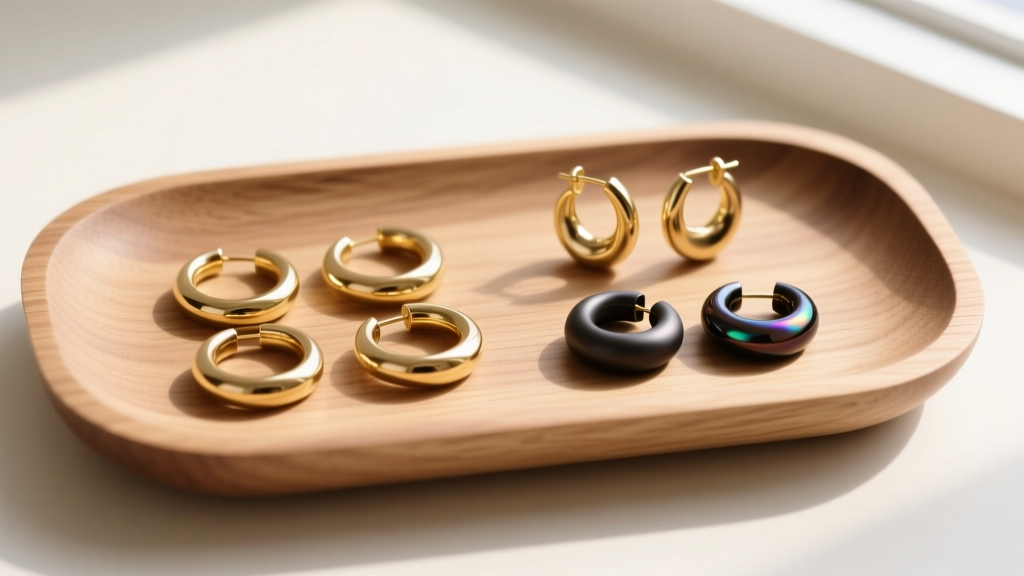
For everyday basics like studs and small huggies, implant-grade titanium is the undisputed king of budget value. Brands that specialize in body jewelry often offer beautifully designed titanium pieces with CZ or opal inlays for under $30. Because titanium is incredibly lightweight, it also reduces the mechanical drag on your earlobes, preventing the stretching and sagging associated with heavier, cheaper alloys over time.
Ultimately, recognizing earring infection signs is your body's way of auditing your jewelry box for you. By shifting your purchasing strategy away from high-volume, low-quality fast fashion jewelry and toward a curated selection of biocompatible metals, you protect your health, save money in the long run, and build a collection that retains its beauty and structural integrity for a lifetime.


