Resin Earrings Material Guide: Epoxy, UV, and Bio-Resin Compared
Discover the material properties of resin earrings. We compare epoxy, UV, and bio-resin for weight, durability, and hypoallergenic safety.

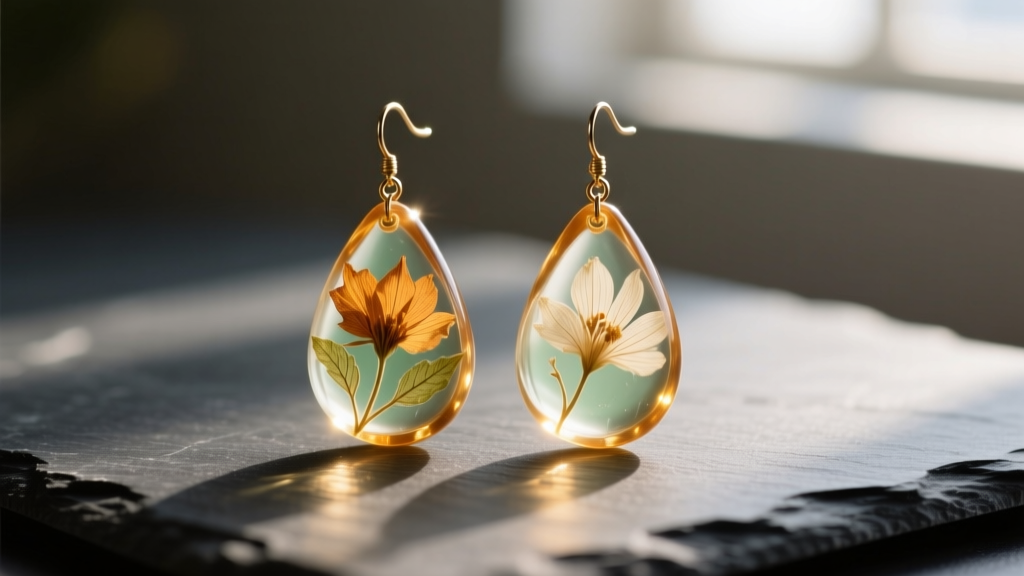
The Chemistry of Resin Earrings: Beyond Basic Plastic
When browsing for lightweight, vibrant, or botanically embedded jewelry, resin earrings frequently dominate the market. However, "resin" is not a single, uniform material; it is a broad category of synthetic or semi-synthetic thermosetting polymers. Unlike thermoplastics (such as acrylic), which melt when heated, thermosetting resins undergo an irreversible chemical reaction—known as curing—that transforms them from a liquid or viscous state into a rigid, three-dimensional molecular network. For jewelry makers and wearers alike, understanding the exact chemical composition of your earrings is critical. The specific type of resin dictates the piece's Shore hardness, UV stability, specific gravity (weight), and long-term biocompatibility against the skin.
In 2026, the jewelry market has moved far beyond the cheap, mass-produced plastic accessories of the past decade. Artisans and high-end manufacturers are now leveraging advanced polymer chemistry to create durable, archival-quality pieces. To make an informed purchase, we must dissect the three primary categories of resin used in modern earring fabrication: Epoxy, UV-curable acrylates, and Bio-based resins.
Epoxy vs. UV vs. Bio-Resin: A Deep Material Comparison
Not all resins are created equal. The choice of polymer affects everything from how the earring catches the light to how it withstands the oils from your skin over years of wear.
Epoxy Resin: The Heavyweight Champion of Clarity
Epoxy resin is a two-part system consisting of a bisphenol-A (or bisphenol-F) base and a polyamine hardener. When mixed, an exothermic reaction occurs, requiring 24 to 72 hours to fully cure and off-gas. According to the British Plastics Federation, epoxies are renowned for their exceptional structural integrity and chemical resistance. In earring design, high-grade jewelry epoxy boasts a Shore D hardness of 80-85, making it highly resistant to micro-scratches. Furthermore, premium epoxies are formulated with Hindered Amine Light Stabilizers (HALS), which absorb free radicals and prevent the polymer chain from breaking down under UV exposure. This makes epoxy the superior choice for thick, chunky geometric studs and deep-cast botanical dangles where optical clarity and long-term non-yellowing properties are paramount.
UV Resin: Fast Curing but Prone to Yellowing
UV resin is a one-part acrylate-based oligomer that remains liquid until exposed to ultraviolet light (typically 365nm wavelength). Its primary advantage is speed; a thin layer cures in mere minutes. However, this rapid cross-linking often results in internal stress and a lower heat deflection temperature. UV resin generally achieves a Shore D hardness of only 70-75, making it softer and more susceptible to surface marring. More critically, standard UV resins lack the robust UV-inhibitors found in high-end epoxies, meaning they are highly susceptible to photo-oxidation. If you purchase UV resin earrings, expect a slight amber tint to develop after 12 to 18 months of regular sun exposure. UV resin is best suited for thin, delicate ear cuffs and small huggie charms where rapid production outweighs the need for archival clarity.
Bio-Resin: The Eco-Conscious Compromise
Bio-resins are formulated from renewable resources such as epoxidized linseed oil, soy, or corn derivatives, replacing a significant portion of the petrochemical base. While they offer a markedly lower carbon footprint, their material properties present a compromise. Bio-resins typically cure to a softer finish (Shore D 65-70) and naturally possess a warmer, slightly opaque, or matte finish rather than glass-like clarity. They are an excellent choice for earthy, organic-looking drop earrings and bohemian styles, but they lack the structural rigidity required for large, heavy hoop earrings that might warp under their own weight over time.
Resin vs. Acrylic vs. Glass: The Weight and Durability Matrix
To contextualize resin's position in the earring market, we must compare its physical properties to traditional alternatives. The specific gravity (density) of a material directly impacts the comfort of the earring, especially for stretched lobes or delicate cartilage piercings like the helix or conch.
| Material | Specific Gravity (Weight) | Mohs Hardness | UV Resistance | Avg. Price Range |
|---|---|---|---|---|
| Epoxy Resin | 1.10 - 1.20 | 2.5 - 3.0 | Excellent (with HALS) | $35 - $85 |
| UV Acrylate Resin | 1.05 - 1.15 | 2.0 - 2.5 | Poor (Yellows) | $15 - $40 |
| Cast Acrylic (PMMA) | 1.18 - 1.20 | 3.0 - 3.5 | Good | $20 - $50 |
| Borosilicate Glass | 2.23 - 2.80 | 5.5 - 6.0 | Perfect | $45 - $120 |
As the data illustrates, resin earrings offer a distinct advantage in weight. They are roughly half the density of glass, making oversized resin dangles and statement hoops significantly more comfortable for all-day wear without causing lobe fatigue or migration in cartilage piercings.
Hypoallergenic Reality: Is Resin Safe for Sensitive Ears?
A pervasive myth in the jewelry community is that resin itself causes contact dermatitis. In reality, fully cured, high-quality resin is biologically inert. The American Academy of Dermatology notes that allergic contact dermatitis is typically triggered by metal allergens like nickel, cobalt, or chromates, not by inert plastics. However, there are two critical caveats regarding resin earrings and sensitive skin.
First, incomplete curing. If a maker improperly measures the two-part epoxy ratio or under-cures UV resin, unreacted oligomers and amines remain on the surface. These uncured chemicals can leach into the skin, causing severe localized allergic reactions. Always purchase from reputable artisans who use precision scales and post-cure their pieces in specialized UV ovens or temperature-controlled environments.
Second, the metal post adhesion method. The resin body is only half the equation; the post that penetrates your piercing is what truly matters. Cheap manufacturers often glue standard brass or stainless steel posts directly onto the resin back using cyanoacrylate (super glue), which degrades upon contact with skin oils, leading to the post snapping off. For sensitive ears, demand earrings where the resin is mechanically captured—either drilled and secured with a jump ring to an ASTM F136 implant-grade titanium post, or cast directly into a titanium bezel cup. Niobium is also an exceptional, highly biocompatible alternative for the post hardware.
Failure Modes: How Resin Earrings Degrade Over Time
While resin is durable, it is not indestructible. Understanding its specific failure modes will help you protect your investment and know when a piece has reached the end of its lifespan.
- Thermal Warping: Resin has a relatively low glass transition temperature (Tg). Leaving your epoxy or UV resin earrings on the dashboard of a hot car in the summer can cause the polymer chains to relax, resulting in permanent bending or warping of the earring's shape.
- Micro-Crazing from Chemicals: Exposing resin to harsh solvents, including rubbing alcohol, acetone (nail polish remover), or high-concentration hand sanitizers, can break down the surface tension of the polymer. This leads to "crazing"—a network of microscopic internal fractures that make the earring look cloudy and structurally compromised.
- Abrasive Scratching: With a Mohs hardness of roughly 2.5, resin is softer than a copper coin. Tossing resin earrings into a jewelry box with metal chains or diamond studs will guarantee severe surface scratching.
Care and Maintenance Framework for Longevity
To maintain the optical clarity and structural integrity of your resin earrings, adopt a strict, low-impact cleaning regimen. Never use ultrasonic jewelry cleaners; the high-frequency cavitation bubbles can shatter embedded botanical elements and stress the resin matrix. Instead, use a few drops of pH-neutral dish soap and lukewarm water. Gently massage the surface with your fingertips or an ultra-soft baby toothbrush. Rinse thoroughly and pat dry with a lint-free microfiber cloth.
For minor surface scratches on high-gloss epoxy pieces, you can use a specialized plastic polish (such as Novus Plastic Polish) applied with a soft cotton pad, buffing in tight circular motions to restore the glass-like finish. Store your resin earrings individually in soft flannel pouches or dedicated compartments to prevent abrasive contact with harder gemstones and metals.
Final Verdict: Choosing the Right Resin for Your Piercing
Resin earrings represent a triumph of modern material science in jewelry design, offering unparalleled versatility in color, encapsulation, and lightweight comfort. If you are investing in a premium, heirloom-quality piece featuring deep botanical suspensions or thick geometric shapes, HALS-stabilized Epoxy Resin paired with an implant-grade titanium post is the undisputed gold standard. For trendy, seasonal, or budget-friendly accessories, UV Resin provides excellent immediate gratification, provided you accept its eventual ambering. Finally, for the eco-conscious consumer prioritizing sustainability over glass-like clarity, Bio-Resin offers a beautiful, earthy alternative. By matching the specific polymer properties to your lifestyle and piercing needs, you can enjoy the vibrant world of resin jewelry safely and stylishly for years to come.


