Why Do Earrings Stink? The Science of Ear Odor & How to Fix It
Discover why do earrings stink and learn expert cleaning routines. Banish ear cheese, prevent infections, and keep your piercings fresh.


The Uncomfortable Truth: Why Do Earrings Stink?
If you have ever taken out a pair of stud earrings and been hit with a sharp, cheesy odor, you are not alone. The question of why do earrings stink is one of the most common queries in piercing aftercare. The phenomenon, colloquially known in the body modification community as 'ear cheese,' is not actually a sign of poor hygiene, but rather a biological inevitability driven by human anatomy and material science.
The skin inside your ear's fistula (the piercing tunnel) is lined with sebaceous glands. These glands continuously secrete sebum, an oily substance designed to lubricate the skin. When sebum mixes with dead keratinocytes (skin cells), sweat, and the natural microbiome of your skin—specifically bacteria like Staphylococcus hominis and Corynebacterium—it creates a dense, waxy buildup. As these bacteria break down the lipids in the sebum, they release volatile fatty acids, particularly isovaleric acid, which is responsible for the distinct, pungent odor.
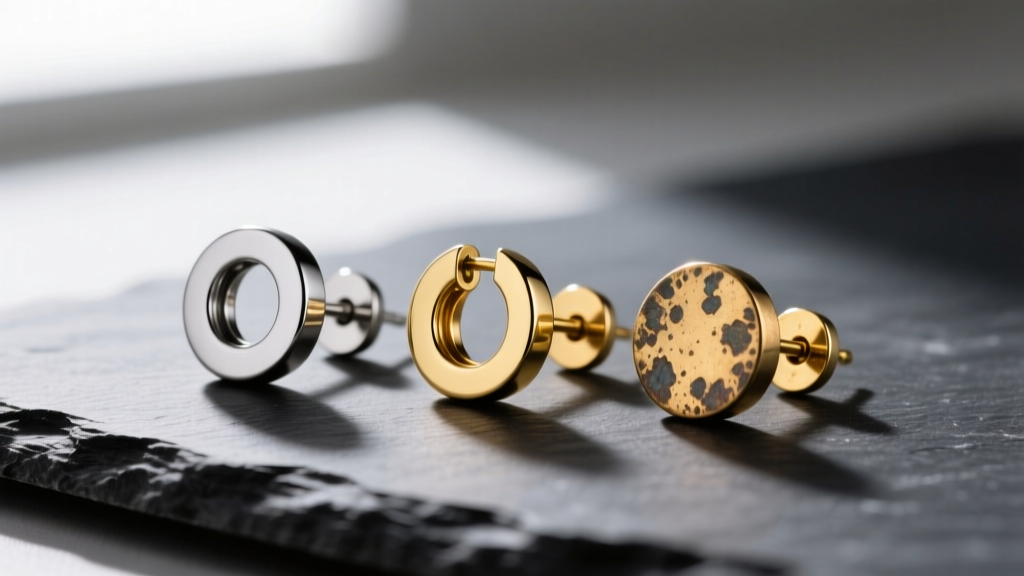
Furthermore, the jewelry itself plays a massive role. Porous metals, microscopic scratches, and reactive alloys provide a breeding ground for this biological matter, accelerating the breakdown process and amplifying the smell.
Material Matters: Which Metals Cause the Most Odor?
Not all earrings are created equal when it comes to odor retention. The metallurgical composition of your jewelry dictates how much sebum and bacteria will cling to the post. According to the Association of Professional Piercers (APP), using implant-grade materials is the single most effective way to minimize biological buildup and the resulting stench.
| Material Grade | Odor Retention | Porosity & Reactivity | Best Use Case |
|---|---|---|---|
| Implant-Grade Titanium (ASTM F136) | Very Low | Non-porous, highly biocompatible, mirror finish repels buildup. | Healing piercings, sensitive ears, daily wear. |
| 14k or 18k Solid Gold (Nickel-Free) | Low | Dense and non-porous, but softer than titanium; can scratch over time. | Fully healed lobes, high-end jewelry. |
| Surgical Stainless Steel (316L) | Moderate | Contains trace nickel; microscopic pores can trap sebum if not polished. | Healed piercings without nickel allergies. |
| Sterling Silver (925) | High | Highly reactive; tarnishes when exposed to sulfur and sebum, causing odor. | Occasional wear only; avoid in unhealed holes. |
| Brass, Copper, or Mystery Alloys | Very High | Oxidizes rapidly, creates a galvanic reaction with skin oils, highly porous. | Avoid entirely for pierced ears. |
The Anatomy of Ear Odor: Lobe vs. Cartilage Piercings
The location of your piercing drastically changes how and why it develops an odor. Standard earlobe piercings are typically done at 20-gauge (0.8mm) or 18-gauge (1.0mm), and the tissue is highly vascular and rich in sebaceous glands. Because the fistula is relatively short and wide, it is easy to clean, but the high concentration of oil glands means sebum production is constant.
Cartilage piercings (like the helix, tragus, or conch), usually done at 16-gauge (1.2mm) or 14-gauge (1.6mm), present a different challenge. Cartilage lacks its own blood supply and has a much longer, narrower fistula. While there are fewer oil glands in the cartilage itself, the tightness of the hole makes it incredibly difficult to flush out dead skin cells and shampoo residue. When moisture gets trapped in a long cartilage tunnel, it creates a damp, dark environment ideal for fungal overgrowth, which produces a distinctly musty, earthy odor compared to the 'cheesy' smell of lobe piercings.
Step-by-Step Deep Cleaning Protocol for Smelly Earrings
If your earrings stink, simply wiping them with a cloth will not remove the hardened sebum and bacterial biofilm trapped in the crevices of the jewelry. You need a targeted chemical and mechanical approach. The American Academy of Dermatology emphasizes gentle, consistent cleansing to maintain the skin's natural barrier while eliminating odor-causing bacteria.
Phase 1: The Jewelry Soak (Mechanical & Chemical)
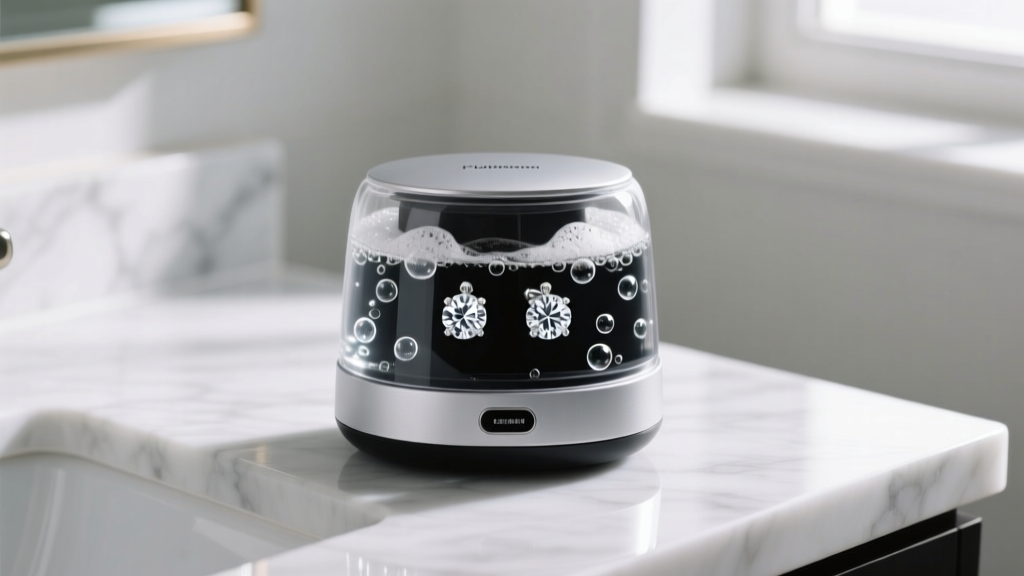
- Ultrasonic Cleaning: For solid metals (titanium, gold, steel) without porous gemstones, use an ultrasonic cleaner operating at 40-45 kHz. Fill it with warm water and a drop of pH-neutral dish soap. Run it for 3 minutes. The cavitation bubbles will physically blast biofilm out of microscopic scratches and threading.
- Chemical Sanitization: After rinsing, submerge the jewelry in 70% isopropyl alcohol for 5 minutes. Do not use 90% or higher, as it evaporates too quickly to effectively penetrate bacterial cell walls. Note: Never use alcohol on pearls, opals, turquoise, or plated jewelry.
- Drying: Pat dry with a lint-free microfiber cloth. Moisture left on the post will immediately begin to react with the skin's oils once reinserted.
Phase 2: The Fistula Flush (Biological)
Cleaning the jewelry is only half the battle; you must clean the tunnel itself.
- Use a sterile, canned 0.9% sodium chloride saline solution (wound wash).
- Spray directly into the piercing hole or apply with a saturated, non-woven gauze pad.
- Gently floss a piece of clean, unwaxed dental floss or a specialized piercing cleaning thread through the fistula to physically scrape out the hardened sebum ring that forms near the exit hole.
Troubleshooting Persistent Odors and Infections
Sometimes, what you perceive as standard 'ear cheese' is actually a symptom of a deeper dermatological issue. If you have thoroughly cleaned both the jewelry and the piercing, but a foul odor persists alongside itching, weeping, or redness, you may be dealing with contact dermatitis or a localized infection.
Allergic Contact Dermatitis: If you are wearing surgical steel or fashion jewelry, trace amounts of nickel can cause a microscopic allergic reaction. The skin inside the fistula will weep clear lymph fluid to protect itself. This fluid dries into a crust that traps bacteria, leading to a sweet, rotting smell. Solution: Switch immediately to ASTM F136 implant-grade titanium and allow the tissue to heal for 4-6 weeks.
Fungal Overgrowth (Candida):strong> Common in cartilage piercings or tight huggie hoops where air circulation is restricted. The odor is yeasty and musty. Solution: Keep the area completely dry after showering, use a hair dryer on the 'cool' setting to dry the fistula, and consult a dermatologist for an antifungal cream if it does not resolve.
Preventative Maintenance: A Weekly Routine
To ensure your earrings never stink in the first place, implement a low-friction weekly maintenance routine. You do not need to deep clean your ears every day; over-cleaning can strip the ear of its natural protective oils, causing the sebaceous glands to overcompensate and produce more oil.
Once a week, remove your daily wear earrings. Wash them with warm water and mild soap while you are in the shower. While the earrings are out, gently massage the earlobe around the piercing hole to express any trapped sebum, and rinse the area with warm water. Allow the earlobe to 'breathe' for 10-15 minutes before reinserting the clean, dry jewelry. For those who wear heavy dangles or large hoops that stretch the lobe, this weekly break also prevents tissue fatigue and tearing, keeping the fistula tight and less prone to trapping debris.


