The Ultimate Care & Cleaning Guide for Noa Zuman Earrings
Learn expert care, cleaning, and storage tips for Noa Zuman earrings. Protect gold vermeil, oxidized silver, and raw pearls with our material-specific guide.

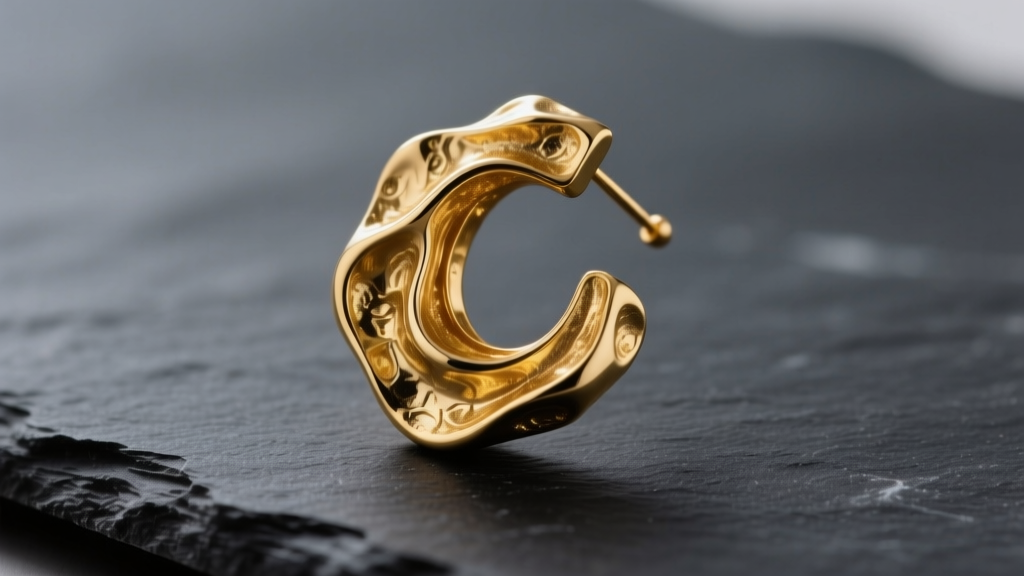
Noa Zuman is celebrated in the contemporary jewelry space for her sculptural, nature-inspired designs. Whether you own a pair of her signature wax-carved gold vermeil hoops or oxidized sterling silver ear cuffs accented with raw baroque pearls, these pieces are wearable art. However, the very textures and mixed-material constructions that make noa zuman earrings so visually striking also make them uniquely vulnerable to improper cleaning. Standard commercial silver dips and ultrasonic machines can strip intentional patinas, dissolve delicate pearl nacre, and wear through gold micron plating in minutes.
This comprehensive maintenance guide breaks down the exact material science behind these sculptural pieces, providing actionable, step-by-step cleaning protocols to preserve their structural integrity and aesthetic brilliance for decades.
Understanding the Material Science: Vermeil, Oxidation, and Nacre
Before applying any cleaning solution, you must identify the specific material composition of your earrings. Noa Zuman frequently utilizes three primary mediums, each with distinct chemical vulnerabilities:
1. Gold Vermeil (The 2.5-Micron Standard)
Unlike standard gold-plated jewelry, which uses a brass or copper base with a microscopic flash of gold, true gold vermeil must feature a sterling silver base plated with at least 2.5 microns of gold. While this provides a luxurious, hypoallergenic finish, the gold layer is still susceptible to mechanical abrasion. Aggressive polishing with stiff-bristled brushes or microfiber cloths infused with harsh compounds will physically wear the gold away, exposing the silver core beneath.
2. Oxidized Sterling Silver (Intentional Patina)
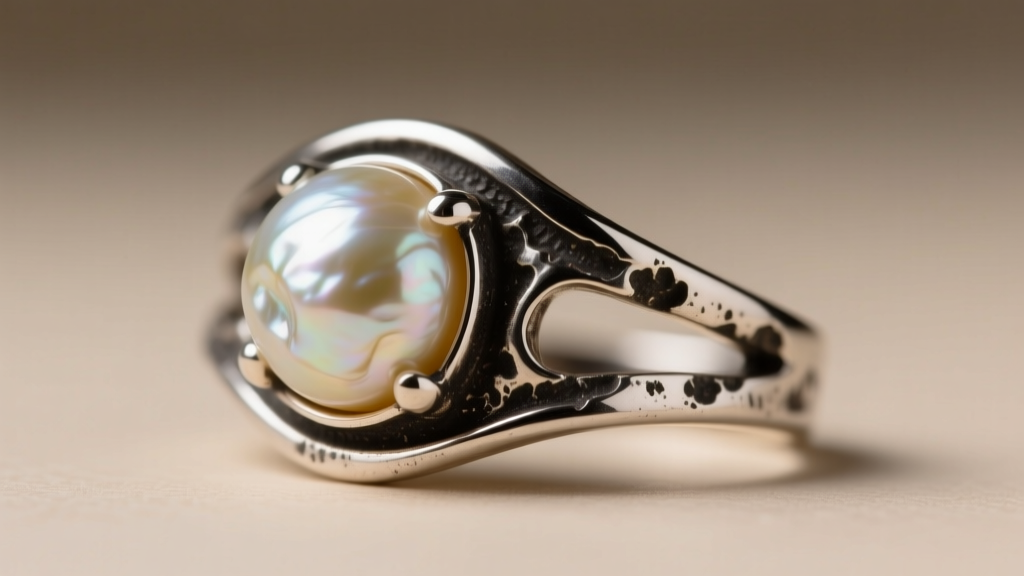
Many sculptural silver pieces undergo an intentional oxidation process using liver of sulfur (potassium sulfide) to create a dark, antique contrast in the recessed, wax-carved crevices. This dark patina is not "tarnish" in the traditional sense; it is a deliberate design element. Applying liquid silver cleaners will instantly strip this oxidation, leaving the piece looking flat and overly bright.
3. Raw and Baroque Pearls (Calcium Carbonate)
Pearls rank at a mere 2.5 to 3.0 on the Mohs hardness scale. According to the Gemological Institute of America (GIA), pearls are highly porous and sensitive to acids. Human sweat, perfumes, and acidic cleaning agents can etch the nacre, causing irreversible dullness and pitting.
Step-by-Step Cleaning Protocols by Material
Ditch the commercial jewelry dips. Here is how to safely clean your pieces using pH-neutral, non-abrasive methods.
Protocol A: Gold Vermeil & High-Polish Silver
- The Solution: Mix a few drops of pH-neutral dish soap (like Dawn) into a bowl of lukewarm distilled water. Avoid tap water, as chlorine and heavy minerals can leave microscopic spots.
- The Agitation: Submerge the earrings for no more than 3 minutes. Use an extra-soft baby toothbrush to gently sweep the bristles through the textured crevices. Do not scrub; let the bristles do the lifting.
- The Rinse & Dry: Rinse under a gentle stream of distilled water. Immediately pat dry with a lint-free microfiber cloth, then use a hairdryer on the "cool" setting to ensure no moisture remains trapped in the earring posts or backing mechanisms.
Protocol B: Oxidized & Textured Metals (Preserving the Patina)
Never submerge oxidized jewelry in liquid. Instead, use a dry, clean makeup brush (like a soft kabuki brush) to dust out dead skin cells and cosmetic powders from the deep textures. If the high-polish raised edges begin to tarnish, take a treated silver polishing cloth and lightly rub only the raised surfaces. Avoid pressing into the dark crevices to preserve the liver-of-sulfur contrast.
Protocol C: Pearl-Accented Sculptural Pieces
As advised by Jewelers of America, pearls should be the last thing you put on and the first thing you take off. To clean the metal components around a pearl, use a cotton swab lightly dampened with soapy water, carefully avoiding the pearl itself. Wipe the pearl gently with a dry, soft cotton cloth to remove body oils.
The "Never Do This" List: Common Failure Modes
To protect your investment, avoid these common cleaning mistakes that routinely destroy artisan jewelry.
| Cleaning Method | Target Material | Chemical / Physical Reaction | Resulting Damage |
|---|---|---|---|
| Ultrasonic Cleaners (40kHz) | Gold Vermeil & Pearls | High-frequency cavitation bubbles implode against the surface. | Strips gold plating; shatters or pits delicate pearl nacre. |
| Thiourea-based Silver Dips | Oxidized Silver | Chemical reduction strips sulfur compounds instantly. | Removes intentional dark patina, leaving a flat, chalky white finish. |
| Baking Soda & Aluminum Foil | Mixed Metals / Pearls | Ion exchange reaction creates highly alkaline environment. | Dissolves pearl luster; can cause micro-pitting in porous cast metals. |
| Toothpaste (Whitening) | All Artisan Metals | Contains hydrated silica (abrasive particles). | Scratches gold vermeil and creates micro-abrasions on high-polish silver. |
Storage & Environmental Control for Sculptural Jewelry
Proper storage is 80% of the maintenance battle. Because Noa Zuman's designs feature intricate, three-dimensional wax-carved elements, tossing them into a shared jewelry box guarantees mechanical scratching and accelerated tarnishing.
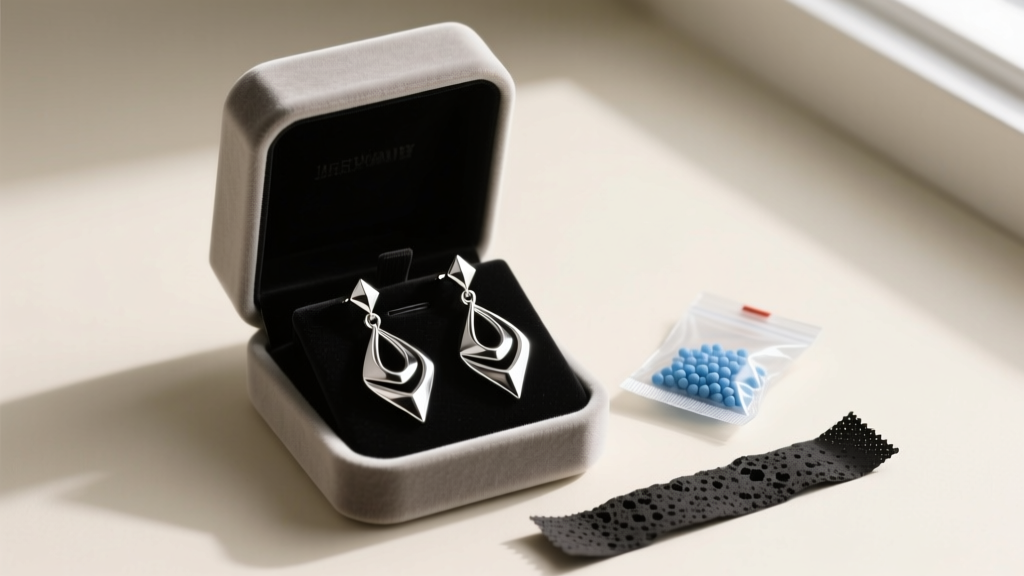
- Micro-Climate Control: Store each pair in an individual, airtight polyethylene zip-lock bag. Include a 3M anti-tarnish strip and a small silica gel desiccant packet to absorb ambient moisture and neutralize sulfur gases in the air.
- Structural Support: For heavy, sculptural dangles, store them hanging or laid completely flat in a velvet-lined box. Storing them under the weight of other jewelry can bend the sterling silver posts, which are inherently softer than brass or steel.
- The Friction Rule: Never store pearl-accented pieces in direct contact with metal chains or other earrings. The metal will easily scratch the soft calcium carbonate surface of the pearl.
Expert Insight: If you live in a high-humidity coastal environment, replace your anti-tarnish strips and silica packets every 3 to 4 months. The activated charcoal and silver-binding compounds reach saturation and lose their efficacy, leaving your oxidized and vermeil pieces vulnerable to rapid environmental tarnishing.
When to Seek Professional Replating or Repair
Even with meticulous care, gold vermeil is subject to eventual wear, particularly on high-friction areas like the earring posts and the backs of hoops. When the yellow or white sterling silver core begins to show through the gold layer, it is time for professional replating.
Seek out a specialized electroplating jeweler rather than a standard retail chain. A professional will first polish the sterling silver base to remove any scratches, apply a nickel-free barrier layer if necessary, and electroplate a fresh 2.5 to 3.0-micron layer of 18k or 22k gold. Expect to pay between $45 and $85 per pair for high-quality vermeil replating, depending on the surface area and complexity of the sculptural textures. Similarly, if a raw pearl becomes loose in its bezel or prong setting, a jeweler can tighten the mount using specialized micro-burrs without applying heat that would crack the organic gemstone.
By respecting the material science behind these pieces and adopting these targeted cleaning protocols, your Noa Zuman earrings will retain their sculptural brilliance and structural integrity for a lifetime.


