Why Do Earring Backs Smell? Material Science & Hygiene Fixes
Discover why earring backs smell, the role of metal porosity and bacteria, and the best hypoallergenic materials to eliminate odors permanently.

The Biological and Chemical Reality of Ear Odors
When you ask, "why do earring backs smell," the answer lies at the complex intersection of human biology, microbiology, and metallurgy. The colloquial term "ear cheese" refers to the pungent, sometimes metallic or rancid odor that accumulates on earring posts and their corresponding backs. This is not simply a matter of poor hygiene; it is a predictable chemical reaction. Human sebum is rich in squalene, wax esters, and triglycerides. When these lipids become trapped in the micro-crevices of an earring back, they are broken down by naturally occurring skin flora, specifically Corynebacterium and Staphylococcus hominis.
As these bacteria metabolize the lipids and dead keratinocytes, they release volatile organic compounds (VOCs) like isovaleric acid, which produces a distinctly cheesy odor. However, the material of the earring back acts as a catalyst. Reactive metals and porous polymers accelerate lipid peroxidation and provide a physical sanctuary for bacterial biofilms, turning a minor biological process into a persistent, malodorous problem. Understanding material properties is the only way to permanently eliminate the issue.
How Material Porosity Dictates Odor Retention
Not all jewelry metals are created equal. The atomic structure and surface finish of your earring backs determine how much biological debris they can harbor. According to the Association of Professional Piercers (APP), the surface roughness of a metal directly correlates to its ability to resist bacterial adhesion.
Base Metals and the Micro-Pitting Trap
Cheap earring backs are frequently stamped from brass, copper, or nickel-silver alloys, often plated with a microscopically thin layer of gold or silver. When exposed to the acidic pH of human sweat and sebum, these base metals undergo galvanic corrosion. This corrosion creates micro-pits and fissures on the surface of the earring back. These microscopic craters are impossible to clean with a standard alcohol wipe and become permanent breeding grounds for odor-causing bacteria. Furthermore, the oxidation of copper and brass reacts directly with sulfur compounds in your sweat, creating a harsh, metallic "penny" smell that compounds the biological odor.
Silicone and Polymer Degradation
Silicone and plastic friction backs (often called "earnuts") are popular for their grip and comfort, but they are highly problematic for odor. At a microscopic level, silicone is porous. It acts like a sponge, absorbing sebum and sweat directly into its matrix. Over time, exposure to UV light and the natural oils of your skin causes the polymer chains to break down. This degradation results in a sticky, tacky surface that aggressively traps dead skin cells. Once the oils penetrate the silicone, no amount of surface cleaning will remove the smell, as the odor source is embedded within the material itself.
The Implant-Grade Standard: ASTM F136 Titanium
To completely bypass the odor issue, you must use materials that are entirely non-porous and biologically inert. Implant-grade titanium (specifically ASTM F136) is the gold standard for sensitive piercings and odor prevention. Unlike commercially pure titanium (ASTM F67), F136 is an alloy containing aluminum and vanadium, which is then polished to a mirror finish. This creates a passive oxide layer on the surface that is completely impervious to sebum oxidation and bacterial adhesion. Solid 14k or 18k gold (specifically nickel-free, palladium-alloyed white gold or yellow gold) offers similar non-porous benefits, provided the surface has not been scratched by friction.
Earring Back Architecture: A Debris-Trap Analysis
Beyond the material itself, the physical geometry of the earring back plays a massive role in odor accumulation. Designs with high surface-area contact and moving parts inherently trap more biological matter. The Mayo Clinic notes that minimizing foreign body contact and friction reduces both contact dermatitis and localized bacterial overgrowth.
| Back Architecture | Debris Trap Risk | Best Material Choice | Odor Retention Level |
|---|---|---|---|
| Butterfly Clutch (Friction) | High (Multiple tight crevices, wire loops) | 14k Solid Gold or Titanium | High (Traps sebum in the loops) |
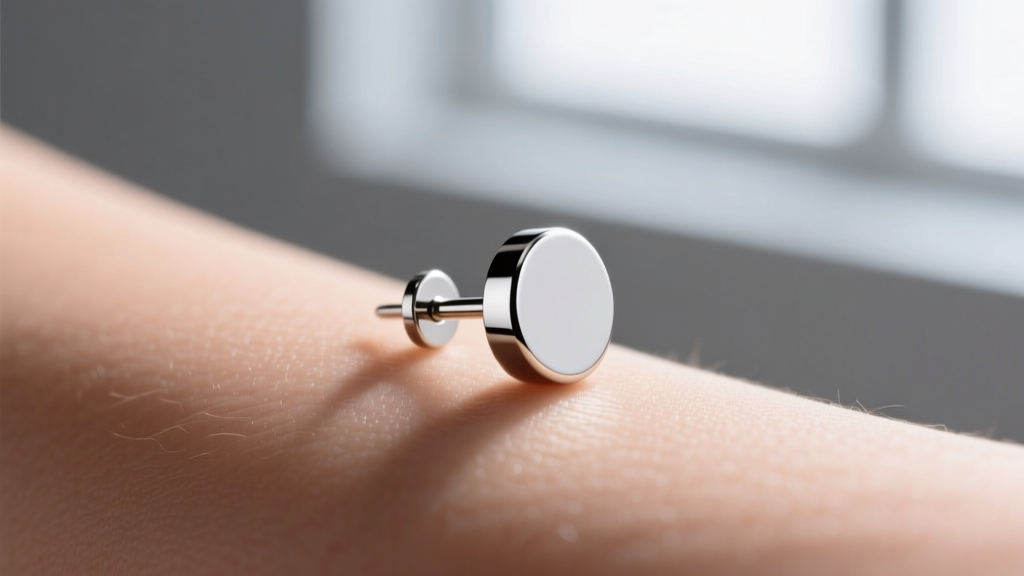
| Flat Back (Labret / Internally Threaded) | Very Low (Smooth, flush disc) | ASTM F136 Titanium | Negligible (Wipes clean instantly) |
| Screw Back (Threaded Nut) | Medium (Thread grooves trap skin cells) | 18k Solid Gold | Medium (Requires ultrasonic cleaning) |
| Silicone O-Ring / Friction Back | Extreme (Porous, absorbs oils) | Medical-Grade Silicone | Extreme (Must be replaced monthly) |
As the data illustrates, the traditional butterfly clutch is the worst offender for odor. The twin wire loops pinch the earring post, creating a high-friction zone where dead skin and sebum are compacted every time the back is pushed on or pulled off. Transitioning to an internally threaded flat-back labret stud eliminates the pinch-point entirely, leaving no physical space for biofilm to develop.
The 2026 Deep-Cleaning and Deodorizing Protocol
If your current earring backs have already developed a persistent odor, surface wiping with rubbing alcohol will not suffice. Alcohol merely dries out the sebum, temporarily masking the smell while failing to dissolve the lipid bonds. To properly deodorize and restore non-porous metals, follow this advanced material-safe protocol:
- Enzymatic Soaking: Submerge metal earring backs in an enzymatic jewelry cleaner or a diluted solution of warm water and unscented castile soap for 15 minutes. Enzymes specifically target and break down the protein and lipid bonds of dead skin and sebum.
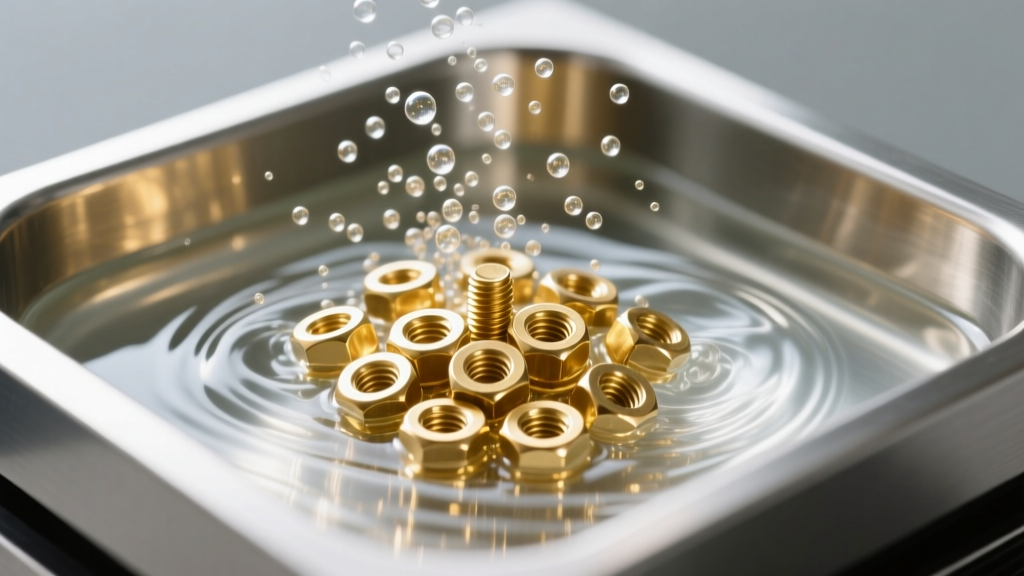
- Ultrasonic Cavitation: For threaded screw-backs or intricate butterfly clutches, use an ultrasonic cleaner operating at 40-45 kHz. The microscopic cavitation bubbles will physically blast biofilm out of the thread grooves and wire loops without scratching the metal.
- Chemical Passivation (Titanium Only): If titanium backs appear cloudy or retain a faint metallic scent, they can be soaked in a highly diluted citric acid solution for 3 minutes. This strips microscopic mineral deposits and restores the protective passive oxide layer.
- Immediate Disposal of Polymers: Never attempt to deep-clean silicone or plastic backs. Once they absorb odors, the polymer matrix is compromised. Discard them and switch to titanium flat-back discs.
Expert Verdict: Upgrading Your Ear Hardware
The question of why earring backs smell is ultimately a question of material compatibility. Your skin is a dynamic, lipid-producing organ, and placing reactive, porous, or mechanically complex metals against it guarantees a biological breakdown process that results in odor. By auditing your jewelry box and discarding base-metal butterfly clutches and degraded silicone nuts, you remove the catalyst for the smell.
Investing in ASTM F136 implant-grade titanium flat backs or high-polish 14k gold screw-backs is not just an aesthetic upgrade; it is a fundamental shift in ear hygiene. Non-porous, mirror-finished metals deny bacteria the physical architecture they need to thrive, ensuring your piercings remain fresh, healthy, and entirely odor-free for a lifetime of wear.


