Why Is My Earring Hole Bleeding? Causes and Quick Fixes
Discover why your earring hole is bleeding, from metal allergies to blowouts. Learn expert troubleshooting steps, safe materials, and healing protocols.

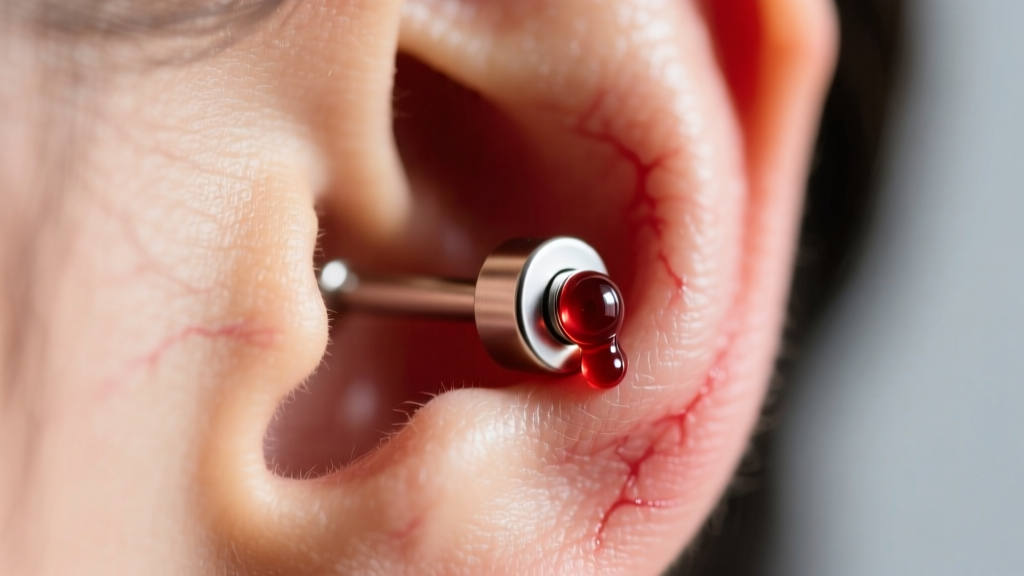
Waking up to a blood-stained pillowcase or feeling a sharp, sudden sting when brushing your hair inevitably leads to one urgent question: why is my earring hole bleeding? Whether you are managing a brand-new lobe piercing or a decades-old cartilage hole that has suddenly become aggravated, bleeding is a clear biological distress signal. It indicates that the delicate epithelial tissue lining your fistula (the piercing tunnel) has been compromised. Despite advancements in jewelry metallurgy and aftercare science, mechanical trauma and contact dermatitis remain the primary culprits behind bleeding ear piercings. This comprehensive troubleshooting guide will help you diagnose the exact point of failure, select the correct biocompatible materials, and execute a rapid triage protocol to stop the bleeding and promote tissue repair.
The Anatomy of a Bleeding Piercing: Lobe vs. Cartilage
To understand why your earring hole is bleeding, you must first understand the vascular differences between earlobe and cartilage tissue. The earlobe is highly vascularized, meaning it has a robust blood supply. While this makes lobe piercings bleed more profusely when snagged, it also allows them to heal rapidly, typically within six to eight weeks. Cartilage, on the other hand, is avascular. It receives nutrients and oxygen through diffusion from the surrounding perichondrium (the connective tissue membrane). When a cartilage piercing bleeds, it is often a sign of severe inflammation, localized ischemia (restricted blood flow to surrounding tissues), or a developing blowout. Cartilage can take anywhere from six to twelve months to fully epithelialize, making it highly susceptible to chronic micro-tearing if subjected to daily friction or improper jewelry angles.
Top 4 Reasons Why Your Earring Hole Is Bleeding
1. Contact Dermatitis and Metal Allergies
The most common hidden cause of a weeping, bleeding fistula is a nickel allergy. According to the Mayo Clinic, up to 20% of the population suffers from nickel-induced contact dermatitis. Many commercial fashion earrings are made from 316L Surgical Steel, which contains 8% to 12% nickel. When sweat and skin oils interact with this alloy, nickel ions leach into the tissue, triggering an immune response. The resulting inflammation causes the tissue to become friable (easily crumbled or torn), leading to micro-bleeds every time the earring moves.
2. Mechanical Trauma and Gauge Mismatches
Forcing an earring through a fistula is a guaranteed way to cause bleeding. Standard earlobe piercings are typically performed at 18-gauge (1.0mm) or 16-gauge (1.2mm). However, many mass-market stud earrings feature ultra-thin 20-gauge (0.81mm) or 22-gauge (0.64mm) posts. This gauge mismatch creates a 'cheese-cutter effect,' where the thin wire shifts excessively, slicing through the bottom of the healing tunnel. Conversely, trying to jam a thick 14-gauge decorative end into an 18-gauge hole will sheer the delicate epithelial lining, causing immediate, bright red bleeding.
3. The Butterfly Back Pressure Necrosis
Traditional friction-fit 'butterfly' backs are notorious for causing tissue damage. They trap dead skin cells, sebum, and moisture against the posterior of the earlobe. Worse, users often push the backing too tightly against the skin to secure the earring. This constant compression restricts localized blood flow, leading to pressure necrosis (tissue death). As the tissue breaks down, the earring post slowly embeds itself into the lobe, resulting in chronic bleeding and a high risk of staphylococcal infection.
4. Moisture Trapping and Bacterial Overgrowth
Leaving your ear wet after showering or swimming creates a macerated environment. Maceration softens the epithelial walls of the piercing channel, making them highly vulnerable to tearing. Furthermore, trapped moisture invites opportunistic bacteria like Pseudomonas aeruginosa, which can cause the tissue to become inflamed, weep clear or bloody fluid, and emit a distinct, foul odor.
Material Grading Chart: What to Wear When Healing
When troubleshooting a bleeding piercing, the first variable to eliminate is your jewelry material. The Association of Professional Piercers (APP) strictly recommends specific implant-grade materials for any compromised tissue. Below is a breakdown of common earring materials and their safety profiles for bleeding or irritated holes.
| Material | Grade / Standard | Nickel Content | Best Use Case | Common Failure Modes |
|---|---|---|---|---|
| Implant-Grade Titanium | ASTM F-136 | 0% | Fresh, bleeding, or irritated piercings | None; highly biocompatible |
| Niobium | Unalloyed | 0% | Fresh, bleeding, or irritated piercings | Softer metal, can scratch if polished poorly |
| Solid Gold | 14k or 18k (Nickel-Free) | 0% | Fully healed piercings only | Alloy metals can irritate open wounds |
| Surgical Steel | 316L | 8% - 12% | Avoid if bleeding or sensitive | Nickel leaching causes dermatitis |
| Sterling Silver | 925 | Variable | Avoid in ears entirely | Oxidizes, causes argyria (skin staining) |
Step-by-Step Triage Protocol: How to Stop the Bleeding
If your earring hole is actively bleeding, follow this clinical triage protocol to halt the flow and protect the fistula from secondary infection.
- Step 1: Vasoconstriction. Apply a clean, cold compress (an ice pack wrapped in a sterile paper towel) to the outside of the ear for 5 to 10 minutes. The cold temperature constricts the local blood vessels, significantly slowing the bleeding.
- Step 2: Avoid Blood Thinners. If you are in pain, avoid NSAIDs like Ibuprofen or Aspirin, as they inhibit platelet aggregation and can prolong bleeding. Opt for Acetaminophen instead.
- Step 3: Evaluate the Jewelry. If the piercing is fully healed and the bleeding is due to a snag or blowout, remove the jewelry to allow the hole to close and clot. If the piercing is fresh (under 6 months old), do not remove the jewelry, as the hole will close rapidly, trapping blood and bacteria inside to form an abscess.
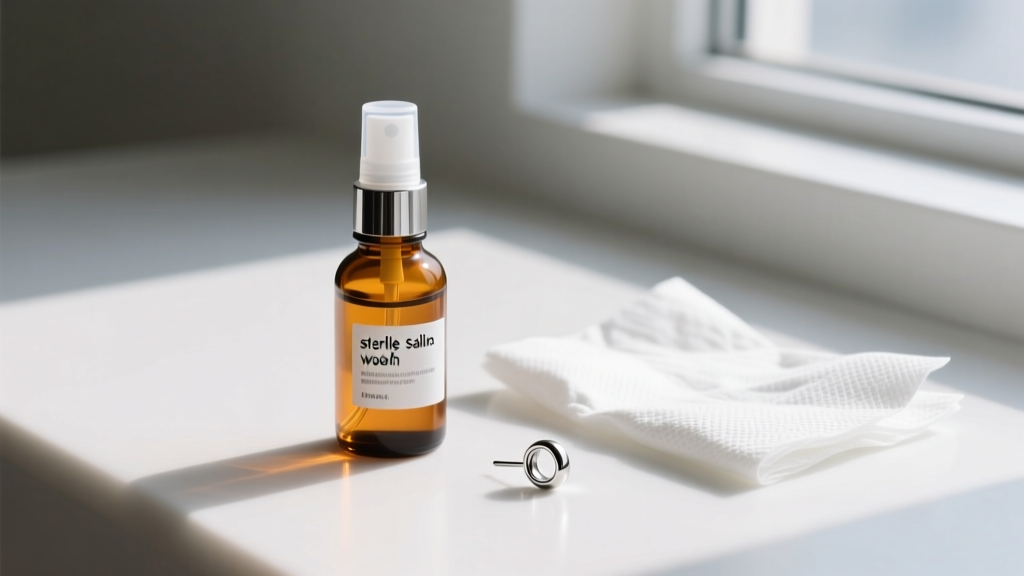
- Step 4: Cleanse with Isotonic Saline. Spray the area with a sterile 0.9% sodium chloride wound wash. Do not use hydrogen peroxide or rubbing alcohol; these chemicals destroy fibroblasts (the cells responsible for tissue repair) and delay epithelialization.
- Step 5: Upgrade Your Hardware. Once the bleeding has stopped, visit a professional piercer to swap your current jewelry for an internally threaded or threadless flat-back labret made of ASTM F-136 titanium. Flat backs eliminate the pressure necrosis caused by butterfly clasps and reduce movement inside the fistula.
When to See a Professional Piercer or Dermatologist
While most minor bleeding episodes can be managed at home, certain symptoms indicate a deeper complication that requires professional intervention. If the bleeding is accompanied by thick, yellow or green exudate (pus), localized heat, or red streaks radiating from the piercing site (lymphangitis), you may have a severe bacterial infection requiring prescription antibiotics. Furthermore, if you suspect a cartilage blowout—characterized by a ring of tissue protruding from the back of the piercing and persistent spotting—consult a reputable APP-certified piercer immediately. They can assess the angle of the fistula and downsize the jewelry to relieve pressure before permanent hypertrophic scarring occurs.
Expert Insight: Never attempt to re-pierce or stretch a bleeding earlobe at home. Tissue that is actively hemorrhaging is highly inflamed and prone to excessive scar tissue formation (keloids). Allow a minimum of 4 to 6 weeks of complete rest with inert titanium jewelry before attempting any modifications.


