Why Do Earring Holes Smell? Causes, Cures & Prevention Guide
Discover why earring holes smell, the science behind ear cheese, and expert troubleshooting steps to eliminate odor using hypoallergenic metals.

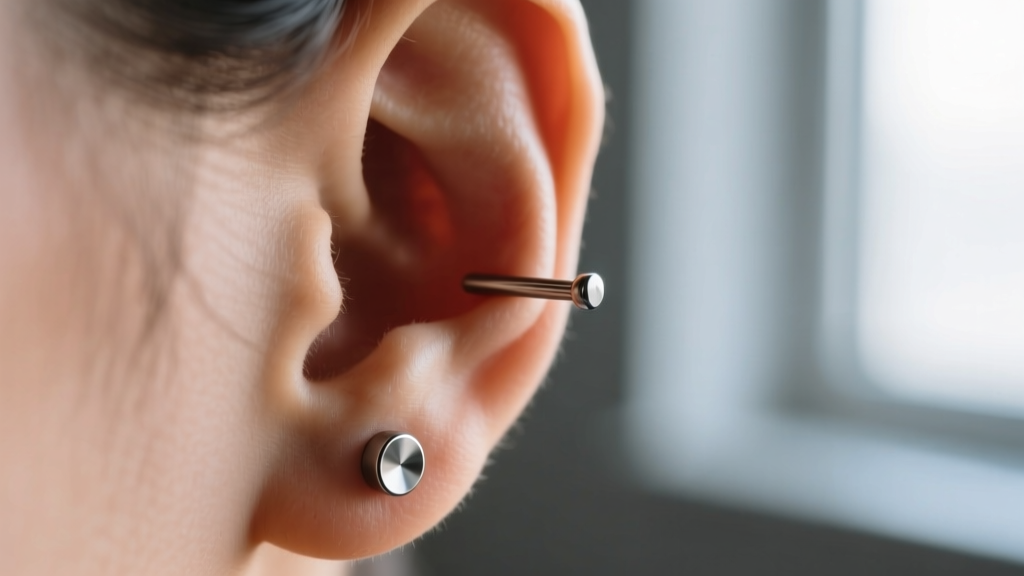
If you have ever taken out a pair of earrings and been hit with an unpleasant, cheesy odor, you are not alone. This incredibly common phenomenon is colloquially known in the jewelry and piercing communities as "ear cheese." While it can be off-putting, understanding the biological and metallurgical reasons behind it is the first step toward solving the problem. In this comprehensive troubleshooting guide, we break down exactly why earring holes smell, which jewelry materials exacerbate the issue, and the precise protocols you need to follow to keep your piercings fresh, healthy, and odor-free.
The Microbiology of the Fistula: Why Do Earring Holes Smell?
To understand the odor, we must first look at the anatomy of a healed piercing. When you pierce your ear, the body forms a fistula—a tubular tunnel of scar tissue and skin cells that lines the hole. This fistula is essentially a warm, dark, and often damp micro-environment that is highly prone to trapping biological debris.
The primary culprit behind the smell is a combination of three factors:
- Sebum and Dead Skin Cells: Your skin naturally sheds millions of dead cells daily while producing sebum (an oily substance meant to lubricate the skin). Inside the narrow fistula of an 18-gauge (1.0mm) or 20-gauge (0.8mm) earring hole, these cells and oils have nowhere to go but to accumulate against the jewelry post.
- The Skin Microbiome: The human skin is home to trillions of bacteria. According to research on the skin microbiome, strains like Corynebacterium and Staphylococcus hominis naturally reside in sebaceous (oily) areas of the body.
- Bacterial Breakdown: When these bacteria consume the trapped sebum and dead skin cells, they excrete waste products, including isovaleric acid. This specific organic acid is the exact same compound responsible for the smell of certain pungent cheeses and foot odor.
Therefore, the smell is not necessarily a sign of poor hygiene; it is a natural biological byproduct of a confined space trapping normal skin secretions.
Metallurgy and Micro-Porosity: Are Your Earrings the Culprit?
While biology plays a major role, the metallurgy of your earrings dictates how much bacteria can thrive. Cheap, mass-produced jewelry often features microscopic surface imperfections that act as breeding grounds for odor-causing bacteria.
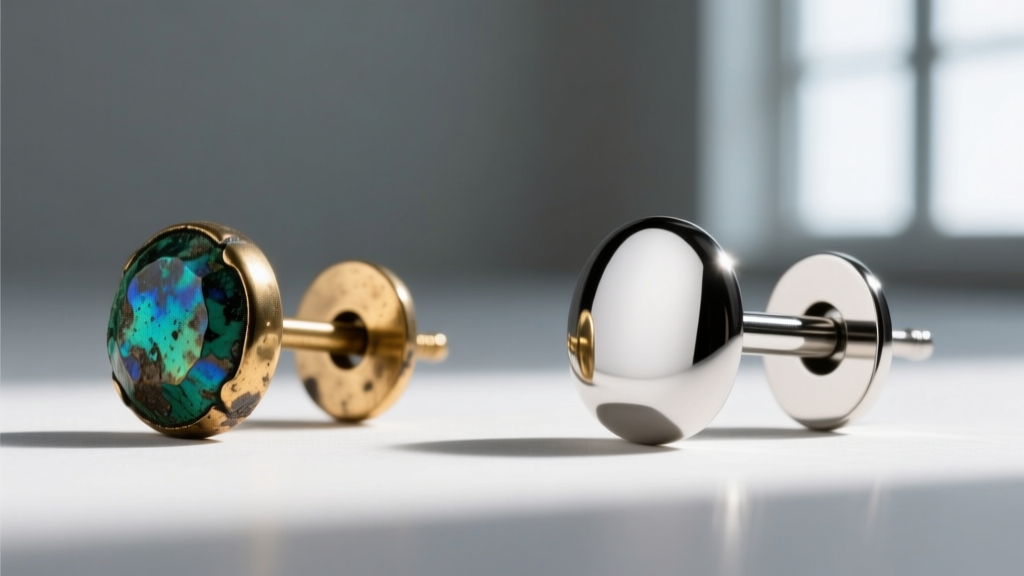
The Safe List: Implant-Grade Titanium & Solid Gold
To minimize bacterial adhesion, the surface of the jewelry post must be flawlessly smooth. The Association of Professional Piercers (APP) strictly recommends ASTM F136 Implant-Grade Titanium. This specific alloy is biocompatible, entirely nickel-free, and can be polished to a mirror finish that leaves no microscopic pores for bacteria to hide in. High-quality titanium threadless labret posts typically range from $15 to $35. Alternatively, 14k or 18k solid gold (specifically alloyed for body jewelry, avoiding nickel and cadmium) offers a similarly non-porous, highly polished surface, though at a higher price point of $50 to $150+ per piece.
The Offenders: Surgical Steel, Brass, and Plated Alloys
The term "surgical steel" is largely a marketing buzzword. Many earrings labeled as such are made from 316L stainless steel, which contains up to 10% nickel. Nickel not only triggers contact dermatitis in many people—causing micro-tears and weeping fluid that worsens the smell—but the polishing on cheap steel posts is often rough at a microscopic level. Furthermore, gold-plated or silver-plated brass earrings are highly porous. As the plating wears off, the underlying brass reacts with your skin's natural pH, creating a galvanic reaction that results in a metallic, sour odor and the dreaded green oxidation stain on your skin.
Step-by-Step Troubleshooting: How to Eliminate Earring Odor
If your earring holes currently smell, follow this targeted troubleshooting protocol to reset the fistula environment. Avoid the common mistake of using harsh chemicals, which will only damage the delicate tissue and worsen the problem.
- Remove and Soak the Jewelry: Take out your earrings and soak them in a small cup of warm water with a few drops of mild, fragrance-free antibacterial soap for 10 minutes. Use a soft-bristled toothbrush to gently scrub the posts and the crevices of the earring backs. Rinse thoroughly and dry with a lint-free paper towel.
- Cleanse the Fistula with Saline: Do not use rubbing alcohol or hydrogen peroxide. According to Mayo Clinic piercing care guidelines, harsh chemicals destroy healthy regenerating cells and dry out the fistula, prompting the body to overproduce sebum to compensate. Instead, spray the front and back of the hole with a sterile 0.9% sodium chloride wound wash.
- Gentle Exfoliation: Once a week, use a warm, damp washcloth to gently massage the back of the earlobe. This helps manually dislodge the compacted ring of dead skin cells (the physical "ear cheese") that forms around the exit hole. For stubborn buildup, a cotton swab lightly dampened with a 2% salicylic acid toner can help dissolve the keratin bonds of dead skin without irritating the piercing.
- Upgrade Your Hardware: Reinsert a sterilized, mirror-polished ASTM F136 titanium post. Ensure the post is long enough to accommodate any minor swelling but short enough that it doesn't extend far past the earlobe, which can cause the earring back to trap moisture against the skin.
Earring Backs & Hardware: Hidden Culprits of Bacterial Buildup
Often, the earring post itself is clean, but the backing is harboring the odor. The design of your earring back drastically affects airflow and debris accumulation around the fistula exit.
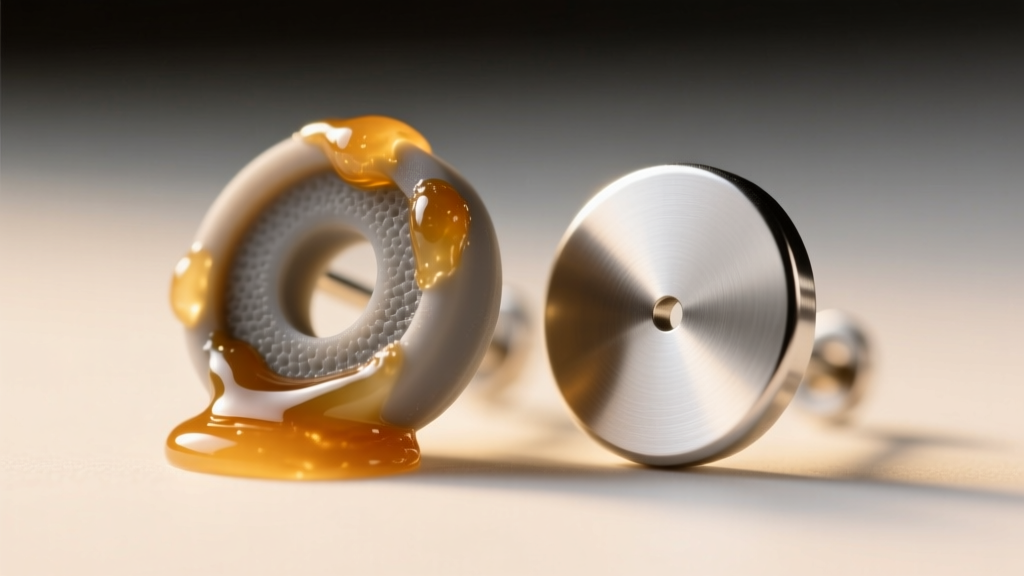
| Backing Type | Odor Risk | Cleaning Difficulty | Expert Recommendation |
|---|---|---|---|
| Butterfly / Friction | High | Hard | Avoid for daily wear; traps moisture and skin cells in the metal loops. |
| Silicone O-Rings | Very High | Very Hard | Replace weekly or avoid; silicone is highly porous and absorbs sebum and odor. |
| Flat Back (Labret) | Low | Easy | Gold standard for lobes; sits flush against the skin, allowing easy wiping. |
| Screw Back | Medium | Medium | Good for sleepers, but threads can trap microscopic debris if not cleaned weekly. |
Transitioning from standard butterfly backs to titanium flat-back labrets (either internally threaded or threadless/push-pin styles) is the single most effective hardware change you can make to eliminate earring odor. The flat disc sits flush against the back of the earlobe, preventing the pocket of trapped air and moisture that bacteria need to multiply.
When to See a Professional: Infection vs. Sebum Buildup
It is vital to distinguish between normal sebum buildup (which smells bad but is harmless) and a true bacterial infection. If your earring hole smells and presents with any of the following symptoms, you are likely dealing with an infection (such as Pseudomonas or Staphylococcus aureus) rather than simple dead skin accumulation:
- Localized heat radiating from the earlobe.
- Throbbing pain or extreme tenderness to the touch.
- Discharge of thick, opaque yellow or green pus (normal sebum is usually thin, whitish, or grayish).
- Spreading erythema (redness) that extends beyond the immediate piercing site.
If you experience these symptoms, do not remove the jewelry, as the fistula can close and trap the infection inside, forming an abscess. Consult a dermatologist or a healthcare professional immediately for a targeted antibiotic treatment plan.
By understanding the biology of your skin, upgrading to high-quality, non-porous metals like implant-grade titanium, and switching to flat-back hardware, you can completely eliminate the odor and enjoy your favorite earrings with total confidence.


