Why Does Earrings Smell Bad? The Science of Ear Odor & Fixes
Discover why does earrings smell bad, the science behind ear cheese, and expert troubleshooting steps to eliminate odor using safe, hypoallergenic metals.

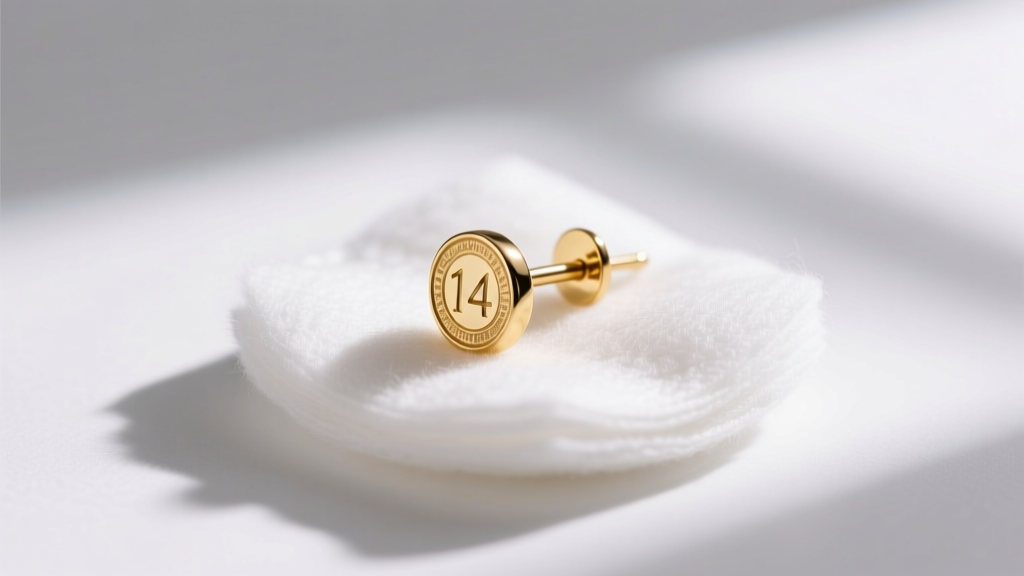
The Uncomfortable Truth About Piercing Odors
If you have ever taken out a pair of stud earrings and been hit with a sharp, sour, or distinctly cheesy odor, you are not alone. The question of 'why does earrings smell bad' is one of the most common queries in dermatological and piercing clinics. Colloquially known in the body modification community as 'ear cheese,' this phenomenon is rarely a sign of poor hygiene. Instead, it is a predictable biological and chemical reaction occurring within the micro-environment of your piercing fistula (the tissue tube that forms around the jewelry).
Understanding the root cause requires looking past the jewelry itself and examining the intersection of human sebum production, skin cell turnover, bacterial flora, and the metallurgical composition of your earrings. In this comprehensive troubleshooting guide, we break down the exact mechanics of earring odor and provide a clinical protocol to eliminate it permanently.
The Biology of 'Ear Cheese': Sebum, Keratin, and Bacteria
To solve the problem, we must first understand the biological triad responsible for the odor. The skin lining your earlobe and cartilage piercings is functionally identical to the rest of your epidermis. It constantly sheds dead skin cells (keratinocytes) and secretes sebum, a lipid-rich oil produced by sebaceous glands to lubricate the skin.
The Breakdown Process
When you wear earrings continuously, the jewelry acts as a physical barrier. Dead skin cells and sebum become trapped in the narrow space between the earring post and the fistula wall. According to the American Academy of Dermatology, the human body sheds roughly 30,000 to 40,000 dead skin cells every hour. In a restricted piercing channel, this debris accumulates rapidly.
The odor itself is not caused by the dead skin or oil directly, but by the bacteria that consume them. The skin's natural microbiome includes species like Corynebacterium and Staphylococcus hominis. These bacteria digest the trapped lipids and proteins, excreting volatile organic compounds (VOCs) such as isovaleric acid and methanethiol. Isovaleric acid is the exact same compound responsible for the smell of certain pungent cheeses and human sweat, which perfectly explains the distinct 'cheesy' aroma associated with earring buildup.
Material Reactions: When Cheap Metals Make It Worse
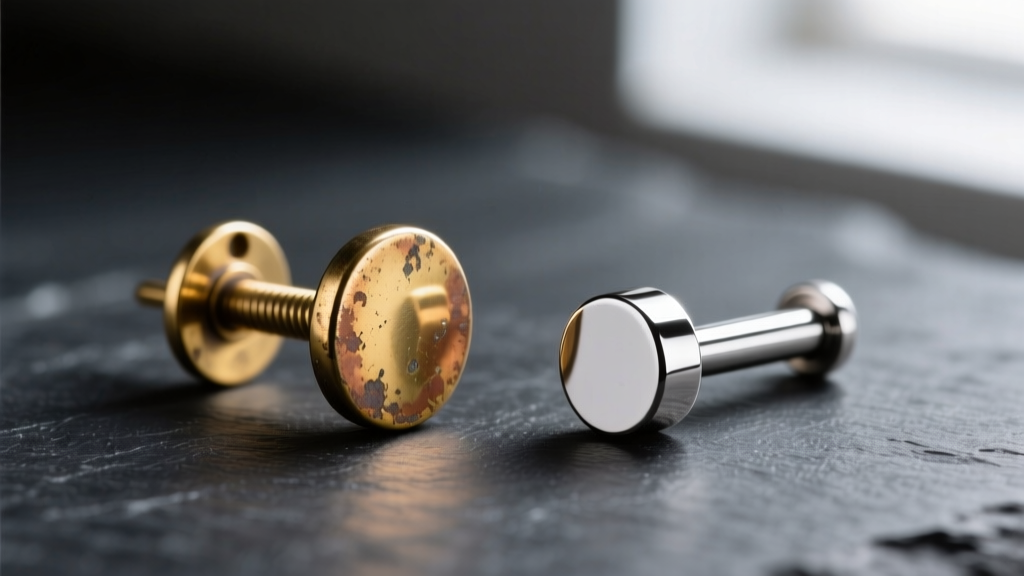
While biology provides the base material for the odor, the metallurgy of your earrings often acts as an accelerant. If your earrings smell distinctly metallic, sulfurous, or like old pennies, the issue is likely a chemical reaction between your acidic sebum and reactive base metals.
The Dangers of Fashion Jewelry Alloys
Most inexpensive 'fashion' earrings are made from brass, copper, or nickel-silver alloys, often plated with a microscopic layer of gold or rhodium. Once that plating wears off on the post—which happens quickly due to the friction of insertion—the bare base metal is exposed to your sebum. Sebum has a naturally acidic pH (typically between 4.5 and 6.0). When acidic oils interact with copper or brass, they undergo oxidation, creating metallic salts. These salts not only produce a foul, rusty odor but also leach into the skin, triggering irritant contact dermatitis and the infamous 'green ear' effect.
The Hypoallergenic Standard
To eliminate metal-induced odors, you must upgrade to biocompatible materials that do not oxidize or react with human sebum. The Association of Professional Piercers (APP) strictly recommends the following materials for long-term wear:
- ASTM F136 Titanium (Ti6Al4V ELI): The gold standard for body jewelry. It is entirely nickel-free, non-porous, and immune to sebum corrosion.
- ASTM F67 Unalloyed Titanium: Pure titanium, excellent for standard lobe studs.
- Niobium (99.9% Pure): A highly inert, hypoallergenic elemental metal that can be anodized to various colors without using reactive dyes.
- 14k or 18k Solid Gold (Nickel-Free): Must be alloyed with silver, copper, or palladium, but strictly avoid white gold unless it is palladium-based, as nickel-white gold causes severe reactions.
Expert Warning: 'Surgical Steel' (often labeled as 316L) is highly porous compared to titanium and contains up to 14% nickel. While acceptable for some, it can harbor bacteria in its microscopic surface pits and cause chronic low-grade inflammation that increases sebum production, worsening the odor.
Gauge Size and Anatomy: Lobe vs. Cartilage Traps
The physical dimensions of your piercing dictate how much debris can accumulate. Standard earlobe piercings are typically done at 20-gauge (0.81mm) or 18-gauge (1.02mm). The fistula is tight, meaning less surface area for dead skin to pack into. However, if you have stretched your lobes to larger gauges (such as 6G to 00G), the surface area inside the fistula increases exponentially. Stretched lobes require rigorous daily cleaning, as the larger channel acts as a reservoir for keratin buildup.
Conversely, cartilage piercings (like helixes or tragus, usually 16G or 14G) have fewer sebaceous glands than lobes, meaning they produce less natural oil. However, cartilage piercings are highly susceptible to trapping external debris: shampoo residue, dry shampoo, hairspray, and heavy body butters. If a cartilage piercing smells, it is often a buildup of cosmetic products rather than natural sebum, requiring a different cleaning approach.
The Ultimate Troubleshooting Matrix
Use this diagnostic table to identify your specific odor profile and apply the correct material and cleaning upgrade.
| Odor Profile | Primary Cause | Material Upgrade | Targeted Cleaning Protocol |
|---|---|---|---|
| Sour / Cheesy | Bacterial breakdown of sebum and keratin | Any biocompatible metal (Titanium/Gold) | Daily fistula exfoliation with saline; weekly ultrasonic soak |
| Metallic / Penny | Oxidation of brass/copper base metals | ASTM F136 Titanium or 14k Solid Gold | Discard reactive jewelry; clean ear with mild glycerin soap |
| Sweet / Chemical | Trapped hair products and cosmetic oils | Smooth, polished glass or titanium | Hot water emulsification; avoid applying cosmetics near ears |
| Foul / Rotten | Possible localized infection or embedded cyst | N/A (Requires medical evaluation) | Do not remove jewelry; consult a dermatologist immediately |
Step-by-Step Protocol to Eliminate Earring Odor
If your current jewelry is made of safe materials but still harbors an odor, the issue is mechanical buildup. Wiping the post with a tissue is insufficient. You must break down the lipid bonds of the sebum. Follow this professional-grade maintenance routine:
1. The Ultrasonic Deep Clean
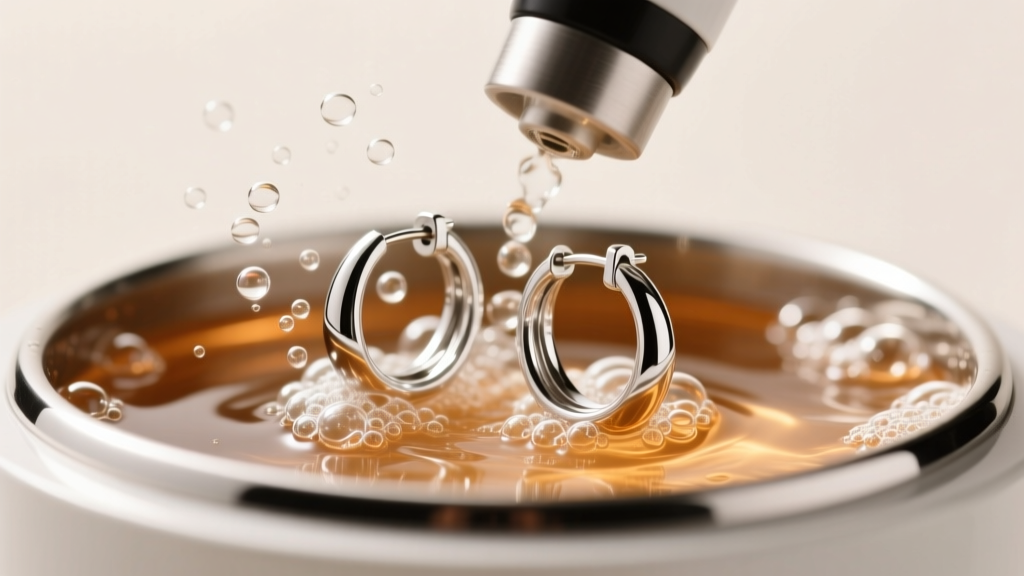
Invest in a basic 40kHz ultrasonic jewelry cleaner (typically $30 to $50). Fill it with warm water and a few drops of mild, fragrance-free dish soap. Submerge your titanium or gold earrings for three minutes. The cavitation bubbles will physically blast microscopic sebum plugs out of the jewelry's surface texture and threading.
2. Fistula Exfoliation
The piercing channel itself needs cleaning. Soak a cotton swab in sterile 0.9% sodium chloride wound wash. Gently insert the swab into the fistula and rotate it to physically dislodge the adhered keratin lining. Do this in the shower when the tissue is soft and pliable.
3. The Isopropyl Alcohol Reset
For the jewelry only (never for the skin), a quick wipe with 91% isopropyl alcohol will strip any remaining lipid film and sanitize the metal. Ensure the jewelry is bone-dry before reinsertion, as trapping alcohol inside the fistula will cause severe chemical irritation and trigger a rebound overproduction of sebum.
When to See a Professional: Infection vs. Odor
It is vital to differentiate between benign 'ear cheese' and a developing infection. Benign buildup is typically grayish-white, paste-like, and smells sour but is not accompanied by pain. According to the Mayo Clinic, if the discharge is yellow or green (purulent exudate), if the earlobe is hot to the touch, throbbing, or if you develop a fever, you are likely dealing with a bacterial infection or an infected epidermoid cyst. In these cases, do not attempt to clean it with harsh chemicals or remove the jewelry, as the fistula can close and trap the abscess inside. Seek immediate evaluation from a healthcare provider for targeted antibiotic therapy.
Final Thoughts on Ear Health
Ultimately, asking why does earrings smell bad leads to a broader conversation about jewelry quality and anatomical awareness. By retiring porous, reactive base metals in favor of mirror-polished ASTM F136 titanium, and implementing a weekly ultrasonic cleaning routine, you can entirely eradicate earring odor. Treat your piercings with the same biocompatible respect you would give any other permanent modification, and your jewelry will remain as fresh as the day it was inserted.


