How to Safely Clean and Maintain Gray Pearl Earrings
Discover expert techniques to clean, store, and maintain your gray pearl earrings. Protect the nacre and silver settings with our detailed care guide.

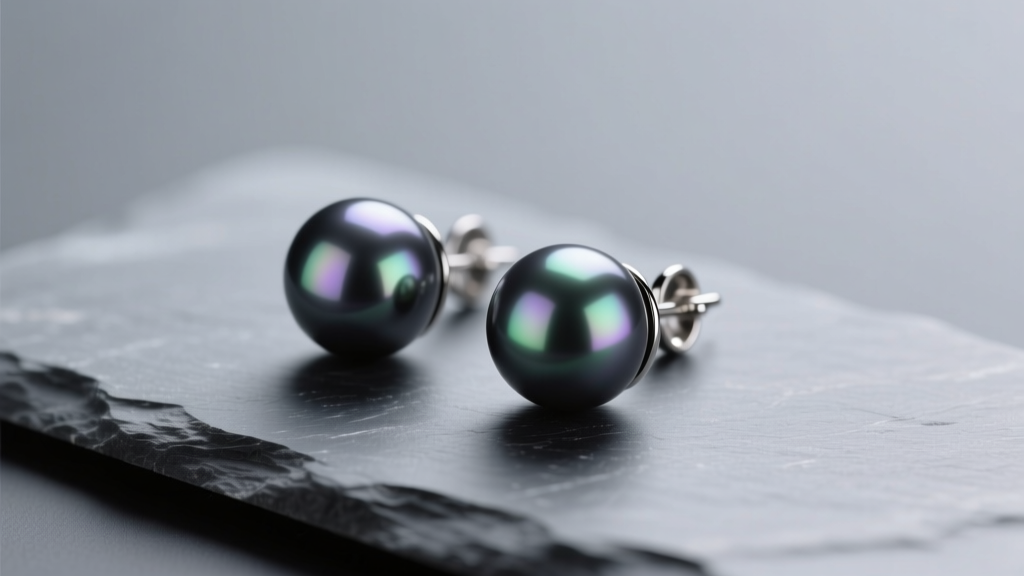
The Unique Composition of Gray Pearls
Gray pearl earrings, particularly those featuring Tahitian or gray Akoya varieties, offer a sophisticated, moody alternative to classic white pearls. Their mesmerizing peacock, aubergine, and silver overtones make them a staple in modern jewelry collections. However, because pearls are organic gemstones, they require a vastly different maintenance regimen compared to faceted diamonds or sapphires. Improper cleaning can permanently dull their luster, strip their delicate nacre, or loosen their settings. This comprehensive guide details the exact protocols for cleaning, storing, and preserving your gray pearl earrings.
Understanding the Delicate Nature of Gray Pearls
Pearls are primarily composed of aragonite (a crystalline form of calcium carbonate) and conchiolin (an organic protein). According to the Gemological Institute of America (GIA), pearls rank between 2.5 and 4.5 on the Mohs scale of mineral hardness. This makes them exceptionally soft and vulnerable to scratching. Furthermore, the dark gray body color of Tahitian pearls—produced by the Pinctada margaritifera oyster—is highly sensitive to acidic environments. When the calcium carbonate is exposed to acids (even the mild acidity of human sweat or citrus-based cosmetics), it undergoes a chemical reaction that etches the surface, leaving the pearl looking chalky and lifeless.
The Daily Wear Rules: Preventing Damage Before It Starts
The golden rule of organic gems is "last on, first off." Your gray pearl earrings should be the very last items you put on when getting dressed and the first items you remove when returning home.

Hairsprays, perfumes, and lotions contain alcohols and volatile organic compounds (VOCs) that can degrade the conchiolin matrix binding the nacre layers together. Always apply your cosmetics and fragrances at least 15 minutes before donning your earrings. Additionally, avoid wearing pearl earrings during activities that induce heavy perspiration, such as exercising or gardening. The lactic acid in sweat will rapidly break down the pearl's surface polish. If you do sweat while wearing them, gently wipe them with a dry, lint-free microfiber cloth immediately upon removal.
Step-by-Step Cleaning Routine for Gray Pearl Earrings
Never, under any circumstances, place gray pearl earrings in an ultrasonic jewelry cleaner. These devices operate at high-frequency sound waves (typically 40,000 Hz or higher) which will cause the microscopic nacre layers to craze, fracture, or completely delaminate from the nucleus. Similarly, avoid commercial silver dips, ammonia-based cleaners, and toothpaste. Ammonia will instantly dissolve the calcium carbonate, while the abrasive silica in toothpaste will scratch the nacre.
To safely clean your earrings at home, you only need three items: distilled water (tap water contains chlorine and heavy minerals that can leave spots), a pH-neutral mild liquid castile soap, and a clean, ultra-soft microfiber cloth.
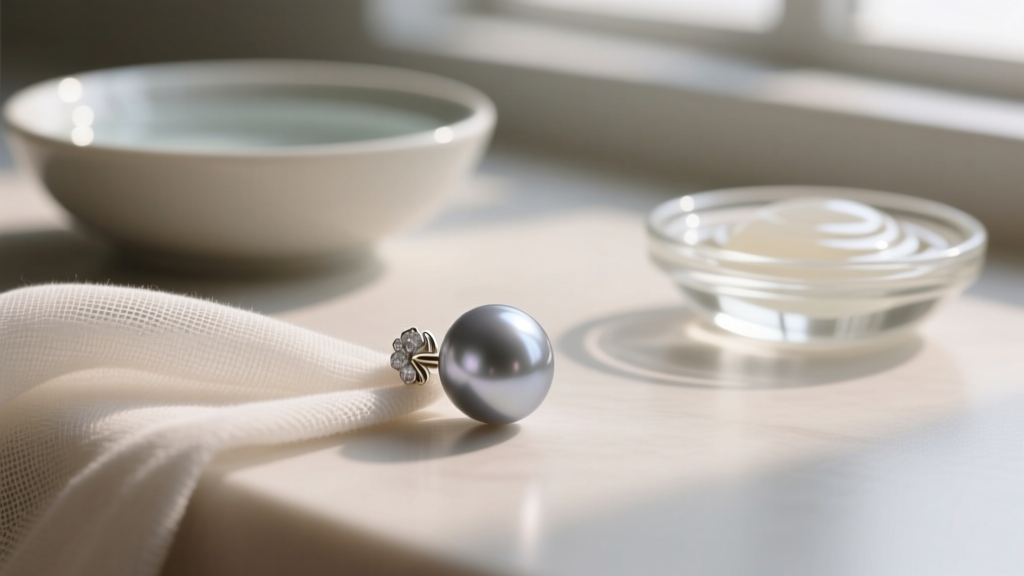
- Step 1: Dampen the microfiber cloth with a few drops of distilled water and a tiny drop of castile soap. Do not submerge the earrings in water, especially if they are stud earrings. Submerging can weaken the jeweler's epoxy holding the pearl to the post.
- Step 2: Gently wipe the surface of the gray pearl, following its natural curvature. Pay special attention to the drill hole area, where skin oils and dead skin cells tend to accumulate.
- Step 3: Use a separate, clean section of the cloth dampened only with distilled water to "rinse" the soap residue.
- Step 4: Buff the pearl dry immediately with a soft, untreated cotton flannel cloth. Let the earrings air-dry completely on a towel for 24 hours before storing them.
Caring for the Metal Settings (Sterling Silver & Gold)
Gray pearls are most frequently set in sterling silver, white gold, or platinum to complement their cool, dark undertones. Cleaning the metal without harming the pearl requires strategic isolation. When polishing the sterling silver settings, use a treated silver polishing cloth but carefully avoid touching the pearl. The mild abrasive compounds embedded in these cloths will scratch the nacre.
| Metal Setting | Pearl-Safe Cleaning Agent | Agents to Avoid |
|---|---|---|
| Sterling Silver | Dry silver polishing cloth (avoid pearl contact) | Liquid silver dips, ammonia, baking soda paste |
| 14k/18k White Gold | Mild castile soap and distilled water | Chlorine bleach, abrasive toothpaste |
| Platinum | Microfiber cloth with distilled water | Harsh commercial jewelry solvents |
Identifying Nacre Damage Early
How do you know if your gray pearl earrings have already suffered chemical or environmental damage? Inspect the pearls under a bright, direct LED light. Healthy nacre will exhibit a sharp, mirror-like luster with crisp reflections. If the surface appears chalky, dull, or exhibits a "frosted" texture, acid etching has occurred. While mild etching can sometimes be polished by a master pearl craftsman, severe delamination (where the nacre flakes away like an onion skin) is irreversible. Catching these early warning signs is crucial; if you notice a loss of luster, cease wearing the earrings near cosmetics and switch to a strict distilled-water wiping regimen immediately.
Proper Storage Techniques to Preserve Luster
Unlike diamonds, pearls need to "breathe" and require a specific level of ambient humidity to prevent the conchiolin from drying out. Storing gray pearl earrings in an airtight plastic bag, a safety deposit box, or a heated closet will cause the organic proteins to dehydrate, leading to severe cracking and peeling.
Always store your earrings in a soft, unbleached silk or cotton pouch. Keep them separated from harder gemstones and metal jewelry to prevent the pearls from being scratched. If you live in an exceptionally dry climate, you can place a lightly dampened (not wet) cotton ball in the corner of the jewelry box—not touching the pearls—to maintain a stable micro-humidity environment.
When to Seek Professional Jeweler Maintenance
Most pearl stud earrings are constructed using a half-drilled pearl mounted on a metal cup and post, secured with a two-part jeweler's epoxy. Over time, exposure to skin oils, heat, and accidental bumps can degrade this adhesive. It is highly recommended to have a professional jeweler inspect the epoxy bond and the friction of your earring backs once a year. If a pearl feels loose or wobbles on its post, stop wearing the earring immediately and take it to a bench jeweler for re-cementing. Attempting to glue it yourself with household superglue (cyanoacrylate) will result in a brittle bond that can permanently ruin the pearl's surface upon future removal.
By respecting the organic nature of gray pearls and adhering to these meticulous cleaning and storage protocols, you will ensure that their moody, iridescent overtones remain vibrant for generations.


