Diamond Earrings 6mm: 2026 Budget & Value Assessment
Evaluating 6mm diamond earrings in 2026. Compare lab-grown vs. natural pricing, ideal 4C specs for 1.70ct TCW studs, and security settings.

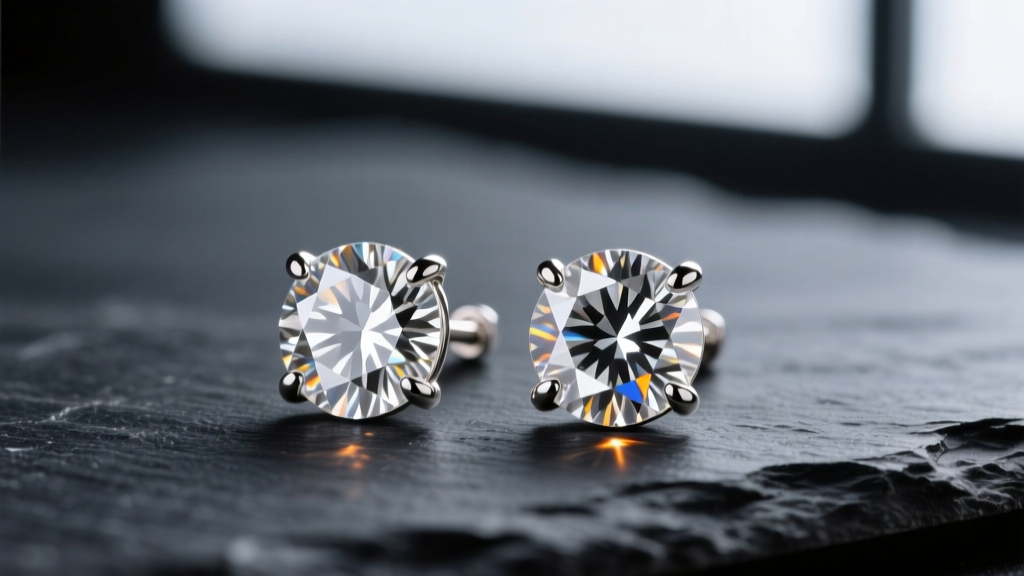
When it comes to diamond stud earrings, size perception is everything. While carat weight is the traditional metric for value, millimeter spread is what the eye actually registers. In 2026, the diamond earrings 6mm category has emerged as the ultimate 'Goldilocks' zone for buyers seeking substantial presence without crossing into the ultra-premium pricing tiers of 2.00-carat total weight (TCW) stones. A 6mm diameter delivers bold, undeniable sparkle, but navigating the budget and value assessment requires a strategic approach to the 4Cs, origin choices, and structural hardware.
Whether you are allocating a $1,500 budget or a $10,000 investment, understanding the physical and gemological realities of a 6mm diamond is critical to maximizing your return on investment. This guide breaks down the exact specifications, market pricing, and structural requirements for 6mm diamond studs in today's market.
Decoding the 6mm Metric: Carat Weight vs. Millimeter Spread
To assess value, we must first translate millimeters into carat weight. According to the Gemological Institute of America (GIA), a round brilliant diamond with an ideal cut and a 6.0mm diameter will weigh approximately 0.80 to 0.85 carats. Therefore, a pair of 6mm diamond earrings represents a Total Carat Weight (TCW) of roughly 1.60 to 1.70 carats.
The Danger of 'Spread' Shopping
A common budget trap is purchasing diamonds cut specifically for maximum spread rather than optimal light return. A shallow-cut 0.75-carat diamond might measure 6.1mm across, but it will suffer from severe light leakage (often called a 'fish-eye' effect), making the stone look dull and glassy. Conversely, a deep-cut 0.95-carat stone might only measure 5.8mm, meaning you are paying for hidden weight in the pavilion that contributes nothing to the visual footprint. Always prioritize an 'Excellent' or 'Ideal' cut grade; a perfectly proportioned 0.83-carat stone will consistently deliver that coveted 6mm spread while maximizing brilliance.
The 2026 Market Reality: Lab-Grown vs. Mined Diamonds
The most significant factor in your budget assessment is the origin of the diamond. The lab-grown diamond market has matured considerably, offering identical chemical and optical properties to mined diamonds at a fraction of the cost. Below is a comparative value matrix for a matched pair of 6mm (1.70ct TCW) round brilliant diamonds in 2026.
| Origin | Target Specs (Color/Clarity) | Estimated Price Range (USD) | Resale Value Retention | Best Buyer Profile |
|---|---|---|---|---|
| Natural (Mined) | G-H / VS2 | $6,500 - $11,000 | 20% - 35% | Traditionalists, heirloom seekers |
| Lab-Grown (CVD/HPHT) | E-F / VVS2 | $900 - $1,800 | Negligible | Max-spread seekers, budget-conscious |
Expert Insight: If your primary goal is visual impact and wearability, lab-grown 6mm diamonds offer unparalleled value. You can upgrade to flawless clarity and colorless grades for under $2,000. However, if you view the purchase as a store of financial value, natural diamonds remain the only viable option, despite the steep initial premium.
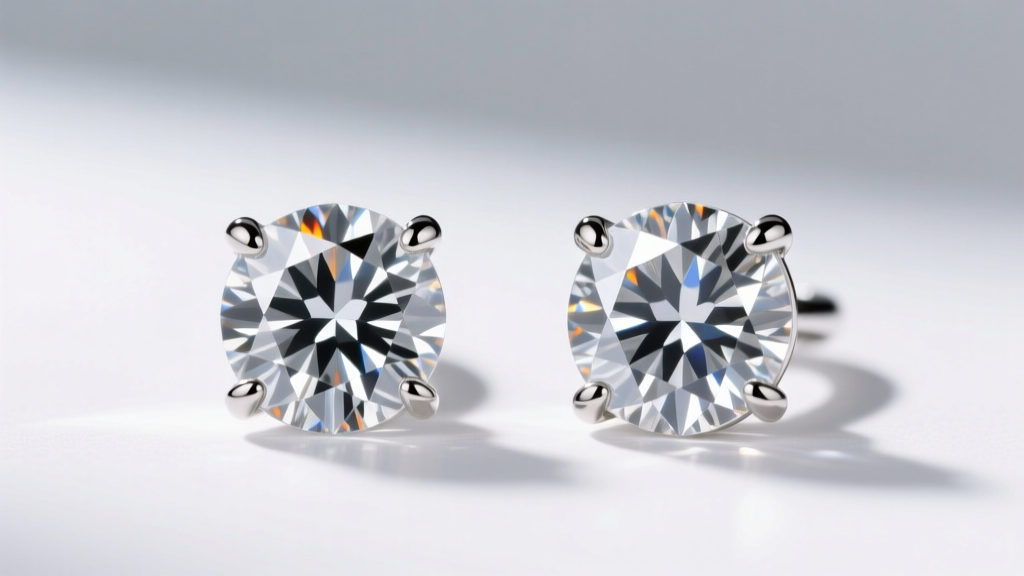
The Value Matrix: Where to Allocate Your Budget
When buying 6mm diamond earrings, you do not need to pay top dollar for the highest grades across the board. Earrings are viewed from a conversational distance (roughly two to three feet away) and are constantly in motion. This allows for strategic compromises that save thousands of dollars without sacrificing visual beauty.
1. Cut: The Non-Negotiable Priority
Never compromise on cut. A 6mm diamond with a 'Good' or 'Fair' cut grade will look smaller and darker than an 'Ideal' cut stone of the exact same weight. Look for certifications from the American Gem Society (AGS) or GIA that confirm 'Ideal' or 'Excellent' polish, symmetry, and proportions. The sparkle is what makes a 6mm stone command attention.
2. Color: The G-H Sweet Spot
Unlike engagement rings, where the diamond rests against the white canvas of the skin, earrings are framed by hair and skin tones at a distance. A 'D' or 'E' color grade is largely wasted on stud earrings. Opting for G or H (Near Colorless) will save you 20% to 30% on natural diamonds. To the naked eye, an H-color 6mm diamond facing up in a white gold or platinum setting will appear brilliantly white.
3. Clarity: Embracing SI1 and VS2
Because earrings are rarely scrutinized with a jeweler's loupe, eye-cleanliness is your only metric for success. SI1 (Slightly Included) and VS2 (Very Slightly Included) diamonds are exceptional choices for 6mm studs. Ensure the inclusions are not located directly under the table (the flat top facet) and avoid black carbon spots. White crystal inclusions near the girdle will be completely masked by the prongs and the stone's scintillation.
4. Fluorescence: The Secret Budget Hack
Medium to Strong blue fluorescence is often penalized in the natural diamond market, lowering the price by 10% to 15%. However, in H or I color diamonds, blue fluorescence can actually counteract faint yellow tints, making the 6mm stones appear whiter in natural sunlight. This is a highly effective way to stretch your budget.
Hardware and Security: Protecting a 6mm Investment
A 6mm diamond is substantial, and its physical mechanics require specialized hardware. A standard friction post and butterfly back are wholly inadequate for a 1.70ct TCW pair. The center of gravity on a 6mm stone sits several millimeters away from the earlobe, creating a lever effect that causes the earring to droop forward, ruining the visual profile and risking loss.
Setting Architecture: Basket vs. Martini
- 3-Prong Martini: While sleek and minimalist, the martini setting concentrates the stone's weight on a single bottom point. On a heavy 6mm diamond, this often leads to severe forward drooping and increased wear on the earlobe piercing.
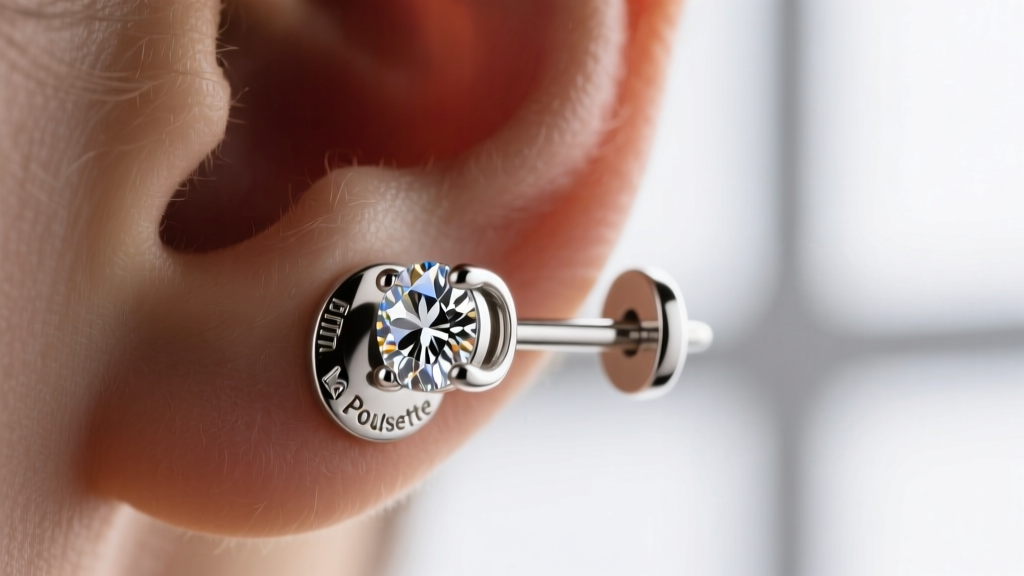
- 4-Prong Basket: The 4-prong basket setting features a wider, flat base that sits flush against the earlobe. This distributes the 0.85-carat weight evenly, providing superior structural support and keeping the 6mm diamond facing perfectly forward.
Securing the Post
For 6mm earrings, you must upgrade the backing mechanism. Screw-backs offer the highest security, threading directly onto a grooved post to prevent accidental loss. Alternatively, La Pousette backs (which operate via a spring-loaded clutch mechanism) provide a secure, locking grip without the tedious threading required by screw-backs. Always ensure the post is crafted from a rigid metal like platinum or 14k/18k gold; sterling silver posts are too soft and will bend under the leverage of a 6mm stone.
Final Verdict: Is the 6mm Size Right for Your Budget?
The 6mm diamond earring represents a masterclass in visual impact versus financial outlay. It delivers the highly sought-after 'large stone' aesthetic—crossing the psychological threshold of the 1.50ct TCW mark—without triggering the exponential price premiums associated with 2.00ct+ diamonds. By targeting G-H colors, SI1-VS2 clarities, and prioritizing an Ideal cut housed in a supportive 4-prong basket setting, you can secure a breathtaking, heirloom-quality pair of earrings that will dominate the room while respecting your financial boundaries.


