Wire Earring Guide for Beginners: Metals, Gauges, and Styles
Discover everything about wire earrings in our beginner guide. Learn about French wires, leverbacks, gauge sizes, and the best metals for sensitive ears.

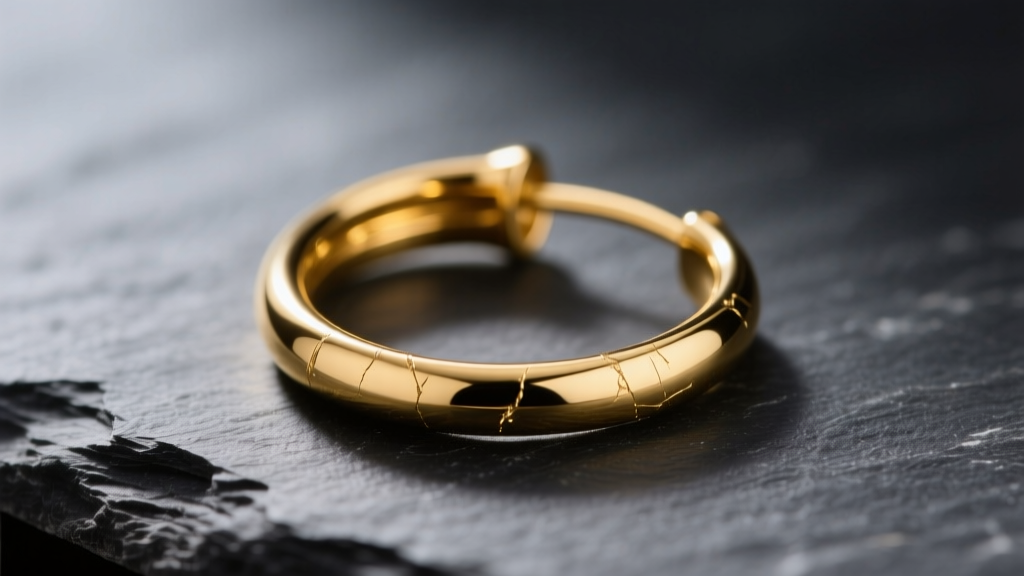
If you have recently had your ears pierced, or if you are simply looking to upgrade your jewelry box with more comfortable, lightweight options, the wire earring is an essential staple. Unlike post earrings that rely on a rigid metal stick and a friction back, wire earrings utilize a continuous or hinged piece of metal that threads directly through the piercing. This design not only reduces pressure on the earlobe but also allows for elegant movement and drape.
However, not all wire earrings are created equal. Choosing the wrong metal can lead to contact dermatitis, while selecting the incorrect gauge can cause stretching or tearing. In this comprehensive beginner's guide, we will break down the anatomy of wire earrings, decode gauge sizes, and identify the safest metals for your skin.
What Exactly is a Wire Earring?
At its core, a wire earring is any earring where the component passing through the ear piercing is a drawn metal wire rather than a stamped or machined post. The wire is typically bent into a specific shape to secure the earring in the ear, either by relying on gravity, a mechanical clasp, or a friction stopper. Because the wire is rounded and smooth, it is generally much gentler on the fistula (the piercing channel) than square-edged posts, making it a favorite among professional piercers for both fresh and healed lobes.
The 4 Most Common Wire Earring Styles
When shopping for wire earrings, you will encounter several distinct structural designs. Each offers a different balance of security, ease of use, and aesthetic appeal.
1. French Wire (Fishhook)
The French wire is the most ubiquitous style on the market. It features a simple hook that curves up and over the back of the earlobe. While elegant and incredibly easy to insert, the primary failure mode of the French wire is its lack of a built-in locking mechanism. Without a silicone stopper or a small plastic clutch pushed onto the back of the wire, these earrings are highly prone to falling out when removing sweaters or brushing hair.
2. Leverback
For those who love the dangle of a French wire but despise losing their jewelry, the leverback is the ultimate solution. This design features a hinged wire that snaps securely into a catch at the back of the earring. Leverbacks are slightly bulkier than French wires due to the clasp mechanism, but they offer near-100% security, making them ideal for travel and active lifestyles.

3. Kidney Wire
Shaped like its namesake organ, the kidney wire is a vintage-style earring where the wire itself acts as the clasp. The straight end of the wire hooks into a small loop on the front of the earring. They are highly secure and distribute weight evenly across the piercing, though they can be slightly fiddly to fasten for beginners with long nails.
4. Ear Threads (Threader Earrings)
Ear threads consist of a long, fine chain with a straight wire lead at one end. You thread the wire and chain entirely through the piercing, allowing the earring to dangle at adjustable lengths on both the front and back of the lobe. These are exceptionally lightweight but require a bit of patience to put on.
Decoding Wire Gauges: Thickness Matters
The "gauge" of a wire earring refers to the thickness of the metal that actually passes through your piercing. Understanding gauge sizes is critical; inserting a wire that is too thick can cause micro-tears, while a wire that is too thin can act like a "cheese cutter," slowly migrating through the earlobe tissue over time.
| Wire Gauge | Millimeter (mm) | Best Use Case | Durability & Risk |
|---|---|---|---|
| 22-Gauge | 0.64mm | Ultra-lightweight studs, delicate ear threads | Low durability; high risk of bending or cheese-cutter effect |
| 20-Gauge | 0.81mm | Standard French wires, everyday dangles | Excellent balance of comfort and structural integrity |
| 18-Gauge | 1.02mm | Heavy statement pieces, thick hoops | High durability; may feel tight in standard 20g lobe piercings |
| 16-Gauge | 1.29mm | Cartilage wire earrings, heavy gauge huggies | Very rigid; requires a specifically sized piercing channel |
Most standard lobe piercings done with a piercing gun are 20-gauge or 18-gauge, while professional needle piercings are typically 16-gauge or 14-gauge. If you are buying a standard wire earring for a healed lobe, 20-gauge (0.81mm) is the universal sweet spot.
Best Metals for Sensitive Ears (and What to Avoid)
The metal composition of your wire earring dictates whether you will enjoy wearing it or suffer from itchy, swollen earlobes. The jewelry industry is rife with misleading marketing terms, so it is vital to look for specific metallurgical grades.
The Safe List: Hypoallergenic Options
- Implant-Grade Titanium (ASTM F136): The gold standard for sensitive skin. It is completely nickel-free, highly polished, and biocompatible. Expect to pay $20–$50 for high-quality titanium wire earrings.
- Niobium: A reactive metal similar to titanium that can be anodized into vibrant colors without using dyes or plating. It is exceptionally safe and usually priced between $15–$35.
- 14k or 18k Solid Gold: According to the Gemological Institute of America (GIA), 14k and 18k gold offer the best balance of purity and durability. Ensure it is alloyed for jewelry (often using silver or palladium rather than nickel). Prices typically start at $60 and can exceed $200.
The "Avoid" List: Problematic Metals
- "Surgical Steel": This is an unregulated marketing term. Many cheap surgical steels contain high levels of nickel, which is the number one cause of metal contact allergies.
- Sterling Silver (925): While beautiful, sterling silver contains 7.5% copper. When exposed to the moisture and salts of a healing or sensitive piercing, it can oxidize, causing dark tarnishing and localized irritation.
- Gold-Plated or Gold-Filled Wire: Plating on the wire portion of the earring will eventually wear off due to the friction of passing through the piercing, exposing the base metal (usually brass or copper) to your skin.
Pro Tips: How to Keep Wire Earrings Secure and Clean
Owning wire earrings requires a slightly different maintenance routine than standard post earrings. Follow these expert tips to maximize the lifespan of your jewelry and keep your piercings healthy.
Piercer's Insight: "The most common issue I see with French wire earrings is the loop stretching out over time. If your earring feels loose, use a pair of nylon-jaw chain-nose pliers to gently squeeze the loop back into a tight circle. Never use standard steel pliers, as they will mar the finish of the metal."
1. Always Use Silicone O-Rings
If you wear French wires, invest in a pack of medical-grade silicone earring stoppers (often called O-rings or ear nuts). Unlike hard plastic clutches that can trap bacteria and put pressure on the back of the lobe, soft silicone O-rings grip the wire gently and provide a cushion for the skin. The Association of Professional Piercers (APP) highly recommends avoiding tight-fitting backs that restrict airflow to the piercing channel.
2. Cleaning Without Damaging the Wire
Because wire earrings are often delicate, tossing them into an ultrasonic cleaner can sometimes loosen gemstone settings or bend thin 22-gauge wires. Instead, clean your wire earrings weekly using a few drops of mild, fragrance-free dish soap and warm water. Use a soft-bristled baby toothbrush to gently clean the curve of the wire where sebum and skin cells tend to accumulate. Rinse thoroughly and dry with a lint-free microfiber cloth.
3. Storage to Prevent Tangling and Bending
Never throw wire earrings loose into a jewelry box. The hooks will inevitably tangle with chains or bend under the weight of other pieces. Store them in a dedicated compartmentalized box, or hang them on a velvet-lined earring stand to maintain their structural integrity.
Final Thoughts
The wire earring is a timeless, versatile category of jewelry that bridges the gap between casual everyday wear and formal elegance. By paying close attention to the gauge thickness, prioritizing biocompatible metals like ASTM F136 titanium or solid 14k gold, and utilizing simple security measures like silicone stoppers, you can enjoy the effortless drape of wire earrings without the frustration of lost jewelry or irritated piercings. Whether you prefer the vintage charm of a kidney wire or the modern minimalism of an ear thread, understanding these foundational elements will make you a much more confident and informed jewelry collector.


