Gold Earring Screw Backs: Value, Pricing, and Fit Guide
Evaluate if a gold earring screw back is worth the premium. We analyze 2026 pricing, karat values, internal threading, and budget tips for secure studs.

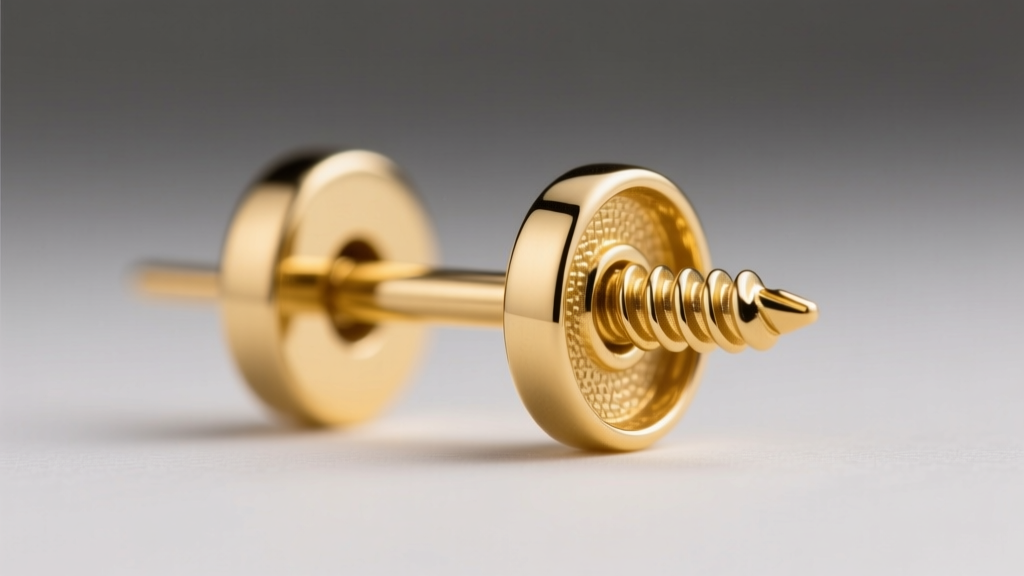
Losing a fine jewelry stud is both a financial and emotional frustration. For decades, the friction push-back has been the industry standard for lobe piercings, but its inherent lack of security has driven a massive surge in demand for threaded alternatives. When evaluating a gold earring screw mechanism, consumers are often met with a noticeable price premium compared to traditional butterfly clutches. But does the added cost translate to genuine value, or are you simply paying for a more complex manufacturing process?
In this comprehensive 2026 budget and value assessment, we break down the exact engineering, material grades, and market pricing of threaded gold earrings. Whether you are investing in high-karat lobe studs or internally threaded cartilage jewelry, understanding where your money goes is critical to making a smart purchase.
The Mechanics of a Gold Earring Screw Back
A standard friction back relies on tension and the groove of the earring post to stay in place. A screw back, however, utilizes a machined thread pitch—typically between 0.5mm and 0.8mm—to physically lock the clutch onto the post. This mechanical advantage means the earring cannot be pulled off by accident, hair snags, or clothing changes.
However, threading a post requires removing microscopic layers of metal. Because of this, a gold earring screw post must be manufactured at a thicker gauge to maintain structural integrity. While standard push-backs are often stamped at 20-gauge (0.81mm), screw-back posts are almost exclusively machined at 19-gauge (0.91mm) or 18-gauge (1.02mm). If a manufacturer attempts to thread a 20-gauge or 22-gauge solid gold post, the core material becomes too thin, leading to a high risk of the post snapping under the torque of tightening the clutch.
Friction vs. Threaded vs. Locking: Where Does Your Money Go?
To assess true value, we must compare the screw back against its primary market competitors. Below is a functional and financial breakdown of the three dominant secure earring back systems available in today's market.
| Backing Type | Avg. Premium (Over Base Stud) | Security Level | Failure Mode | Best Use Case |
|---|---|---|---|---|
| Friction Push-Back | $0 (Standard) | Low | Tension loss over time, snagging | Everyday budget wear |
| Gold Earring Screw Back | +$45 to $85 | Very High | Cross-threading, stripped clutch | High-value diamond/gemstone studs |
| La Pousette (Locking) | +$120 to $200 | High | Internal spring mechanism failure | Heirloom pieces, active lifestyles |
As the data illustrates, the screw back occupies the 'sweet spot' of value. It offers near-maximum security without the steep premium and mechanical fragility of spring-loaded locking clutches.
Karat Weight and Its Impact on Thread Durability
Not all gold is created equal, and the karat weight drastically dictates how well a threaded mechanism will hold up over years of daily use. Pure gold is a remarkably soft metal, which presents a massive engineering hurdle for threading.
Why 14K and 18K Dominate the Market
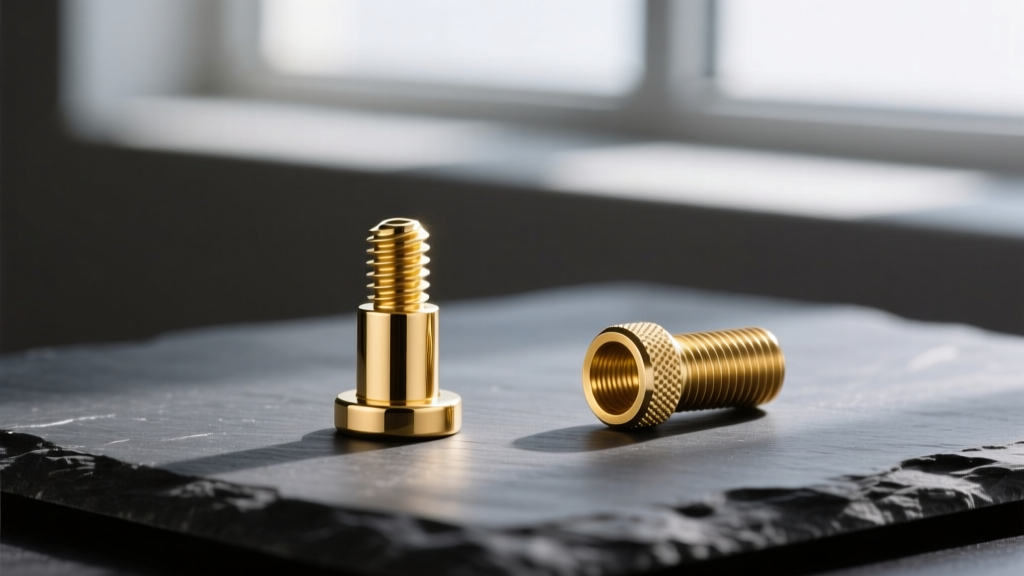
14K Gold (58.5% pure gold): This is the undisputed champion for threaded jewelry. The alloy metals (usually copper, silver, or zinc) provide the necessary tensile strength to withstand the rotational torque of screwing and unscrewing the clutch. A 14K gold earring screw thread will rarely strip if machined correctly.
18K Gold (75% pure gold): While highly prized for its rich color and hypoallergenic properties, 18K gold is noticeably softer. Threads cut into 18K gold are prone to cross-threading if the user forces the clutch at an improper angle. Over a decade of use, 18K threads will show visible wear and may eventually require the clutch to be replaced by a jeweler.
The 24K and 10K Pitfalls
Never purchase a 24K (pure gold) screw-back earring. The metal is far too malleable; the threads will deform within the first few uses, rendering the locking mechanism useless. Conversely, while 10K gold is incredibly hard, it is also brittle. The aggressive threading process can introduce micro-fractures into 10K posts, leading to sudden, catastrophic snapping at the base of the earring head.
For authoritative data on gold alloy properties and durability standards, the Gemological Institute of America (GIA) provides extensive metallurgical breakdowns that confirm 14K as the optimal balance of purity and structural hardness for mechanical jewelry components.
Internally Threaded vs. Externally Threaded Gold Jewelry
When shopping for cartilage piercings (such as helix, tragus, or conch studs), the term 'gold earring screw' often refers to the threading of the barbell itself. Here, the distinction between internal and external threading is a matter of both tissue health and financial value.
- Externally Threaded: The screw thread is cut into the post that passes through your piercing. This is cheaper to manufacture but acts like a microscopic cheese grater on the delicate fistula (piercing channel) every time you insert or remove it.
- Internally Threaded: The post is smooth, and the screw thread is hidden inside the decorative end or the flat back disc. This requires highly precise CNC (Computer Numerical Control) lathe machining.
According to the Association of Professional Piercers (APP), internally threaded jewelry is the only acceptable standard for fresh and healing piercings. While internally threaded 14K or 18K gold jewelry commands a 20% to 30% higher upfront cost due to the precision CNC milling required, the value is realized in the prevention of scar tissue buildup and irritation bumps, saving you money on medical treatments and replacement jewelry down the line.
2026 Market Pricing: What You Should Actually Pay
With global gold spot prices reaching historic highs in 2026, the raw material cost of fine jewelry has surged. However, when assessing the budget for a screw-back earring, you are primarily paying for labor and precision machining, not just the melt value of the gold.
Here is a realistic pricing framework for 2026 when purchasing the backing mechanism alone (excluding the decorative earring head or gemstone):
- Budget Tier ($25 - $40): Usually 10K gold or heavily gold-plated brass/sterling silver. Avoid these. The plating will wear off the threads within weeks, causing the clutch to seize or strip.
- Mid-Range Value ($50 - $90): Solid 14K yellow, white, or rose gold screw backs. This is the target zone for smart consumers. These are CNC-machined for precise thread alignment and offer lifelong durability.
- Premium Tier ($100 - $160+): Solid 18K gold or platinum screw mechanisms. You are paying a premium for the metal's purity and brand prestige, but as noted, 18K requires gentler handling to avoid stripping the threads.
How to Spot Counterfeit Gold Threading
The secondary market and fast-fashion jewelry sectors are flooded with counterfeit threaded earrings. A common manufacturing shortcut involves casting the earring head in solid 14K gold, but producing the screw back clutch from cheap base metal that is merely gold-plated.
To protect your investment, always inspect the clutch itself. A legitimate manufacturer will stamp the karat hallmark (e.g., '14K', '585', '18K', or '750') directly onto the flat surface or the side of the screw back clutch. If the clutch is entirely blank while the earring head is stamped, you are likely dealing with a mixed-material assembly that will eventually corrode, seize up, and ruin the gold post's threads.
Furthermore, test the 'bite' of the thread. A genuine CNC-machined gold screw will glide on smoothly with zero resistance for the first two rotations before meeting the tension of the clutch. If it feels gritty, catches, or requires force to align, the thread pitch is poorly cut, and you should return the item immediately to avoid cross-threading your expensive post.
Maintenance and Care for Threaded Gold
To maximize the lifespan of your gold earring screw components, proper maintenance is required. Never use ultrasonic jewelry cleaners while the clutch is attached to the post. The high-frequency vibrations can cause microscopic loosening of the clutch, or worse, trap moisture inside the thread groove, leading to localized tarnishing of the alloy metals.
Instead, remove the clutch entirely. Clean the post threads using a soft-bristled baby toothbrush and a mild, phosphate-free dish soap. Dry the threads completely with a lint-free cloth before reattaching the clutch. This simple 30-second routine prevents the buildup of skin cells and sebum that eventually causes screw backs to seize and become impossible to remove without pliers.
Final Verdict: Assessing the True Value
Is a gold earring screw back worth the investment? From a strict budget perspective, the $50 to $85 premium over standard friction backs is easily justified by the sheer replacement cost of a lost diamond or precious gemstone stud. The mechanical security provides unparalleled peace of mind. For cartilage piercings, investing in internally threaded solid 14K gold is non-negotiable for long-term tissue health. By prioritizing 14K over 18K for the threading components, verifying hallmarks on the clutch, and understanding the precision labor involved, you can confidently navigate the market and secure your fine jewelry for a lifetime of wear.


