Earring Tracker Guide 2026: Budget vs Value for Loss Prevention
Evaluate the best earring tracker options for 2026. We compare mechanical secure backs, digital inventory apps, and Bluetooth tags for budget and value.

The True Cost of Earring Loss: Why Upgrading Your Tracker Matters
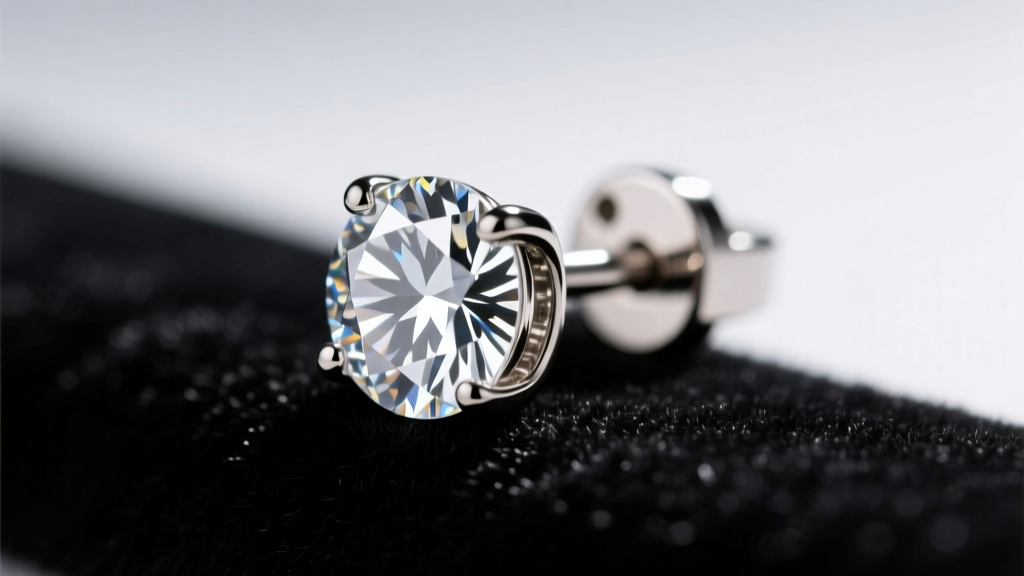
Losing a $3,000 diamond stud because of a $0.05 brass friction back is one of the most catastrophic ROI failures in personal jewelry ownership. When we discuss an earring tracker in 2026, we are no longer just talking about simple silicone stoppers. The term now encompasses a dual-layered approach to loss prevention: mechanical retention trackers (advanced secure locking backs) and digital asset trackers (Bluetooth travel tags and cloud-based insurance ledgers). As a senior appraiser and style consultant, I see countless clients heartbroken over lost heirlooms that could have been saved with a $30 mechanical upgrade or a $5 digital subscription.
Standard butterfly backs suffer from inevitable metal fatigue. The tiny prongs spread after approximately 300 to 400 insertions, losing their tension. If you wear your studs daily, that backing is structurally compromised within a year. Upgrading to a dedicated earring tracker system is not a luxury; it is an essential insurance policy for your earlobe investments.
Mechanical Earring Trackers: Secure Backs Evaluated
Mechanical trackers are engineered to grip the earring post with enough force to withstand accidental snags from hairbrushes, sweaters, and towels. However, not all secure backs are created equal. The material science of the locking mechanism dictates its lifespan and value.
Micro-Bearing Locks vs. Spring Latches
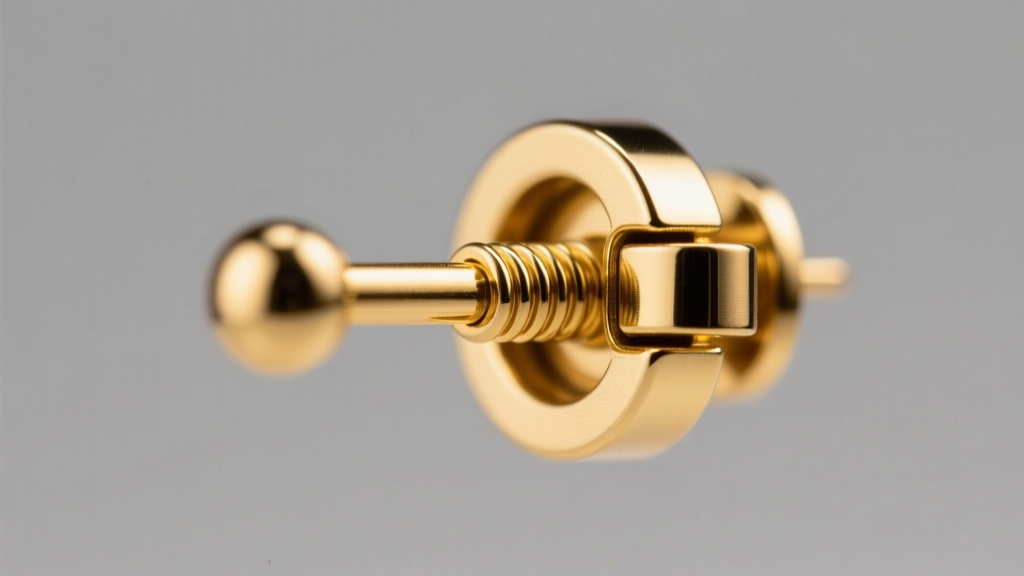
The gold standard for high-value studs (0.50ct and above) is the micro-ball bearing mechanism, popularized by brands like Chrysmela. These trackers utilize three microscopic stainless steel ball bearings inside a 316L surgical steel housing that grip the post from all sides.
- Cost: $28 - $35 per pair.
- Gauge Compatibility: Universally grips 14-gauge (1.6mm) through 20-gauge (0.8mm) posts.
- Value Assessment: Exceptional for fine jewelry. The 316L steel housing prevents allergic reactions, and the internal bearings do not suffer from the metal fatigue that plagues traditional pronged backs.
Conversely, spring-loaded latch trackers (like those from La Preciosa) use a tiny internal spring to snap a metal gate shut over a grooved post. While highly secure, they are generally limited to 18-gauge and 20-gauge posts. If you attempt to force a thicker 16-gauge cartilage post into a standard spring latch, you risk permanently damaging the internal spring mechanism.
The Problem with Silicone Friction Trackers
Silicone O-rings and bullet-clutch stoppers are the most common budget earring trackers, often sold in bulk for under $5. While they provide excellent initial friction, they are a poor long-term value for fine jewelry. Human sebum (skin oil) and cosmetic residues cause silicone to degrade, swell, and eventually tear. Furthermore, silicone traps moisture against the earlobe, creating a breeding ground for contact dermatitis in sensitive piercings. Reserve silicone trackers strictly for fashion jewelry and temporary wear.
Digital Earring Trackers: Inventory & Travel Tech
While mechanical trackers protect the earring while it is on your body, digital trackers protect your collection when it is in transit or stored in a vault. In 2026, integrating digital tracking into your jewelry routine is critical for both recovery and insurance claims.
Bluetooth Tags and Smart Jewelry Boxes
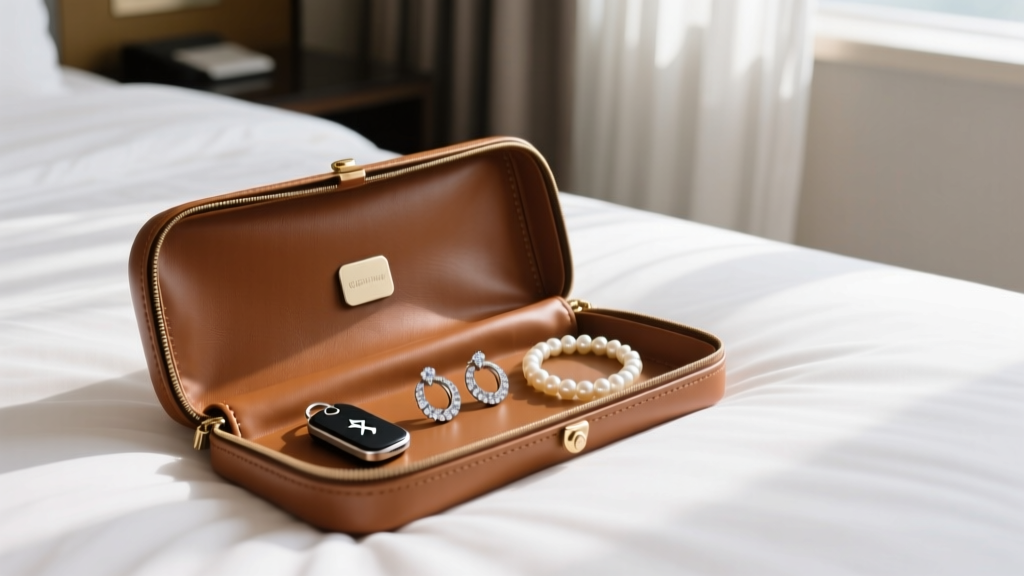
Attaching a Bluetooth tracker directly to an earring is impossible without ruining the piece, but integrating them into your travel storage is a game-changer. High-end travel rolls and hard-shell jewelry cases now feature dedicated, RFID-shielded pockets designed to house an Apple AirTag or Tile Slim.
If a travel case containing $15,000 worth of diamond hoops and drops is lost in transit, the Bluetooth network provides real-time location data. The budget for this setup is minimal (roughly $25 for the tag), but the value it provides during international travel or hotel stays is immeasurable. Some luxury safe manufacturers are even embedding passive RFID chips directly into the hinges of home jewelry safes, allowing smart-home systems to alert you if the safe door is left ajar.
App-Based Ledger Tracking for Insurance
According to Jewelers Mutual, a leading authority on jewelry insurance, a staggering number of claims are delayed or denied because the owner lacks a properly documented, up-to-date inventory. An app-based earring tracker acts as a digital ledger. Applications like JewelVault or Memento Database allow you to log the exact carat weight, metal purity, GIA grading report numbers, and current replacement appraisals for every pair of earrings you own.
As the GIA Gem Encyclopedia notes, diamond and precious metal markets fluctuate, meaning a pair of platinum diamond studs appraised in 2020 might require a 20% higher replacement value today. Digital trackers allow you to set annual reminders to update your appraisals, ensuring you are never underinsured.
Budget vs. Value: Which Tracker System Wins?
To help you allocate your jewelry maintenance budget, I have broken down the cost-to-value ratio of the most popular earring tracker systems available today.
| Tracker Type | Mechanism | Avg. Cost | Best Post Gauge | Primary Failure Mode | Value Rating |
|---|---|---|---|---|---|
| Micro-Bearing Lock | 3-point steel ball grip | $32 / pair | 14G - 20G | Sebum lockup in bearings | ★★★★★ |
| Spring Latch Back | Internal tension gate | $15 / pair | 18G - 20G | Spring fatigue / snapping | ★★★★☆ |
| Silicone Stopper | Friction compression | $3 / 50 pairs | 20G - 22G | Material degradation / tearing | ★★☆☆☆ |
| Bluetooth Travel Tag | UWB / RF Network | $25 / unit | N/A (Case level) | Battery depletion (1 yr) | ★★★★★ |
| Digital Vault App | Cloud ledger / RFID scan | $0 - $5 / mo | N/A (Inventory) | User data entry neglect | ★★★★★ |
Expert Troubleshooting: Tracker Failure Modes
Even the most expensive mechanical earring trackers can fail if not maintained. The most common issue I encounter with micro-bearing secure backs is "lockup." This occurs when microscopic dead skin cells, lotion, and sebum infiltrate the bearing housing, acting like cement.
The Fix: Never use brute force to pull a stuck secure back off a gold or platinum post; you will bend the post or rip the earring head from the laser weld. Instead, drop the entire earring (with the back still attached) into a small ultrasonic jewelry cleaner filled with warm water and a drop of mild dish soap for three minutes. If you do not own an ultrasonic cleaner, soak the assembly in 90% isopropyl alcohol for ten minutes to dissolve the lipid buildup. The bearings will release their grip, allowing the post to slide out smoothly.
For digital trackers, the primary failure mode is user neglect. A Bluetooth tag with a dead battery provides a false sense of security. Set a recurring calendar reminder every 11 months to swap the CR2032 coin cell battery in your travel case trackers.
Final Verdict for 2026
When assessing the budget and value of an earring tracker, you must match the solution to the asset. For everyday diamond or sapphire studs valued over $1,000, the $32 investment in a micro-bearing mechanical tracker is non-negotiable. It pays for itself the very first time it saves your earring from being pulled out by a cashmere scarf. For travel and high-value collections, pairing a Bluetooth-enabled travel roll with a rigorous digital inventory app ensures that whether your earrings are on your lobes, in a hotel safe, or sitting in an insurance assessor's office, they are fully protected, tracked, and accounted for.


