Why Do Earrings Turn Ear Green? Causes and Easy Fixes
Discover why earrings turn ear green, the science behind copper oxidation, and how to choose hypoallergenic metals to keep your lobes clean.

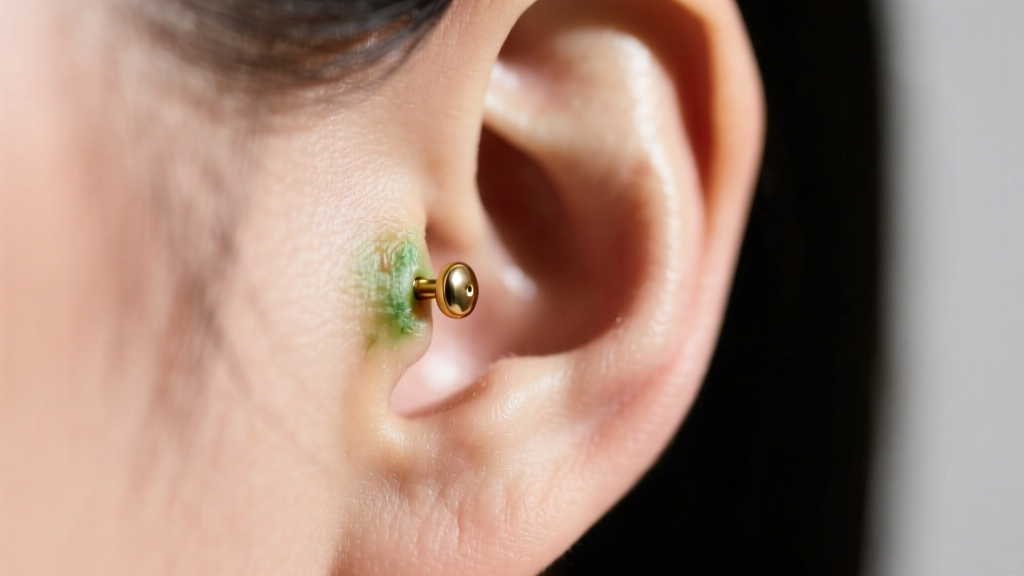
The Short Answer: Why Earrings Turn Ear Green
If you have ever taken off your favorite pair of hoop earrings or studs only to find a mysterious green ring around your piercing, you are not alone. The phenomenon of jewelry leaving a dark, oxidized stain on the skin is incredibly common, especially for beginners navigating the world of affordable fashion jewelry. The short answer is simple: copper.
Most affordable earrings are not made of solid, pure precious metals. Instead, they are crafted from base metal alloys that contain copper, or they are thinly plated over a copper-rich core. When the copper in your earrings interacts with the oxygen in the air, the natural acids in your sweat, and the chemicals in your lotions or perfumes, it undergoes a chemical reaction. This reaction produces copper salts—specifically copper chloride—which manifest as that stubborn green or blackish smudge on your earlobes.
It is important to understand that this green stain is not an allergic reaction, nor does it mean your jewelry is inherently toxic. It is purely a harmless, albeit annoying, chemical oxidation process. However, understanding the metallurgy behind your earrings is the first step toward preventing it.
The Chemistry of the Green Stain
To truly understand why earrings turn ear green, we have to look at the intersection of metallurgy and human biology. The primary culprit is the oxidation of copper alloys. When copper is exposed to moisture and chlorides (which are naturally present in human sweat), it forms copper chloride. This compound is green and easily transfers to the porous surface of your skin.
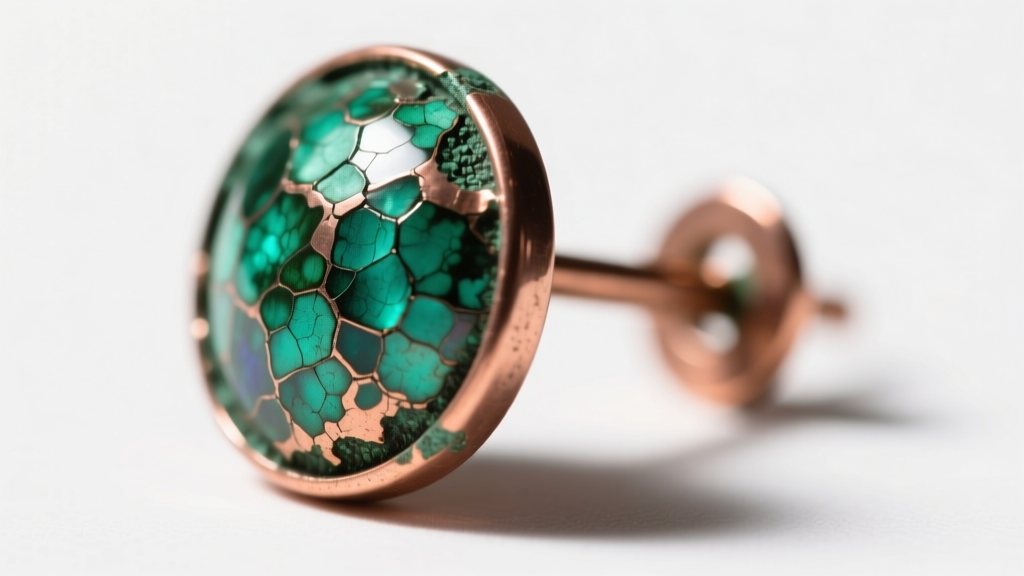
Several biological and environmental factors can accelerate this reaction:
- Skin pH Levels: The natural pH of human skin ranges from 4.7 to 5.75, making it mildly acidic. If your diet is high in acidic foods, or if you are experiencing hormonal fluctuations, your sweat may become more acidic, rapidly accelerating copper oxidation.
- Friction and Micro-Abrasions: Earring posts sit inside a fistula (the piercing channel). The constant micro-friction of the post rubbing against the healing or healed tissue wears away any protective barriers, exposing raw base metals to bodily fluids.
- Environmental Humidity: High humidity and heat increase perspiration, providing the perfect aqueous environment for copper salts to form and deposit onto the earlobe.
- Cosmetic Interference: Hairsprays, perfumes, and body lotions often contain sulfur compounds and alcohols that aggressively strip protective metal layers and react with underlying alloys.
Metal Breakdown: What Turns Green vs. What Doesn't
Not all metals are created equal. When shopping for earrings, knowing the exact alloy composition can save you from the dreaded green ear. Below is a comprehensive breakdown of common jewelry metals, their copper content, and their oxidation risk.
| Metal Type | Typical Alloy Composition | Green Stain Risk | Average Price Range (Studs) |
|---|---|---|---|
| Brass | 60-70% Copper, 30-40% Zinc | Extreme | $5 - $15 |
| Sterling Silver (925) | 92.5% Silver, 7.5% Copper | Moderate | $20 - $60 |
| 14k Yellow Gold | 58.3% Gold, ~20% Copper, Silver | Low to Moderate | $80 - $250 |
| 14k Rose Gold | 58.3% Gold, up to 25% Copper | Moderate | $80 - $250 |
| Gold Plated (Flash) | 0.01 microns of gold over Brass | High (once plating wears) | $15 - $40 |
| Implant-Grade Titanium | ASTM F136 (No copper, no nickel) | Zero | $25 - $80 |
| Niobium | Pure Niobium Element | Zero | $20 - $60 |
Note on Sterling Silver: While pure silver does not oxidize green, the 7.5% copper added to make it durable enough for jewelry (Sterling Silver) is more than enough to leave a green stain on individuals with highly acidic sweat.
How to Stop Earrings From Turning Your Ears Green
The internet is full of DIY hacks to prevent jewelry oxidation, but as a domain expert, I must separate the temporary band-aids from the permanent solutions.
The Clear Nail Polish Hack (And Why It Fails)
The most common beginner advice is to paint the earring post with clear nail polish to create a barrier between the copper and your skin. While this works for a ring band that sits on the outside of the skin, it fails miserably for earring posts. The friction of pushing the post through the earlobe acts like sandpaper, stripping the nail polish off within one to three wearings. Furthermore, trapping moisture between a chipped layer of nail polish and your piercing channel can create a breeding ground for bacteria, leading to localized infections.
Jewelry Shield Sprays
Polymer-based jewelry sprays offer a slightly more durable coating than nail polish, but they still degrade when exposed to the natural oils and sebum produced by your earlobes. They require constant reapplication and are not a viable long-term strategy.
The Real Fix: Upgrading to Biocompatible Metals
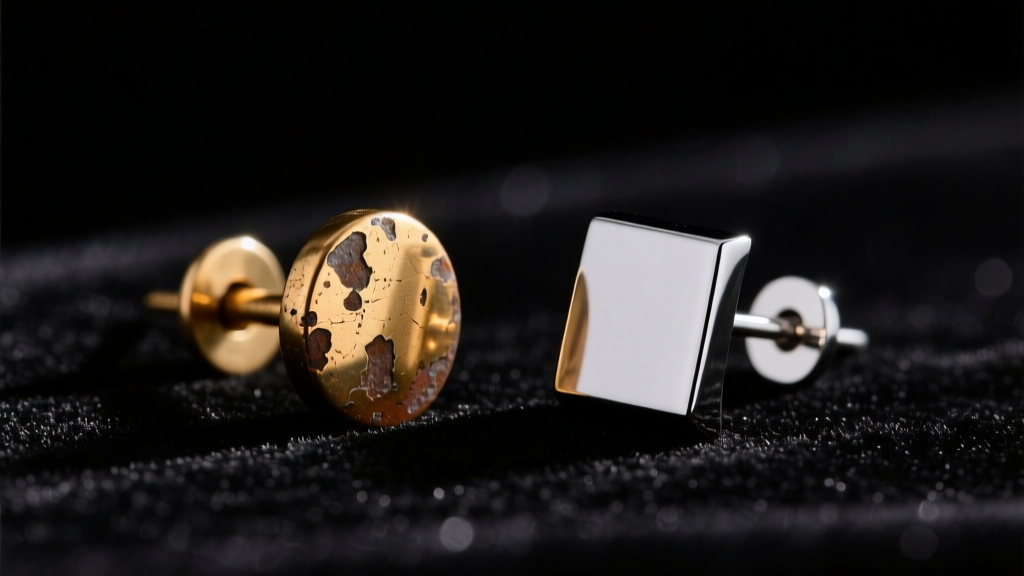
The only foolproof way to prevent your earrings from turning your ear green is to eliminate copper from the equation entirely. Upgrading to ASTM F136 Implant-Grade Titanium or pure Niobium guarantees a zero-oxidation environment. These metals are highly biocompatible, completely devoid of copper and nickel, and are the exact materials used in surgical medical implants. They will never rust, tarnish, or turn your skin green, regardless of your body chemistry.
How to Safely Remove the Green Stain
If you already have a green stain on your earlobe, do not panic and do not scrub the skin raw. The stain is sitting on the outermost layer of dead skin cells and can be dissolved easily with the right solvents.
- Isopropyl Alcohol (70% or higher): Dampen a cotton swab with rubbing alcohol and gently wipe the area. The alcohol breaks down the copper salts almost instantly. Follow up with a gentle moisturizer, as alcohol can dry out the delicate earlobe skin.
- Micellar Water or Oil-Based Makeup Remover: If your skin is sensitive or recently pierced (and thus you should avoid harsh alcohols near the fistula), an oil-based cleanser will lift the metallic salts without causing irritation.
- Lemon Juice (With Caution): The citric acid in lemon juice naturally chelates copper. However, never use this on a fresh piercing, and avoid sun exposure immediately after, as citrus oils can cause phytophotodermatitis.
Allergy vs. Oxidation: Knowing the Difference
Beginners often confuse the harmless green stain of copper oxidation with a dangerous metal allergy. It is vital to distinguish between the two to protect your long-term piercing health.
Oxidation (The Green Stain): The skin is smooth, painless, and simply discolored green or black. There is no swelling, heat, or itching. This is a chemical reaction, not a biological immune response.
Conversely, if your earlobe is red, itchy, flaky, swollen, or weeping clear fluid, you are likely experiencing Allergic Contact Dermatitis. According to the Mayo Clinic, nickel is the most common culprit for jewelry allergies, affecting roughly 18% of the population. The American Academy of Dermatology notes that once you develop a nickel allergy, it persists for life, and the only treatment is strict avoidance of nickel-bearing alloys. If you experience these symptoms, remove the jewelry immediately, clean the area with sterile saline, and switch exclusively to implant-grade titanium or solid 14k/18k yellow gold (which is typically nickel-free, unlike white gold).
Final Thoughts on Earring Care
Understanding why earrings turn ear green empowers you to make smarter purchasing decisions. While fashion jewelry made of brass or heavily copper-alloyed metals has its place for occasional, short-term wear, your everyday essentials—especially the studs and hoops that live in your piercings—should be crafted from biocompatible, copper-free metals. By investing in implant-grade titanium or solid precious metals, you protect your piercing channels from friction-induced irritation and say goodbye to the green stain forever.


