Wylder Earring Troubleshooting: Fix Fit, Weight & Care
Solve common wylder earring problems. Expert fixes for heavy lobe sagging, raw stone tarnish, thick post gauges, and clasp failures.

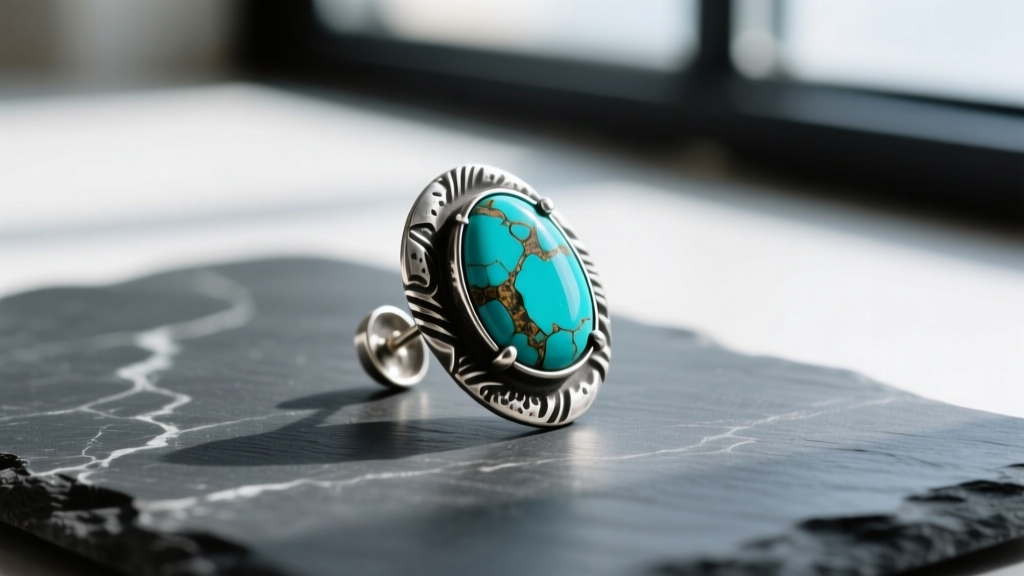
The wylder earring aesthetic has completely dominated the artisan jewelry space heading into 2026. Characterized by raw, unpolished gemstones, heavily oxidized sterling silver, mixed-metal accents, and bohemian silhouettes, these pieces are wearable art. However, the very nature of small-batch, lost-wax casting and raw stone bezel-setting introduces a unique set of structural and maintenance challenges. Unlike mass-produced commercial jewelry, a wylder earring often suffers from uneven weight distribution, non-standard post gauges, and extreme sensitivity to chemical cleaners.
If you are dealing with stretched earlobes, ruined porous stones, or posts that refuse to fit your piercings, this troubleshooting guide provides the exact technical solutions you need to salvage and maintain your collection.
The Physics of Lobe Sagging and Tear Risks
The most frequent complaint regarding the wylder earring style is excessive weight. A standard commercial stud weighs between 2 and 4 grams. In contrast, a typical artisan wylder dangle featuring a raw turquoise cabochon and a thick cast silver frame can easily weigh 14 to 22 grams. This creates a severe lever effect on the earlobe fistula, leading to the dreaded 'earlobe droop' or, worse, micro-tears in the piercing channel.
Support Discs and Silicone O-Rings
To counteract the downward pull of heavy bezel-set stones, you must distribute the friction across a wider surface area behind the earlobe. Adhesive earlobe support patches (such as BlingDots) feature a 6mm hole that allows the earring post to pass through while the medical-grade adhesive patch bears the weight of the earring against the back of your ear. For a non-adhesive alternative, stacking two 4mm silicone O-rings behind a standard butterfly back increases the friction coefficient and prevents the heavy drop from pulling the post downward at a 45-degree angle.

Solving Sterling Silver and Raw Stone Tarnish
The signature look of a wylder earring relies on the contrast between bright silver and dark, oxidized crevices. However, silver sulfide (tarnish) inevitably builds up around the raw stone settings. The critical mistake most owners make is using liquid silver dip. These solutions contain thiourea, a chemical that will permanently etch, discolor, and destroy porous gemstones.
According to the Gemological Institute of America (GIA), porous stones like turquoise and opal require strictly mechanical, non-chemical cleaning methods. Below is a troubleshooting matrix for safely removing tarnish from your wylder pieces without compromising the stones.
| Stone Material | Mohs Hardness | Porosity | Safe Cleaning Protocol |
|---|---|---|---|
| Raw Turquoise | 5.0 - 6.0 | High | Dry Sunshine polishing cloth only. Avoid all liquids. |
| Opal (Boulder) | 5.5 - 6.5 | Medium | Damp microfiber cloth. Never use ultrasonic cleaners. |
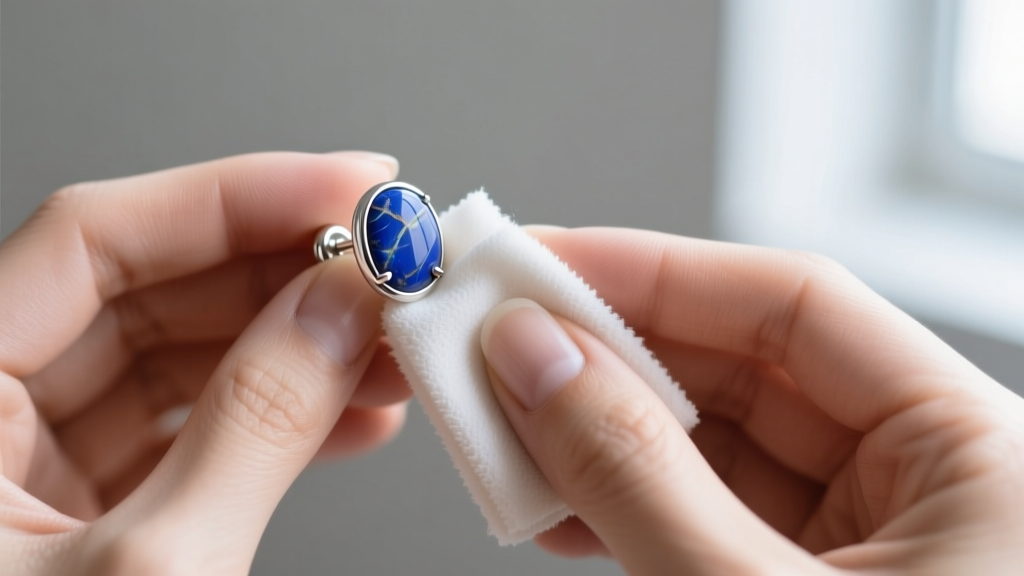
| Lapis Lazuli | 5.0 - 6.0 | High | Soft bristle brush to remove dust. Dry polish silver rim. |
| Quartz / Agate | 7.0 | Low | Mild soap, warm water, and a soft toothbrush are safe. |
For the intricate silver crevices that a cloth cannot reach, use a wooden toothpick or a soft-bristled makeup brush to gently dislodge oxidized residue without scratching the raw stone surface.
Gauge Sizing and Post Thickness Issues
Artisan jewelers often hand-carve their wax models or use thick wire for structural integrity during the casting process. As a result, the post of a wylder earring is frequently cast at 18-gauge (1.02mm) or even 16-gauge (1.29mm), rather than the industry-standard 20-gauge (0.81mm) used for lobe piercings. Forcing a thick 18G post into a healed 20G fistula causes immediate pain, micro-tearing, and potential blowouts.
Safe Stretching vs. Professional Filing
Do not attempt to file the earring post down yourself with a metal file; this removes the rhodium plating (if present), creates sharp burrs that will harbor bacteria, and compromises the structural integrity of the solder joint. Instead, refer to guidelines from the Association of Professional Piercers (APP) regarding gradual tissue stretching. If your piercing is fully healed and mature, you can safely insert a 20G-to-18G glass taper, lubricated with jojoba oil, to gently accommodate the thicker artisan post. Alternatively, take the earring to a local bench jeweler and ask them to 'swage' or draw the post down to 20G using a professional jeweler's draw plate.
Securing Heavy Drop Clasps and French Wires
Many wylder earring designs utilize traditional French wire (fishhook) clasps. When paired with a heavy, raw-stone drop, the center of gravity shifts drastically. This causes the earring to constantly swing forward, bending the delicate 0.8mm silver wire and eventually leading to the loss of the earring.
Pro-Tip: If you have a heavy wylder drop on a French wire, thread a tiny, clear silicone earring stopper onto the wire hook before inserting it into your ear. This acts as a counterweight and physical barrier, preventing the earring from sliding out during movement.
For a permanent fix, a jeweler can easily snip off the French wire and solder on a sturdy sterling silver leverback or a locking hinged hoop mechanism. This upgrade usually costs between $25 and $45, a small price to pay to secure a $200+ artisan piece.
Troubleshooting Summary Checklist
- Weight: Always use adhesive support patches for drops exceeding 10 grams.
- Cleaning: Ban liquid silver dips from your vanity; rely on dry polishing cloths and wooden picks for raw stones.
- Fit: Measure your earring posts with digital calipers. If they are 18G, use a glass taper to stretch the piercing safely.
- Security: Add silicone stoppers to French wires or upgrade to leverbacks to prevent loss.
By understanding the specific material properties and structural quirks of the wylder earring, you can preserve both your body modifications and your investment in artisan jewelry for decades to come.


