The Ultimate Yellow Earring Gift Guide: Sapphires & Gold
Discover the perfect yellow earring gift for any milestone. Compare 14k vs 18k gold, yellow sapphires, and citrine with our expert 2026 buying guide.

The Rise of the Yellow Earring in Milestone Gifting
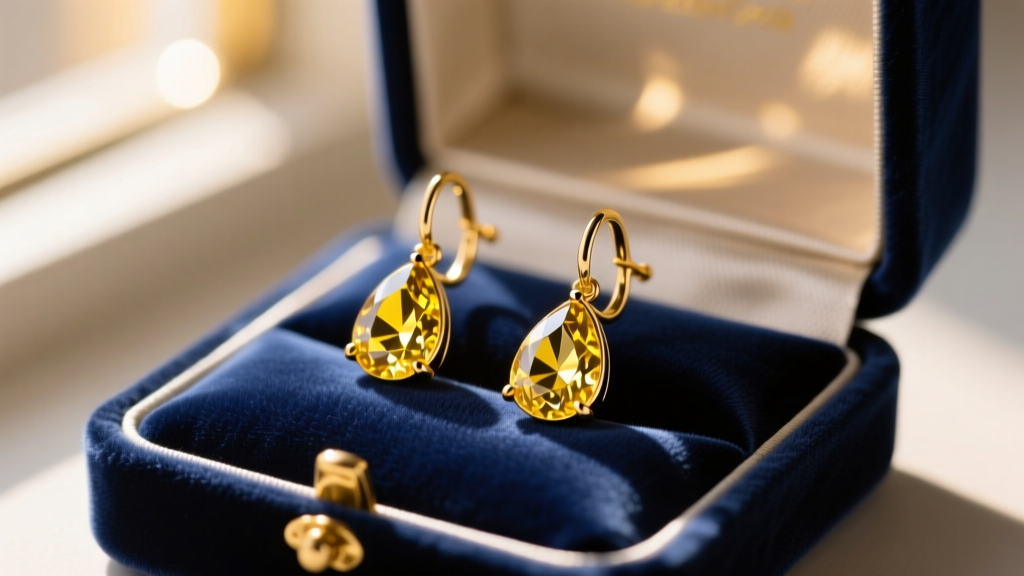
Gifting fine jewelry is an exercise in emotional translation. You are attempting to capture a relationship's warmth, history, and future trajectory in a single, wearable object. As we navigate the jewelry landscape in 2026, the yellow earring has emerged as a premier choice for milestone gifting. Unlike the traditional diamond stud or the ubiquitous white gold hoop, yellow-toned earrings—whether achieved through rich gold alloys or vibrant gemstones—project optimism, vitality, and a distinct departure from the ordinary.
However, purchasing a yellow earring as a gift requires navigating a minefield of metallurgical nuances and gemological treatments. A gift meant to celebrate a 5th anniversary or a college graduation can quickly turn into a customer service headache if the earring post bends, the gemstone chips, or the metal causes contact dermatitis. This comprehensive guide breaks down the exact specifications, material grades, and occasion-matching frameworks you need to select a flawless piece of ear jewelry.
Decoding the Metal: 14k vs. 18k Yellow Gold
When your gift relies on the metal itself for its color, understanding gold alloys is non-negotiable. Pure 24k gold is too soft for jewelry, so it is alloyed with metals like copper, silver, and zinc. The ratio of these metals dictates both the color and the structural integrity of the earring.
18k Yellow Gold (75% Pure Gold)
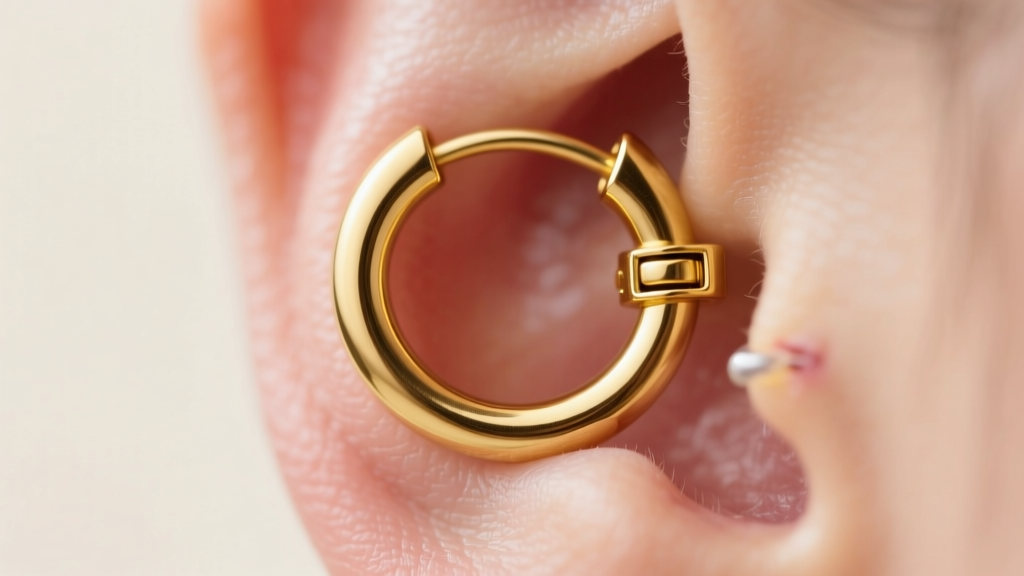
18k gold offers a deeply saturated, buttery yellow hue that is highly prized in luxury markets. However, its Vickers hardness sits around 125 HV, making it relatively soft. Expert Recommendation: 18k is ideal for huggies, hoops, and ear cuffs where the structural integrity relies on a thicker wire or hollow-tubing. It is also excellent for bezel-set studs. Avoid 18k gold for long, thin dangle earrings or delicate post-and-clutch studs, as the posts will easily bend if the recipient sleeps in them.
14k Yellow Gold (58.3% Pure Gold)
With a higher copper content, 14k gold has a slightly paler, more muted yellow tone, but its hardness jumps to approximately 160 HV. Expert Recommendation: Always choose 14k gold for friction-post studs and intricate filigree dangles. The increased durability ensures the earring post will maintain its straight alignment and securely hold the earring back over years of daily wear.
Gemstone Gifting: Yellow Sapphire vs. Citrine
If the yellow earring you are gifting features a gemstone, you are primarily choosing between yellow sapphire and citrine. The price gap and durability metrics between these two stones are massive.
Yellow Sapphire (Corundum)
Ranking at a 9 on the Mohs hardness scale, yellow sapphire is second only to diamond in scratch resistance, making it an exceptional choice for everyday wear. According to the Gemological Institute of America (GIA), buyers must be acutely aware of treatment disclosures. While heat treatment is standard and accepted, beryllium lattice diffusion is a process where colorless sapphires are heated with beryllium to artificially induce a vibrant yellow color. Diffused sapphires are significantly less valuable and must be explicitly disclosed by the retailer. When gifting for a major anniversary, insist on a GIA or AGL report confirming the stone is either unheated or only traditionally heated.
Citrine (Quartz)
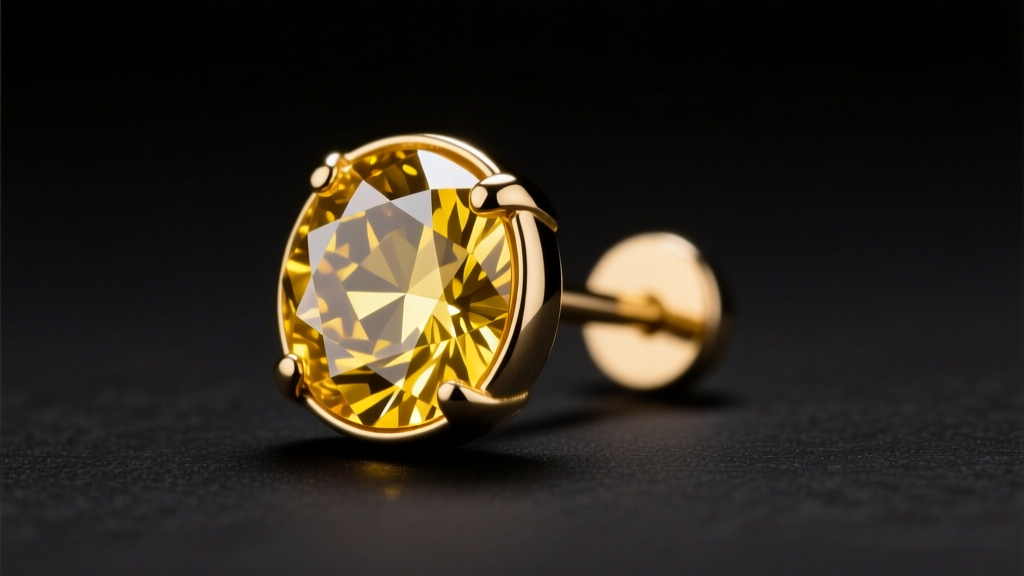
Citrine sits at a 7 on the Mohs scale. While suitable for occasional wear, it is prone to abrasion and chipping at the girdle (the widest part of the stone) if set in high, exposed prongs. Furthermore, the vast majority of citrine on the market is actually heat-treated amethyst. If you are gifting citrine, opt for a bezel or half-bezel setting to protect the stone's edges from impact against desks and doorframes.
Occasion Matching: The Gifting Framework
Matching the style and material of the earring to the specific milestone ensures the gift feels deeply considered. Use this matrix to guide your purchase.
| Milestone / Occasion | Recommended Style | Material & Gem Focus | Estimated Budget |
|---|---|---|---|
| 5th Wedding Anniversary | Drop or Dangle Earrings | 18k Gold & Yellow Sapphire | $1,200 - $4,500 |
| College Graduation | Chunky Huggies or Hoops | 14k or 18k Yellow Gold | $400 - $900 |
| 13th Wedding Anniversary | Bezel-Set Studs | Citrine & 14k Yellow Gold | $250 - $650 |
| Milestone 30th Birthday | Ear Cuffs / Helix Pieces | 16g 14k Yellow Gold | $300 - $750 |
| New Baby / Push Present | Small Screw-Back Studs | 14k Gold & Pale Yellow Diamond | $800 - $2,500 |
As noted by Jewelers of America, sapphire is the traditional gift for the 5th anniversary, while citrine is celebrated on the 13th. Aligning your gift with these traditional gemstone calendars adds a layer of historical romance to the present.
Technical Fit: Gauges, Posts, and Earring Backs
A beautiful yellow earring is useless if it physically does not fit the recipient's piercing. The jewelry industry relies on the American Wire Gauge (AWG) system, and gifting the wrong thickness can cause pain, tearing, or fistula shrinkage.
- Standard Earlobe Piercings: Typically healed at 20-gauge (0.81mm) or 18-gauge (1.02mm). Most commercial stud earrings are 20g. If the recipient wears heavy statement earrings, their lobes may be stretched to 16g.
- Cartilage / Helix Piercings: Usually pierced at 16-gauge (1.29mm) or 14-gauge (1.63mm). Never gift a 20g post for a cartilage piercing. The thin post will slide around in the larger fistula, causing irritation bumps and potential infection.
The Hardware: Upgrading the Earring Back
The unsung hero of the earring gift is the backing mechanism. Standard 'butterfly' friction backs lose their tension over time, leading to lost earrings. If you are spending over $1,000 on a yellow sapphire earring, upgrade the setting to feature La Pousette locking clutches (which operate like a camera lens cap with a push-button release) or precision screw-backs. This small hardware upgrade provides the recipient with absolute peace of mind.
Red Flags: What to Avoid When Shopping
Protect your investment by avoiding these common industry pitfalls when shopping for yellow-toned ear jewelry:
- The 'Lemon Quartz' Misnomer: Retailers often market 'lemon quartz' as a rare, distinct gemstone. In reality, this is almost always colorless quartz or pale amethyst that has been artificially irradiated and heated to produce a neon yellow-green color. It is inexpensive and should not command luxury pricing.
- Hollow-Tube Hoops: Many large, lightweight yellow gold hoops are manufactured using hollow tubing to save on metal weight. While comfortable, they are highly susceptible to denting and crushing. If gifting hoops for daily wear, look for 'solid core' or 'semi-solid' stamped wire.
- High-Set Citrine Prongs: As mentioned, citrine chips easily. Avoid 'tiffany' or four-prong settings that leave the gemstone's girdle completely exposed to lateral impacts.
Final Thoughts on the Yellow Earring
Selecting the perfect yellow earring requires looking past the display case lighting and evaluating the piece for its metallurgical soundness, gemological integrity, and anatomical fit. Whether you are opting for the rich, romantic warmth of an 18k gold huggie or the brilliant, scratch-resistant fire of a bezel-set yellow sapphire stud, prioritizing these technical details ensures your gift will be worn, cherished, and passed down for generations.


