Yurman Cable Earrings: The 2026 Authentication Guide
Master the technical details of Yurman cable earrings. Our 2026 expert guide covers hallmarks, metal grades, helix pitch, and gauge specs.

The Anatomy of the Signature Helix Twist
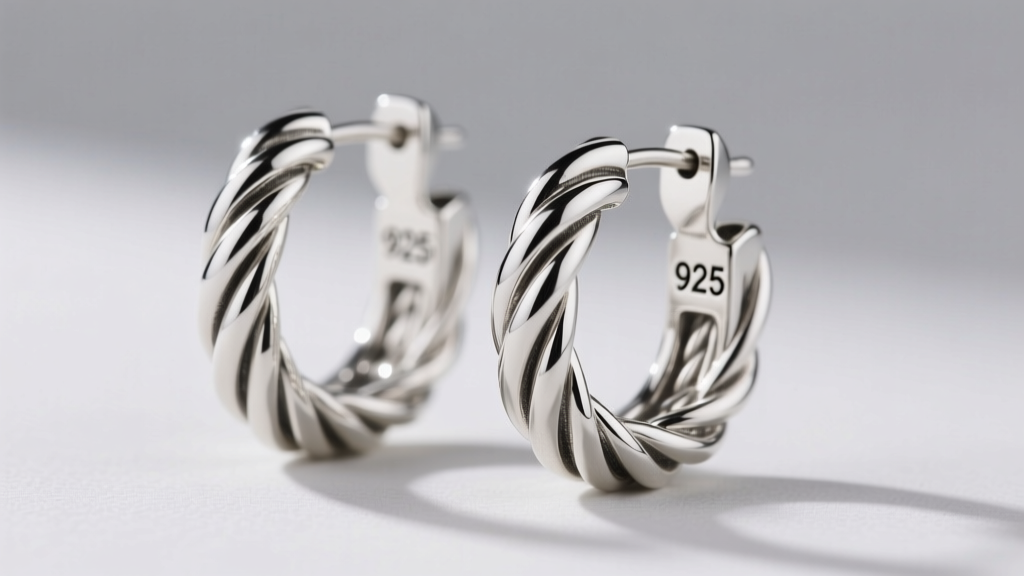
When collectors, investors, and everyday wearers search for yurman cable earrings, they are typically referencing the iconic David Yurman helix motif. However, the secondary market in 2026 is saturated with high-grade counterfeits that mimic the visual aesthetic but fail entirely on a metallurgical and structural level. To truly understand these pieces, we must look past the brand recognition and examine the engineering of the cable itself.
The authentic Yurman cable is not merely a twisted wire; it is a forged helix. The manufacturing process involves extruding a solid metal rod and then applying immense torsional pressure to create a mathematically consistent pitch. The distance between each twist (the pitch) on a genuine Classic 3mm cable is exactly uniform, measuring approximately 1.2mm per rotation. Counterfeit manufacturers typically use cheap, hollow-core wire twisted on rudimentary CNC machines, resulting in irregular gaps, micro-fractures along the ridges, and a flattened helix profile when viewed under a 10x jeweler's loupe.
Furthermore, the termination points where the cable meets the earring post or hoop hinge are critical failure points on fakes. Authentic pieces utilize precision laser welding or induction soldering that leaves no visible slag or discoloration. If you examine the joint under magnification and see porous, blob-like soldering or oxidized pitting, you are likely looking at a replica.
Metallurgy & Material Grades: Beyond Basic 925
David Yurman's material science goes beyond standard jewelry alloys. Understanding the exact composition is vital for authenticating and caring for yurman cable earrings, especially when evaluating vintage pieces from the late 1990s versus modern 2026 releases.
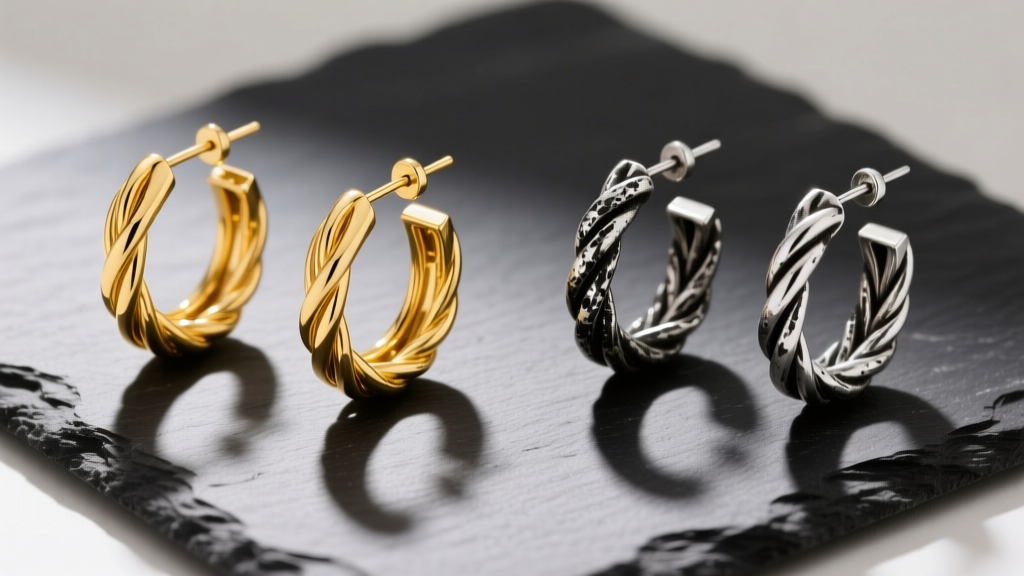
| Material Designation | Metallurgical Composition | Visual & Structural Traits | Tarnish & Wear Profile |
|---|---|---|---|
| Sterling Silver (925) | 92.5% Silver, 7.5% Copper | Bright white luster, often rhodium-plated on modern studs | Prone to sulfur-induced tarnish; requires polishing cloths |
| 18k Yellow Gold | 75% Gold, 12.5% Copper, 12.5% Silver | Warm, rich hue specific to Yurman's proprietary alloy mix | Highly resistant to tarnish; scratches show as bright gold |
| Mixed Metals (Vermeil) | Sterling core with thick 18k/14k gold plating | Two-tone aesthetic, gold layered over silver cable twists | Plating wears on high-friction ridges over 5-10 years |
| Oxidized Sterling | 92.5% Silver treated with liver of sulfur | Darkened crevices highlighting the helix ridges | Oxidation wears off on contact points; easily restored |
According to the Gemological Institute of America (GIA), sterling silver must contain exactly 92.5% pure silver. However, Yurman often applies a micro-thin layer of rhodium or platinum over their silver pieces to delay oxidation. Fakes often skip this step, meaning a brand-new counterfeit will tarnish within weeks of exposure to ambient humidity and skin oils, whereas an authentic pair will remain bright for years with minimal maintenance.
Hallmark Forensics: Spotting the Fakes
The hallmark is the most scrutinized element of any luxury jewelry piece, but counterfeiters have become adept at copying stamps. The key to authenticating yurman cable earrings lies in the execution of the hallmark, not just its presence.
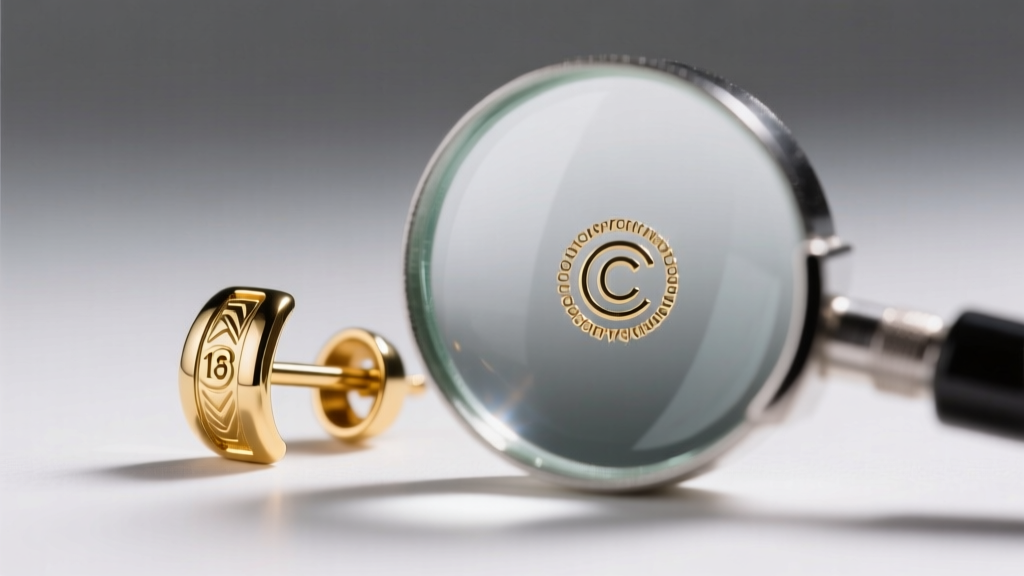
- The Copyright Symbol (©): This is the most frequently botched element. On genuine pieces, the © is micro-engraved with a perfectly circular border and a centered 'C'. Fakes often use a stamped 'C' inside an irregular, oval-shaped ring, or omit it entirely due to the cost of precision tooling.
- Font and Kerning: The 'D. YURMAN' or 'DAVID YURMAN' stamp uses a proprietary, clean sans-serif font. The kerning (spacing between letters) is mathematically even. Replicas often feature bled ink, uneven spacing, or a serif font that mimics standard jewelry stamps rather than the brand's specific typeface.
- Stamp Depth and Polish: Authentic hallmarks are stamped into the raw metal before the final polishing stage. This means the edges of the letters will be slightly softened and flush with the surrounding metal. If the stamp looks laser-sharp, raised, or stamped over a highly polished surface (creating a microscopic trench around the letters), it is a red flag for a post-production fake.
- Patent Numbers: Vintage pieces from the 1980s and 1990s may include specific patent numbers (e.g., PAT. 4,574,582 for the original cable design). Cross-referencing these numbers with the US Patent and Trademark Office database is a definitive way to verify older estate finds.
Gauge, Weight, and Ergonomic Engineering
The physical comfort of an earring is dictated by its gauge (thickness of the post) and weight distribution. Because the solid metal cable motif is inherently heavy, structural integrity is paramount to prevent earlobe tearing or post bending.
For stud variations, authentic yurman cable earrings typically utilize 18-gauge (1.02mm) or 19-gauge (0.91mm) posts. This is thicker than the industry-standard 20-gauge or 22-gauge posts found in mall-brand jewelry. The thicker post is required to support the cantilevered weight of the cable ends, which can weigh between 3 to 6 grams per earring depending on whether they are the Petite (2mm), Classic (3mm), or Chunky (5mm) variations.
When evaluating hoop styles, the hinge mechanism is a masterclass in micro-engineering. Authentic Yurman hoops use a concealed, spring-loaded omega clip or a precision-machined barrel hinge. The tension on a genuine omega clip is calibrated to require a firm, deliberate snap to close, ensuring it will not pop open if caught on a sweater. Counterfeit hoops often use weak, stamped-metal friction clasps that loosen within months of daily wear. Furthermore, the post on a genuine hoop is often flattened or grooved at the insertion point to lock securely into the clasp housing, preventing the dreaded 'spinning' that causes the earring to hang crookedly on the ear.
2026 Market Valuations & Investment Retention
As we navigate the 2026 luxury resale market, yurman cable earrings remain a highly liquid asset, provided they are authenticated and complete with original friction backs or clips. The brand's pricing strategy has shifted toward aggressive annual increases, making well-preserved secondary market pieces highly desirable.
Here is a breakdown of the current 2026 valuation tiers for authenticated, pre-owned pieces in excellent condition:
- Petite Sterling Studs (2mm, no gems): $220 - $280 (Retail equivalent: $350+)
- Classic Mixed Metal Hoops (3mm, 1.5 inch): $850 - $1,100 (Retail equivalent: $1,400+)
- 18k Gold Cable Drops with Pavé Diamonds: $3,200 - $4,500 (Highly dependent on diamond clarity and total carat weight)
When purchasing from third-party vendors or estate sales, always demand high-resolution macro photography of the hallmark, the cable pitch, and the post gauge. According to David Yurman's official care guidelines, unauthorized repairs or re-plating by third-party jewelers can void the structural integrity of the piece and significantly diminish its resale value. Always seek out certified horology and jewelry appraisers who specialize in luxury brand forensics before making high-ticket acquisitions.
Final Technical Takeaways
Authenticating yurman cable earrings requires moving beyond superficial visual checks. By analyzing the helix pitch, verifying the micro-engraving of the copyright symbol, measuring the post gauge, and understanding the specific metallurgical alloys used by the brand, you can confidently navigate the primary and secondary markets. True luxury lies in the microscopic details, and the Yurman cable motif remains a benchmark for precision jewelry engineering.


