Zuni Bear Earrings: A Collector's Value & Budget Guide
Discover how to assess the value of authentic Zuni bear earrings. Learn pricing tiers, hallmark identification, and budget tips for collectors.

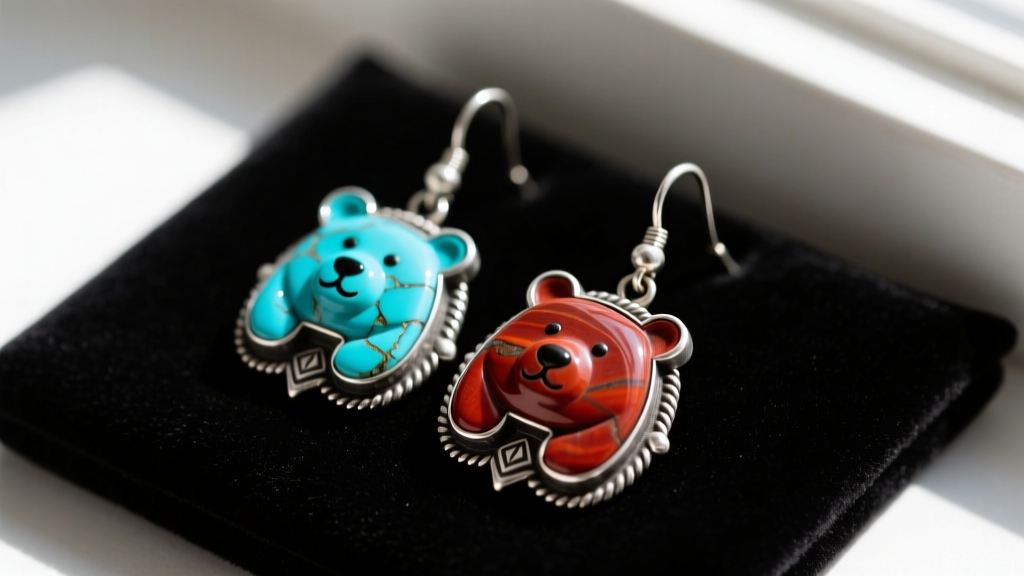
When it comes to Native American jewelry, few pieces carry the profound cultural resonance and artistic intricacy of Zuni fetish carvings. Among these, the bear is a paramount figure, and Zuni bear earrings represent a unique intersection of traditional lapidary art and modern wearable fashion. As we navigate the 2026 vintage and contemporary Native American jewelry market, the scarcity of closed-mine turquoise and the rising demand for authentic, hallmarked pieces have significantly shifted the value landscape. Whether you are a seasoned collector or a first-time buyer looking for a meaningful accessory, understanding the budget and value assessment of these earrings is critical to avoiding overpriced imitations and securing genuine artistry.
The Cultural and Artistic Weight of the Zuni Bear Fetish
In Zuni cosmology, fetishes (or A:shiwi) are not merely decorative; they are spiritual conduits. The bear, representing the West and the color blue, is revered for its healing power, strength, and protective qualities. Traditionally, these carvings were kept in pottery jars and fed with cornmeal. The adaptation of the bear fetish into sterling silver earrings is a mid-20th-century innovation that allowed Zuni artisans to share their culture while sustaining their local economy. According to the Smithsonian National Museum of the American Indian, the commercialization of Zuni jewelry in the 1970s and 80s led to an explosion of intricate inlay and overlay techniques that define the high-end market today.
Decoding the Anatomy and Materials: What Drives the Price?
The value of Zuni bear earrings is dictated by three primary factors: the quality of the stone, the complexity of the silverwork, and the anatomical detail of the carving itself.
Stone Selection and Matrix Quality
Authentic Zuni carvers utilize a specific palette of natural materials. The most prized is Sleeping Beauty turquoise, known for its uniform, robin's-egg blue color and lack of matrix. Because the Sleeping Beauty mine closed in 2012, genuine stones command a massive premium in 2026. Other highly valued stones include Kingman turquoise (deep blue with black pyrite matrix), red Mediterranean coral, Mother of Pearl, and black jet. Budget pieces often utilize lighter, chalkier turquoise that has been stabilized with resin, which drastically lowers the collector value.
Silver Purity and Overlay Techniques
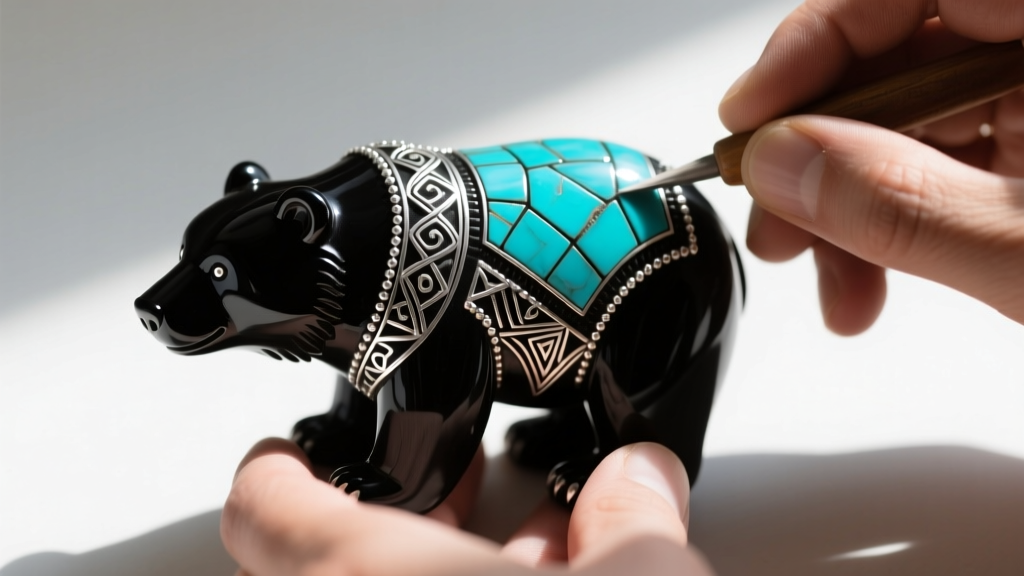
High-value earrings feature heavy, solid sterling silver (925) bezels and intricate 'shadow box' or silver overlay work. The bear's 'heartline'—a delicate silver or stone inlay running from the mouth to the heart area—is a hallmark of a master carver. Mass-produced fakes often stamp the heartline or omit it entirely.
The Authenticity Trap: Spotting Mass-Produced Imitations
The market is flooded with imported knockoffs that mimic the Zuni style. The Indian Arts and Crafts Board strictly enforces the Indian Arts and Crafts Act of 1990, making it illegal to sell non-Native made goods as Native American. However, online marketplaces remain rife with mislabeled items. Here is a rapid-authentication checklist:
- Symmetry Check: Hand-carved Zuni bears are never perfectly symmetrical. If the left and right sides are mirror images, it is likely machine-milled.
- Stone Temperature: Genuine jet and turquoise feel cold to the touch and take time to warm up. Dyed howlite or plastic resins warm instantly.
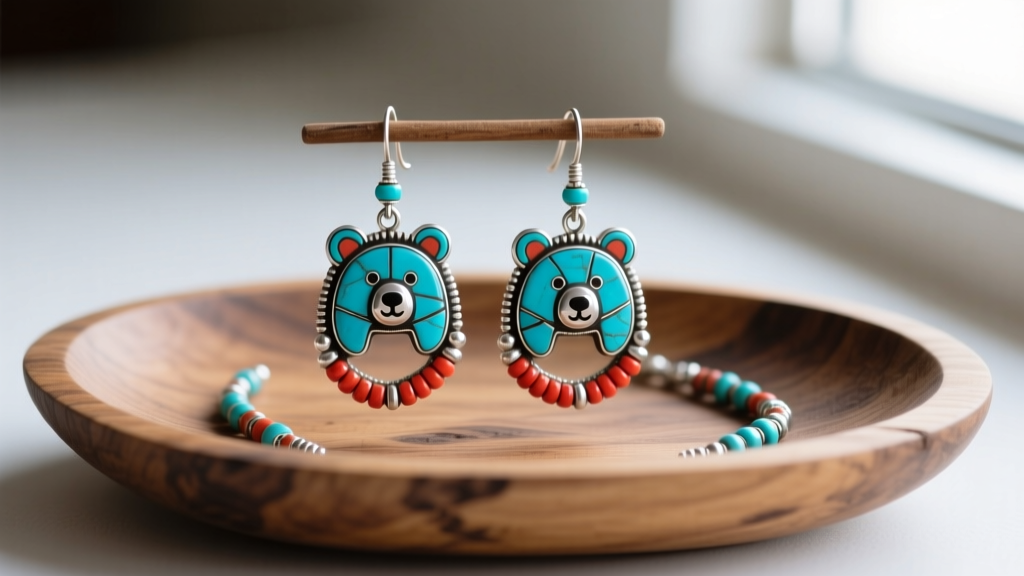
- The Heishi Backing: Authentic dangle earrings often feature a backing of hand-rolled sterling silver or turquoise heishi beads between the bear and the ear wire. Fakes use cheap metal spacers.
- Glue Marks: Master Zuni lapidaries use precise, invisible epoxy settings. Visible, cloudy glue seeping from the bezel is a red flag for low-tier assembly.
Pricing Tiers: Budget, Mid-Range, and Investment Pieces
To help you allocate your budget effectively, we have categorized the current market rates for authentic Zuni bear earrings based on materials, size, and artist recognition.
| Value Tier | Price Range (2026) | Materials & Characteristics | Best For |
|---|---|---|---|
| Budget / Entry | $60 - $150 | Small studs, single stone (e.g., standard turquoise or pipestone), minimal silverwork, unmarked or lesser-known contemporary carvers. | Everyday wear, first-time buyers, gift-giving. |
| Mid-Range | $180 - $450 | Dangle styles with sterling heishi drops, multi-stone inlay (coral, jet, MOP), recognized family hallmarks, 18g-20g silver wires. | Active collectors, statement piece seekers, cultural appreciation. |
| Investment / Master | $500 - $1,500+ | Large statement dangles, rare closed-mine turquoise (Lander Blue, high-grade Sleeping Beauty), master carver hallmarks, vintage 1970s-80s pieces. | Serious investors, museum-grade collectors, heirloom acquisitions. |
Hallmarks to Hunt: Notable Zuni Carving Families
In the Zuni tradition, carving is often a multi-generational family enterprise. Identifying the hallmark stamped into the sterling silver backing can instantly elevate the value of the earrings. When browsing estate sales or reputable galleries, look for these notable family names:
- The Quam Family: Artists like Eldridge Quam and Andrew Quam are legendary for their precise, lifelike animal fetishes and exceptional stone selection.
- The Bica Family: Known for innovative use of pipestone and intricate silver inlay work on the bear's back.
- The Laiwakete Family: Masters of the traditional pocket fetish style adapted beautifully into heavy, durable earring settings.
For further verification of hallmarks and artist biographies, the Indian Arts and Crafts Association maintains excellent resources and directories for vetting authentic Native American artisans.
Wearability and Care: Preserving Your Investment
Zuni bear dangle earrings can be surprisingly heavy, often weighing between 15 to 30 grams per ear due to the density of the stone and the gauge of the silver. Standard 22-gauge French hooks will bend under this weight and can stretch the earlobe over time. When assessing value, check the ear wire: high-quality pieces will utilize 18-gauge or 19-gauge sterling silver leverbacks or heavy French hooks to support the carving safely. If you purchase heavier dangles, invest in silicone earring support patches (like Lobe Wonder) to distribute the weight and prevent lobe tearing.
Expert Care Tip: Never use ultrasonic jewelry cleaners or chemical silver dips on Zuni bear earrings. The porous nature of turquoise and the softness of pipestone and coral will absorb the chemicals, leading to irreversible discoloration and stone degradation. Instead, use a dry, untreated microfiber silver polishing cloth to gently buff the sterling silver, avoiding direct friction on the stone inlays to preserve their natural patina.
Ultimately, purchasing Zuni bear earrings is an investment in living history. By prioritizing authentic materials, verifying hallmarks, and understanding the structural requirements of heavy stone jewelry, you can build a collection that holds both profound cultural value and robust financial worth in today's market.


