Artifex Fine Jewelry Engagement Rings: Troubleshooting Guide
Expert troubleshooting for Artifex Fine Jewelry engagement rings. Learn how to fix resizing issues, protect alternative gems, and clean textured bands.

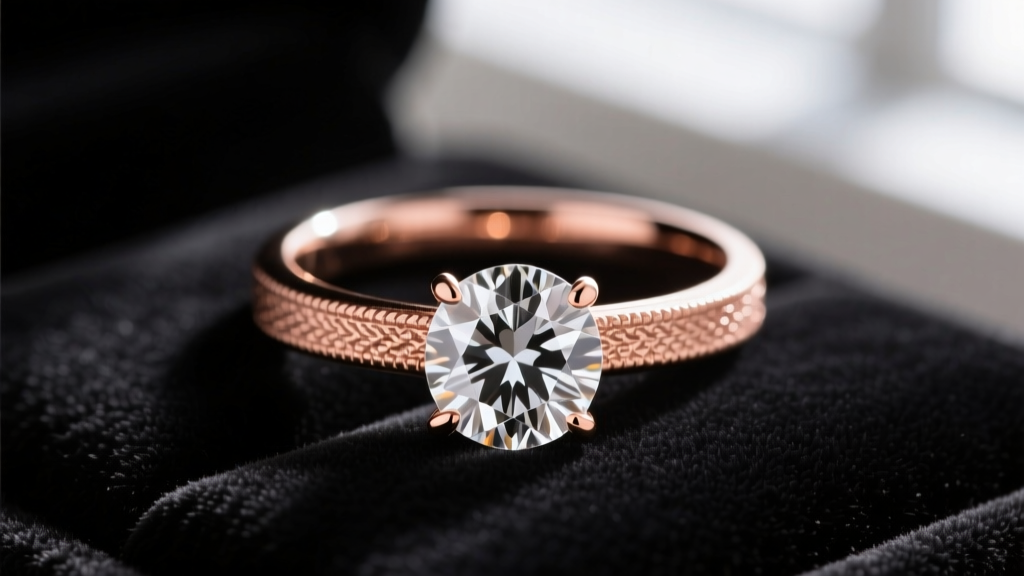
Artifex Fine Jewelry engagement rings are highly sought after for their bespoke, nature-inspired, and alternative aesthetics. From intricate milgrain detailing and carved shanks to the use of raw, uncut, or salt-and-pepper gemstones, these pieces are wearable art. However, the very design elements that make these rings unique also introduce specific maintenance and structural challenges. Standard commercial ring care advice often falls short when applied to heavily textured bands or included alternative stones.
As we navigate the 2026 landscape of fine jewelry maintenance, bench jewelers are seeing a rise in repair requests for boutique and custom-made rings. This comprehensive troubleshooting guide addresses the most common structural, material, and gemological issues owners face with Artifex Fine Jewelry engagement rings, providing actionable, expert-level solutions to preserve your investment.
Solving the Sizing Dilemma in Carved and Textured Shank Designs
One of the most frequent issues owners encounter is the need to resize their ring due to seasonal finger swelling or long-term weight fluctuations. Standard ring sizing involves cutting the shank, adding or removing metal, and soldering it back together. For Artifex rings featuring continuous nature-inspired carvings, branch motifs, or eternity-style pavé wrapping, traditional soldering will destroy the pattern continuity, leaving a visible, smooth 'dead zone' on the band.
Laser Welding vs. Traditional Soldering
If your ring must be cut, insist on laser welding rather than traditional torch soldering. Laser welders use highly focused light to fuse metal at a microscopic level, allowing a master bench jeweler to carve and re-texture the sizing joint to match the surrounding shank. While traditional sizing costs around $45 to $80, laser welding and subsequent re-texturing by a master jeweler typically ranges from $150 to $250 depending on the complexity of the carving.
The Sizing Bead Alternative
If your ring is only slightly too large (usually a quarter to a half-size) and spins on your finger, avoid cutting the band entirely. Instead, have a jeweler install sizing beads (also known as speed bumps or comfort beads). These are two small 14k or 18k gold domes soldered to the inside bottom of the shank. They grip the finger, preventing the top-heavy gemstone from spinning, while completely preserving the exterior carved artwork. This procedure generally costs between $40 and $75.
Troubleshooting Alternative Gemstone Durability and Prong Wear
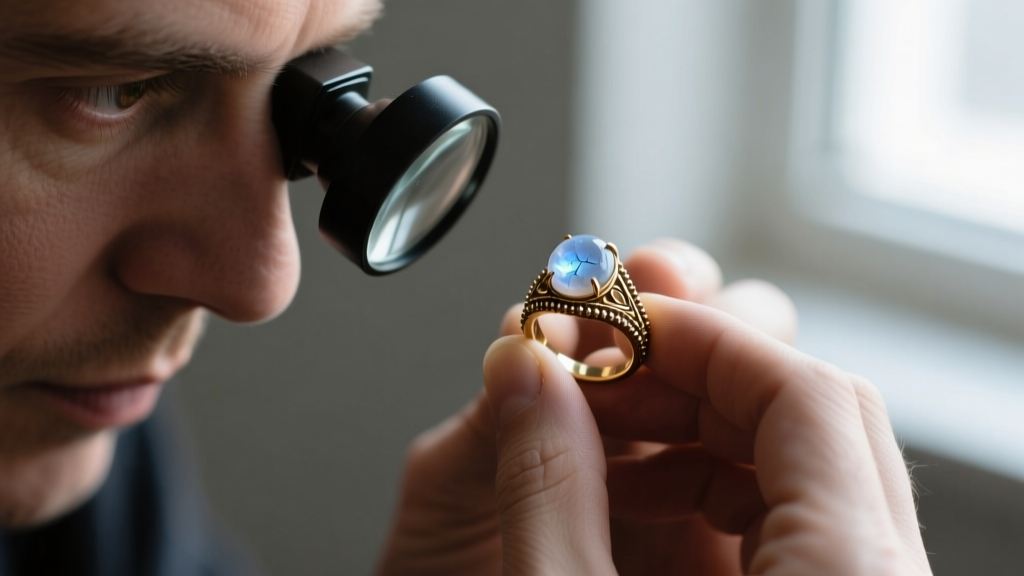
Artifex frequently utilizes non-traditional center stones, such as salt-and-pepper diamonds, Montana sapphires, moonstones, and raw emeralds. While beautiful, these stones require specialized troubleshooting when it comes to setting security and daily wear.
The Hidden Dangers of Salt-and-Pepper Diamonds
It is a common misconception that because a salt-and-pepper diamond ranks a 10 on the Mohs hardness scale, it is indestructible. Hardness dictates scratch resistance, but toughness dictates resistance to chipping and breaking. Salt-and-pepper diamonds are heavily included with graphite and other mineral formations. These inclusions create internal fault lines (cleavage planes). A hard knock against a granite countertop can cause the stone to cleave or fracture along these inclusions. If your stone develops a surface-reaching fissure, immediately apply a piece of clear tape over the stone to hold it together and bring it to a jeweler for a bezel-setting conversion or structural epoxy stabilization.
Prong Re-Tipping on Delicate Settings
Intricate, claw-style prongs often used in celestial or botanical designs are prone to catching on textiles. If a prong lifts, do not attempt to push it back down with pliers; this can work-harden the metal and cause it to snap. According to Jewelers of America care guidelines, prongs should be professionally inspected every six months. Re-tipping a worn prong involves laser-welding new metal to the tip and re-shaping it over the stone's girdle, costing roughly $35 to $65 per prong.
Metal Patina, Oxidation, and Finish Troubleshooting
The alloy composition and surface finishes used in custom jewelry dictate how the ring ages. Artifex designs often feature 14k rose gold, oxidized silver accents, or matte-brushed white gold. Troubleshooting these finishes requires specific chemical knowledge.
| Metal / Finish | The Problem | Root Cause | Professional Fix & Cost |
|---|---|---|---|
| 14k Rose Gold | Darkening or reddish-black tarnish in crevices | High copper content (approx. 20%) reacting to sulfur and skin acidity. | Professional ultrasonic cleaning and light polishing ($30-$50). |
| 14k White Gold | Yellowing of the band over time | Wear of the rhodium plating, revealing the naturally yellowish white-gold alloy beneath. | Re-rhodium plating. Requires polishing and electroplating ($60-$120). |
| Oxidized / Blackened Silver | Black patina rubbing off on high-contact areas | Intentional liver-of-sulfur oxidation is a surface treatment, not a permanent dye. | Re-oxidation and selective polishing by a bench jeweler ($40-$80). |
| Matte / Brushed Gold | Shiny spots appearing on a dull band | Friction from daily wear naturally burnishes and polishes the microscopic grooves. | Re-sanding with specialized abrasive papers to restore the matte texture ($25-$45). |
For rings with intentional oxidation (blackened recesses to highlight carved details), never use commercial silver dip solutions or harsh polishing cloths. These will strip the dark patina from the crevices, flattening the visual depth of the design. Instead, use a mild dish soap and a soft brush, avoiding the recessed areas entirely.
Safe Cleaning Protocols for Textured and Pavé Settings
Dirt, lotion, and dead skin cells easily become trapped in the milgrain edges, carved leaves, and micro-pavé settings characteristic of Artifex rings. This buildup not only dulls the sparkle of the diamonds but can also harbor bacteria and accelerate metal corrosion.
The Ultrasonic Cleaner Warning
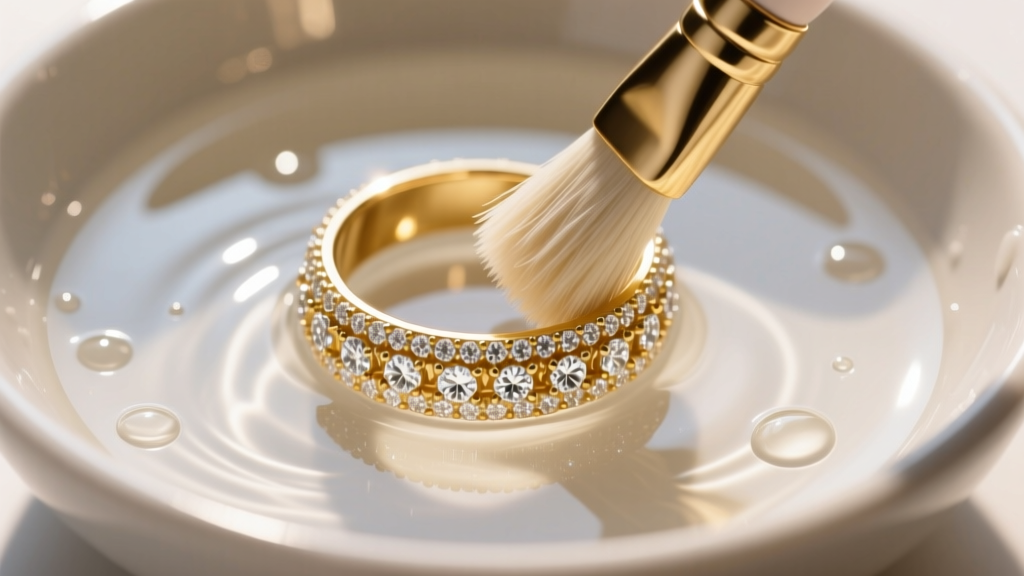
While ultrasonic cleaners are excellent for plain diamond solitaires, they are highly dangerous for many Artifex-style rings. The high-frequency sound waves create microscopic cavitation bubbles that implode with intense localized force. As noted in GIA's diamond quality factors and gemological care resources, this vibration can easily shatter included stones like salt-and-pepper diamonds, fracture emeralds, and shake loose micro-pavé diamonds that are set in delicate, textured wax-carved bands.
The Expert DIY Cleaning Method
To safely troubleshoot a dull, dirty ring at home, follow this bench-jeweler-approved protocol:
- The Solution: Mix warm (not hot) distilled water with a few drops of ammonia-free, mild dish soap (like Dawn). Avoid soaps with heavy moisturizers, which leave a film.
- The Soak: Let the ring sit in the solution for 15 to 20 minutes to soften hardened lotions and sebum.
- The Agitation: Use an extra-soft baby toothbrush. Brush gently in circular motions, paying special attention to the gallery (the underside of the setting) where the most grime accumulates.
- The Rinse: Rinse under a gentle stream of lukewarm water. Crucial: Always place a stopper in the sink drain before handling the ring.
- The Dry: Do not use paper towels or tissues, as the wood fibers can snag on micro-prongs. Use a lint-free microfiber cloth or a hairdryer on the 'cool' setting to blow water out of the pavé crevices.
When to Seek Professional Bench Jeweler Intervention
While routine cleaning and careful wear can prevent most issues, certain warning signs require immediate professional intervention to prevent catastrophic loss of a center stone or permanent damage to the band.
Stop wearing your ring and visit a jeweler immediately if you notice:
- A 'Clicking' Sound: If you shake your hand near your ear and hear a faint clicking, the center stone is loose in its setting. The prongs have worn down or bent, and the stone is at imminent risk of falling out.
- Visible Metal Fatigue: If the shank of the ring feels thin, or you see a hairline crack on the inside of the band (especially near the sizing joint), the metal is suffering from structural fatigue and needs to be re-shanked.
- Bent Shank: If the ring is no longer perfectly round, the structural integrity of the setting is compromised. A bent ring pulls prongs away from the gemstone's girdle, creating gaps where the stone can escape.
Owning an intricately designed engagement ring from a custom maker like Artifex is a privilege that requires a proactive approach to maintenance. By understanding the specific metallurgical and gemological vulnerabilities of your piece, you can troubleshoot issues before they become permanent, ensuring your bespoke ring remains a flawless heirloom for generations to come.