The Beginner's Guide to Buying and Wearing Brass Ring Jewelry
Discover everything about brass ring jewelry, from alloy types and preventing green skin to polishing tips and styling your first brass band.

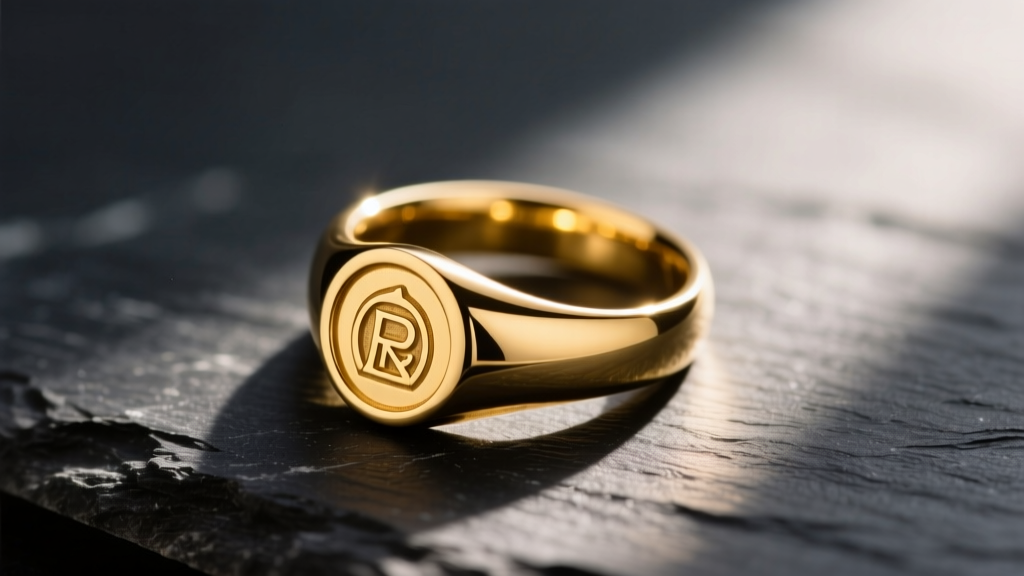
Brass ring jewelry has experienced a massive renaissance in recent years, celebrated for its warm, golden hue, historical significance, and accessible price point. For beginners stepping away from standard sterling silver or gold-plated accessories, brass offers a uniquely tactile and organic wearing experience. However, brass is a reactive alloy that demands a specific understanding of its metallurgical quirks. If you have ever hesitated to buy a brass ring because you were afraid of the infamous "green finger" effect, or if you simply do not know how to care for it, this comprehensive guide will demystify the material. We will explore the exact alloy compositions, the science behind skin discoloration, and actionable maintenance routines to keep your collection looking pristine or perfectly antiqued.
What Exactly is Brass? The Metallurgy Basics
At its core, brass is not a pure elemental metal; it is an alloy primarily composed of copper (Cu) and zinc (Zn). Pure copper is far too soft and malleable for everyday jewelry wear—it would bend and scratch within hours. By introducing zinc, metallurgists create a material that is significantly harder, more durable, and capable of holding intricate cast details. According to the GIA Gem Encyclopedia, the exact ratio of copper to zinc dictates the color, malleability, and reactivity of the final piece.
When shopping for brass ring jewelry, you will generally encounter three distinct alloy variations. Understanding these will help you predict how the ring will look and react to your skin over time.
| Alloy Type | Composition | Color Profile | Reactivity & Best Use |
|---|---|---|---|
| Yellow Brass | ~67% Cu, 33% Zn | Bright, pale gold | Highly reactive; prone to rapid oxidation and green skin. |
| Red Brass (Jeweler's Bronze) | ~85% Cu, 15% Zn | Deep, rosy gold | Lower reactivity; slower patina development, better for sensitive skin. |
| Cartridge Brass | ~70% Cu, 30% Zn | Rich, standard gold | Excellent cold-working properties; ideal for intricate stamped bands. |
The "Green Finger" Phenomenon Explained
Let us address the most common deterrent for beginners: the green tint left on the skin. Many mistakenly believe that a green finger indicates "fake" or cheap jewelry. In reality, it is a sign that your ring contains genuine copper. When the copper in the brass alloy comes into contact with the natural acids, salts, and moisture in your sweat, a chemical reaction occurs. This produces copper chloride and copper carbonate, which are green compounds that easily rub off onto the epidermis.
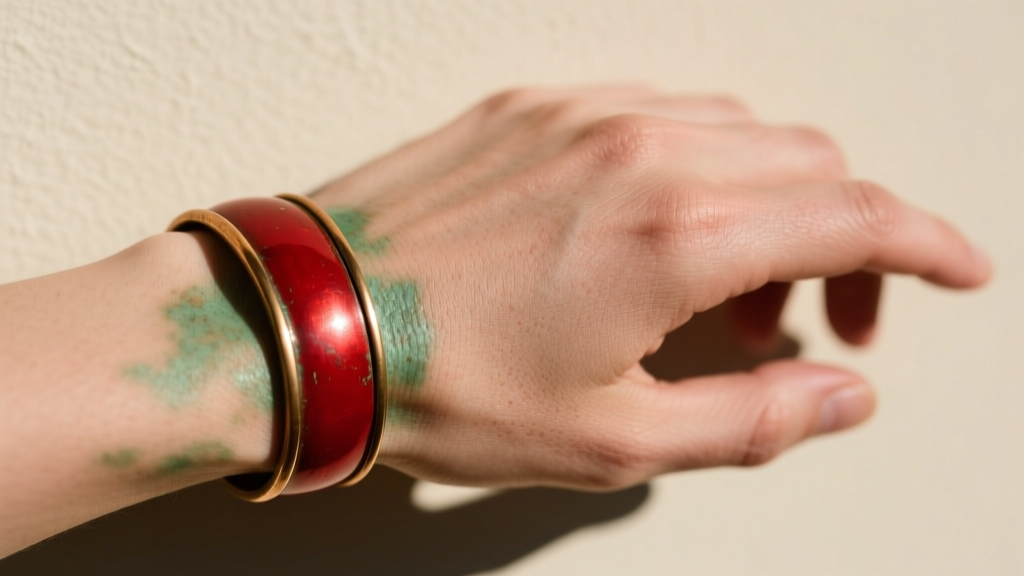
Expert Insight: The pH level of your skin dictates how quickly a brass ring will oxidize. Individuals with highly acidic sweat (often influenced by diet, hydration, or hormonal changes) will experience rapid discoloration, while those with neutral skin pH may wear the exact same ring for years without a single green mark.
It is crucial to note that this reaction is entirely harmless. It is not an allergic reaction (like a nickel allergy), nor is it toxic. It simply washes off with soap and water. However, if you find the aesthetic unappealing, there are proven methods to create a barrier between the metal and your skin.
Proven Methods to Prevent Skin Discoloration
If you want to enjoy the look of brass ring jewelry without the botanical side effects on your hands, you must seal the metal. Here are the most effective, beginner-friendly barrier methods, ranked by longevity:
- Micro-Crystalline Wax (Best Overall): Products like Renaissance Wax form a hard, invisible, non-yellowing barrier. Apply a thin layer with a microfiber cloth, let it dry for 10 minutes, and buff it. Reapply every 2-3 weeks depending on wear.
- Professional E-Coating (Most Permanent): Many modern artisan jewelers now offer electrophoretic coating. This microscopic clear polymer layer is baked onto the brass, preventing oxidation for years. Always check product descriptions for "e-coated" or "lacquered" finishes if you want a zero-maintenance ring.
- Clear Nail Polish (The Quick Fix): Painting the inner band with clear enamel polish works in a pinch, but it is not recommended for long-term wear. The polish will inevitably chip, flake, and trap moisture against the skin, which can actually accelerate localized corrosion.
- Rhodium Flashing: Some high-end designers plate their brass rings in rhodium (a platinum group metal). This provides a brilliant, tarnish-proof white-gold finish, though it defeats the purpose of buying brass for its natural golden color.
Embracing the Patina vs. Keeping it Polished
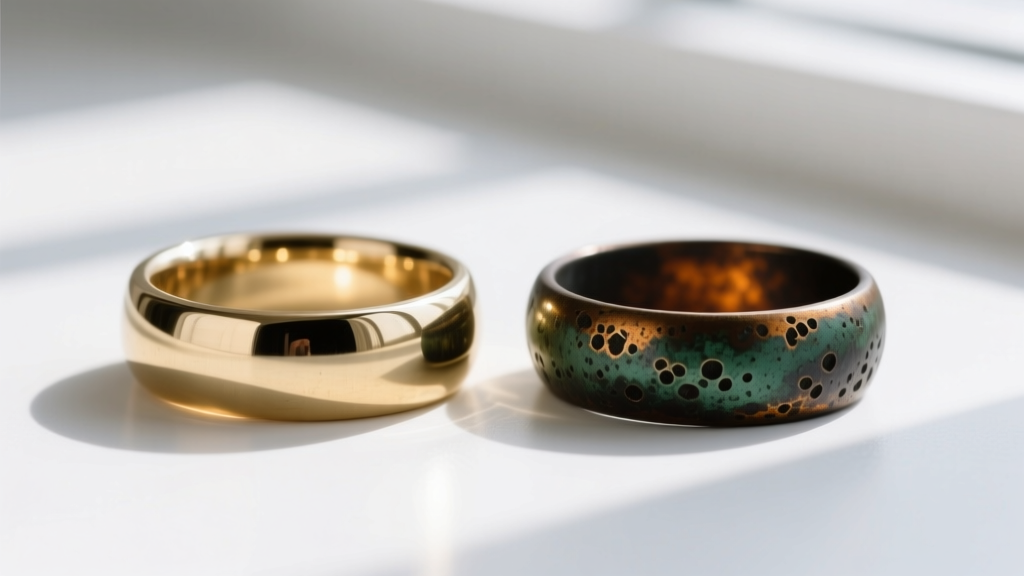
One of the greatest joys of owning brass ring jewelry is deciding its visual destiny. You can maintain a mirror-like shine, or you can allow the ring to develop a rich, dark, vintage patina. Unlike silver, which tarnishes black, brass develops complex layers of brown, bronze, and subtle verdigris (greenish-blue) in its crevices.
How to Clean and Polish Brass
If you prefer a bright, reflective finish, avoid commercial ammonia-based glass cleaners. Ammonia can cause "stress corrosion cracking" (also known as season cracking) in brass alloys, leading to microscopic fractures in the band. Instead, use mild, acidic household solutions:
- The Lemon & Salt Paste: Mix one tablespoon of fresh lemon juice with one teaspoon of fine sea salt. Rub the paste onto the ring using a soft-bristled toothbrush, focusing on engraved crevices. Rinse thoroughly with warm water and dry immediately.
- The Ketchup Method: The acetic acid and natural sugars in ketchup make it a surprisingly effective, gentle brass polish. Coat the ring, let it sit for five minutes, and wipe clean.
How to Force an Antique Patina
If you want to accelerate the aging process to give your ring an heirloom appearance, jewelers use a chemical compound called Liver of Sulfur (potassium sulfide). By diluting a small piece in warm water and dipping the polished ring for 30 to 60 seconds, the brass will rapidly turn dark brown or charcoal. You can then use high-grit sandpaper (1000+ grit) or steel wool to buff the high points of the ring, leaving the dark oxidation locked inside the stamped details and textures. For a deeper dive into chemical patinas, the metalworking guides at Rio Grande offer extensive safety and application protocols for hobbyists.
Pricing, Sizing, and Market Tiers
Because brass is a base metal, it is inherently more affordable than precious metals. However, the price of brass ring jewelry is dictated by the craftsmanship, not the raw material cost.
- Fast Fashion & Mass Market ($10 - $30): Usually cast from yellow brass with a thin, temporary factory lacquer. Sizing is often limited to standard whole sizes. The lacquer will wear off within a month, revealing the reactive metal beneath.
- Artisan & Handmade ($45 - $120): Crafted by independent jewelers using red brass or custom alloys. These rings often feature hand-stamped motifs, hammered textures, and proper structural integrity. You are paying for the design and labor.
- Designer & Heritage Brands ($150 - $300+): High-end brands that utilize brass for its specific aesthetic weight and historical accuracy, often combining it with precious gemstones or utilizing complex lost-wax casting techniques.
A Critical Note on Sizing: Unlike sterling silver or gold, brass is notoriously difficult to resize. Soldering brass requires specialized fluxes and precise temperature control; if overheated, the zinc in the alloy will literally burn out of the metal (a process called dezincification), leaving a weak, porous copper seam. Always buy brass rings in your exact finger size, or opt for adjustable open-cuff designs if your size fluctuates.
Final Styling Tips for Beginners
Styling brass requires a slightly different approach than styling silver or gold. Because of its warm, earthy undertones, brass pairs exceptionally well with turquoise, lapis lazuli, and matte-finish gemstones. For a modern, eclectic look, try mixing metals: stack a textured brass band on your index finger alongside a sleek, high-polish sterling silver ring on your ring finger. The contrast between the warm, organic brass and the cool, industrial silver creates a curated, layered aesthetic that defines contemporary jewelry styling. Start with a simple 3mm red brass band, master the wax-sealing routine, and let the material's unique character elevate your everyday style.