Smart Buying Guide: How to Clean Rings Jewelry by Metal Type
Discover what to look for when buying rings. Learn how to clean rings jewelry based on metal type, gemstone hardness, and finish for lasting brilliance.

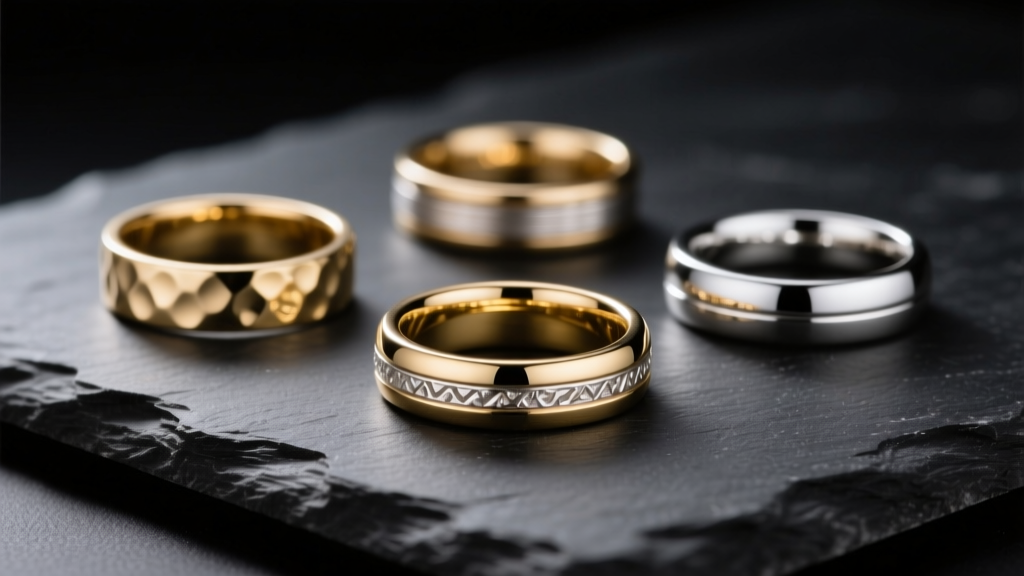
The Hidden Cost of Ring Maintenance: Why Material Dictates Care
When investing in fine jewelry, the initial purchase price is only half the equation. The true cost of ownership lies in long-term maintenance. Many buyers fall in love with a intricate oxidized silver signet or a delicate emerald cluster ring, only to abandon it when they realize the upkeep required. Understanding how to clean rings jewelry based on their specific material composition is a critical step in the buying process. A ring that requires professional steaming every month will end up costing you significantly more over a decade than a low-maintenance platinum band.
Before you finalize your purchase, you must evaluate the metal alloy, the gemstone treatment, and the surface finish. Each of these variables dictates the cleaning protocol. Below, we break down exactly what to look for on the spec sheet and how those choices will impact your daily and monthly maintenance routines.
Precious Metals: What to Look For & How to Clean Rings Jewelry
The base metal of your ring determines its structural integrity, tarnish resistance, and reaction to chemical cleaners. Here is how the most common precious metals behave when exposed to daily wear and cleaning agents.
Platinum (Pt950) & Palladium: The Low-Maintenance Kings
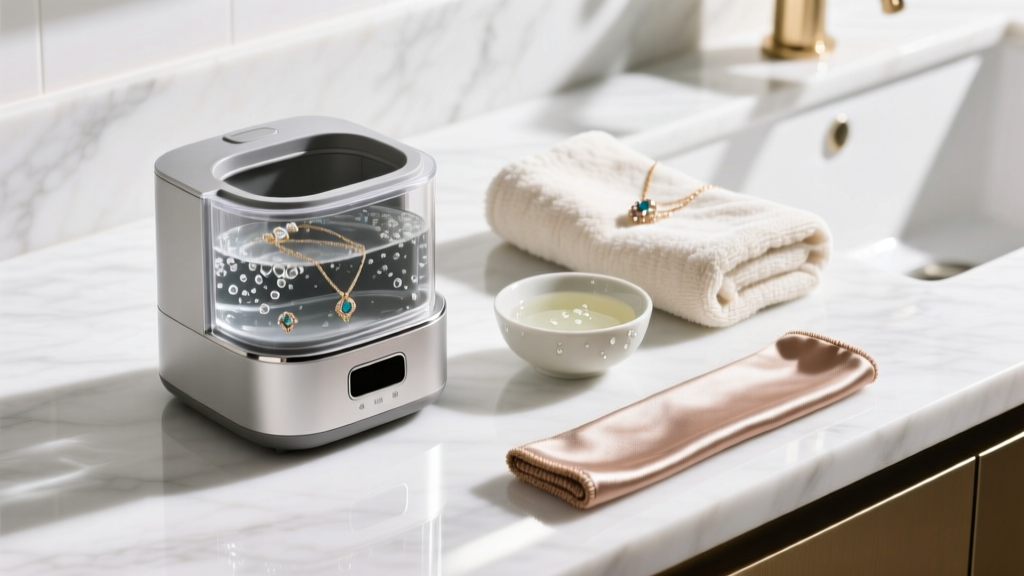
Platinum is typically alloyed to 95% purity (Pt950), making it naturally hypoallergenic and highly resistant to chemical corrosion. Unlike gold, platinum does not lose metal when scratched; it merely displaces, creating a soft "patina" over time. Buying Advice: If you want a ring you can wear in the ocean, the gym, and the shower without worry, buy platinum. Cleaning Protocol: You can safely use commercial jewelry dips, ultrasonic cleaners (40kHz frequency), and steamers. To restore the original high-polish mirror finish, it requires professional repolishing, not chemical cleaning.
14k vs. 18k Gold: The Alloy Factor
Pure 24k gold is too soft for daily wear, so it is alloyed with metals like copper, zinc, and silver.
- 14k Gold (58.5% pure): Higher alloy content makes it harder and more resistant to surface scratching. It traps less dirt in micro-abrasions, making it easier to clean at home with mild dish soap and a soft baby toothbrush.
- 18k Gold (75% pure): Softer and richer in color, but highly prone to micro-scratches. These microscopic grooves trap lotions, dead skin, and soap scum, requiring more frequent and careful cleaning to maintain brilliance.
Sterling Silver (925): The Tarnish Reality
Sterling silver contains 7.5% copper, which reacts with sulfur in the air and on your skin to create silver sulfide (tarnish). Buying Advice: If you live in a humid climate or have highly acidic skin chemistry, silver rings will require weekly maintenance. Look for silver rings that have been "e-coated" or rhodium-plated to delay tarnishing. Cleaning Protocol: Never use liquid silver dips on rings with porous gemstones. Instead, use a treated polishing cloth. For heavy tarnish, the aluminum foil, baking soda, and boiling water electrolytic method is highly effective and safe for plain metal bands.
Gemstone & Finish Considerations for Everyday Wear
The metal is only part of the equation. If your ring features gemstones or specialized metal finishes, your cleaning options shrink dramatically. According to the Gemological Institute of America (GIA), improper cleaning is the leading cause of preventable gemstone damage.
The Gemstone Hardness & Cleaning Matrix
Use this table to evaluate the hidden maintenance costs of popular ring gemstones before buying.
| Gemstone | Mohs Hardness | Ultrasonic Safe? | Steam Safe? | Recommended Cleaning Agent |
|---|---|---|---|---|
| Diamond | 10 | Yes | Yes | Mild detergent, ultrasonic, steam |
| Sapphire / Ruby | 9 | Yes (Usually) | Yes (Usually) | Warm soapy water, soft brush |
| Emerald | 7.5 - 8 | NO | NO | Damp microfiber cloth only |
| Opal | 5.5 - 6.5 | NO | NO | Dry or slightly damp cloth |
| Morganite | 7.5 - 8 | Yes | Yes | Warm soapy water, avoid harsh chemicals |
Expert Insight: Most commercial emeralds are fracture-filled with cedar oil or synthetic resins to improve clarity. Ultrasonic vibrations and steam heat will melt or dislodge this filler, leaving the stone looking cloudy and heavily fractured. If you buy an emerald ring, you are committing to a strict "wipe-only" cleaning regimen.
Surface Finishes That Dictate Your Routine
The texture applied to the metal surface drastically alters how you must care for it.
- High Polish: Shows fingerprints and smudges instantly. Requires frequent buffing with a microfiber cloth. Prone to visible micro-scratches.
- Matte / Brushed / Sandblasted: Hides scratches exceptionally well, but traps dirt in the microscopic texture. Requires a soft brush to clean. Warning: Using a polishing cloth on a matte finish will gradually burnish the metal, turning it shiny and ruining the intended aesthetic.
- Oxidized (Blackened): Common in gothic or artisan silver rings. The blackening is a controlled chemical tarnish. Warning: Liquid silver cleaners and ultrasonic baths will strip the oxidation entirely, leaving you with a flat, bright silver ring. Clean only with a damp cloth, avoiding the recessed areas.
The Ultimate Buyer's Decision Framework
To ensure you buy a ring that matches your lifestyle, use this decision framework. Be honest about your daily habits before selecting your materials.
The "Wear and Forget" Profile: You never take your ring off. You swim, lift weights, and apply lotions daily.
Buy: Pt950 Platinum or 14k Gold. High polish or matte finish. Unheated Diamonds or Sapphires. No porous stones, no plating, no oxidation.
The "Desk to Dinner" Profile: You take your ring off to shower, sleep, and do dishes. You work in an office environment.
Buy: 18k Gold or Rhodium-Plated White Gold. Emeralds, Opals, and intricate oxidized silver details are perfectly safe for your lifestyle.
Expert Tips for Safe At-Home Maintenance
When researching how to clean rings jewelry, buyers are often bombarded with DIY "hacks" that can destroy fine jewelry. The Jewelers of America strongly advises against using toothpaste, baking soda pastes, or bleach on precious metals.
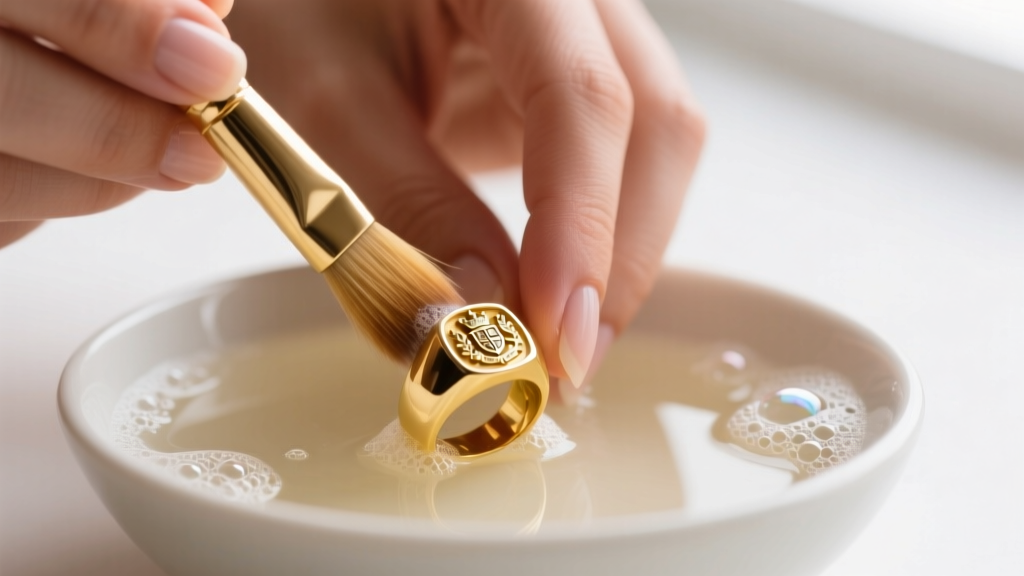
Toothpaste contains abrasive silica particles that are harder than 14k gold and silver, causing severe micro-scratching. Bleach can cause a metallurgical reaction with the copper and zinc alloys in gold, leading to structural brittleness and even crumbling over time. For 90% of your fine jewelry, the safest, most effective at-home cleaning solution is a few drops of phosphate-free mild dish soap (like Dawn) in a bowl of lukewarm water. Let the ring soak for 15 minutes to loosen sebum and dead skin cells, gently agitate with a brand-new, ultra-soft baby toothbrush, rinse under lukewarm tap water, and dry immediately with a lint-free microfiber cloth. By aligning your ring purchase with the maintenance reality of its materials, you ensure that your jewelry remains a source of joy, rather than a chore, for decades to come.

