Jewelry Box Ring Materials: Which Metal Best Protects Hidden Treasures?
Discover the best metals for a jewelry box ring. We compare 14k gold, platinum, and silver for hidden compartment durability, hinges, and wear.

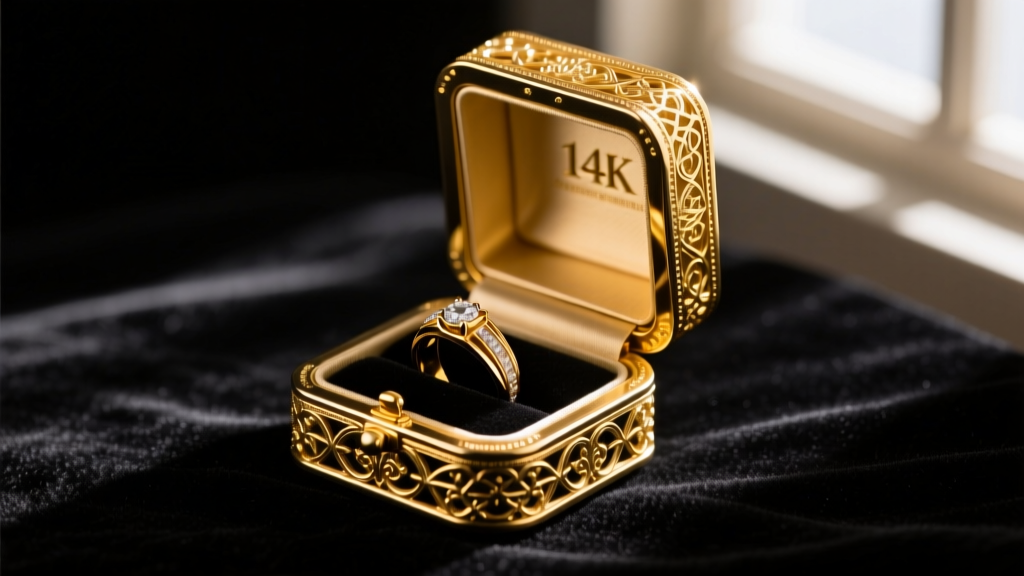
The jewelry box ring—often referred to interchangeably as a secret compartment ring, locket ring, or poison ring—is one of the most romantically complex pieces of wearable art. Historically used to conceal relics, locks of hair, or even illicit substances, these rings feature a hidden bezel or hinged lid that transforms a standard band into a wearable vault. However, as we navigate the jewelry landscape in 2026, the aesthetic appeal of a jewelry box ring is only half the equation. The true test of these pieces lies in their metallurgical integrity.
Unlike a solid cast band, a jewelry box ring is a micro-mechanical device. It relies on friction, tension, and microscopic moving parts. The metal you choose dictates not only the ring's color and weight but its structural survival. A metal that is too soft will result in a lid that refuses to stay closed; a metal that is too brittle will cause the hinge pin to snap. Below, we conduct a comprehensive material comparison to determine which precious metals offer the best properties for the intricate mechanics of a jewelry box ring.
The Anatomy of a Jewelry Box Ring: Why Metal Choice Dictates Longevity
To understand material requirements, we must first break down the mechanical anatomy of the ring. According to master jewelers and technical guides from the Jewellers Academy, constructing a functional compartment ring requires mastering three distinct micro-components:
The Hinge and Pin Mechanism
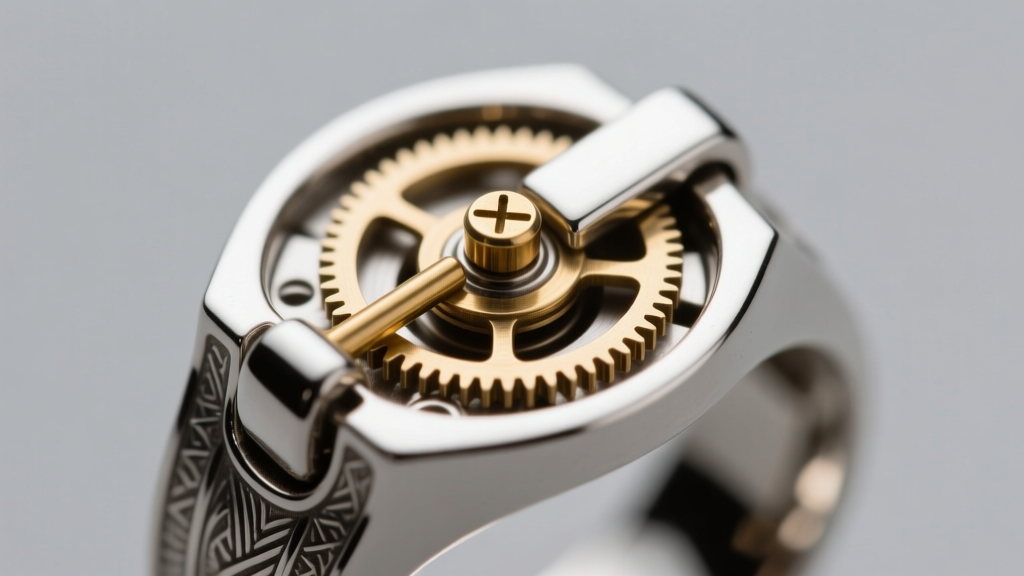
The hinge is the heart of the jewelry box ring. It consists of interlocking 'knuckles' (tubes) soldered to both the ring shank and the lid. A hinge pin, typically a wire ranging from 0.8mm to 1.2mm in gauge, is threaded through these knuckles and peened (hammered flat) at the ends to secure it. The metal used for the knuckles must resist abrasion, while the pin must possess high tensile strength to prevent shearing during daily articulation.
The Bezel and Seal
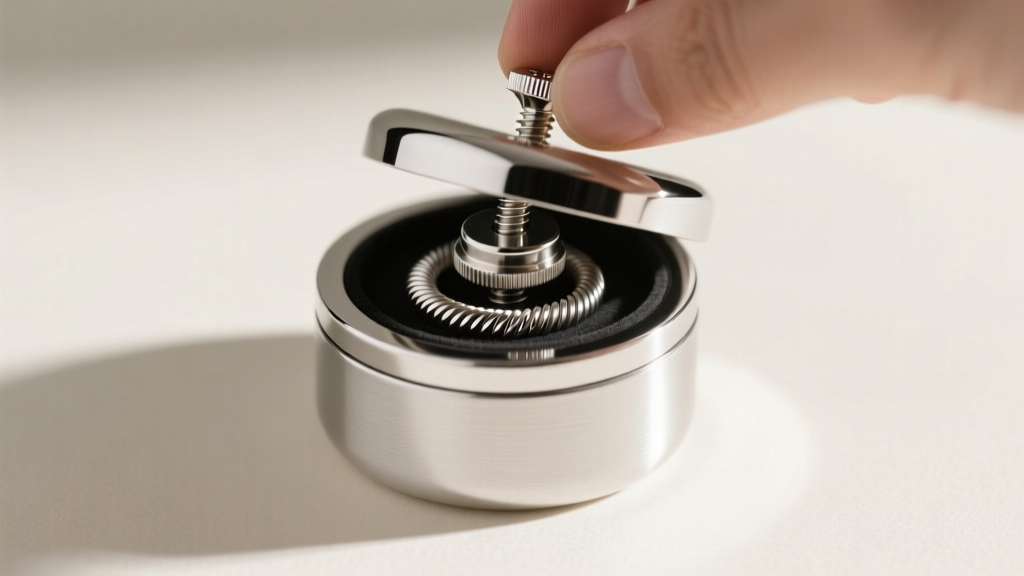
The lid and the compartment base must meet with absolute precision. In hinged models, a tiny catch or 'snap' mechanism holds the lid shut. In screw-top models (often called capsule rings), the bezel features micro-threading. The metal must be capable of holding a sharp, precise thread without stripping over time.
Material Showdown: Comparing Metals for Secret Compartment Rings
Not all precious metals are created equal when subjected to mechanical stress. The table below compares the most common metals used in fine jewelry against the specific mechanical demands of a jewelry box ring.
| Metal / Alloy | Vickers Hardness (HV) | Tensile Strength | Hinge Durability | Thread / Snap Viability |
|---|---|---|---|---|
| 14k Yellow Gold | 130 - 160 HV | High | Excellent | Very Good |
| 18k Yellow Gold | 110 - 130 HV | Medium | Good | Fair (Prone to stripping) |
| Platinum 950 | 110 - 130 HV (Work hardens) | Very High | Superior | Poor (Subject to galling) |
| Sterling Silver (925) | 60 - 90 HV | Low/Medium | Poor (Wears quickly) | Fair |
| Grade 5 Titanium | 330 - 350 HV | Extremely High | Superior | Excellent (CNC machined) |
Deep Dive: Metallurgical Properties & Wear Patterns
When evaluating materials for a jewelry box ring, we must look beyond the Mohs scale of mineral hardness (which measures scratch resistance) and focus on the Vickers hardness scale and tensile strength, which measure deformation and fracture resistance. The Gemological Institute of America (GIA) frequently notes that alloy composition drastically alters how a metal behaves under mechanical stress.
Gold Alloys: The 14k vs. 18k Dilemma
Pure 24k gold is entirely unsuitable for a jewelry box ring; it is far too malleable and would result in a hinge that bends out of shape within a week. Therefore, alloying is essential. 14k gold (58.5% pure gold, alloyed with copper, silver, and zinc) is arguably the optimal traditional choice for hinged compartment rings. The higher copper content increases the alloy's tensile strength and springiness, allowing the tiny catch mechanisms to 'snap' shut securely and retain their tension over decades of use.
Conversely, 18k gold (75% pure gold) is softer and more luxurious in color, but its lower tensile strength makes it problematic for screw-top jewelry box rings. The micro-threads on an 18k gold capsule ring are highly susceptible to cross-threading and stripping if the user forces the lid open at an improper angle.
Platinum 950: The Heavyweight Champion with a Catch
Platinum is incredibly dense and boasts superior tensile strength, making it virtually impossible to snap a platinum hinge pin. For a hinged jewelry box ring, platinum is a generational investment; the knuckles will simply not wear away. However, platinum suffers from a metallurgical phenomenon known as galling. When two pieces of platinum rub together under pressure (such as a screw-top bezel or a tight friction snap), the metal can microscopically tear and fuse to itself. Therefore, platinum is highly recommended for hinged rings but strongly discouraged for threaded capsule rings.
Sterling Silver: The Budget Option and Oxidation Risks
Sterling silver (92.5% silver, 7.5% copper) is highly accessible and easy to cast, making it a popular choice for mass-market locket rings. However, silver is soft. The hinge pin in a silver jewelry box ring will gradually wear down the interior of the knuckles through friction, leading to a 'floppy' lid that no longer stays closed. Furthermore, the copper in sterling silver reacts with sulfur in the air to create tarnish. If tarnish builds up inside the micro-hinge or the threading of the bezel, it acts as an abrasive paste, accelerating mechanical failure.
Titanium: The Modern Marvel
Grade 5 Titanium (Ti-6Al-4V) has revolutionized mechanical jewelry in the 2020s. With a Vickers hardness exceeding 330 HV, it is impervious to the daily wear and tear that destroys silver and gold hinges. Modern CNC machining allows for the creation of flawless, frictionless micro-threads on titanium capsule rings. The primary drawback? Titanium cannot be easily soldered or resized using traditional jeweler's torches. If you purchase a titanium jewelry box ring, the sizing must be exact, as altering the shank later is practically impossible without compromising the structural integrity of the compartment.
Maintenance and Troubleshooting Your Jewelry Box Ring
Owning a mechanical ring requires a specific maintenance protocol to ensure the compartment remains accessible and secure. Follow these expert guidelines to preserve your ring's mechanics:
- Lubrication Protocol: Never use liquid oils or WD-40 on the hinge or threads of a jewelry box ring. Oil attracts microscopic dust and dead skin cells, creating a sludge that will eventually lock the mechanism. Instead, use a micro-application of dry graphite powder to lubricate stubborn hinges or squeaky threads.
- Ultrasonic Cleaning Warnings: While ultrasonic cleaners are excellent for solid bands, the high-frequency vibrations can loosen the peened ends of a hinge pin, causing the lid to detach entirely. Always clean your jewelry box ring manually using a soft brush, warm water, and mild dish soap.
- Moisture and Corrosion: If your ring features a hidden compartment, remember that it is not hermetically sealed unless it features a rubber O-ring (rare in traditional precious metals). Do not store moisture-sensitive items (like untreated paper or organic relics) inside the ring while washing your hands or swimming.
- Tension Adjustment: If the snap-catch on a gold or silver ring becomes loose over time, a jeweler can carefully use a pair of nylon-jaw pliers to gently bend the tension spring back into place. Never use steel pliers, which will mar the precious metal.
Final Verdict: Choosing Your Metal
The ideal material for your jewelry box ring depends entirely on the mechanical design of the piece and your budget. If you are investing in a hinged locket ring meant to be passed down as an heirloom, Platinum 950 or 14k Gold offers the best balance of hinge longevity and structural integrity. If you prefer the sleek, modern utility of a screw-top capsule ring, Grade 5 Titanium provides unmatched thread durability, while 14k gold serves as a luxurious, albeit more delicate, alternative. By understanding the metallurgical realities of these micro-mechanisms, you can select a jewelry box ring that will safeguard your hidden treasures for a lifetime.


