The Bypass Ring Definition in Jewelry: A Complete Buying Guide
Discover the true bypass ring definition in jewelry. Learn what to look for, material grades, sizing tips, and how to style this elegant overlapping design.

The True Bypass Ring Definition in Jewelry
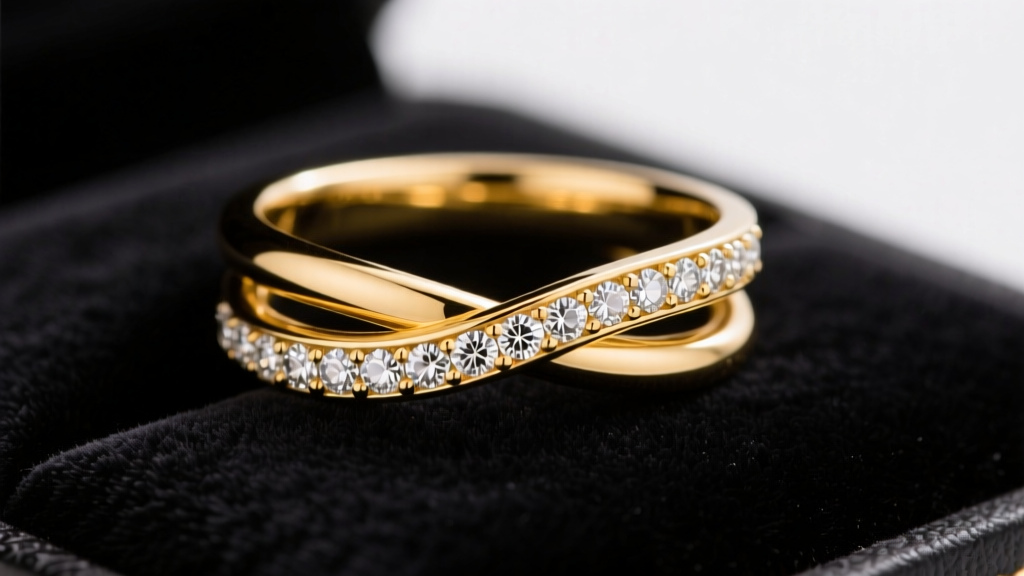
When browsing fine jewelry collections, you will frequently encounter fluid, open-ended designs that seem to defy traditional ring architecture. This brings us to the core bypass ring definition in jewelry: a ring design where the shank (the band) splits into two or more distinct strands that overlap or pass each other without physically connecting at the front. Unlike a traditional closed-circle band or a standard Toi et Moi ring where two stones meet head-on, a bypass ring features terminal ends that cross over one another, creating an asymmetric, dynamic silhouette.
Historically rooted in the Art Nouveau movement and popularized by mid-century cocktail rings, the bypass design is experiencing a massive resurgence in 2026. Modern buyers are drawn to its architectural elegance and the way it wraps organically around the finger. However, because of its open structure, a bypass ring presents unique structural challenges that buyers must understand before investing.
Anatomy of a Bypass Ring: What Makes It Unique?
To evaluate quality, you must understand the engineering behind the design. A well-crafted bypass ring relies on precise tension and metallurgical strength to maintain its shape.
The Shank and the Crossover Point
The shank of a bypass ring typically splits at the sides (the 3 o'clock and 9 o'clock positions). The two arms then curve across the top of the finger, overlapping in a staggered formation. The gap between the overlapping arms is critical. If the gap is too wide, the ring will constantly snag on knitwear and hair. If the gap is too narrow, the arms may rub against each other, causing premature wear and scratching.
Terminal Ends and Stone Settings
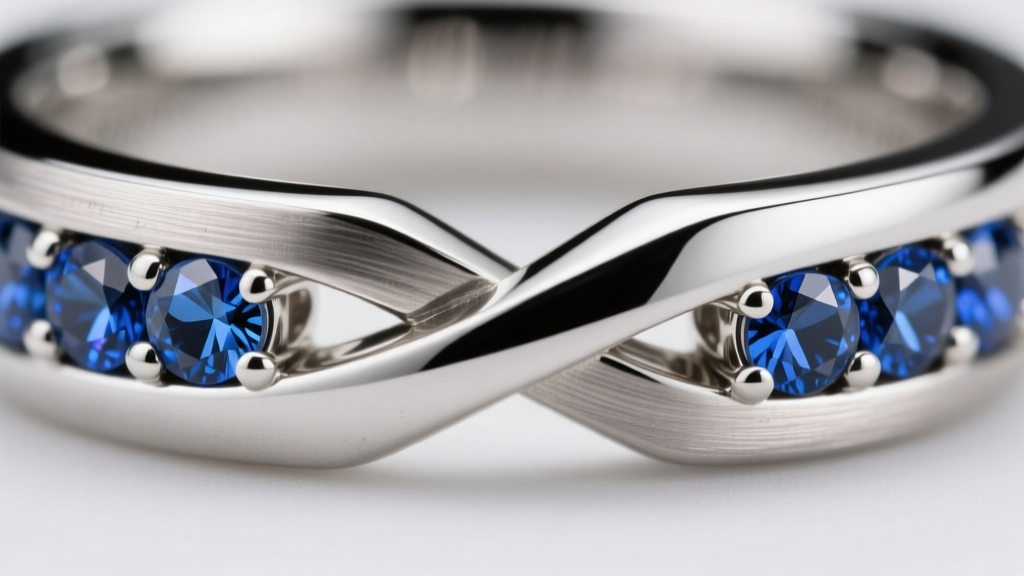
The ends of the bypass arms often serve as focal points, featuring gemstones, enamel work, or sculpted metal motifs. According to the Gemological Institute of America (GIA), setting stones at the terminal ends of an open shank requires exceptional prong or bezel work, as these ends act as levers and are subjected to high lateral stress when the ring is bumped.
Materials & Durability: What to Look For
The most common failure mode for bypass rings is structural warping. Because the arms are not joined at the top, they lack the structural rigidity of a closed band. Therefore, the choice of metal is not just about color; it is about tensile strength and Vickers hardness (HV).
| Metal Type | Avg. Hardness (HV) | Bypass Suitability | Expert Verdict |
|---|---|---|---|
| Platinum (950) | 125 - 150 | Excellent | Best for tension & prong security; work-hardens well. |
| 18k White Gold | 120 - 140 | Very Good | Strong, but rhodium plating may wear at friction points. |
| 14k Yellow Gold | 110 - 130 | Good | Standard choice; ensure arms are cast thick enough. |
| 18k Yellow Gold | 90 - 110 | Fair | Softer; prone to bending if the crossover arms are thin. |
| Sterling Silver | 60 - 75 | Poor | Too soft for overlapping leverage points; will warp. |
Pro Tip: If you are buying a bypass ring with heavy terminal gemstones, avoid 18k yellow gold or sterling silver for the shank. The leverage exerted on the stones will slowly pull the soft metal arms apart, ruining the symmetry of the crossover. Platinum or nickel-white gold alloys are vastly superior for maintaining the structural memory of the bypass gap.
Sizing and Fit: The Hidden Challenges
Sizing a bypass ring is notoriously difficult and is a frequent topic of discussion among master bench jewelers on technical forums like Ganoksin. Traditional ring sizing involves cutting the back of the shank, adding or removing metal, and soldering it back together on a steel mandrel.
However, hammering a bypass ring onto a solid steel mandrel will crush the overlapping front arms together, scratching the metal and permanently distorting the crossover gap. When buying a bypass ring, keep the following sizing realities in mind:
- Laser Welding is Mandatory: Ensure your jeweler uses a laser welder to size the ring. This allows them to add metal to the back shank without applying the crushing pressure of a rawhide mallet and steel mandrel.
- Half-Size Increments: Because the ring wraps asymmetrically, a bypass ring often fits tighter than a standard band. Many experts recommend sizing up a half-size to accommodate the overlapping metal resting on top of your finger.
- Ergonomic Contouring: The underside of the overlapping arms should be slightly domed or contoured. Flat inner edges will dig into the adjacent finger when the hand is closed.
Pricing Tiers & Brand Examples
The price of a bypass ring scales heavily based on the complexity of the crossover engineering and the carat weight of the terminal stones. Here is what you can expect to pay in the current market:
Entry-Level ($200 - $600)
At this tier, you will find 10k or 14k gold vermeil, sterling silver (not recommended for daily wear), and small melee diamonds or lab-created sapphires. Brands like Mejuri and Catbird often feature delicate, minimalist bypass designs in this range. The arms will be relatively thin, making them better suited for occasional wear rather than everyday rings.
Mid-Range ($800 - $2,500)
This is the sweet spot for fine jewelry buyers. Expect solid 14k or 18k gold, secure bezel or low-profile prong settings, and high-quality natural or premium lab-grown diamonds (typically 0.25ct to 0.50ct total weight). Brands like Vrai and Brilliant Earth excel here, offering robust shank thicknesses that prevent the arms from bending during daily use.
High-End & Couture ($3,000 - $10,000+)
Couture bypass rings feature platinum shanks, intricate micro-pavé along the crossover arms, and large, certified center stones at the terminals. Designers like Irene Neuwirth and Anna Sheffield treat the bypass architecture as a sculptural canvas, often incorporating custom-cut gemstones (like kites or hexagons) that interlock perfectly when the hands are clasped.
Red Flags to Avoid When Buying
Before finalizing your purchase, inspect the ring (or high-resolution macro photos) for these critical flaws:
The Snag Test: Run a piece of silk fabric over the overlapping gap. If the fabric catches on the lower arm's terminal end, the ring will destroy your sweaters. The lower arm should taper smoothly beneath the upper arm.
- Hollowed Arms: Some manufacturers hollow out the underside of the bypass arms to save on gold weight. This creates weak points that will easily crush if you grip a steering wheel or a heavy bag.
- High-Profile Prongs: If the terminal stones are set in tall, traditional prongs, they will act as anchors, catching on pockets and hair. Opt for bezel, flush, or low-profile basket settings.
- Uniform Width: A well-designed bypass ring should taper. The band should be wider at the back (for structural support) and gracefully thin out as it approaches the crossover point to maintain visual lightness.
How to Style Your Bypass Ring
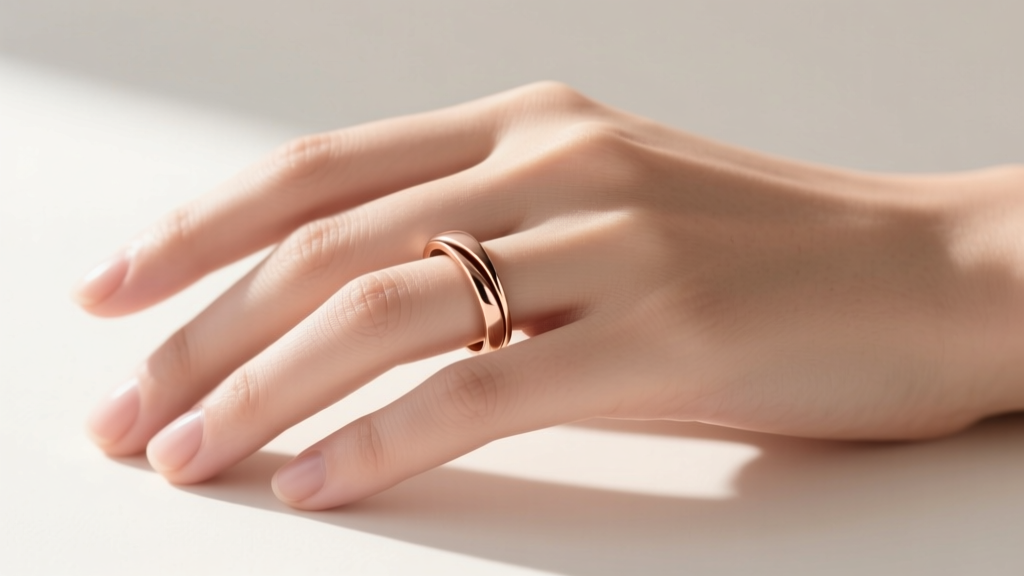
Because of its striking, asymmetrical silhouette, a bypass ring is inherently a statement piece. In 2026, the prevailing styling rule is to let the bypass ring command attention. If you are wearing it on your ring finger, pair it with a simple, flush-fitting wedding band that hugs the bottom curve of the shank, or leave the adjacent fingers bare. For a modern editorial look, wear a delicate gold bypass ring on your index finger, allowing the overlapping arms to elongate the visual line of your hand. By understanding the structural nuances and material requirements outlined in this guide, you can confidently invest in a bypass ring that is as durable as it is beautiful.


