Magnasonic Ultrasonic Jewelry Cleaner Instructions for Gold Rings
Master the Magnasonic ultrasonic jewelry cleaner instructions for gold rings. Compare costs, learn karat safety, and maximize your maintenance budget.

As professional jewelry maintenance costs continue to climb in 2026, at-home care has shifted from a luxury to a financial necessity. For ring enthusiasts managing everything from delicate stacking bands to heavy signet pieces, the Magnasonic ultrasonic cleaner has emerged as a staple. However, improper use can lead to micro-abrasions or dislodged settings. Understanding the precise Magnasonic ultrasonic jewelry cleaner instructions for gold rings is critical not just for preserving your jewelry's luster, but for maximizing your return on investment.
The Economics of Ring Maintenance in 2026
Before diving into the technical instructions, we must assess the value proposition. The average jeweler charges between $15 and $35 for a professional ultrasonic clean and steam polish. If you wear your gold rings daily, a bi-weekly cleaning schedule translates to roughly $390 to $910 annually in maintenance fees. A standard Magnasonic MGUC500 unit retails for approximately $45. The break-even point is achieved in less than two months, making it one of the highest-ROI tools in a jewelry collector's arsenal.
Magnasonic Ultrasonic Jewelry Cleaner Instructions for Gold Rings
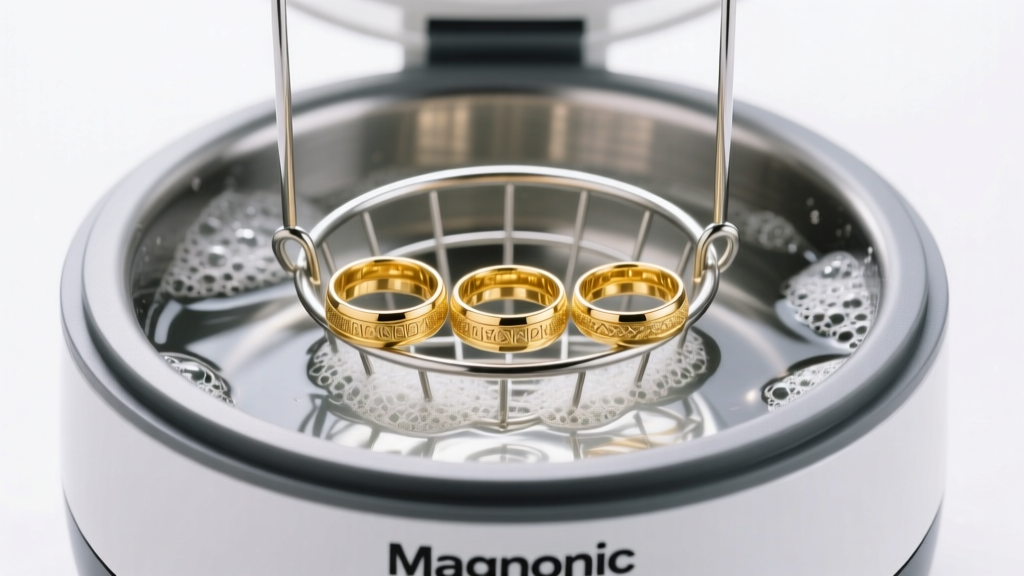
The Magnasonic line operates at a 42,000 Hz (42kHz) frequency. This specific frequency generates microscopic cavitation bubbles in the liquid solution. When these bubbles collapse against the surface of your gold rings, they create high-pressure micro-jets that dislodge sebum, lotion, and environmental dust. To execute this safely, follow these exact instructions.
Step 1: Solution Formulation
Never use tap water, as dissolved minerals can leave microscopic calcified spots on high-polish gold. Fill the stainless steel tank to the indicated MAX line with distilled water. Add exactly three drops of a mild, phosphate-free dish detergent (such as Dawn). Avoid ammonia-based cleaners or harsh degreasers, which can degrade the rhodium plating on white gold rings and strip protective patinas from vintage pieces.
Step 2: The Basket Protocol
This is the most common point of failure. Never drop your gold rings directly into the stainless steel tank. The 42kHz vibrations will cause the rings to bounce against the hard steel walls, resulting in micro-dents and severe scratching. Always place your rings inside the provided plastic suspension basket. The basket isolates the jewelry from the tank walls while allowing the acoustic waves to pass through the mesh unimpeded.
Step 3: Frequency and Timing
Set the digital timer based on the soil level and karat weight. For standard daily wear (14k or 18k gold), a 180-second cycle is optimal. If the rings feature intricate milgrain detailing or heavy buildup, you may run a second 90-second cycle. Always allow the machine to rest for 5 minutes between cycles to prevent the transducer from overheating.
Gold Karat Vulnerability Matrix
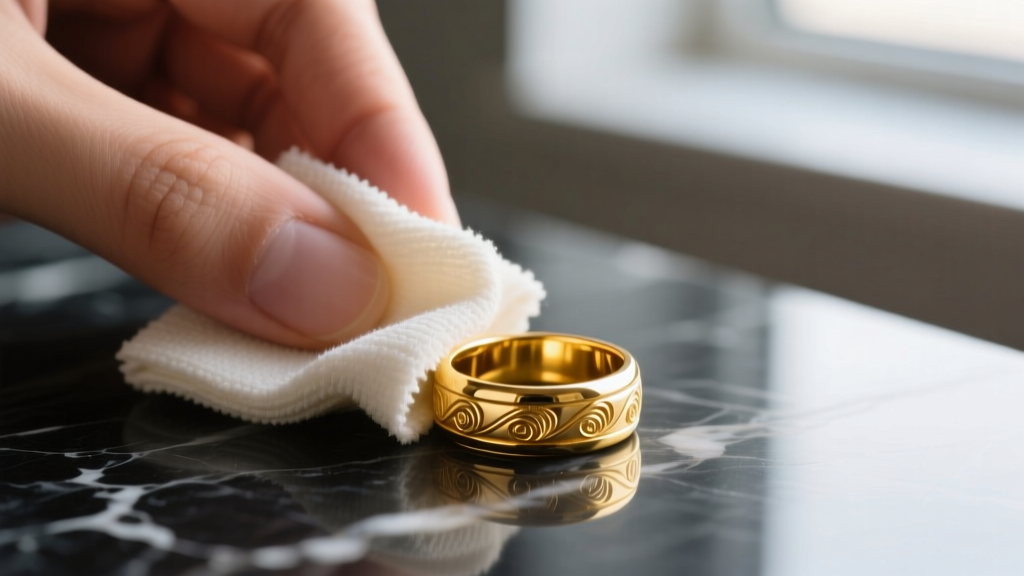
Not all gold is created equal. The Federal Trade Commission's Jewelry Guides dictate the alloy ratios for gold karats, which directly impacts their hardness (measured in Vickers Hardness, HV) and their tolerance to ultrasonic cavitation. Use the matrix below to assess your rings before cleaning.
| Gold Karat | Approx. Hardness (HV) | Ultrasonic Safety | Budget & Value Notes |
|---|---|---|---|
| 24k (99.9%) | 25 - 40 HV | Poor | Too soft. Cavitation can cause micro-pitting. Hand-wash only to protect asset value. |
| 22k (91.6%) | 70 - 90 HV | Fair | Use only 90-second cycles. High risk of scratching if it contacts the basket mesh. |
| 18k (75.0%) | 135 - 150 HV | Excellent | Ideal for ultrasonic. Maintains high intrinsic value while tolerating 42kHz waves. |
| 14k (58.3%) | 170 - 190 HV | Excellent | The standard for daily wear. Highly durable, maximizes cleaning efficiency. |
| 10k (41.7%) | 210 - 230 HV | Excellent | Very hard alloy. Safe for extended cycles, but watch for copper-zinc alloy tarnish. |
The Gemstone Exclusion List
While the gold itself may be safe, the stones set within your rings dictate the true risk profile. The Gemological Institute of America (GIA) explicitly warns against using ultrasonic cleaners on porous, fractured, or treated gemstones. The intense localized heat and pressure of collapsing cavitation bubbles can shatter inclusions or strip fracture-fillings.
- Never Ultrasonically Clean: Emeralds (almost always oil/fracture-filled), Opals (high water content causes cracking), Pearls (organic and soft), Turquoise, Lapis Lazuli, and Tanzanite.
- Safe for Ultrasonic: Diamonds (unless heavily included or fracture-filled), Sapphires, Rubies, and Cubic Zirconia.
If your 14k gold pinky ring features a central emerald, skip the Magnasonic. The cost of replacing a shattered emerald vastly outweighs the $15 saved on professional cleaning.
Budget Assessment: ROI of the Magnasonic MGUC500
To truly evaluate the value of this device, we must look at the 5-year total cost of ownership (TCO) compared to professional services and cheaper at-home alternatives.
| Cleaning Method | Initial Cost | Cost Per Use (5 Yrs) | Efficacy on Gold |
|---|---|---|---|
| Professional Jeweler | $0 | $20.00 | Exceptional (includes steam & inspection) |
| Magnasonic Ultrasonic | $45.00 | $0.17 | Excellent (requires manual drying) |
| Chemical Dip Solutions | $12.00 | $0.40 | Poor (can strip white gold rhodium) |
| Manual Brushing | $5.00 | $0.01 | Fair (misses under-gallery grime) |
The Magnasonic unit pays for itself after just three uses. Over a five-year period, assuming a bi-weekly cleaning schedule, the ultrasonic cleaner saves the consumer roughly $2,500 in professional service fees, while delivering a vastly superior clean to chemical dips or manual brushing.
Troubleshooting and Final Value Verdict
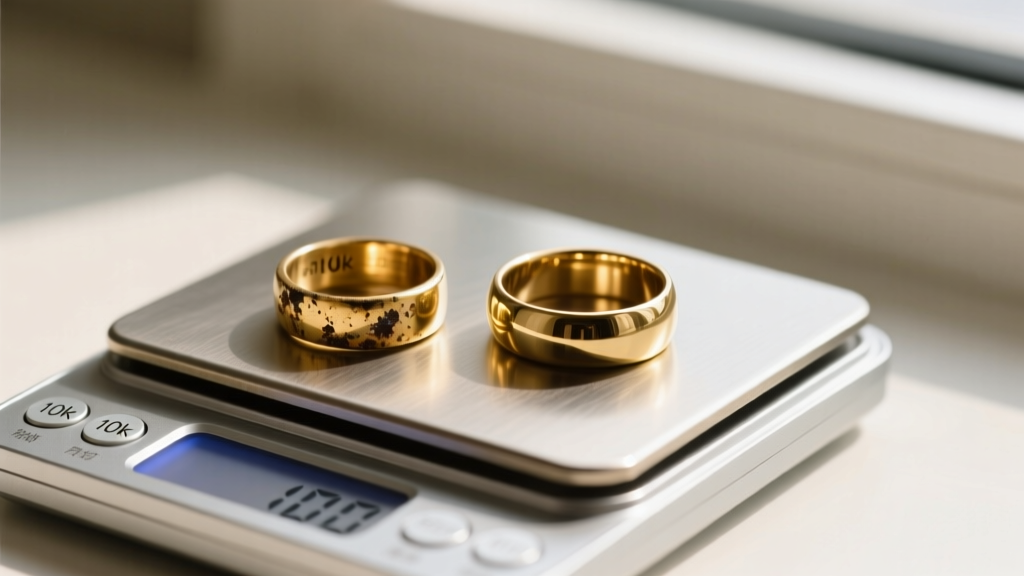
Even with proper adherence to the Magnasonic ultrasonic jewelry cleaner instructions for gold rings, users occasionally encounter issues. If your rings emerge with a dull film, you have likely used too much soap. Excess suds dampen the acoustic waves, preventing proper cavitation. Drain the tank, rinse, and refill with distilled water and a single drop of detergent.
If you notice a buzzing sound that suddenly changes pitch, the transducer may be overheating. Always respect the 5-minute cooldown period between cycles. For white gold rings, remember that ultrasonic cleaning will not restore rhodium plating; it only removes surface dirt. You will still need to budget for professional re-plating every 12 to 18 months.
The Final Verdict: From a strict budget and value assessment perspective, the Magnasonic ultrasonic cleaner is an essential, high-yield investment for any gold ring collector. By strictly following the basket protocol, utilizing distilled water, and respecting gemstone exclusions, you can maintain showroom-level brilliance at home for pennies per use, ensuring your precious metals retain both their aesthetic appeal and their long-term financial value.

