Expert Care and Cleaning Tips for Slave Rings Jewelry
Learn expert cleaning, maintenance, and storage tips for slave rings jewelry. Protect delicate chains, prevent tarnish, and keep your hand harness shining.

Understanding the Anatomy of Slave Rings Jewelry
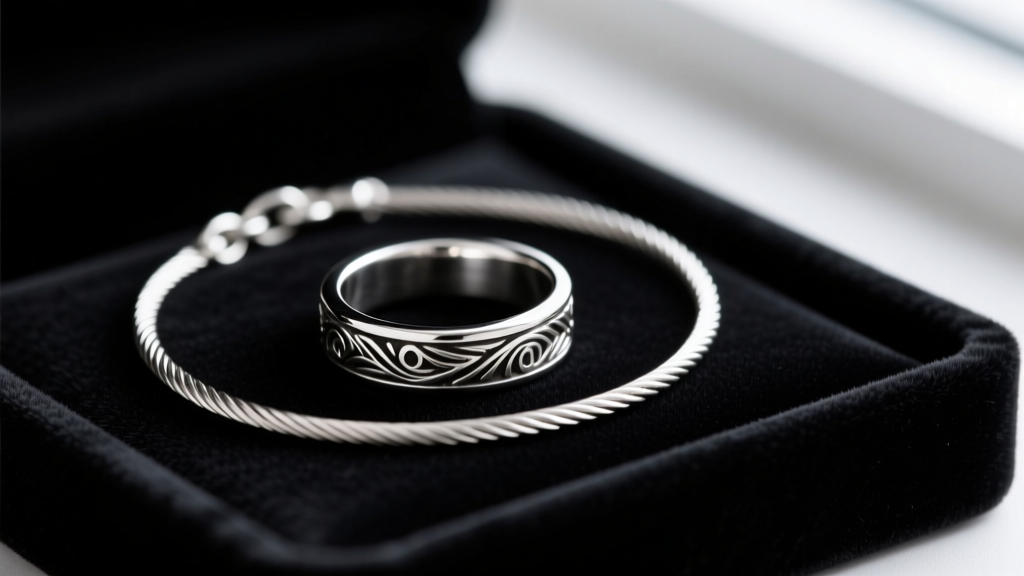
In contemporary fashion, slave rings jewelry refers to the intricate hand harnesses, ring-to-bracelet chains, and multi-finger chain arrays that connect finger rings to a wrist cuff or bracelet. While visually stunning and deeply rooted in bohemian and festival aesthetics, the mechanical reality of wearing a continuous chain across the joints of the hand creates unique maintenance challenges. Unlike a standard band ring, slave rings jewelry features multiple articulation points, delicate jump rings (typically 18-gauge to 22-gauge), and micro-clasps that are constantly subjected to friction, tension, and exposure to the skin's natural oils.
According to the Gemological Institute of America (GIA), jewelry that features complex linkages requires specialized care routines to prevent structural failure and metal degradation. The constant flexing of your fingers pulls on the connecting chains, meaning that a buildup of lotion or sebum in the chain links doesn't just cause discoloration—it increases friction, leading to premature thinning of the metal wire and eventual snapping.
The Daily Wear Tear: Common Failure Points
Before diving into cleaning solutions, it is crucial to understand where slave rings jewelry typically fails. By inspecting these areas weekly, you can prevent the loss of your favorite pieces.
- The Jump Ring Connection: The tiny circular rings connecting the finger band to the chain are usually soldered or split. If they are split (unsoldered) to allow for sizing adjustments, the tension from hand movements can slowly pull them open.
- Spring Ring Clasps: The micro-spring rings used at the wrist connection often trap hand sanitizer and soap inside the tiny spring mechanism. This causes the internal spring to corrode, resulting in a clasp that refuses to snap shut.
- Box Chain Crevices: If your hand harness features a box chain, the square, interlocking links act as microscopic buckets for dead skin cells and cosmetic lotions, leading to a dull, grayish buildup that is difficult to reach with a standard polishing cloth.
Step-by-Step Cleaning Protocols by Material
The approach to cleaning slave rings jewelry must be dictated by the base metal and any surface plating. Using the wrong method can strip gold layers or permanently weaken soldered joints.
925 Sterling Silver & The Redox Reaction
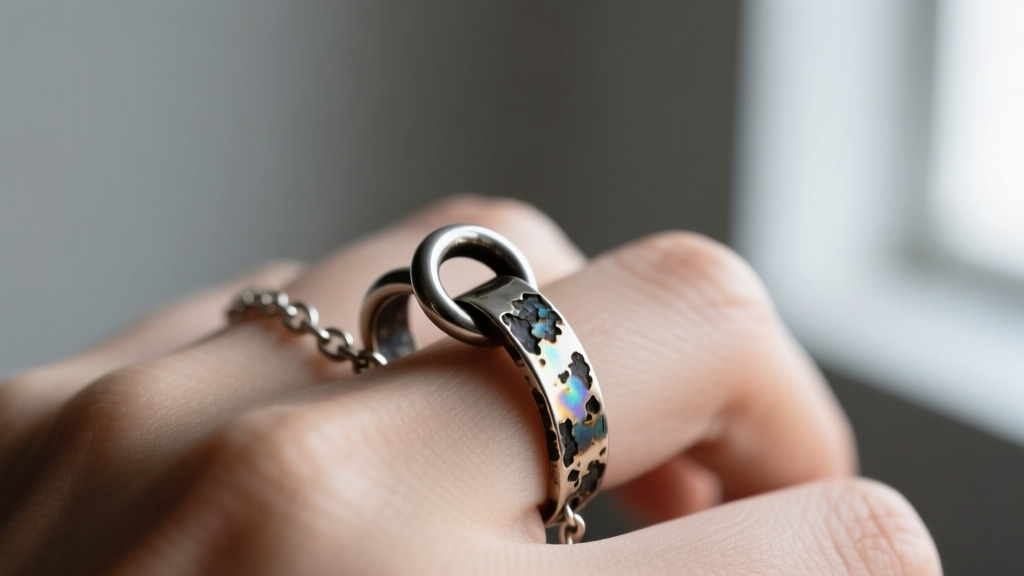
Sterling silver tarnishes when the copper alloyed within it reacts with sulfur in the air and on your skin, forming copper sulfide. For heavily tarnished silver hand chains, avoid abrasive rubbing, which can stretch the delicate links. Instead, use an ion-exchange bath. Line a glass bowl with aluminum foil (shiny side up). Add one tablespoon of baking soda and a pinch of salt. Pour boiling water over the mixture, then submerge your silver slave rings jewelry for exactly 3 to 5 minutes. The aluminum, being more anodic than silver, sacrifices its electrons to reduce the silver sulfide back into pure silver, leaving the tarnish on the foil. Rinse thoroughly with distilled water and dry immediately with a microfiber cloth.
18k Gold Vermeil & Plating Preservation
Gold vermeil consists of a 925 sterling silver base plated with at least 2.5 microns of 10k or higher gold. Many consumers mistakenly use treated silver polishing cloths (like Sunshine cloths) on vermeil. These cloths contain micro-abrasives that will strip the gold plating right off the chain links, exposing the silver beneath. To clean vermeil slave rings jewelry, use only a few drops of pH-neutral dish soap (such as Dawn) in lukewarm water. Gently agitate the water, submerge the piece for two minutes, and use an extra-soft baby toothbrush to lightly sweep the chain links. Never scrub.
316L Stainless Steel & Titanium
For budget-friendly or hypoallergenic hand harnesses made from 316L surgical steel or Grade 23 titanium, maintenance is straightforward. These metals do not tarnish or oxidize under normal conditions. You can safely clean them using a 50/50 mixture of isopropyl alcohol and water, which effectively cuts through hand sanitizer residue and body oils without risking water spots on the metal.
What to Avoid: The Ultrasonic and Chemical Trap
As of 2026, consumer-grade ultrasonic jewelry cleaners are more accessible than ever, but they are highly dangerous for slave rings jewelry. Ultrasonic cleaners operate at high frequencies (typically 40kHz to 45kHz), creating microscopic cavitation bubbles that implode against the metal. While excellent for solid diamond rings, this violent vibration can easily shake open unsoldered jump rings, snap 22-gauge figaro chains, and shatter any semi-precious stones (like turquoise or opal) set into the finger bands.
| Cleaning Method | 925 Silver | Gold Vermeil | 316L Steel | Risk Level for Chains |
|---|---|---|---|---|
| Aluminum Foil Bath | Excellent | Do Not Use | Safe | Low (No friction) |
| Mild Soap & Baby Brush | Good | Excellent | Good | Low (If gentle) |
| Treated Polishing Cloths | Good | Destructive | Safe | Medium (Can snag) |
| Ultrasonic Cleaners | Risky | Destructive | Safe | High (Snaps links) |
| Harsh Chemical Dips | Destructive | Destructive | Risky | High (Weakens wire) |
For more detailed insights on metal-specific chemical reactions and professional cleaning boundaries, the Rio Grande Jewelry Cleaning Basics guide remains an industry-standard resource for bench jewelers and serious collectors.
Advanced Storage: Preventing the Chain Bird's Nest
The most frustrating aspect of owning slave rings jewelry is untangling it. Because these pieces feature long, multi-directional chains, tossing them into a standard jewelry box guarantees a tangled mess that can permanently kink fine cable chains. Kinking weakens the metal's crystalline structure, creating a brittle fault line that will eventually snap.
The Straw Threading Technique: To store a ring-to-bracelet chain, unclasp the bracelet end. Thread the chain and the bracelet through a standard plastic drinking straw, leaving only the finger ring protruding from the top. Clasp the bracelet end shut over the bottom of the straw. This keeps the chain perfectly straight and completely eliminates the possibility of tangling.
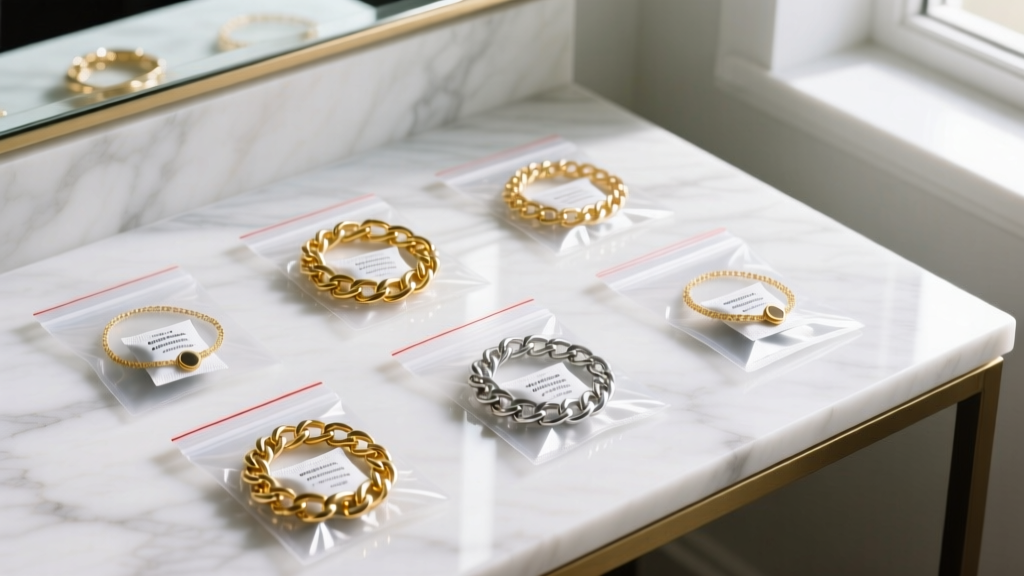
Atmospheric Control: Store the straw-threaded pieces in individual, airtight ziplock bags. Squeeze out all excess air before sealing. For silver pieces, drop in a 3M Silver Shield anti-tarnish strip. These strips absorb airborne sulfur compounds before they can reach your jewelry, extending the time between necessary cleanings by several months.
Professional Maintenance & Re-plating
Even with meticulous care, the friction of daily wear will eventually wear down gold vermeil plating on the finger bands and the high-contact areas of the wrist clasp. If your slave rings jewelry begins to show a pinkish or silvery hue underneath the gold, it is time for professional re-plating. A local bench jeweler can polish out micro-scratches and apply a fresh layer of rhodium or 18k gold plating. Expect to pay between $45 and $85 for re-plating a complex hand harness, a worthwhile investment to restore the structural integrity and visual brilliance of your favorite statement pieces.
Pro Tip: Always put your slave rings jewelry on after applying lotions, perfumes, and cosmetics, and take it off before washing your hands or entering a chlorinated pool. Chlorine aggressively attacks the copper alloys in both sterling silver and karat gold, causing irreversible structural embrittlement.

