Jewelry Insurance for Engagement Ring: Material Value Guide
Discover how metal alloys and gemstone properties impact your jewelry insurance for engagement ring premiums, appraisals, and coverage limits.

The Intersection of Metallurgy and Actuarial Risk
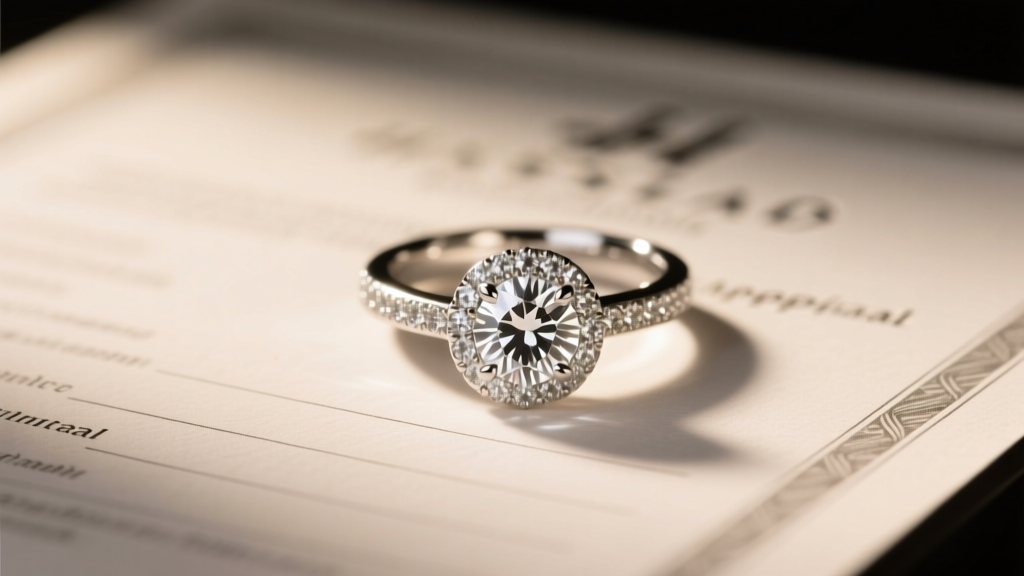
When couples purchase a ring, they focus on aesthetics, sentiment, and the 4Cs. However, when it comes time to secure jewelry insurance for engagement ring assets, the conversation shifts entirely to metallurgy, material durability, and actuarial risk. Insurance underwriters do not view a ring merely as a romantic symbol; they view it as a composite of raw commodities and structural liabilities. The specific alloy of your band and the crystalline structure of your center stone directly dictate your premium rates, your deductible tiers, and the exact wording of your accidental damage clauses.
In 2026, the landscape of jewelry valuation has become increasingly complex. With the market saturation of lab-grown diamonds and the rising spot prices of platinum, standard homeowners insurance riders often fall short. To ensure you are neither overpaying for depreciating assets nor underinsured for irreplaceable craftsmanship, you must understand how material properties translate into insurance logic.
Precious Metal Grading: How Alloys Impact Appraisal Values
The foundation of any insurance appraisal is the precise identification of the metal alloy. Insurers rely on the melt value and the craftsmanship multiplier, but they can only calculate this if the appraisal explicitly states the purity stamp.
Platinum (950 Pt) vs. Gold Alloys (18k and 14k)
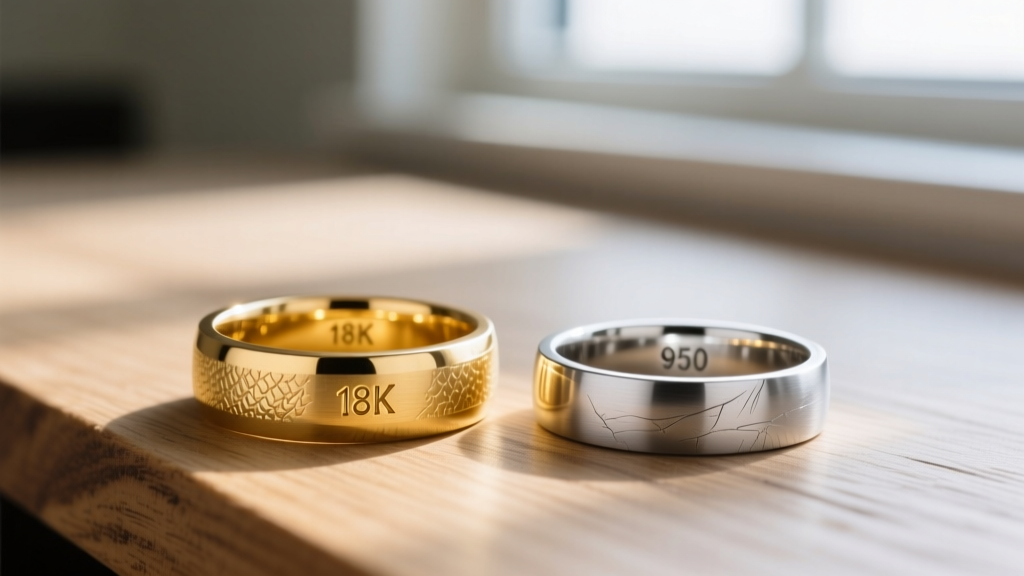
Platinum is typically stamped '950', meaning it is 95% pure platinum and 5% alloy (usually ruthenium or iridium). Because of its density and high purity, platinum bands carry a significantly higher base replacement cost than gold. However, from an insurance perspective, platinum's tenacity—its resistance to chipping and breaking—makes it a lower risk for catastrophic metal failure compared to higher-karat gold.
- 18k Gold (750 Stamp): Composed of 75% pure gold. It offers a rich color but is softer than 14k. Insurers note that 18k gold prongs are more prone to bending and releasing stones upon impact, slightly increasing the risk profile for 'stone loss' claims.
- 14k Gold (585 Stamp): Composed of 58.5% pure gold. The higher alloy content (copper, silver, zinc) increases tensile strength. Insurers favor 14k gold for prong settings because it securely holds gemstones, reducing the frequency of claims related to lost center stones.
Expert Tip: If your appraisal simply says 'white gold' without specifying 14k or 18k, an insurer may default to the lower 10k or 14k replacement cost in the event of a total loss. Always demand exact karat hallmarks on your documentation.
Gemstone Properties and the 'Accidental Damage' Clause
The most contentious area of jewelry insurance for engagement ring policies revolves around gemstone damage. Many policyholders mistakenly believe the Mohs Hardness Scale is the sole metric for durability. In reality, insurers look at cleavage planes and tenacity to determine if a chipped stone is covered under accidental damage or excluded as 'inherent vice' (a flaw in the material itself).
| Gemstone | Mohs Hardness | Cleavage / Tenacity | Insurance Risk Profile |
|---|---|---|---|
| Natural Diamond | 10 | Perfect in 4 directions | High risk for edge chipping if struck at a specific angle; requires prong protection. |
| Moissanite | 9.25 | Indistinct / High | Low risk for chipping; highly favored by insurers for durable, lower-premium alternatives. |
| Emerald | 7.5 - 8 | Indistinct / Brittle | Extreme risk. Heavily included 'jardin' makes them prone to shattering. Often requires specialized riders. |
| Sapphire | 9 | None / Excellent | Low risk. Excellent tenacity makes it a highly insurable, safe center stone choice. |
According to the Gemological Institute of America (GIA), understanding these structural vulnerabilities is critical. If an emerald shatters due to a pre-existing internal fracture that was not disclosed on the appraisal, insurers may deny the claim, citing the stone's inherent instability rather than an accidental impact.
The 2026 Lab-Grown vs. Natural Diamond Valuation Crisis
The most significant shift in jewelry insurance for engagement ring markets over the last few years is the treatment of lab-grown diamonds (LGDs). Created via Chemical Vapor Deposition (CVD) or High Pressure High Temperature (HPHT) methods, LGDs are optically and chemically identical to natural diamonds. However, their market economics are vastly different.
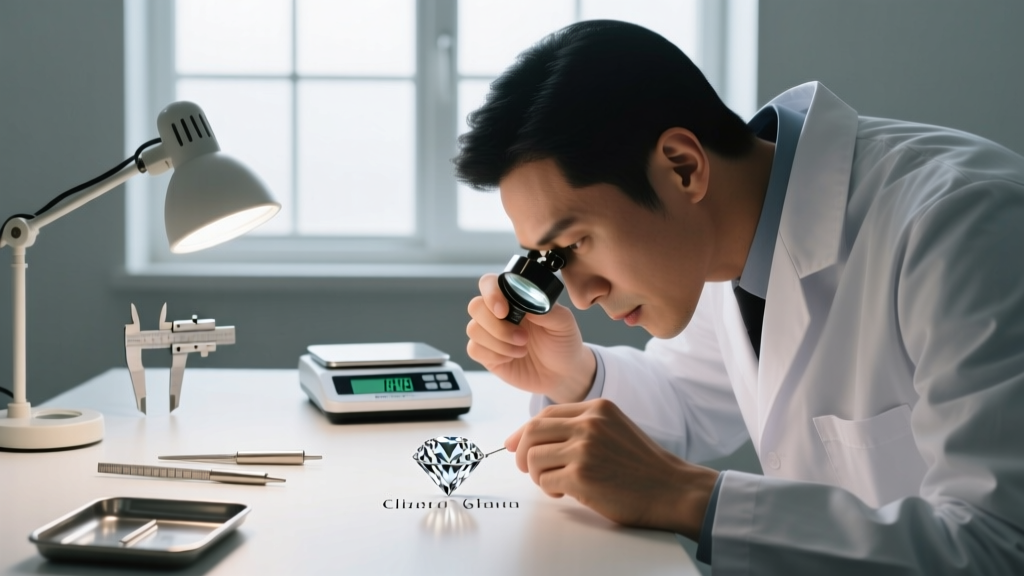
Between 2022 and 2025, the wholesale price of lab-grown diamonds experienced a steep depreciation. As we navigate 2026, the market has stabilized, but the gap between natural and lab-grown replacement costs remains massive.
Replacement Cost vs. Agreed Value
Most standard insurers, including those outlined by the Insurance Information Institute (III), operate on a Replacement Cost basis. This means if your 2-carat CVD lab-grown diamond ring is stolen, the insurer will pay what it costs to buy a similar 2-carat CVD ring today, not what you paid for it three years ago. If you are paying premiums based on an inflated 2023 purchase receipt, you are effectively subsidizing the insurance company's profit margin.
Crucial Action: Ensure your appraisal explicitly states 'Lab-Grown' or 'CVD/HPHT' alongside the laser inscription number on the girdle. If an appraiser misidentifies a lab-grown stone as natural, your premiums will be astronomically inflated, and a claim could be flagged for fraud during the investigation.
Alternative Metals: Titanium, Tungsten, and Insurance Blind Spots
Alternative metals have surged in popularity for wedding bands and avant-garde engagement rings, but they present unique headaches for insurance underwriters.
- Tungsten Carbide: Ranking around 8.5 to 9 on the Mohs scale, tungsten is incredibly scratch-resistant. However, it has extremely low tenacity. If dropped on a tile floor or caught in a car door, a tungsten ring will not bend; it will shatter into pieces. While the material replacement cost is negligible (often under $50), the craftsmanship appraisal might be inflated, leading to disputes over the 'maker's mark' premium.
- Titanium (Grade 5 / 6Al-4V): Aerospace-grade titanium is lightweight and hypoallergenic. The primary insurance issue with titanium is that it cannot be resized using traditional jeweler's torches. If a policyholder's finger size changes, the ring must be entirely replaced rather than repaired, triggering a total loss claim rather than a simple repair claim.
Specialized insurers like Jewelers Mutual often require alternative metal rings to be appraised with a strict separation of 'material value' and 'labor/design value' to prevent over-insuring mass-produced alternative bands.
Actionable Framework: Securing the Right Coverage
To align your material realities with your insurance policy, follow this strict appraisal framework before binding your coverage:
- Demand a JISO-Compliant Appraisal: The Jewelry Insurance Standards Organization (JISO) requires appraisals to list the exact metal purity (e.g., 950 Pt, not just 'Platinum'), the exact gemstone origin (Natural, CVD, HPHT), and precise millimeter measurements of the stone, not just carat weight.
- Photograph the Hallmarks and Inclusions: Attach macro-photographs of the metal hallmarks and the gemstone's unique inclusion plot (or laser inscription) to the insurance rider. This prevents the insurer from replacing a bespoke hand-forged 18k gold band with a mass-produced cast equivalent.
- Audit for 'Mysterious Disappearance': Ensure your policy explicitly covers mysterious disappearance. If a 14k gold prong wears down and a diamond falls out without you noticing, standard 'damage' clauses won't cover it. You need a comprehensive jewelry rider that covers stone loss due to normal wear and tear of the metal setting.
Ultimately, securing the right jewelry insurance for engagement ring assets is an exercise in material science as much as financial planning. By understanding the exact properties of your precious metals and gemstones, you can negotiate fair premiums, avoid devastating claim denials, and ensure your most cherished pieces are protected against the unpredictable realities of daily wear.