Seta Jewelry Rings: 2026 Occasion & Gift Matching Guide
Discover the perfect Seta Jewelry rings for every milestone. Our 2026 gift guide matches pearl grades, metals, and styles to specific occasions.

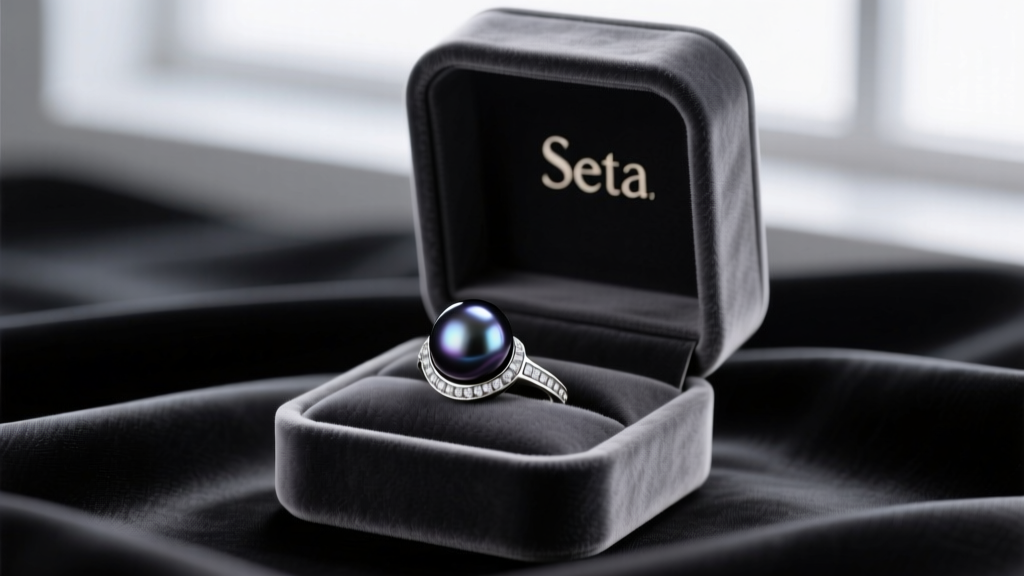
Why Seta Jewelry Rings Make Unforgettable Gifts
When it comes to gifting fine jewelry, few names carry the quiet luxury and heritage of Seta Jewelry. Renowned for their masterful curation of cultured pearls and precise gemstone settings, Seta Jewelry rings represent a timeless investment. But with collections spanning from delicate freshwater stacks to commanding South Sea cocktail rings, selecting the perfect piece requires more than just guessing a ring size. It demands an understanding of pearl grading, metal metallurgy, and occasion-specific styling.
In this 2026 gift guide, we break down the exact specifications of Seta Jewelry rings, providing a definitive matrix to match specific milestones with the correct pearl type, metal grade, and price point.
The Occasion Matching Matrix
Not all pearls suit all milestones. A college graduation calls for a different aesthetic and durability level than a 30th wedding anniversary. Below is our expert matching framework for 2026.
| Occasion | Recommended Pearl Type | Optimal Metal Setting | 2026 Price Range |
|---|---|---|---|
| 10th+ Anniversary | South Sea (White or Golden) | 18k Yellow or White Gold | $1,200 - $3,500+ |
| College Graduation | Freshwater (AAA Grade) | 925 Sterling Silver (Rhodium) | $150 - $350 |
| Milestone Birthday (30/40/50) | Tahitian Black (Peacock Overtone) | 14k White Gold or Platinum | $800 - $2,200 |
| Valentine's Day | Pink Peach Freshwater | 14k Rose Gold | $250 - $600 |
| Mother's Day | Akoya or Classic White Freshwater | 14k Yellow Gold | $300 - $900 |
Decoding Pearl Grades and Nacre Thickness
To gift a Seta Jewelry ring with confidence, you must understand what drives the valuation of their centerpieces. According to the Gemological Institute of America (GIA), pearl value is dictated by size, shape, color, luster, surface quality, and nacre thickness.
Tahitian vs. South Sea: The Heavyweights
Seta's premium lines often feature Tahitian and South Sea pearls. Tahitian pearls, cultivated in the black-lipped Pinctada margaritifera oyster, are famous for their dark body colors and peacock or aubergine overtones. When gifting these, look for a minimum nacre thickness of 0.8mm—the legal export requirement from French Polynesia, ensuring the pearl will not peel or degrade over decades of wear.
South Sea pearls, grown in the Pinctada maxima oyster, offer a satiny, luxurious luster rather than the mirror-like shine of Akoyas. A 12mm AAAA-grade South Sea pearl ring is the ultimate status gift, commanding high prices due to the 2-to-3-year cultivation period required to achieve such size and nacre depth.
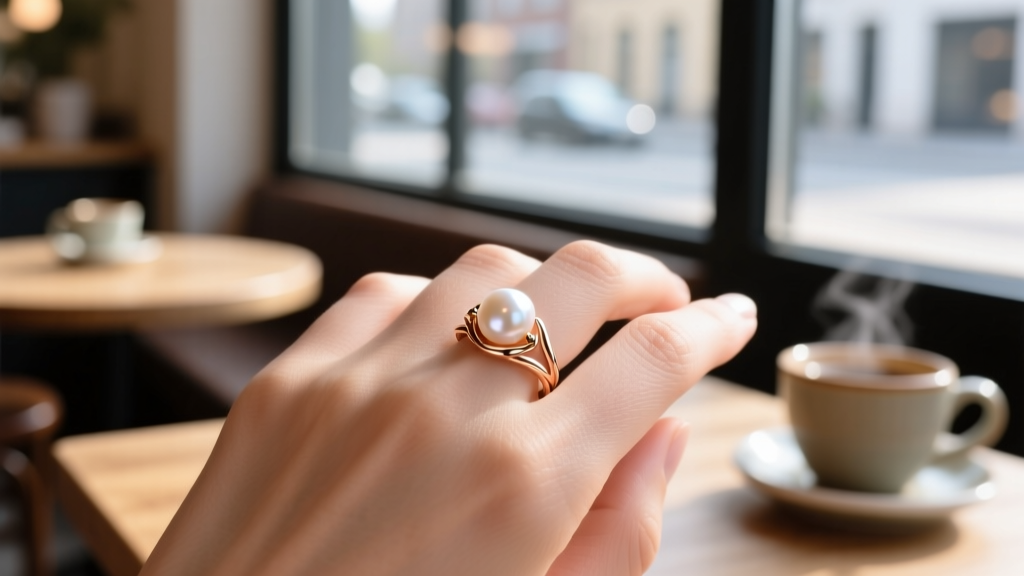
The Freshwater Advantage for Everyday Wear
For occasions that demand a lower price point without sacrificing beauty, Seta's AAA-grade freshwater pearl rings are exceptional. Modern tissue-nucleated freshwater pearls are nearly 100% solid nacre, making them incredibly durable against chipping. This makes them the superior choice for younger recipients or those with active lifestyles who might subject a softer, bead-nucleated saltwater pearl to accidental impacts.
Matching Pearl Overtone to Skin Undertones
A frequent mistake when gifting pearl rings is ignoring the recipient's skin undertone. The body color of a pearl is its primary hue, but the overtone—the translucent color that seems to float over the surface—is what truly makes a Seta Jewelry ring harmonize with the wearer's hand.
Cool Undertones
Recipients with cool (pink or bluish) undertones look exceptional in Tahitian pearls with silver or peacock overtones, as well as white South Sea pearls with rose overtones. The cool metallic reflections complement the skin without washing it out. Gifting a Seta ring featuring a grey Tahitian pearl set in platinum or white gold creates a striking, modern contrast that appeals to contemporary aesthetics.
Warm Undertones
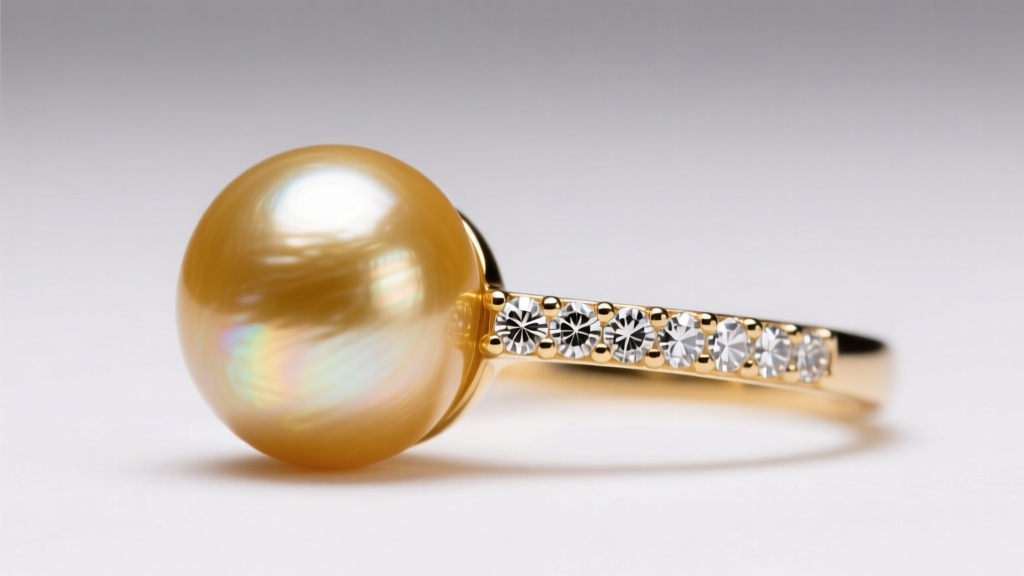
For those with warm (golden, olive, or peachy) undertones, Golden South Sea pearls or peach freshwater pearls are the ultimate choice. The natural golden hues of these pearls, especially when set in 14k or 18k yellow gold, create a seamless, glowing transition from skin to gemstone. A 14mm Golden South Sea pearl ring is a show-stopping gift for a 50th anniversary or a major career milestone, offering a warmth that stark white pearls simply cannot replicate.
Neutral Undertones
Neutral undertones have the versatility to pull off any pearl color, but they particularly shine with Akoya pearls that exhibit strong pinkish-rose overtones, or classic white freshwater pearls. If you are unsure of the recipient's undertone, a high-luster white Akoya or AAA freshwater pearl in a mixed-metal setting (such as a white gold band with yellow gold prong accents) is the safest, most universally flattering option.
Metallurgy and Sizing Considerations
The metal holding the pearl is just as critical as the pearl itself. Seta Jewelry frequently utilizes 925 sterling silver coated in thick rhodium plating for their accessible collections. Rhodium, a platinum-group metal, provides a brilliant white finish and prevents the copper alloys in sterling silver from oxidizing against the skin.
For heirloom-quality gifts, opt for 14k or 18k gold. While 18k gold offers a richer, deeper yellow hue, 14k gold is fundamentally harder due to its higher alloy content. If the Seta ring you are gifting features intricate diamond pavé or delicate prongs securing a heavy round pearl, 14k gold or platinum will offer superior long-term structural integrity.
The Wide-Band Sizing Rule
Pearl rings, particularly cocktail and dome styles, often feature wider galleries or shanks to support the weight of the gemstone. If the Seta ring you are gifting has a band wider than 6mm, standard sizing will feel too tight. The industry rule of thumb is to size up by a quarter to a half size to accommodate the reduced skin displacement. Always verify the recipient's ring size using a wide-band mandrel rather than a standard thin measuring tape.
Presentation and Lifelong Care Instructions
Gifting a pearl ring extends beyond the unboxing experience; it includes educating the recipient on proper preservation. Pearls rank at a mere 2.5 to 3.0 on the Mohs hardness scale, making them highly susceptible to scratching and chemical damage. The Jewelers of America strictly advises against using ultrasonic or steam cleaners on any pearl jewelry.
Include a care card with your gift detailing the "Last On, First Off" rule: pearls should be the last item put on after applying cosmetics, perfumes, and hairsprays, and the first item removed upon returning home. After wearing, they should be gently wiped with a damp microfiber cloth to remove acidic skin oils that can slowly dissolve the nacre over time.
Expert Gifting Tip: When presenting a Seta Jewelry pearl ring, avoid storing it in airtight plastic bags or safety deposit boxes for long periods. Pearls require ambient moisture to prevent the nacre layers from drying out and cracking. A breathable silk or velvet pouch is the ideal storage environment.
By aligning the specific pearl variety, metal grade, and structural design of a Seta Jewelry ring with the recipient's milestone and lifestyle, you elevate a simple gift into a deeply considered, generational heirloom.