Tree Ring Jewelry Guide: How to Wear Wood Inlay Rings
Discover the ultimate beginner guide to tree ring jewelry. Learn about wood inlay ring materials, sizing limits, durability, and styling tips.

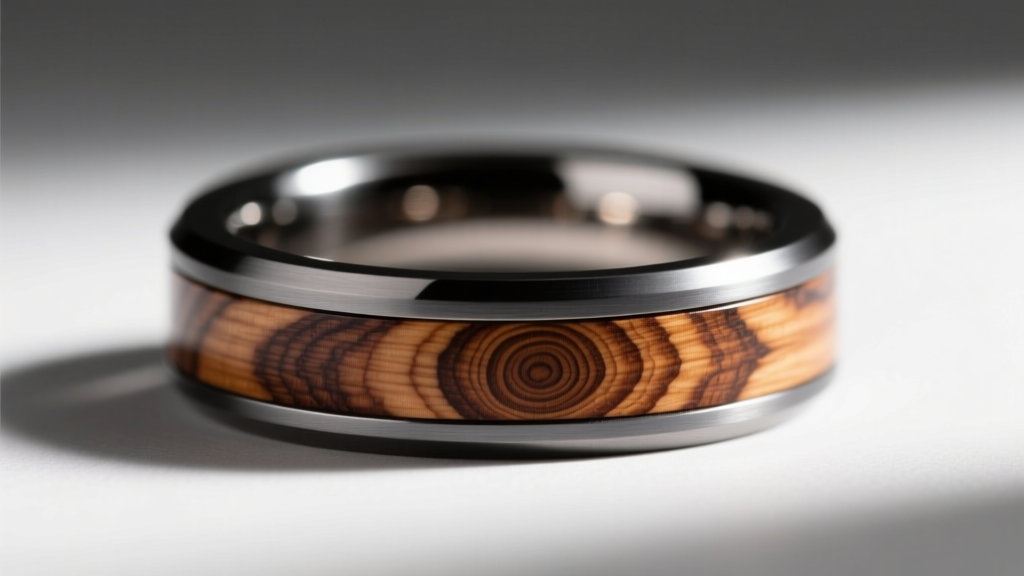
Nature has always been a profound source of inspiration for jewelers, but few motifs capture the passage of time quite like the concentric circles of a tree trunk. For beginners stepping into the world of organic accessories, tree ring jewelry offers a deeply personal, grounding aesthetic. Whether you are drawn to the rustic charm of raw wood or the sleek modernity of metal-cast dendrochronology, navigating the nuances of wooden and nature-inspired finger rings requires specific knowledge. Unlike traditional gold or silver bands, wood-integrated rings behave differently regarding temperature, moisture, and physical impact.
This comprehensive guide will walk you through everything you need to know about selecting, sizing, and maintaining tree ring jewelry, ensuring your piece lasts a lifetime while retaining its natural beauty.
What Defines Tree Ring Jewelry?
When we talk about tree ring jewelry in the context of finger rings, we are generally referring to three distinct manufacturing techniques. Understanding the difference is crucial for assessing durability and price.
1. Wood Inlay Rings
The most popular and accessible style features a metal band with a channel carved into it, housing a thin strip of wood. The wood is sanded flush with the metal, allowing the natural tree rings to wrap around the finger. These rely on the metal for structural integrity while showcasing the organic material.
2. Solid Wood or Petrified Wood Bands
Carved entirely from a single piece of hardwood, fossilized wood, or petrified wood. While visually striking, solid raw wood rings are highly susceptible to cracking and swelling. Petrified wood, which is essentially stone (quartz), is much more durable but significantly heavier and more brittle.
3. Cast Metal Motifs
For those who love the aesthetic but want the indestructibility of solid metal, some jewelers use 3D scanning and lost-wax casting to create exact metal replicas of tree ring cross-sections in sterling silver, 14k gold, or platinum.
The Science of Wood Stabilization
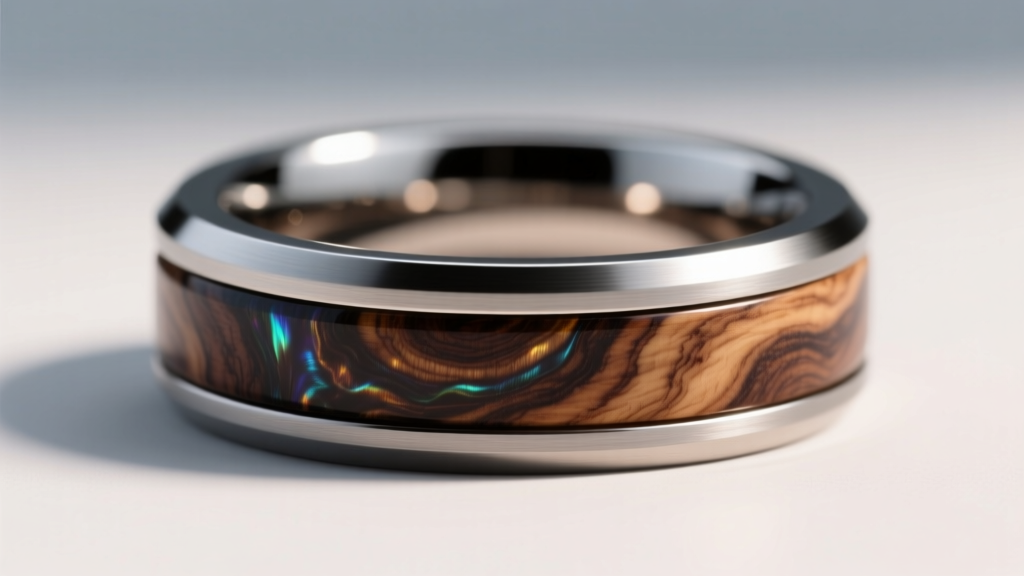
If you are purchasing a wood inlay ring, the single most important E-E-A-T factor to verify is whether the wood has been stabilized. Raw wood is hygroscopic, meaning it absorbs and releases moisture from the air. This causes the wood to expand and contract, which can lead to the wood popping out of the metal channel or cracking under tension.
High-quality tree ring jewelry utilizes a vacuum stabilization process. According to material experts at The Wood Database, stabilization involves placing the wood in a vacuum chamber to remove all air and moisture, then submerging it in an acrylic resin (often branded as Cactus Juice). The resin permeates the cellular structure of the wood, transforming it into a dense, moisture-impervious material that behaves more like stone than organic timber. Always ask the jeweler if their inlays are stabilized before purchasing.
Choosing the Right Metal Base
The metal you choose for your wood inlay ring dictates its lifespan, weight, and emergency removal safety. Here is a comparison of the most common metals used in tree ring jewelry:
| Metal Type | Durability & Scratch Resistance | Emergency Removal | Best Wood Pairing |
|---|---|---|---|
| Aerospace Titanium (Grade 5) | Highly durable, lightweight, hypoallergenic. Will scratch but won't shatter. | Can be cut with standard hospital ring cutters. | Delicate burls, Koa, Maple. |
| Tungsten Carbide | Extremely scratch-resistant (Mohs 9). Very heavy. Brittle and can shatter if dropped on tile. | Cannot be cut; must be cracked off with vice grips. | Dense woods like Ebony or Walnut. |
| Sterling Silver (925) | Soft, prone to scratching and bending. Requires rhodium plating for tarnish resistance. | Easily cut with standard tools. | Carved metal motifs rather than inlays. |
| Stainless Steel (316L) | Tough, affordable, but difficult to resize or repair if the wood inlay fails. | Requires heavy-duty bolt cutters or specialized saws. | Budget-friendly rustic woods. |
For everyday wear, especially as a wedding band, Grade 5 Titanium is widely considered the gold standard for wood inlay rings due to its optimal balance of strength, lightweight comfort, and safety.
The Sizing Dilemma: Why Wood Rings Are Tricky
Sizing is where most beginners make costly mistakes with tree ring jewelry. Because wood cannot be soldered, stretched, or compressed like gold or silver, wood inlay rings generally cannot be resized once manufactured. If your finger size fluctuates due to temperature, diet, or humidity, a rigid wood-metal ring will quickly become uncomfortable.
Follow these actionable sizing rules:
- Measure at Multiple Times: Fingers swell in the morning and in hot weather. Measure your finger at least three times across different days and temperatures.
- Understand Comfort Fit: Most high-end wood rings use a 'comfort fit' interior, which is slightly domed. A comfort fit size 8 often feels like a standard size 7.5. Consult the American Gem Society sizing charts and adjust accordingly if the jeweler uses comfort fit dimensions.
- The Knuckle Test: If you have large knuckles, the ring must fit over the knuckle but may spin on the base of your finger. Consider a silicone ring guard for the base rather than sizing up, which will make the ring too loose when your hands are cold.
Daily Care and Maintenance
Even with stabilized wood, the finish of your tree ring jewelry requires specific care to maintain its luster and protect the wood from degrading oils and chemicals.
What to Avoid
Never wear your wood inlay ring in chlorinated pools, hot tubs, or while using harsh household cleaners like bleach. Chlorine can degrade the acrylic resins used in stabilization and discolor the wood. Additionally, remove the ring before lifting heavy weights; the metal can bend slightly under extreme pressure, which will cause the rigid wood inlay to snap.
Re-oiling vs. CA Finishes
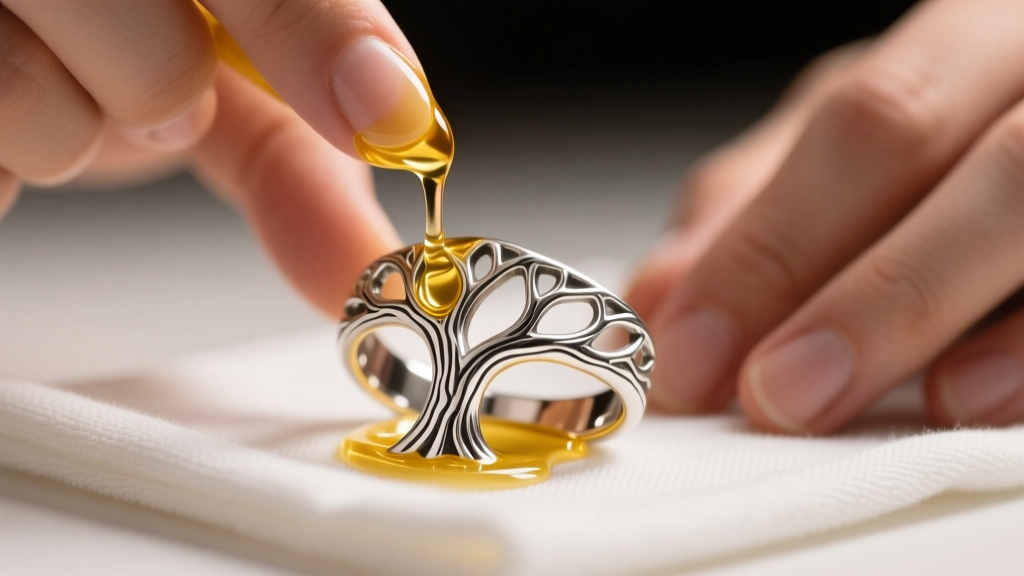
Check with your jeweler about the topcoat. Many modern rings use a Cyanoacrylate (CA) glue finish, which creates a hard, glass-like, waterproof shell over the wood. These require zero oiling but can eventually scratch and require professional re-polishing. Older or more rustic styles use Tung oil or Carnauba wax. These require you to apply a drop of specialized wood conditioning oil every few months to prevent the wood from looking ashy and dry.
Styling and Finger Placement
Tree ring jewelry carries a distinctly earthy, grounded energy. How you style it depends on the width of the band and the contrast of the wood.
Pro Tip: High-contrast woods, like pale Maple burl set in black tungsten, draw the eye immediately and act as statement pieces. Low-contrast woods, like dark Walnut in yellow gold, offer a subtle, sophisticated look suitable for conservative office environments.
- The Ring Finger: Ideal for 6mm to 8mm bands. Wood inlays are incredibly popular for alternative wedding bands, symbolizing deep roots and continuous growth.
- The Thumb: Thumbs can accommodate wider, chunkier bands (10mm+). A thick band featuring chaotic, swirling tree ring patterns (like Redwood burl) makes an excellent, masculine thumb ring.
- The Index Finger: Best for signet-style rings where the tree ring motif is cast in metal or set as a flat, polished wood cabochon on top of a metal bezel.
Pricing Tiers: What Should You Expect to Pay?
The cost of tree ring jewelry varies wildly based on the rarity of the wood and the complexity of the metalwork.
- Entry-Level ($40 - $120): Typically features stainless steel or sterling silver with raw, unstabilized wood veneers. These are fashion rings and will likely degrade or crack within a year of daily wear.
- Mid-Tier ($150 - $400): The sweet spot for quality. Expect aerospace-grade titanium or tungsten paired with beautifully stabilized, highly figured woods like Hawaiian Koa, Amboyna burl, or Black Palm. These rings are built for daily, lifelong wear.
- Luxury & Bespoke ($600 - $1,500+): Features precious metals (14k/18k gold, platinum) combined with rare, ancient woods such as 40,000-year-old Bog Oak, ancient Kauri wood, or custom Mokume-gane metal layering that mimics tree rings alongside actual wood inlays.
Investing in a mid-tier or luxury piece ensures you are paying for the vacuum stabilization process and precision CNC-machined metal channels that keep the wood secure for decades. By understanding the material science and sizing quirks of tree ring jewelry, you can confidently select a piece that connects you to nature without sacrificing modern durability.

