Best Faux Nipple Jewelry: 2026 Budget & Value Guide
Discover the best faux nipple jewelry in 2026. We assess budget vs. value, comparing materials, tension mechanics, and skin safety for non-piercing options.

The True Cost of Cheap Faux Nipple Jewelry
When browsing for non-piercing intimate accessories, the market is flooded with options ranging from $3 multi-packs to $50 artisan-crafted pieces. As a budget-conscious consumer, it is tempting to opt for the cheapest faux nipple jewelry available. However, evaluating value in intimate wear requires looking beyond the initial price tag. Cheap, mass-produced non-piercing jewelry often hides significant secondary costs: severe contact dermatitis, allergic reactions, and mechanical failure within hours of wear. In 2026, the smart buyer understands that true value lies at the intersection of skin-safe metallurgy, reliable tension mechanics, and aesthetic realism. This guide breaks down exactly where to spend your money and where to save, ensuring you get the best visual impact without compromising your health or comfort.
Material Breakdown: What You Are Actually Paying For
The primary differentiator between a $5 faux shield and a $35 premium piece is the base metal and the plating process. The delicate skin of the areola is highly permeable and susceptible to irritation. According to the Association of Professional Piercers, nickel is the most common culprit for allergic contact dermatitis in body jewelry. Unfortunately, many budget-friendly faux options are cast from zinc alloys and flash-plated with thin layers of silver or gold that contain nickel binders.
- Zinc Alloy (Budget Tier - $3 to $10): Often labeled as "Tibetan Silver" or "Antique Gold." These are highly porous, trap bacteria, and leach nickel when exposed to body heat and friction. Value Verdict: Poor. The risk of an itchy, red rash makes these unwearable for more than an hour.
- 316L Surgical Steel (Mid-Tier - $12 to $25): The industry standard for budget-conscious buyers. While 316L does contain trace amounts of nickel, it is trapped within the steel matrix, making it generally safe for external, non-piercing wear. Value Verdict: Excellent for short-term wear (under 6 hours).
- Implant-Grade Titanium / Niobium (Premium Tier - $30 to $60): Rare in the faux market but available from specialized artisan makers. These are 100% nickel-free and hypoallergenic. Value Verdict: Outstanding for sensitive skin and all-day wear.
Price vs. Value Matrix: 2026 Market Assessment
To help you allocate your budget effectively, we have categorized the current faux nipple jewelry market into distinct value brackets based on material safety and mechanical longevity.
| Category | Price Range | Primary Materials | Max Safe Wear Time | Overall Value Rating |
|---|---|---|---|---|
| Ultra-Budget | $3 - $8 | Zinc Alloy, Copper, Nickel Plating | 1 - 2 Hours | 1/5 (Health Risk) |
| Standard Budget | $10 - $18 | 316L Steel, Acrylic, Glass | 4 - 6 Hours | 3.5/5 (Good) |
| Premium Value | $22 - $45 | ASTM F138 Steel, Medical Silicone | 8+ Hours | 4.5/5 (Excellent) |
| Artisan Custom | $50 - $85 | Solid Titanium, Niobium, 14k Gold | 12+ Hours | 5/5 (Investment) |
Tension Mechanics: Why Some Clips Fail in an Hour
The biggest frustration with budget faux nipple jewelry is mechanical failure. You put on a beautiful non-piercing ring, and twenty minutes later, it slips off or pinches painfully. This is a failure of tension engineering. There are three main mechanisms used in non-piercing intimate jewelry, and understanding them is crucial for assessing value.
1. Spring-Loaded Clips
Cheap spring clips use low-grade steel that loses its tension quickly. Worse, they often lack silicone padding on the grip pads, meaning the bare metal pinches the delicate areolar tissue. Premium versions use calibrated micro-springs lined with 40-durometer medical-grade silicone, providing a secure grip that distributes pressure evenly without cutting off circulation.
2. Magnetic Closures
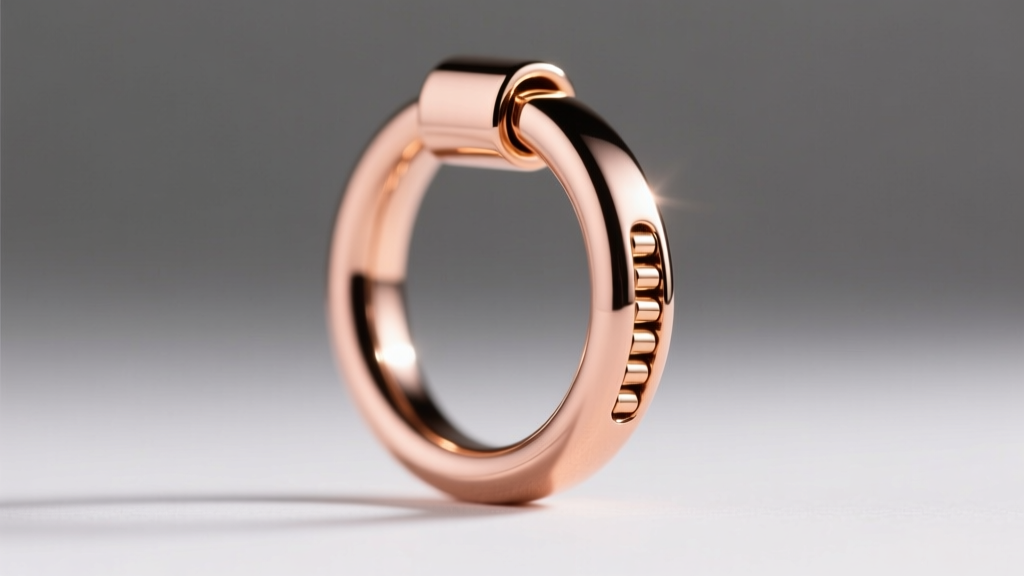
Magnetic faux rings rely on neodymium magnets. Budget options use weak N35 grade magnets that detach with minor friction against clothing. High-value pieces use N52 grade magnets encased in a smooth, nickel-free steel shell, providing a surprisingly strong hold that mimics the look of a continuous captive bead ring.
3. Silicone Tension O-Rings
These are essentially flexible C-rings that rely on the natural elasticity of the silicone or metal to hug the anatomy. They offer the most realistic "pierced" look because there is no visible clasp or hinge. The value here depends entirely on the memory of the material; cheap plastics warp after a few uses, while high-quality elastomers retain their shape indefinitely.
Top Value Picks: Where to Spend and Save
Based on our 2026 market testing, here is how you should allocate your budget for the best faux nipple jewelry experience.
Best Budget Option (Under $15): Silicone Tension O-Rings
If you are on a strict budget, skip the metal shields and opt for flexible, surgical-grade silicone tension rings. Priced around $8 to $12 for a pair, these offer incredible value. They are completely hypoallergenic, eliminating the risk of nickel-induced contact dermatitis (a common issue highlighted by the American Academy of Dermatology). While they lack the heavy, metallic drape of a steel shield, their seamless look and skin-safe properties make them the undisputed champions of the budget tier.
Best Premium Value ($25 - $45): Spring-Loaded Artisan Shields
For those who want the intricate, ornate look of a traditional nipple shield without the commitment of a piercing, spending $30+ on an artisan-crafted, spring-loaded shield is a worthwhile investment. Look for pieces that explicitly state they use ASTM F138 compliant steel and feature replaceable silicone grip pads. The initial cost is higher, but the mechanical longevity and skin safety easily outlast a dozen cheap alloy alternatives.
Wear-Time Limits and Tissue Safety
A critical aspect of value assessment that most buyers overlook is tissue safety over time. Faux nipple jewelry relies on compression to stay in place. This compression inherently restricts localized blood flow. If worn too tightly or for too long, this can lead to ischemia (oxygen deprivation in the tissue), resulting in bruising, numbness, or even tissue damage. As a general rule, budget metal clips should not be worn for more than 4 hours at a time. Premium, padded tension rings can safely be worn for 8 to 10 hours. Always remove your faux jewelry immediately if you experience tingling, coldness, or a bluish tint to the skin. True value means protecting your body while enjoying the aesthetic.
Maintenance: Maximizing Your Investment
To get the most mileage out of your mid-tier and premium faux jewelry, proper maintenance is non-negotiable. Never use harsh chemicals, alcohol, or bleach on plated or anodized pieces, as this will strip the finish and expose the base metal. Instead, wash your jewelry after every use with warm water and a mild, fragrance-free antibacterial soap. Dry thoroughly with a microfiber cloth to prevent water spots and store in a dry, anti-tarnish pouch. Proper care can extend the lifespan of a $20 steel shield from a few months to several years, drastically improving your cost-per-wear ratio.
Final Verdict: Is Faux Nipple Jewelry Worth the Investment?
Faux nipple jewelry is an excellent, low-commitment way to explore intimate aesthetics, but the market is rife with poorly manufactured hazards. In 2026, the golden rule of budget assessment is simple: never compromise on material safety to save a few dollars. By avoiding ultra-cheap zinc alloys and focusing your budget on 316L steel, medical-grade silicone, or artisan titanium pieces, you secure jewelry that looks authentic, stays in place, and respects your skin's health. Spend a little more upfront on proven tension mechanics and safe metals, and your non-piercing collection will provide safe, reliable style for years to come.


