Nipple Jewelry Non Pierced: 2026 Buying Guide & Styles
Discover the best nipple jewelry non pierced options in 2026. Our expert buying guide covers tension rings, shields, materials, and safe wear tips.


Introduction to Non-Pierced Nipple Adornment
For those who desire the aesthetic of intimate adornment without the lifelong commitment or healing process of a traditional piercing, nipple jewelry non pierced options offer a brilliant compromise. Whether you are preparing for a special intimate evening, experimenting with body modification aesthetics, or simply cannot commit to the 6-to-12-month healing timeline of a standard 14-gauge barbell, the temporary market has evolved significantly. In 2026, advancements in medical-grade adhesives and tension-calibrated metals mean you no longer have to sacrifice safety for style. However, the delicate vascular structure of the areola demands strict attention to material safety and pressure limits. This comprehensive buying guide will walk you through exactly what to look for, ensuring your temporary adornment is both breathtaking and biologically safe.
Types of Non-Pierced Nipple Jewelry
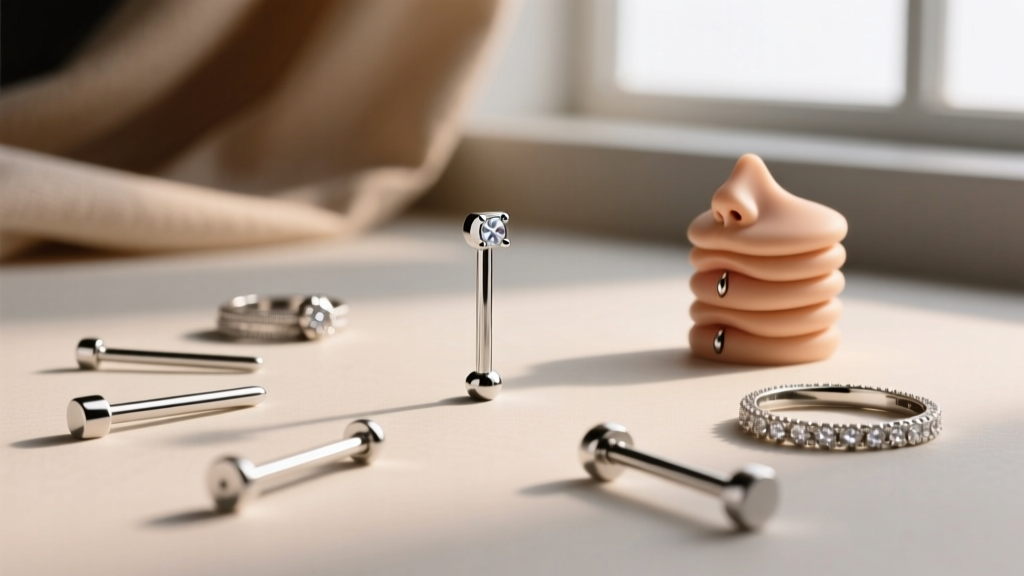
When shopping for nipple jewelry non pierced styles, you will primarily encounter three mechanical designs. Each interacts with the anatomy differently, requiring specific use-case considerations.
Tension Rings and Clip-Ons
Tension rings rely on the spring-like resilience of the metal to grip the base of the nipple. High-quality options use a calibrated hinge or adjustable tension screw, allowing you to customize the grip. The danger with cheap tension rings is excessive clamping force, which can restrict blood flow. Look for designs featuring a silicone or PTFE (Teflon) padding on the inner grip points to distribute pressure and prevent slipping.
Adhesive-Backed Nipple Shields
Nipple shields traditionally slide over a pierced barbell. For non-pierced wear, specialized shields feature a flat, contoured base designed to adhere directly to the areola using medical-grade skin adhesives. These are ideal for intricate, ornate designs—such as filigree sunbursts or gemstone halos—that would be too heavy for a tension ring. The key here is the adhesive; never use craft glues or standard lash adhesives, which can cause severe contact dermatitis on the highly porous areolar skin.
Magnetic Clasps and Chains
Magnetic nipple jewelry uses high-strength neodymium magnets encased in biocompatible shells to clamp through the tissue. While visually striking, especially when connected by delicate body chains, magnets pose the highest risk of ischemia (restricted blood supply). If you opt for magnetic styles, ensure the magnets are graded for jewelry and feature a physical barrier to prevent pinching the skin directly between the poles.
Material Safety: What Touches Your Skin
The areola is rich in nerve endings and sebaceous glands, making it highly susceptible to allergic contact dermatitis and bacterial trapping. When selecting nipple jewelry non pierced pieces, the material is non-negotiable. According to the Association of Professional Piercers (APP), only specific implant-grade metals should be used for prolonged skin contact, especially in sensitive intimate zones.
| Material | Safety Grade | Best For | Pros & Cons |
|---|---|---|---|
| ASTM F136 Titanium | Excellent | Tension rings, shields | Hypoallergenic, lightweight, highly polished. Expensive. |
| Niobium | Excellent | Clip-ons, adjustable rings | Nickel-free, easily anodized for color. Softer metal, can bend. |
| 316L Surgical Steel | Moderate | Short-term wear only | Affordable, shiny. Contains nickel; risky for sensitive skin. |
| Medical-Grade Silicone | Good | Grip pads, flexible rings | High friction, soft. Can trap sweat if not cleaned properly. |
Avoid 'mystery metals' or gold-plated brass. The American Academy of Dermatology (AAD) warns that nickel exposure is the leading cause of allergic contact dermatitis, and the friction from a non-pierced tension ring can easily micro-abrade the skin, introducing nickel ions directly into the bloodstream.
Sizing and Tension: Avoiding Ischemia
Sizing non-pierced jewelry is vastly different from measuring for a 14-gauge or 12-gauge piercing barbell. You are measuring the circumference and projection of the nipple in its aroused or stimulated state, as well as its resting state.
The Capillary Refill Test
The most critical safety protocol for tension-based nipple jewelry non pierced designs is the capillary refill test. Once the jewelry is applied, gently press the skin just adjacent to the grip point. The skin should turn white (blanch) and return to its normal pink or natural color within 2 seconds. If the skin remains pale, or if you experience a cold sensation, throbbing, or numbness, the tension is too high.
Wear Time Limits
Unlike healed piercings that can wear jewelry 24/7, temporary tension jewelry must be removed to allow tissue reperfusion.
- Tension Rings: Maximum 2 to 4 hours of continuous wear.
- Magnetic Clasps: Maximum 1 to 2 hours. The constant compressive force is unforgiving.
- Adhesive Shields: Can be worn for 6 to 8 hours, provided the adhesive is breathable and does not cause maceration (softening of the skin from trapped moisture).

Top Brands and Where to Buy in 2026
Finding reputable vendors for nipple jewelry non pierced styles requires looking beyond standard fashion accessory sites. You need retailers who understand intimate anatomy and biocompatible manufacturing.
- Body Art Forms (BAF): Known for their high-end titanium and niobium options, BAF offers adjustable tension rings with PTFE padding. Their pieces are machined to exact tolerances, ensuring smooth edges that won't scratch delicate tissue.
- Urban Body Jewelry: A fantastic resource for custom-anodized niobium clip-ons. They provide detailed sizing guides and offer tension-calibration services for their rings.
- Specialty Theatrical Adhesive Brands: For adhesive shields, look for skin-safe adhesives like Pros-Aide or Telesis. Never buy pre-glued 'stick-on' nipple rings from fast-fashion sites, as the industrial adhesives used are toxic to the areola.
Aftercare and Hygiene for Temporary Wear
Even though you do not have an open wound, the friction and pressure from non-pierced jewelry can compromise the skin barrier. Proper hygiene is essential to prevent folliculitis or Montgomery gland inflammation.
Cleaning the Jewelry
After every use, wash tension rings and magnetic clasps in warm water with a mild, fragrance-free antibacterial soap. Use a soft-bristled toothbrush to gently scrub the crevices where dead skin cells and sebum can accumulate. For adhesive shields, use a dedicated medical adhesive remover (like Detachol) to dissolve the glue residue without bending the metal.
Prepping the Skin
Before application, cleanse the areola with a gentle, non-exfoliating wash. Avoid applying lotions, oils, or body powders, as these will degrade medical adhesives and reduce the friction required for tension rings to stay in place. If you experience any redness, micro-tears, or localized swelling after removing the jewelry, apply a thin layer of plain petroleum jelly and abstain from wearing any tension-based adornments until the skin is fully restored.
Final Verdict
Exploring nipple jewelry non pierced options is a fantastic way to enjoy intimate aesthetics on your own terms. By prioritizing ASTM F136 titanium or pure niobium, respecting strict wear-time limits, and utilizing the capillary refill test, you can safely experiment with tension rings, adhesive shields, and magnetic chains. Remember that the delicate vascular network of the breast requires respect; never sacrifice tissue health for the sake of a tighter grip. Invest in high-quality, anatomically designed pieces from reputable body jewelry vendors, and your temporary adornments will be as safe as they are stunning.