Heart Nipple Piercing Jewelry: Troubleshooting Snags & Fit
Fix common issues with heart nipple piercing jewelry. Learn how to prevent snagging, choose safe titanium grades, and size shields for comfortable healing.

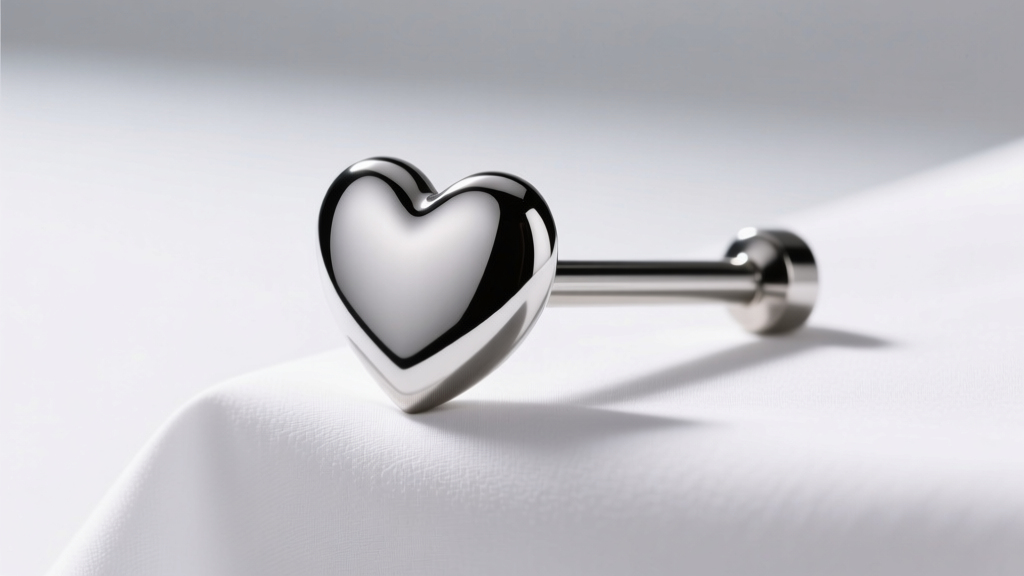
The Biomechanical Challenges of Heart Nipple Piercing Jewelry
Nipple piercings are a bold expression of personal style, and heart nipple piercing jewelry is consistently one of the most requested aesthetic upgrades in professional studios. However, the romantic silhouette of a heart introduces unique biomechanical challenges that standard circular or straight barbells do not. The distinct anatomy of a heart shape—featuring a top cleft, wide lobes, and a tapered bottom point—creates multiple contact points against the areola and surrounding tissue. When improperly sized or crafted from inferior metals, these contact points can lead to pressure necrosis, chronic irritation, and the dreaded 'cheese-cutter' migration effect.
As a troubleshooting guide, we must first acknowledge that not all heart designs are created equal. A heart charm dangling from a captive bead ring behaves entirely differently than a fixed heart shield on a straight barbell. The former swings and catches, while the latter applies static pressure. Understanding these mechanics is the first step in solving the most common complaints associated with intimate heart-shaped jewelry.
Troubleshooting Snagging and Catching on Clothing
The number one complaint among enthusiasts of heart nipple piercing jewelry is snagging. The upper lobes of a heart shield or charm naturally form a hook-like silhouette. If you frequently wear lace bras, knit sweaters, or loose towels, these lobes will inevitably catch on loose threads. Over time, repetitive micro-trauma from snagging causes the fistula (the piercing channel) to develop hypertrophic scarring or irritation bumps.
The 'Smooth Edge' Requirement and Threading
To solve the snagging issue, you must evaluate both the macro-shape and the micro-finish of your jewelry. Avoid 'filigree' or 'lace-pattern' heart shields for daily wear. While visually striking, the negative space in these designs acts as a snare for clothing fibers. Instead, opt for solid, highly polished heart shields with beveled edges. Furthermore, inspect the threading. According to the Association of Professional Piercers (APP), externally threaded jewelry should never be worn in a healed or healing nipple piercing. The sharp threads act like a cheese grater on the delicate fistula. Always choose internally threaded or threadless (push-pin) heart jewelry to ensure a seamless transition from the barbell to the heart end.
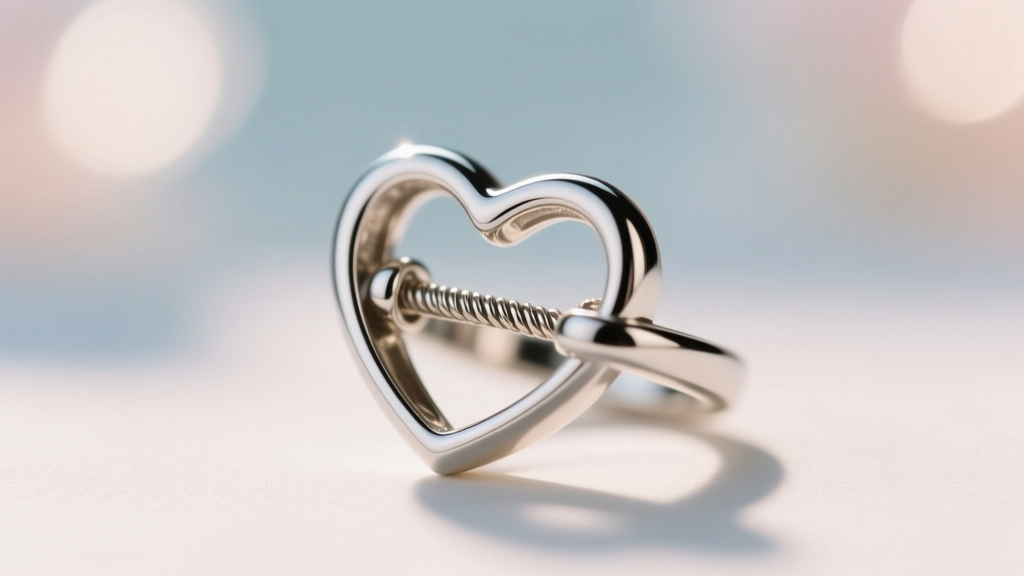
Solving Sizing and Constriction Issues
A heart shield that is too wide will rub against the areola during temperature changes or physical arousal, causing friction burns. Conversely, a heart shield that is too narrow will constrict the nipple base, restricting blood flow and causing the jewelry to embed. Nipple bases vary wildly from person to person, typically ranging from 8mm to over 15mm in diameter when erect.
Barbell Length and Gauge Considerations
When troubleshooting fit, the barbell length is just as critical as the heart shield width. Standard nipple barbells range from 3/8' (9.5mm) to 3/4' (19mm). If the bottom point of your heart shield is digging into the lower areola, your barbell is likely too short, forcing the shield to sit at an angle rather than flush against the tissue. Upgrading to a 12-gauge (2.0mm) barbell instead of the standard 14-gauge (1.6mm) can also provide the structural rigidity needed to support the uneven weight distribution of a heart shape, preventing the jewelry from drooping and irritating the lower piercing hole.
| Nipple Base Diameter (Erect) | Recommended Heart Shield Width | Minimum Barbell Length | Recommended Gauge |
|---|---|---|---|
| 8mm - 10mm | 9mm - 11mm | 3/8' (9.5mm) | 14g (1.6mm) |
| 11mm - 13mm | 12mm - 14mm | 1/2' (12.7mm) | 14g or 12g |
| 14mm - 16mm+ | 15mm+ | 5/8' (15.9mm) | 12g (2.0mm) |
Material Reactions: When Your Heart Turns Green (or Hurts)
If the skin around your heart nipple piercing jewelry is persistently red, itchy, or weeping clear fluid, you are likely dealing with contact dermatitis rather than a simple mechanical irritation. Many novelty or mall-kiosk heart shields are manufactured from 'surgical steel' (316L), which contains up to 10% nickel. The warm, moist environment of the intimate region accelerates the leaching of nickel ions into the skin, triggering severe allergic reactions.
Identifying True Implant-Grade Titanium
The definitive solution is to switch to implant-grade titanium, specifically ASTM F136. As detailed by high-end manufacturers like Anatometal, ASTM F136 titanium is entirely nickel-free and features a mirror-polished surface that resists bacterial adhesion. If you are purchasing heart nipple shields online, demand a mill certificate or explicit proof of ASTM F136 compliance. 'Titanium-plated' or 'titanium-colored' brass and steel alloys are common culprits in delayed allergic reactions and must be avoided entirely.
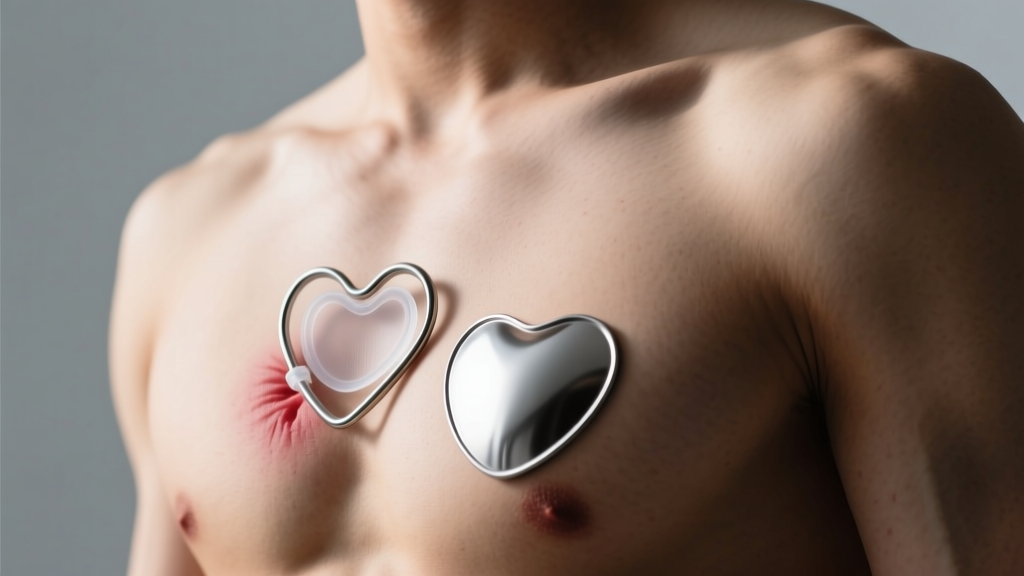
Step-by-Step Rescue Guide for Irritated Piercings
If your current heart nipple piercing jewelry has already caused irritation, embedding, or a localized bump, follow this troubleshooting protocol to save the piercing:
- Step 1: Remove the Heart Shield.
- Step 2: Adjust the Length.
- Step 3: Sterile Saline Soaks.
- Step 4: Reintroduce the Heart.
By respecting the unique geometry of heart-shaped designs and prioritizing premium materials and precise measurements, you can enjoy the aesthetic appeal of heart nipple jewelry without sacrificing the long-term health and stability of your piercing.


