Fake Nipple Jewelry: Technical Guide to Safe Non-Piercing Shields
Explore the technical details of fake nipple jewelry. Learn about body-safe materials, magnetic vs adhesive non-piercing shields, and wear-time limits.


The Engineering of Non-Piercing Nipple Adornment
The market for fake nipple jewelry has evolved significantly from cheap novelty plastics to sophisticated, biocompatible adornments. As of 2026, the best non-piercing alternatives rely on advanced material science and biomechanical engineering to stay secure without a fistula. The areola is a highly dynamic topography, rich in smooth muscle fibers (the muscle of Meyer) and Montgomery glands that respond to temperature, friction, and tactile stimulation. Designing fake nipple jewelry requires accommodating this constant physiological shifting. In this expert deep dive, we analyze the structural integrity, material safety, and dermatological limits of modern non-piercing nipple shields, tension rings, and adhesive pieces.
Material Science: Body-Safe Silicone vs. Toxic Plastics
The foundation of any safe intimate jewelry is its material composition. The skin on the areola is exceptionally thin and highly permeable, making it vulnerable to chemical leaching. Cheap, mass-produced fake nipple jewelry is often manufactured from Polyvinyl Chloride (PVC) softened with phthalates like DEHP. These plasticizers are known endocrine disruptors that can easily migrate into the skin through sweat and body heat.
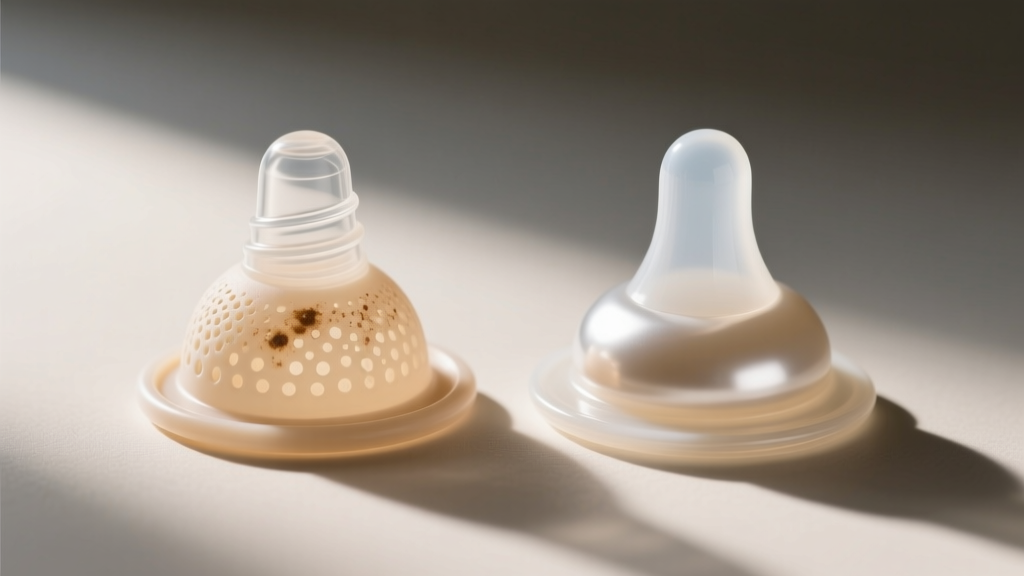
The Platinum-Cure Silicone Standard
Expert manufacturers utilize platinum-cure silicone, a biocompatible elastomer that contains no toxic byproducts or latex proteins. When evaluating silicone fake nipple jewelry, the Shore A Durometer rating is critical. This scale measures the hardness of the elastomer:
- Shore 10A: Too soft and tacky; prone to micro-tearing and trapping bacteria.
- Shore 20A - 30A: The optimal range. It mimics the elasticity of human tissue, providing enough structural memory to maintain a suction seal without chafing the Montgomery glands.
- Shore 40A+: Too rigid; causes friction burns and fails to accommodate nipple erection or contraction.
Always verify that the silicone is certified USP Class VI or medical-grade, ensuring it has passed rigorous cytotoxicity testing.
Attachment Mechanisms Analyzed: Suction, Magnetic, and Adhesive
Without a piercing channel, fake nipple jewelry must rely on external physics. Each method carries distinct physiological risks and wear-time limitations.
Suction and Tension Rings
Tension-based shields utilize the elastic memory of medical-grade silicone or annealed steel to create negative pressure against the areola. The base ring must be precisely calibrated; if the tension exceeds capillary perfusion pressure (typically around 25-32 mmHg), it will restrict blood flow. High-quality tension rings feature a flared, beveled inner edge to distribute pressure evenly across a wider surface area, reducing the risk of localized ischemia.
Neodymium Magnets: The Hidden Dangers
Magnetic nipple clips use rare-earth neodymium magnets to clamp the tissue. While convenient, they are fraught with danger if the wrong magnetic grade is used. Many cheap imports use N52 grade magnets, which generate an aggressive pull force that easily crushes delicate areolar capillaries, leading to pressure necrosis and blistering within minutes. Safe magnetic fake nipple jewelry should use lower-grade N35 magnets paired with a thick silicone buffer pad to disperse the magnetic flux density.
Medical-Grade Adhesives
For elaborate, heavy metal non-piercing shields, adhesives are required. Never use cyanoacrylate (Super Glue), which triggers an exothermic reaction and bonds permanently to cellular proteins. Instead, professionals use water-based acrylic emulsions like Pros-Aide. These medical-grade adhesives bond securely to the stratum corneum but release cleanly with specialized removers or mineral oil, causing zero epidermal stripping.
Mechanism Comparison Matrix
| Mechanism | Max Safe Wear Time | Tissue Risk Profile | Best Use Case |
|---|---|---|---|
| Silicone Suction | 4 - 6 Hours | Low (if sized correctly) | Daily wear, intimate settings |
| N35 Magnetic | 1 - 2 Hours | Moderate (pinching) | Short-term photo shoots |
| N52 Magnetic | Under 15 Mins | High (necrosis risk) | Avoid entirely |
| Pros-Aide Adhesive | 8 - 12 Hours | Very Low | Heavy metal shields, costumes |
Ergonomics and Sizing: Getting the Fit Right
A common failure point for fake nipple jewelry is improper sizing, which leads to either immediate detachment or severe tissue constriction. Sizing requires two critical measurements: base diameter and nipple projection.
Standard non-piercing shields feature base diameters ranging from 25mm to 35mm. If the base is too narrow, it will act as a tourniquet on the areola. If the nipple projection exceeds the internal depth of the shield's dome (typically 12mm to 15mm), the constant compression will cause pain and trigger an inflammatory response. For individuals with larger projections, custom-cast silicone or open-front tension rings are the only biologically viable options.
Dermatological Safety and Wear-Time Limits
The most critical aspect of wearing fake nipple jewelry is respecting the limits of tissue perfusion. Ischemia occurs when blood flow is restricted, depriving the cells of oxygen. According to dermatological literature on tissue pressure, prolonged restriction can lead to cellular death and ulceration.
When wearing tension or magnetic fake nipple jewelry, perform a capillary refill test every hour. Gently press the skin just outside the jewelry base; it should turn white and then return to its normal pink color within 2 seconds. If the refill takes longer, or if the tissue appears dusky, cyanotic (blue/purple), or cold to the touch, remove the jewelry immediately to restore circulation. Furthermore, trapping sweat and sebum under a suction shield creates an anaerobic environment perfect for Staphylococcus bacteria, necessitating strict adherence to the 6-hour maximum wear limit for suction-based pieces.
Maintenance and Sanitization Protocols
Because fake nipple jewelry lacks the internal biocompatibility requirements of a fistula piercing, cleaning protocols differ slightly, though hygiene remains paramount. The Association of Professional Piercers (APP) emphasizes that porous materials harbor pathogens. Therefore, boiling 100% platinum-cure silicone pieces in distilled water for 10 minutes is the gold standard for sterilization.
For pieces incorporating metal inlays or magnetic cores, boiling will destroy the structural integrity or rust the internal components. Instead, these must be cleaned using a 70% isopropyl alcohol wipe, followed by a thorough rinse with sterile saline to prevent alcohol-induced contact dermatitis on the highly sensitive areolar skin. Always store fake nipple jewelry in a UV-protected, ventilated container to prevent silicone degradation and dust accumulation.
Expert Verdict: When to Choose Fake Over Pierced
Fake nipple jewelry is an exceptional alternative for individuals who are prone to keloid scarring, those undergoing radiation therapy, or anyone who desires the aesthetic of a heavily ornamented nipple shield without the 6-to-12-month healing commitment of a true piercing. By prioritizing Shore 20A-30A platinum-cure silicone, avoiding high-gauss magnets, and strictly monitoring capillary refill times, you can safely enjoy the visual impact of intimate adornment with zero permanent tissue alteration.


