Beginner Guide to Clit Hood Jewelry: Sizing, Styles & Safety
Discover the ultimate beginner guide to clit hood jewelry. Learn about VCH sizing, safe materials like titanium, and the best styles for comfort.

Understanding the Vertical Clitoral Hood (VCH) Piercing
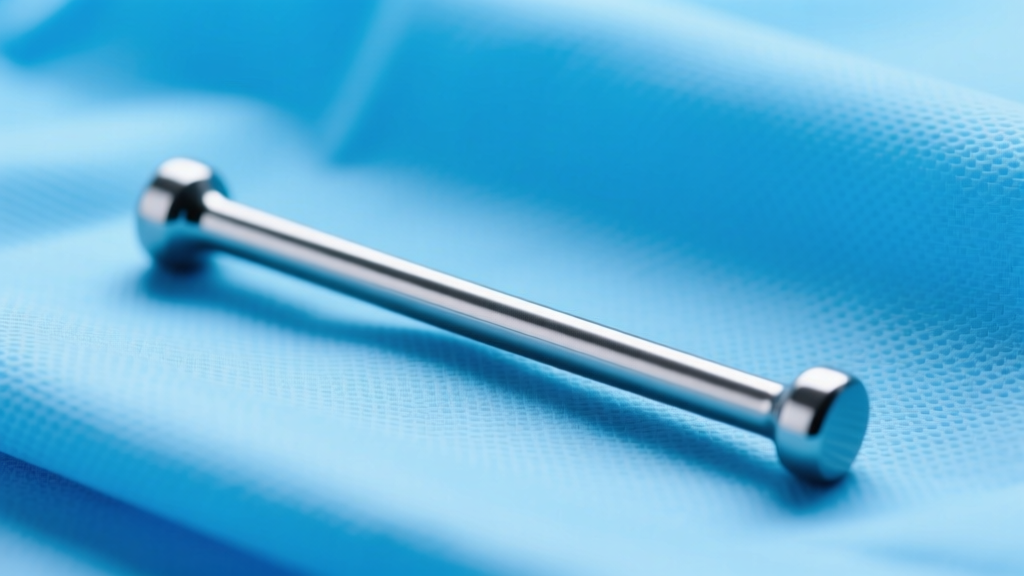
When exploring intimate body modifications, the Vertical Clitoral Hood (VCH) piercing remains one of the most popular and anatomically forgiving choices. Unlike surface piercings or deeper genital modifications, the VCH passes vertically through the prepuce (the hood of tissue protecting the clitoris), allowing the jewelry to rest naturally against the anatomy. However, the success, comfort, and aesthetic appeal of this piercing rely entirely on selecting the correct clit hood jewelry. For beginners, navigating the myriad of gauges, rises, and materials can be overwhelming. This comprehensive guide breaks down the exact specifications you need to ensure your jewelry is safe, comfortable, and perfectly fitted to your unique anatomy.
The Anatomy of a Perfect Fit: Gauge and Length
The most critical aspect of buying clit hood jewelry is understanding the two primary measurements: gauge (thickness) and rise (length). A mismatch in either dimension can lead to migration, embedding, or the dreaded 'cheese-cutter effect.'
Decoding Gauge Thickness
The gauge refers to the thickness of the metal bar that passes through the tissue. For VCH piercings, the industry standard is almost universally 14-gauge (1.6mm). Some individuals with particularly thick hood tissue may opt for a 12-gauge (2.0mm), but 14g is the baseline for initial piercings and most upgrades. Beginners should never attempt to wear 16-gauge (1.2mm) or thinner jewelry in a VCH piercing. Thin jewelry in high-movement areas creates a 'cheese-cutter effect,' where the metal slowly slices through the tissue over time due to friction and tension.
Calculating the Right Rise (Length)
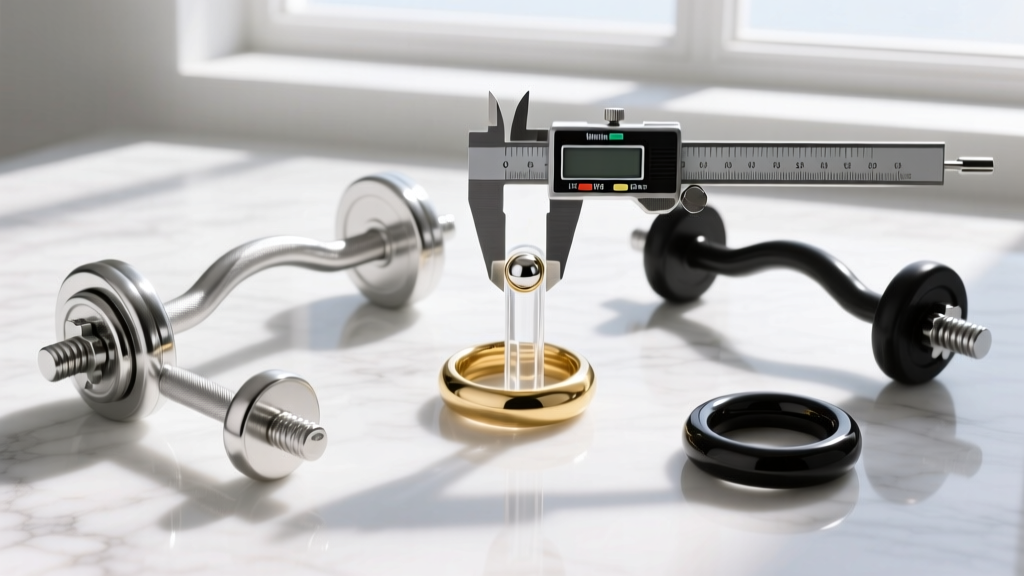
The 'rise' or 'length' of a curved barbell is measured from the inside of one bead to the inside of the other, following the curve of the bar. Standard rises for clit hood jewelry typically range from 3/8-inch (10mm)1/2-inch (12mm). If the rise is too long, the jewelry will snag on clothing and cause unnecessary friction. If the rise is too short, the beads will press into the tissue, causing embedding and restricting natural swelling or movement. Professional piercers use specialized tools like taper gauges or digital calipers to measure the exact depth of your hood before recommending a specific rise.
Material Safety: Protecting Sensitive Tissue
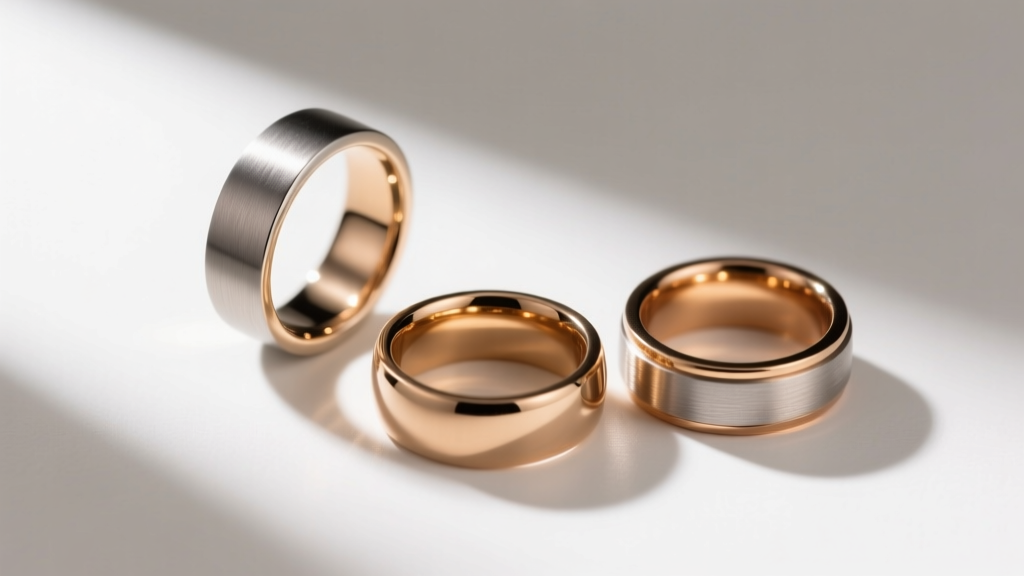
Intimate tissues are highly vascular and sensitive, making material biocompatibility non-negotiable. According to the Association of Professional Piercers (APP), only specific implant-grade materials should be worn in fresh or healed genital piercings. Avoid 'surgical steel' or mystery metals from online marketplaces, as they often contain nickel and porous finishes that harbor bacteria.
| Material | Pros | Cons | Average Price Range |
|---|---|---|---|
| Implant-Grade Titanium (ASTM F136) | Hypoallergenic, lightweight, highly polished, MRI safe. | Limited natural color options without anodizing. | $35 - $85 |
| Niobium | Highly biocompatible, easily anodized to vibrant colors. | Heavier than titanium, slightly softer metal. | $40 - $90 |
| Solid 14k/18k Gold (Nickel-Free) | Luxurious, excellent for long-term healed wear. | Expensive, must be alloyed without nickel or cadmium. | $120 - $300+ |
| 'Surgical' Stainless Steel | Cheap, widely available. | Contains nickel, porous, high risk of allergic reaction. | $5 - $15 |
For your first upgrade or initial piercing, ASTM F136 implant-grade titanium is the undisputed gold standard. It is completely nickel-free and can be mirror-polished to a glass-like finish, which prevents microscopic scratches from irritating the delicate fistula (the piercing channel).
Top Jewelry Styles for Clit Hood Piercings
While the VCH can technically accommodate various shapes, anatomical constraints dictate which styles actually function well in daily life.
Curved Barbells: The Gold Standard
The curved barbell is the most common and practical choice for clit hood jewelry. The gentle arc of the bar follows the natural contour of the clitoral hood, allowing the bottom bead to rest securely against the anatomy without protruding awkwardly. Many high-end brands like Anatometal and Industrial Strength offer 'fixed-bead' curved barbells, where one end is permanently attached. This prevents the bottom bead from unscrewing and getting lost, a common frustration with intimate jewelry.
Captive Bead Rings (CBRs) and Seamless Rings
While some prefer the aesthetic of a ring, CBRs are generally discouraged for VCH piercings unless the anatomy is exceptionally deep. A ring creates a continuous circle that can trap moisture and bacteria against the mucosal tissue. Furthermore, the rigid circular shape often forces the jewelry to sit at an unnatural angle, causing pressure points on the hood. If you prefer a ring aesthetic, a segment ring or a hinged clicker specifically designed with a small diameter (usually 5/16" or 8mm) is a safer alternative, but only after the piercing is fully healed.
Common Beginner Mistakes and Troubleshooting
Even with the best intentions, beginners often make errors when purchasing or changing their intimate jewelry. Here is how to avoid the most frequent pitfalls:
- Changing Jewelry Too Early: A VCH piercing typically takes 4 to 8 weeks to heal initially, but the fistula can remain fragile for months. Changing the jewelry before the 8-week mark can introduce bacteria and cause micro-tears.
- Ignoring Swelling: During the first two weeks, the hood will swell. Piercers intentionally use a longer barbell (e.g., 1/2" or 5/8") to accommodate this. Downgrading to a shorter rise must only happen after the swelling has completely subsided.
- Buying from Unverified Sources: Cheap jewelry from generic e-commerce sites often features rough threading that will tear the piercing channel upon insertion. Always look for internally threaded or threadless (push-pin) jewelry.
"The threading on your jewelry matters just as much as the metal. Externally threaded jewelry acts like a file against the delicate tissue of a VCH piercing. Always insist on internally threaded or threadless titanium from reputable machinists." — APP Certified Piercer Guidelines
Aftercare and Maintenance
Proper aftercare ensures your clit hood jewelry remains comfortable and the piercing stays healthy. The APP recommends a simple, non-invasive cleaning routine:
- Spray the area twice daily with sterile, preservative-free 0.9% sodium chloride saline wound wash.
- Allow the saline to soften any crusties; never pick or force them off, as this can cause bleeding and scarring.
- Rinse gently in the shower with warm water, ensuring no harsh soaps or body washes enter the piercing channel.
- Pat dry with a disposable paper product (like non-woven gauze). Avoid cloth towels, which harbor bacteria and can snag on the jewelry beads.
Pricing Expectations and Trusted Brands
High-quality intimate jewelry is an investment in your health and comfort. Expect to pay between $40 and $90 for a single, high-end titanium curved barbell from reputable brands such as Anatometal, Industrial Strength (IS), NeoMetal, or BVLA. These companies machine their jewelry to strict medical tolerances, ensuring the surface finish is flawless and the threading is precise. While the upfront cost is higher than mall-kiosk alternatives, the elimination of allergic reactions, embedding, and migration makes it a necessary expense.
Final Thoughts on Your First Upgrade
Selecting the right clit hood jewelry is a blend of anatomical awareness and material science. By prioritizing implant-grade titanium, respecting the 14-gauge standard, and carefully measuring your required rise, you set the foundation for a piercing that is not only visually stunning but exceptionally comfortable. When in doubt, always consult with an APP-certified professional piercer who can measure your anatomy in person and order custom-fitted pieces tailored exactly to your body.


