How to Choose and Wear Magnetic Nipple Jewelry Safely
Learn how to safely select, apply, and maintain magnetic nipple jewelry. Discover material grades, magnetic strength limits, and skin care tips.

The Appeal and the Risks of Non-Piercing Nipple Shields
Magnetic nipple jewelry offers the striking aesthetic of traditional nipple shields without the commitment, pain, or months-long healing process of a piercing. Whether you are experimenting with intimate aesthetics for a special occasion or simply prefer non-permanent body modifications, magnetic shields provide an accessible alternative. However, the clamping force of neodymium magnets introduces unique physiological risks that many wearers overlook. The primary concern is ischemia—the restriction of blood flow to the nipple tissue—which can rapidly lead to tissue necrosis if the magnets are too strong or worn for too long.
As of 2026, the market is flooded with cheap, poorly manufactured magnetic jewelry that poses severe risks for contact dermatitis and skin damage. This step-by-step guide will teach you how to select medical-grade materials, properly prepare your skin, and establish a safe wear-time schedule to enjoy magnetic nipple jewelry without compromising your health.
Step 1: Selecting Medical-Grade Materials and Safe Magnets
The most critical factor in choosing magnetic nipple jewelry is the material encasing the magnet and the strength of the magnet itself. Bare neodymium magnets contain nickel, a potent allergen. According to the American Academy of Dermatology (AAD), prolonged exposure to nickel can trigger severe allergic contact dermatitis, resulting in blistering and hyperpigmentation on the highly sensitive areolar skin.
Material Coatings to Look For
- PVD-Coated Titanium: Physical Vapor Deposition (PVD) creates a seamless, biocompatible titanium layer over the steel or magnet core. This is the gold standard for sensitive skin.
- Epoxy-Sealed 316L Surgical Steel: While 316L steel contains trace amounts of nickel, a high-quality, thick epoxy seal prevents moisture and skin oils from reaching the metal. Avoid jewelry where the epoxy looks uneven or chipped.
- Biocompatible Silicone Encasement: Some modern designs encase the magnet entirely in medical-grade silicone, providing a softer grip and eliminating metal-to-skin contact entirely.
Understanding Magnet Grades and Pull Force
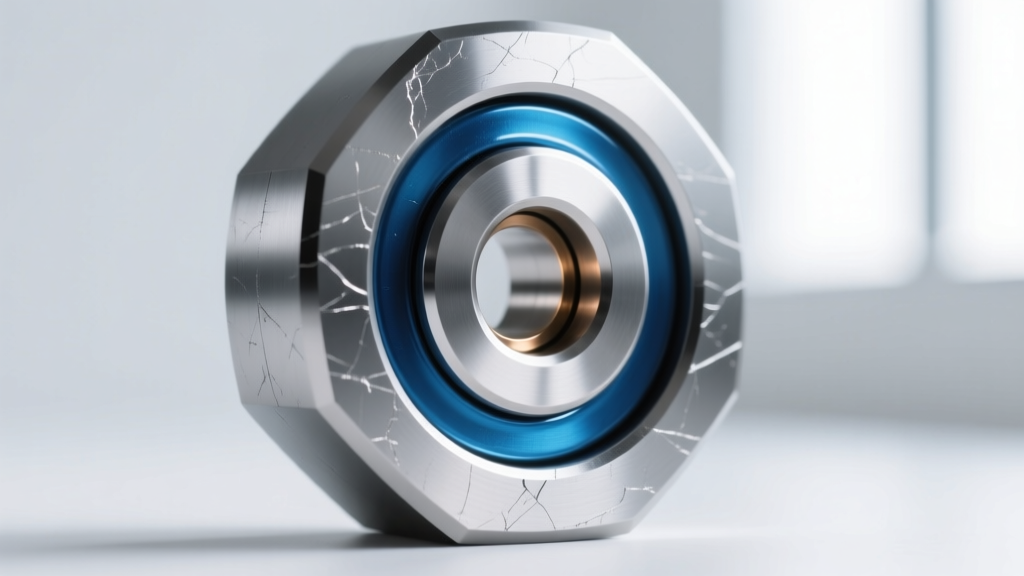
Neodymium magnets are graded by their maximum energy product, typically ranging from N35 to N52. The higher the number, the stronger the magnetic pull. For intimate wear, more is not always better. The Association of Professional Piercers (APP) frequently warns against jewelry that restricts capillary blood flow. An N52 magnet generates enough localized pressure to cut off circulation to the nipple apex within minutes, leading to hypoxia and tissue death.
Rule of Thumb: Stick to N35 or N42 grades. They provide enough adhesion to stay in place under clothing while allowing sufficient micro-circulation to keep the tissue viable for short periods.
Step 2: Prepping the Skin for Maximum Adhesion
Magnetic jewelry relies on friction and magnetic attraction to stay centered. If the skin is slick with natural oils, lotions, or sweat, the shields will slide off the nipple apex, potentially pinching the surrounding areola tissue.
- Cleanse the Area: Wash the chest with an unscented, antibacterial soap. Avoid body washes containing heavy moisturizers or oils.
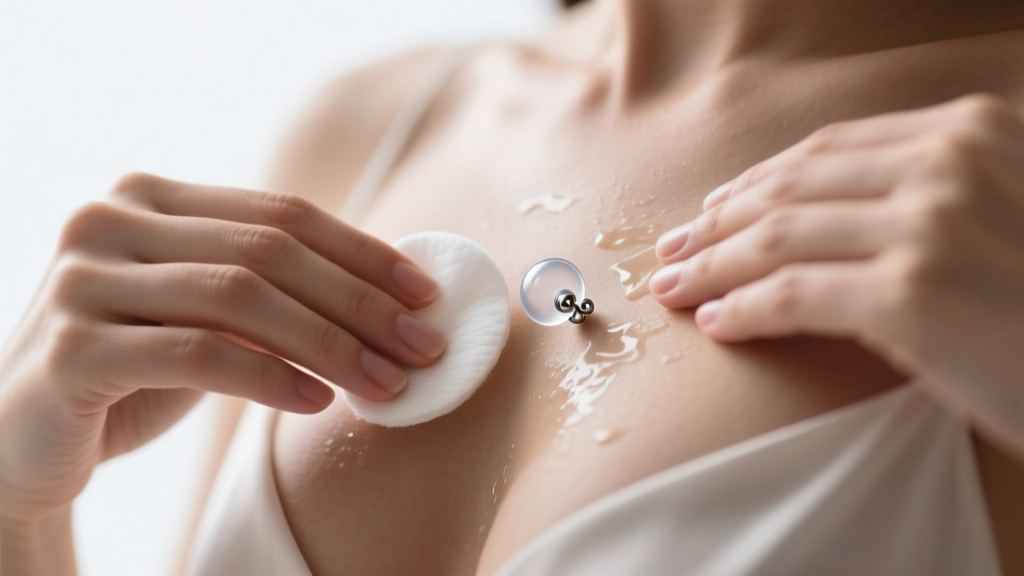
- Degrease the Skin: Wipe the nipple and areola with a cotton pad soaked in 70% isopropyl alcohol. This removes the microscopic lipid barrier that causes jewelry to slip.
- Dry Completely: Allow the alcohol to evaporate fully. Do not apply powders or talc, as these will create a paste that ruins the magnetic seal.
- Sanitize the Jewelry: While your skin dries, wipe the inner surfaces of the magnetic shields with an alcohol prep pad. Never submerge epoxy-sealed magnets in boiling water or ultrasonic cleaners, as heat and vibrations can crack the seal and ruin the magnet.
Step 3: Proper Application and Alignment Technique
Snapping the magnets together blindly is a recipe for painful pinching. Follow this precise application method to ensure comfort and symmetry.
- The Pinch Method: Gently compress the nipple between your thumb and forefinger to elongate it slightly.
- Front Placement: Place the front shield directly over the apex, holding it steady with one finger.
- Guided Back Placement: Bring the back shield close to the areola, but do not let it snap. Slide it slowly toward the center until you feel the magnetic field catch and align the two pieces.
- Check the Areola: Look closely to ensure no skin from the surrounding areola is folded or trapped between the magnetic plates. The jewelry should sit flat against the base of the nipple.
Step 4: Establishing a Safe Wear-Time Schedule
Tissue viability is entirely dependent on time. Because magnetic jewelry applies continuous, unyielding pressure, you must adhere to strict wear-time limits based on the magnet grade. Never sleep in magnetic nipple jewelry, as shifts in body weight can increase localized pressure and prevent you from noticing the early signs of ischemia.
| Magnet Grade | Approximate Pull Force | Max Continuous Wear | Recommended Use Case |
|---|---|---|---|
| N35 (Standard) | 2.5 - 4 lbs | 3 - 4 Hours | Extended evening wear, light photography |
| N42 (Medium) | 4.5 - 7 lbs | 1.5 - 2 Hours | Short-term aesthetic wear, intimate moments |
| N52 (High) | 8+ lbs | Under 30 Mins | Not recommended for skin clamping |
The Capillary Refill Test
While wearing the shields, perform a capillary refill test every 45 minutes. Gently pinch the exposed base of the nipple until it turns white, then release. The color should return to a healthy pink or red within 2 seconds. If the tissue remains pale, bluish, or takes longer than 3 seconds to regain color, remove the jewelry immediately to restore blood flow.
Troubleshooting Common Issues
Even with perfect preparation, you may encounter mechanical or physiological issues. Here is how to address them without compromising safety.
The Jewelry Keeps Slipping Off
If the shields slide off during movement, your magnet grade is likely too weak for your anatomy, or residual moisture is breaking the friction seal. Do not upgrade to an N52 magnet to solve this. Instead, apply a microscopic layer of medical-grade silicone adhesive (like Pros-Aide) to the inner plate of the shield. This creates a skin-safe tacky barrier that prevents sliding without relying on dangerous crushing force.
Painful Pinching or Chafing
Pinching occurs when the jewelry is slightly off-center, causing the edge of the metal plate to bite into the softer areolar tissue. To fix this, apply a pair of ultra-thin, breathable silicone nipple covers (petals) before attaching the magnets. The silicone acts as a buffer, distributing the magnetic pressure evenly across a wider surface area and eliminating sharp edge friction.
Post-Wear Tenderness
It is normal for the nipples to feel slightly sensitive or appear mildly engorged immediately after removing magnetic shields due to reactive hyperemia (the rush of blood back into the tissue). However, if you experience bruising, blistering, or lingering numbness, you have worn the jewelry too long or used a magnet that is too strong. Apply a cold compress and a thin layer of pure aloe vera gel, and abstain from wearing magnetic jewelry for at least two weeks to allow the microvasculature to heal.
When to Avoid Magnetic Jewelry Entirely
Magnetic nipple jewelry is not universally safe. You should completely avoid these products if you fall into any of the following categories:
- Pacemakers or Insulin Pumps: Neodymium magnets can interfere with the calibration and function of implanted medical devices.
- Pregnancy and Breastfeeding: Hormonal changes drastically alter breast tissue density and sensitivity. Furthermore, magnetic pressure can damage delicate milk ducts.
- Raynaud's Phenomenon: If you suffer from conditions that cause poor circulation or vasospasms in your extremities, the localized pressure of magnets can trigger severe ischemic events.
- Active Skin Infections: Never place magnetic jewelry over acne, folliculitis, or fungal infections on the chest, as the occlusive environment will exacerbate the condition.
Final Thoughts on Intimate Safety
Magnetic nipple jewelry is a fantastic tool for temporary body modification, provided you respect the biological limits of your tissue. By prioritizing PVD-coated materials, strictly monitoring your wear time, and maintaining impeccable hygiene, you can achieve the desired aesthetic safely. Always listen to your body; pain and prolonged pallor are warning signs that should never be ignored in the pursuit of style.


