Nipple Non Piercing Jewelry: A Budget & Value Guide
Evaluate the true cost of nipple non piercing jewelry. We compare materials, tension mechanisms, and price tiers to help you find safe, high-value options.

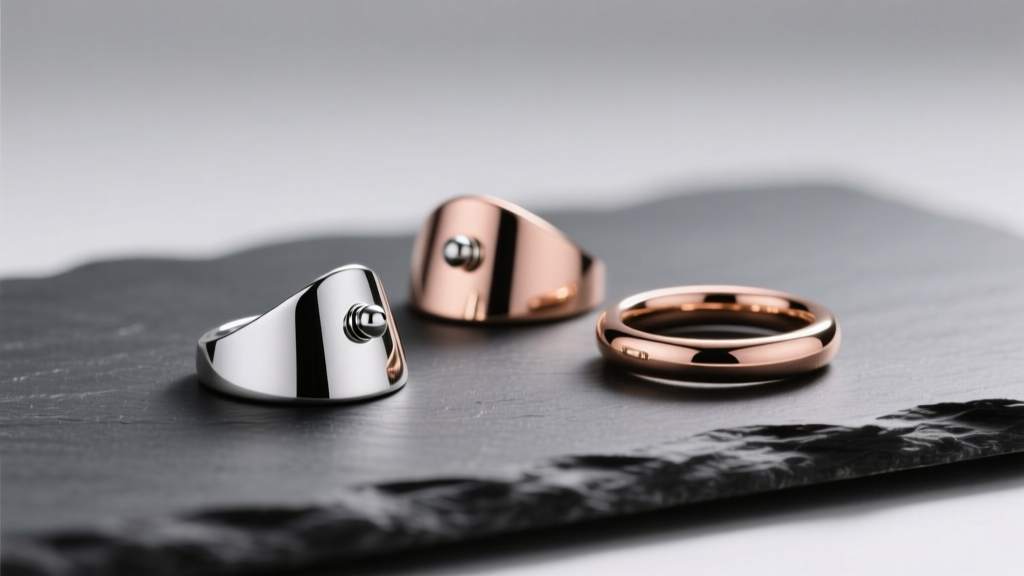
The allure of intimate adornment without the lifelong commitment of a needle has driven a massive surge in the popularity of nipple non piercing jewelry. Whether you are navigating strict workplace dress codes, managing a fear of needles, or simply testing the aesthetic waters before committing to a permanent modification, non-piercing alternatives offer a compelling middle ground. However, as we evaluate the 2026 intimate accessories market, a glaring disparity in quality and pricing has emerged. This guide cuts through the marketing fluff to deliver a rigorous budget and value assessment, helping you determine exactly where your money should go.
The True Cost of Non-Piercing Nipple Adornments
When shopping for temporary intimate jewelry, the initial price tag is rarely the only metric of value. A $12 pair of tension rings might seem like a steal, but if the metal leaches nickel into your skin or the tension mechanism fails after three wears, the cost-per-use skyrockets. True value in this niche is calculated at the intersection of dermatological safety, mechanical longevity, and aesthetic fidelity. Cheap manufacturing shortcuts in non-piercing jewelry frequently result in tissue pinching, allergic contact dermatitis, and embarrassing mechanical failures.
Material Breakdown: Where Your Money Actually Goes
The base material dictates both the baseline price and the biological safety of the piece. Because non-piercing jewelry sits directly against the highly sensitive, porous skin of the areola, material biocompatibility is non-negotiable. According to the Association of Professional Piercers (APP), only specific grades of metal are considered safe for prolonged skin contact. Below is a breakdown of common materials and their inherent value.
| Material | Average Price Range | Skin Safety Rating | Durability & Notes |
|---|---|---|---|
| 316L Surgical Steel | $15 - $30 | Moderate (Nickel Risk) | High durability; requires PVD coating for color. |
| ASTM F136 Titanium | $45 - $95 | Excellent (Hypoallergenic) | Exceptional; lightweight and entirely nickel-free. |
| Niobium | $35 - $65 | Excellent | Highly malleable, great for adjustable tension rings. |
| Acrylic / Silicone | $8 - $25 | Excellent | Low durability; porous and traps bacteria over time. |
Tension and Mechanism: The Hidden Value Factor
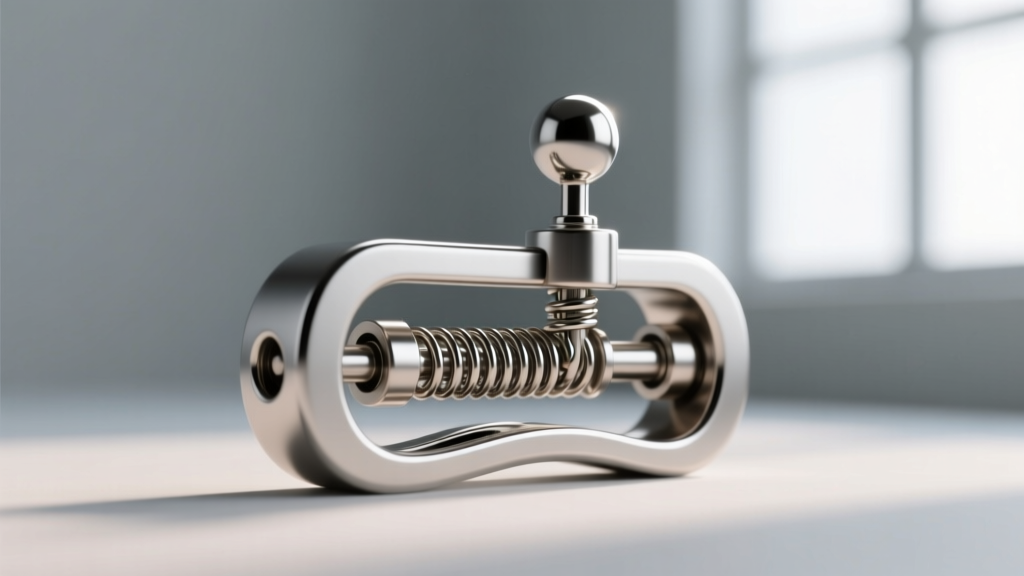
The mechanism that keeps the jewelry attached is where premium brands justify their higher price points. Non-piercing jewelry relies entirely on mechanical tension or magnetism to resist the pull of clothing and gravity. Understanding these mechanisms is critical for assessing long-term value.
Spring-Loaded vs. O-Ring vs. Magnetic
Budget options typically rely on simple wire-bending tension or elastomer O-rings. Wire tension suffers from metal fatigue; after a few uses, the metal stretches and loses its grip, requiring you to constantly bend it back into shape. O-rings provide better initial tension but degrade rapidly when exposed to skin oils, friction, and body heat, eventually snapping or losing their elasticity.
Premium pieces utilize micro-spring mechanisms or precision-machined adjustable screws. These maintain a consistent pounds-per-square-inch (PSI) grip without causing ischemic tissue damage. Magnetic clasps, often using neodymium, are popular in the ultra-budget tier. However, they pose a severe risk. If the magnetic pull is too strong, it can restrict blood flow, leading to pressure necrosis. The Mayo Clinic warns extensively about skin reactions and tissue damage from prolonged pressure and cheap metal alloys, making magnetic non-piercing options a poor long-term investment.
Budget Tiers: What to Expect at Every Price Point
To help you allocate your budget effectively, we have segmented the current market into three distinct value tiers based on material integrity and mechanical reliability.
- The Gamble Tier (Under $20): This tier is dominated by mass-market dropshippers. You will primarily find ungraded stainless steel, acrylic, and weak wire-tension mechanisms. While acceptable for a single-night costume or photo shoot, these pieces are a poor investment for regular wear due to high risks of contact dermatitis and mechanical failure.
- The Sweet Spot ($25 - $60): This is where the best value resides for most consumers. In this bracket, you can find 316L surgical steel featuring Physical Vapor Deposition (PVD) coatings. PVD allows mid-tier brands to offer 18k gold or rose gold aesthetics without the flaking and peeling associated with cheap electroplating. You will also find reliable elastomer O-ring tension systems and basic niobium adjustable rings.
- The Premium Investment ($75+): The top tier is reserved for specialized body jewelry artisans. Here, you are paying for ASTM F136 implant-grade titanium, micro-spring tension mechanisms, and hand-set gemstones that are prong-set rather than glued. These pieces offer a permanent-jewelry feel and can last for years with proper care.
Red Flags: When 'Cheap' Becomes a Health Hazard
When evaluating budget options, certain manufacturing red flags should immediately disqualify a product, regardless of how low the price drops. First, avoid any piece that lists 'surgical steel' without specifying the 316L grade, as generic surgical steel often contains unpredictable levels of nickel. Second, inspect the contact points. Budget tension rings often have microscopic burrs or sharp seams where the metal was cast or stamped. On the delicate tissue of the nipple, these burrs act like tiny serrated blades, causing micro-tears that invite bacterial infection.
Finally, avoid pieces with glued-in gemstones. The cyanoacrylate adhesives used in cheap manufacturing dissolve upon contact with body heat and oils, leaving you with a bare metal setting and a lost stone. Always opt for prong-set or bezel-set stones, even if it means paying a slight premium.
Final Verdict: Maximizing Your Investment
Ultimately, the best value in nipple non piercing jewelry is found in the mid-to-premium tier. Investing $40 to $60 in a pair of ASTM F136 titanium tension rings or PVD-coated 316L steel shields with a reliable micro-spring mechanism guarantees dermatological safety, mechanical reliability, and a realistic aesthetic. While the upfront cost is higher than fast-fashion intimate accessories, the longevity and safety of premium materials ensure that your investment protects both your skin and your confidence. By prioritizing biocompatible metals and advanced tension engineering over rock-bottom prices, you secure an intimate accessory that performs flawlessly whenever the occasion demands it.


