Clitoral Hood Jewelry Materials: Titanium vs Gold Guide
Compare the best materials for clitoral hood jewelry. Learn why implant-grade titanium, niobium, and solid gold outperform surgical steel for VCH piercings.

The Unique Microenvironment of the Clitoral Hood
When selecting clitoral hood jewelry, you must account for the unique physiological microenvironment of the vulva. Unlike earlobes or cartilage, the vertical clitoral hood (VCH) and horizontal clitoral hood (HCH) are subject to constant friction from clothing, high moisture levels, and significant nerve density. This environment accelerates both the healing process and the potential for adverse material reactions. A substandard metal that might only cause mild itching in a navel piercing can lead to severe contact dermatitis, chronic inflammation, or tissue migration when placed in the highly vascular clitoral hood.
Furthermore, the structural integrity of the jewelry is paramount. The standard gauge for a VCH piercing is 14g (1.6mm), though 12g (2.0mm) is frequently recommended for individuals with thinner hood tissue to prevent the "cheese-cutter effect"—a phenomenon where a wire that is too thin slowly slices through the tissue under tension. Because the jewelry sits in direct proximity to the clitoral glans, the surface finish, alloy composition, and threading mechanism of the metal are not just aesthetic choices; they are critical health and safety requirements.
Implant-Grade Titanium (ASTM F136): The Undisputed Champion
For initial piercings and long-term wear, implant-grade titanium remains the gold standard recommended by the Association of Professional Piercers (APP). However, not all titanium is created equal. You must specifically look for ASTM F136 compliant titanium, which is designated as Ti-6Al-4V ELI (Extra Low Interstitial).
The "ELI" designation means the metal has been purified to remove oxygen, nitrogen, carbon, and iron impurities, resulting in a highly biocompatible alloy that resists corrosion in the body's saline and acidic environments. More importantly, implant-grade titanium is virtually nickel-free. While 316L surgical steel (ASTM F138) contains between 8% and 12% nickel and can leach up to 0.5 µg/cm²/week, ASTM F136 titanium releases less than 0.2 µg/cm²/week. In the moisture-rich environment of the clitoral hood, this negligible nickel release rate is the difference between a healthy, thriving piercing and a chronic allergic reaction.
Titanium is also significantly lighter than steel and gold, reducing the gravitational drag on the delicate hood tissue. This lightweight property minimizes the risk of migration and rejection over years of continuous wear.
Solid Gold: Karat Purity and Alloy Dangers
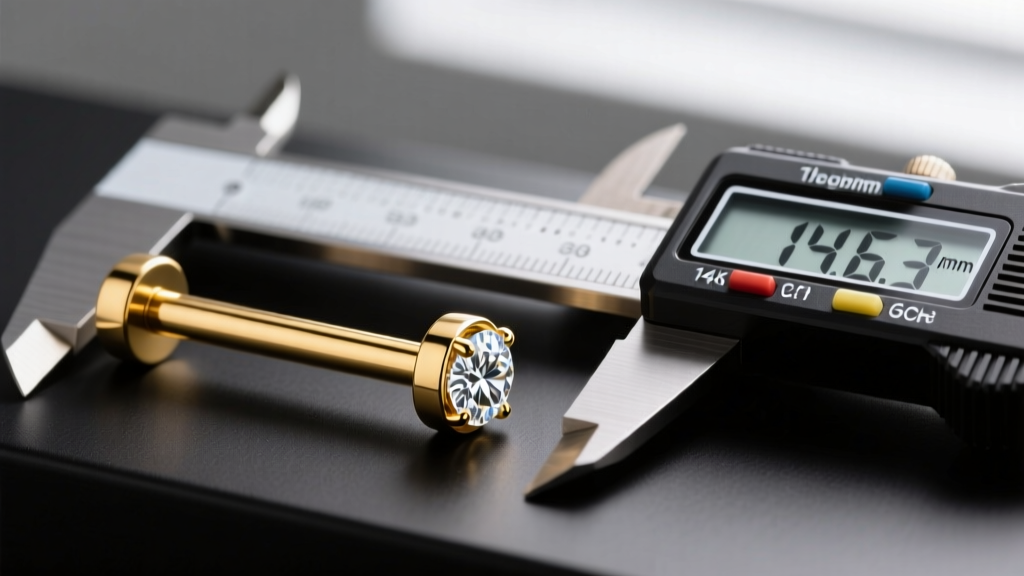
Solid gold is a luxurious and safe option for fully healed clitoral hood jewelry, provided it meets strict metallurgical criteria. The APP recommends only 14k or 18k solid gold that is specifically alloyed for biocompatibility. 24k gold is entirely unsuitable because it is too soft; it will easily scratch, harbor bacteria, and deform under the friction of daily movement.
The danger with gold lies in the alloy metals used to achieve the desired color and hardness. Yellow gold is typically alloyed with copper and silver, which are generally well-tolerated. However, white gold is traditionally alloyed with nickel to achieve its silver color. Nickel-alloyed white gold is a massive trigger for contact dermatitis in intimate piercings. If you prefer white gold, you must source jewelry that is alloyed with palladium instead of nickel. Palladium-white gold is hypoallergenic, though it comes at a premium price point.
Never use gold-plated, gold-filled, or vermeil jewelry in a clitoral hood piercing. The electroplating process creates a microscopic layer of gold over a base metal (often brass or surgical steel). In the high-friction environment of the VCH, this plating will inevitably wear away, flake off into the fistula, and expose the underlying reactive metals, leading to galvanic corrosion and severe tissue irritation.
The Threading Imperative: Internal vs. Threadless
Material purity is useless if the jewelry's physical design damages the tissue during insertion. Externally threaded jewelry—where the screw threads are on the barbell itself—acts like a file, tearing the delicate epithelial lining of the clitoral hood fistula every time it is inserted or removed.
For safe insertion, you must use either internally threaded jewelry (where the threads are inside the decorative end) or threadless (push-pin) jewelry. Threadless jewelry relies on the tension of a slightly bent pin sliding into a hollow post, offering a completely smooth surface that glides through the tissue without micro-tearing. This is especially critical for curved barbells used in VCH piercings, where the angle of insertion makes external threading exceptionally destructive.
Niobium and PTFE: Niche Alternatives for Specific Needs
While titanium and gold dominate the market, two alternative materials serve specific niches in intimate jewelry:
- Niobium (Nb): Niobium is an elemental metal, meaning it is not an alloy and contains zero nickel. It is highly biocompatible and universally accepted by professional piercers for initial piercings. Its unique advantage is that it can be anodized using electricity to create a vibrant spectrum of permanent, non-toxic colors without using paints or dyes. However, niobium is denser and heavier than titanium, which can cause unwanted drag on a freshly pierced VCH.
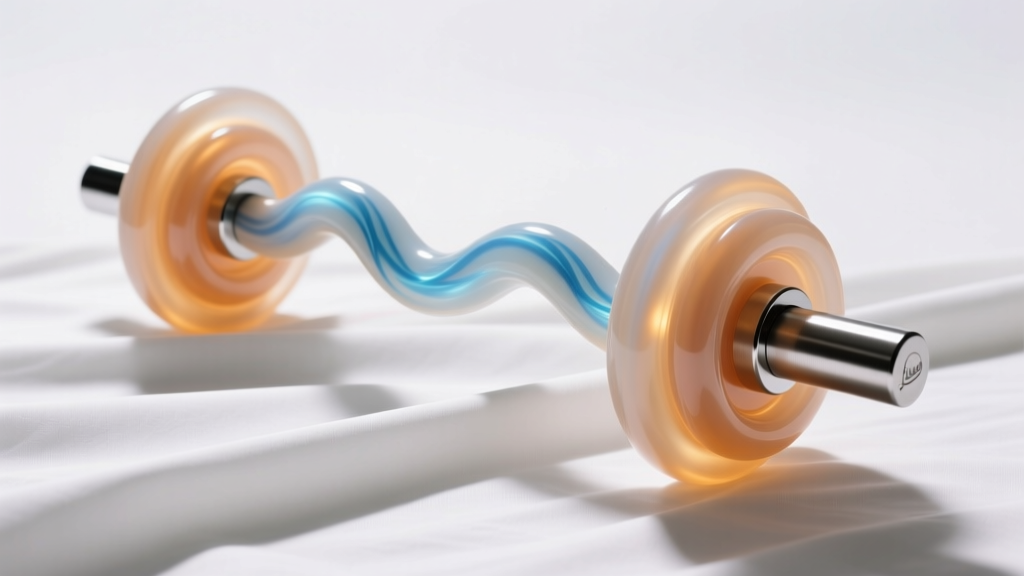
- PTFE (Polytetrafluoroethylene / Bioplast): PTFE is a flexible, bio-inert plastic that is entirely metal-free and MRI-safe. It is an excellent temporary option for athletes, pregnant individuals, or those undergoing medical imaging. However, PTFE is slightly porous and can degrade or harbor bacteria over long periods. It should only be used with high-quality titanium ends and is strictly recommended for healed piercings, never for initial clitoral hood piercings.
Material Comparison Matrix
Use the table below to quickly evaluate which material aligns with your healing stage, budget, and lifestyle requirements for clitoral hood jewelry.
| Material | ASTM Standard | Nickel Content | Best Use Case | Approx. Price (14g Curved) |
|---|---|---|---|---|
| Implant-Grade Titanium | F136 (Ti-6Al-4V ELI) | Trace (<0.2 µg) | Initial piercings, sensitive tissue | $35 - $65 |
| Solid 14k/18k Gold | N/A (Must be Ni-free) | None (if Pd-alloyed) | Healed piercings, luxury wear | $150 - $400+ |
| Niobium | Elemental (No ASTM) | Zero | Healed piercings, custom colors | $40 - $80 |
| PTFE (Bioplast) | N/A (Medical Polymer) | Zero | MRI safety, sports, pregnancy | $15 - $30 |
| Surgical Steel (316L) | F138 | 8% - 12% | Not Recommended | $10 - $25 |
Real-World Troubleshooting: Reactions and Migration
Even with meticulous aftercare, issues can arise if the material composition is mismatched to your biology. According to dermatological data from the Mayo Clinic, nickel allergy is one of the most common causes of allergic contact dermatitis. If your VCH piercing exhibits persistent itching, clear fluid weeping (beyond the initial healing phase), or a red, flaky rash on the surrounding hood tissue, you are likely experiencing a nickel reaction from surgical steel or low-grade white gold. The only remedy is an immediate downgrade to ASTM F136 titanium or pure niobium.
Another frequent issue is migration, where the piercing slowly moves toward the surface of the skin. While migration can be caused by improper piercing angles, it is frequently triggered by chronic, low-grade inflammation caused by reactive metals. The body treats the leaching nickel or copper as a foreign invader, initiating an immune response that breaks down the collagen matrix holding the fistula, effectively pushing the jewelry out. Upgrading to implant-grade titanium halts the chemical irritation, often stabilizing a migrating piercing before rejection occurs.
Final Verdict on Clitoral Hood Jewelry Materials
When navigating the market for clitoral hood jewelry, compromise is not an option. The high-friction, moisture-dense environment of the vulva demands absolute metallurgical perfection. Implant-grade titanium (ASTM F136) remains the undisputed, most cost-effective choice for both initial healing and lifelong wear, offering unmatched biocompatibility and lightweight comfort. For those seeking the prestige of gold, strictly sourcing 14k or 18k nickel-free, palladium-alloyed solid gold from reputable manufacturers is mandatory. Avoid surgical steel, plated metals, and external threading at all costs to ensure your intimate piercing remains a source of pleasure, not a chronic medical burden.


