Jelly Belly Jewelry: Technical Guide to Flexible Navel Rings
Explore the technical specs of jelly belly jewelry. Learn about PTFE, Bioplast, and silicone flexible navel rings for sports, pregnancy, and MRIs.

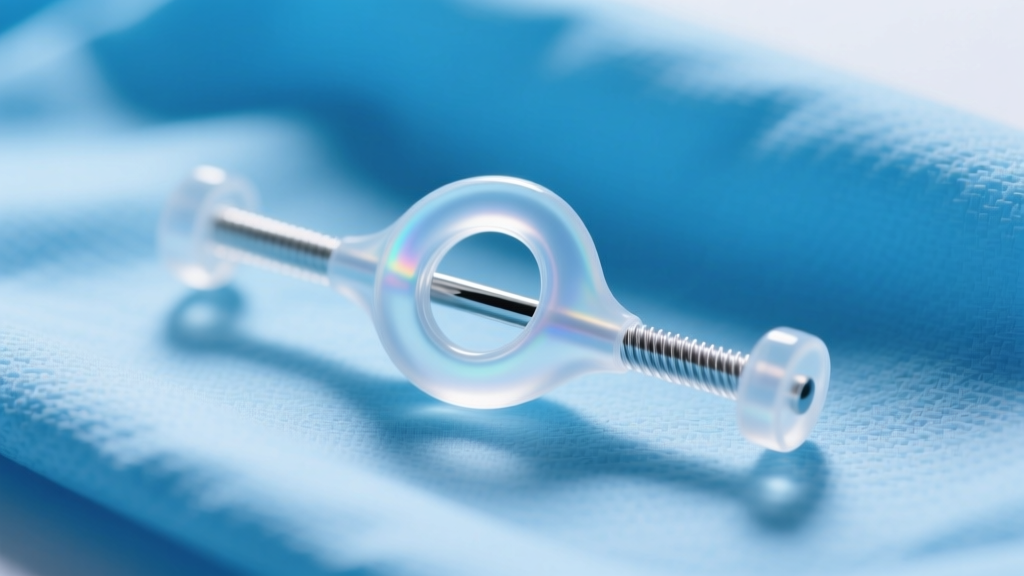
Defining 'Jelly' Navel Jewelry: Beyond the Colloquialism
In the professional body modification community, the colloquial term jelly belly jewelry refers to flexible navel retainers and barbells crafted from advanced polymers rather than traditional metals. While the nickname evokes the squishy, bendable texture of these pieces, the material science behind them is highly technical. As of 2026, flexible navel jewelry is no longer just a niche alternative for contact sports; it is a critical medical and anatomical tool used for pregnancy accommodation, MRI compatibility, and fistula stabilization during trauma recovery. However, not all 'jelly' materials are created equal. Understanding the polymer chains, tensile limits, and biological compatibility of these flexible shafts is essential for safe, long-term wear.
Material Breakdown: PTFE vs. Bioplast vs. Silicone
When clients request flexible navel rings, they are typically presented with three distinct polymer options. Each interacts differently with the human body's immune response and requires specific sterilization protocols.
PTFE (Polytetrafluoroethylene)
Often recognized by the brand name Teflon, PTFE is the gold standard for flexible jelly belly jewelry. According to the Association of Professional Piercers (APP), implant-grade PTFE (meeting ASTM F754 standards) is highly biocompatible, inert, and non-porous. Its carbon-fluorine bonds make it virtually impervious to bodily fluids, preventing bacterial biofilm buildup. PTFE can be safely autoclaved at 121°C (250°F) without warping, making it the only flexible material suitable for initial piercings or fresh surgical sites.
Bioplast and PMMA Derivatives
Bioplast is a trademarked, flexible variation of PMMA (polymethyl methacrylate). While it offers excellent clarity and a 'jelly-like' bend in thinner gauges, it is fundamentally a rigid acrylic that flexes only due to its thin profile. Bioplast is not autoclavable; exposure to high heat and pressure will cause micro-fractures and warping. It is strictly recommended for healed fistulas and should be sterilized using cold chemical baths or UV-C light.
Medical-Grade Silicone
Implant-grade silicone (ASTM F2063) is incredibly soft and flexible, making it a popular choice for expanding abdomens during pregnancy. However, silicone is inherently micro-porous. If the surface polish degrades, it can harbor anaerobic bacteria, leading to fistula irritation. Silicone retainers must be retired and replaced much more frequently than PTFE.

Technical Specifications and Sizing Matrix
Selecting the correct gauge and length for flexible navel jewelry requires precise anatomical mapping. The 'cheese-cutter effect'—where a thin wire migrates through the tissue—is a severe risk with flexible polymers if the gauge is too small.
| Material | Standard Gauge | Autoclavable? | Implant Safety (APP) | Primary Use Case |
|---|---|---|---|---|
| PTFE | 14g (1.6mm) / 12g (2.0mm) | Yes (up to 135°C) | Safe for initial healing | Sports, MRIs, Fresh Piercings |
| Bioplast | 14g (1.6mm) | No (Warp risk) | Healed fistulas only | Aesthetics, Metal Allergies |
| Silicone | 12g (2.0mm) / 10g (2.4mm) | No (Degrades) | Healed / Temporary | Pregnancy, Extreme Swelling |
Mechanical Engineering: Threading and Tension Systems
The greatest failure point in jelly belly jewelry is the connection between the flexible polymer shaft and the decorative metal ends. In 2026, the industry has largely abandoned externally threaded PTFE bars. Cutting threads into the outside of a polymer rod removes structural mass, creating a stress riser that inevitably snaps under the torque of a healing navel.
The Threadless (Push-Pin) Revolution
Modern high-end flexible retainers utilize a threadless tension system. A hollow 14g PTFE tube acts as the shaft. The decorative end features a 16g or 18g titanium pin that is given a slight bend before being inserted into the hollow polymer tube. The friction and tension hold the jewelry securely in place. This allows the flexible shaft to bend and absorb impact without placing torsional stress on threaded polymer joints.
Internally Threaded Tapping
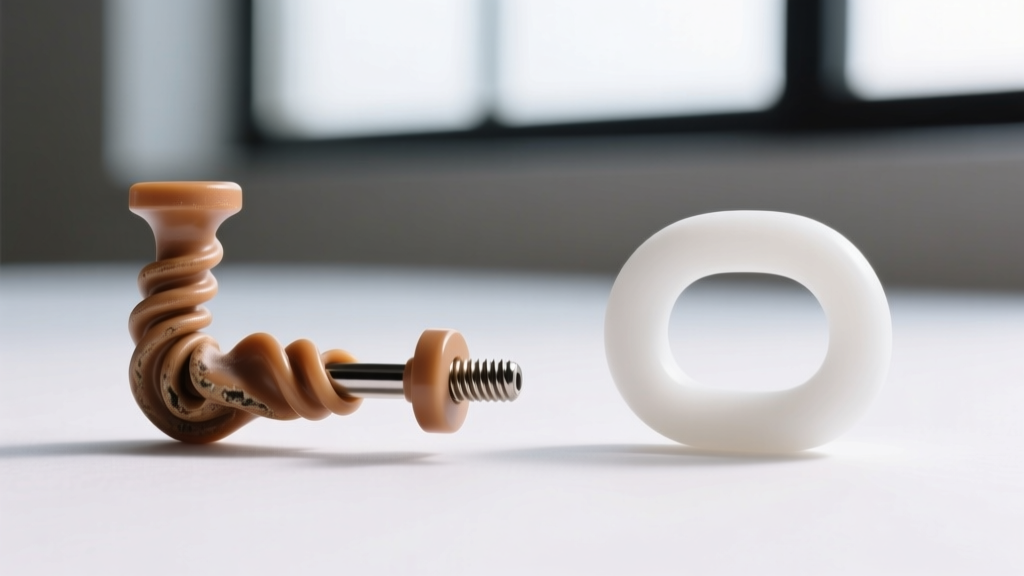
If a threaded system is required, the polymer shaft must be internally tapped, and the metal end must feature an external screw. However, because PTFE is relatively soft, repeated unscrewing will strip the internal polymer threads. Threadless systems remain the superior mechanical choice for flexible navel rings.
Clinical Use Cases and Environmental Stressors
MRI and CT Scan Compatibility
When patients require abdominal or spinal imaging, metal jewelry causes 'starburst artifacting' and can experience localized radio-frequency heating. PTFE jelly belly jewelry is entirely radiolucent. It does not interact with magnetic fields, ensuring clear imaging and zero risk of thermal burns to the fistula tract. For patients undergoing frequent scans, a PTFE retainer with a threadless titanium top (which can be easily swapped out by a piercer using a hemostat) is the standard clinical protocol.
Pregnancy and Abdominal Expansion
During the second and third trimesters, the navel can protrude and stretch significantly. Standard 7/16" (11mm) bars will cause rejection. Expert piercers utilize specialized 3/4" (19mm) to 1.5" (38mm) PTFE shafts. Because PTFE can be cleanly cut with sterile surgical scissors and re-tapered to accept threadless ends, it can be custom-fitted to the exact millimeter of the client's expanding anatomy, preventing migration and scarring.
Failure Modes: Why Flexible Jewelry Snaps
While PTFE and Bioplast are flexible, they possess 'material memory.' If a flexible navel bar is bent at a sharp 90-degree angle and held there for weeks (such as when pressed against tight, high-waisted denim), the polymer chains align and weaken. Over time, this creates a stress fracture. To prevent catastrophic failure inside the fistula, clients must avoid clothing that creates sharp, localized pressure points on the jewelry. Furthermore, exposure to prolonged UV light and harsh chemical cleaners (like alcohol or hydrogen peroxide) will desiccate Bioplast and Silicone, causing them to become brittle and snap.
Expert Sourcing and Final Verdict
When sourcing jelly belly jewelry, avoid mass-market acrylics labeled as 'flexible.' True implant-grade PTFE is sourced from specialized biomedical manufacturers. Brands that adhere to APP guidelines provide mill certificates verifying the absence of plasticizers and heavy metals. For athletes, pregnant individuals, and those requiring medical imaging, a threadless PTFE navel retainer is not just an accessory—it is a highly engineered biomedical device that protects both the piercing and the patient's health.


