Beginner's Guide to Buying Your First Belly Button Jewelry
Discover everything you need to know about choosing your first belly button jewelry, from safe materials and exact gauge sizes to healing styles.

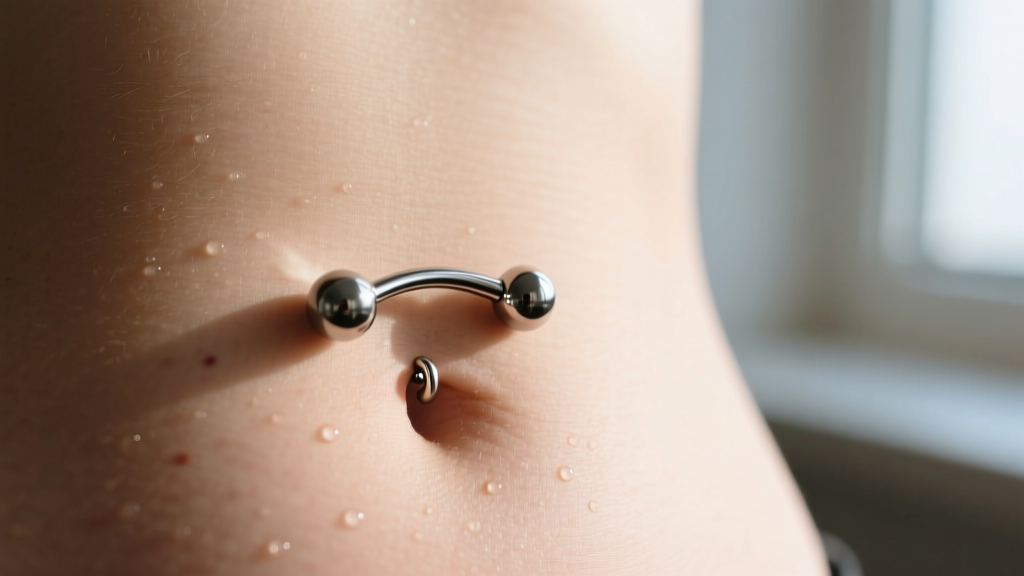
Getting a navel piercing is an exciting milestone, but the choices you make immediately after the needle is withdrawn will dictate how well your piercing heals. The market is flooded with options, yet wearing the wrong belly button jewelry during the initial 6 to 12-month healing window is the leading cause of irritation bumps, prolonged swelling, and outright rejection. As a beginner, navigating the terminology of gauges, thread types, and metal grades can feel overwhelming. This guide strips away the marketing fluff and provides a precise, expert-level breakdown of exactly what you need to buy for a safe, successful heal.
Why Your First Piece of Belly Button Jewelry Matters
A fresh piercing is essentially an open wound. The tissue inside the fistula (the tunnel of skin that forms around the jewelry) is highly reactive and vulnerable to bacteria, friction, and allergic contact dermatitis. According to the Association of Professional Piercers (APP), the initial jewelry must be biocompatible, properly sized to accommodate swelling, and designed to minimize movement. Choosing cheap, porous, or improperly shaped jewelry introduces microscopic tear risks and traps bacteria, turning a simple healing process into a chronic infection. Your first piece is not just an accessory; it is a medical-grade implant that serves as the scaffolding for your new fistula.
The Golden Rules of Sizing: Gauge and Length
Sizing is where most beginners make critical errors. Navel piercings require specific dimensions to prevent the 'cheese-cutter effect' (where jewelry slowly migrates and slices through the skin) and to allow for lymphatic swelling.
| Measurement | Standard Size | Why It Matters |
|---|---|---|
| Gauge (Thickness) | 14G (1.6mm) | Provides enough structural integrity to prevent migration and rejection. 16G is too thin for navels. |
| Length (Barbell) | 3/8' (10mm) or 7/16' (11mm) | Accommodates initial swelling. A bar that is too short will embed; too long will snag on clothing. |
| Ball Diameter | 5mm top / 4mm or 5mm bottom | Prevents the bottom ball from pulling through the piercing hole during healing. |
While 14-gauge is the universal standard for belly button jewelry, some anatomies require a 12-gauge (2.0mm) for added stability. Always defer to your professional piercer's caliper measurements over generic online sizing charts.
Thread Types: The Hidden Danger of Externally Threaded Jewelry
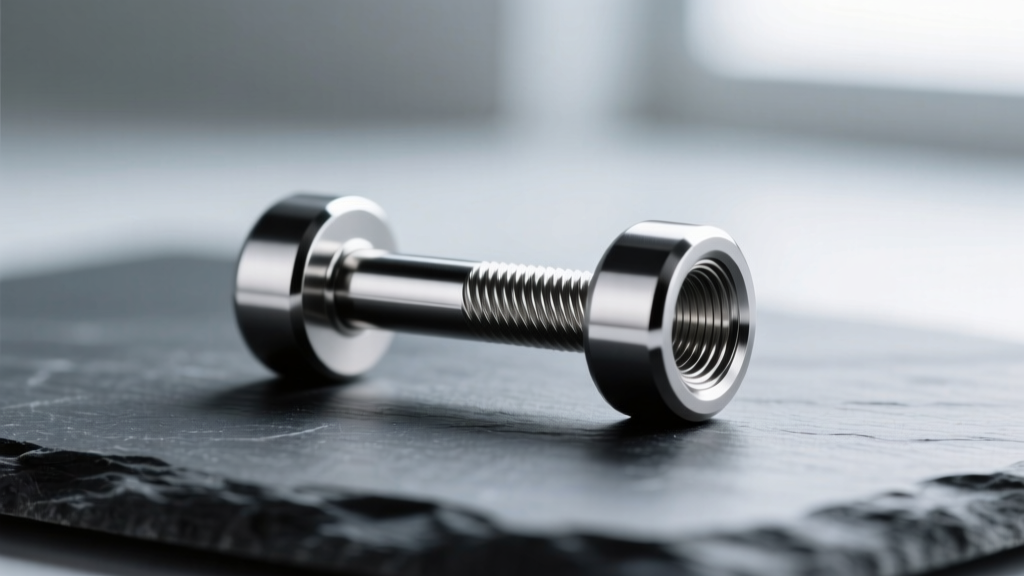
If you take only one piece of advice from this guide, let it be this: never wear externally threaded jewelry in a fresh piercing. Externally threaded jewelry has the screw pattern carved into the barbell itself. When pushed through a piercing, those sharp metal ridges act like a cheese grater, tearing the delicate, newly forming cells inside the fistula.
Internally Threaded vs. Threadless
Instead, you must choose between two safe alternatives:
- Internally Threaded: The screw pattern is on the inside of the decorative end (the ball or gem). The barbell shaft is completely smooth, allowing it to glide through the tissue without causing micro-trauma.
- Threadless (Push-Pin): Popularized by brands like Neometal, this system uses tension to hold a slightly bent pin inside the hollow shaft of the barbell. It is entirely seamless, incredibly secure, and widely considered the gold standard for fresh piercings by the Cleveland Clinic's dermatology guidelines for minimizing wound irritation.
Material Metallurgy: What to Buy and What to Avoid
The metal touching your wound must be inert. Many commercial jewelry brands use misleading terms like 'surgical steel' or 'hypoallergenic' to sell low-grade alloys. Here is the definitive breakdown of navel-safe metals.
The Safe List (Biocompatible)
- Implant-Grade Titanium (ASTM F136): The absolute best choice for beginners. It is completely nickel-free, lightweight, and can be anodized to different colors. Brands like Anatometal and Industrial Strength specialize in this.
- Niobium: Similar to titanium in its biocompatibility and highly malleable, though slightly heavier. Excellent for those with extreme metal sensitivities.
- Solid 14k or 18k Gold (Nickel-Free): Must be alloyed specifically for body jewelry (usually with palladium or silver, never nickel). Avoid gold-plated or gold-filled jewelry, as the plating will wear off in the acidic environment of a healing wound.
The Danger List (Avoid Completely)
- 'Surgical' or Stainless Steel: Contains nickel. Even if you aren't currently allergic, prolonged exposure to healing bodily fluids can trigger a new nickel allergy.
- Sterling Silver: Oxidizes and tarnishes when exposed to lymph fluid, potentially causing argyria (a permanent gray staining of the skin inside the fistula).
- Acrylic, Bioplast, and PTFE: Highly porous materials that harbor bacteria and degrade over time. These are strictly for fully healed, short-term wear only.
Best Styles for Healing Piercings
Aesthetics must take a backseat to anatomy during the first year. Dangle rings, captive bead rings (CBRs), and heavy chandeliers introduce excessive movement, which causes the piercing channel to heal at an angle or develop hypertrophic scarring (irritation bumps).
The Classic Curved Barbell
The standard J-curve barbell is the undisputed champion for initial navel piercings. It follows the natural contour of the navel tissue, keeping the top and bottom entry points relaxed. Ensure the curve is smooth and the polish is mirror-finished to prevent plaque buildup.
The Floating Navel Barbell
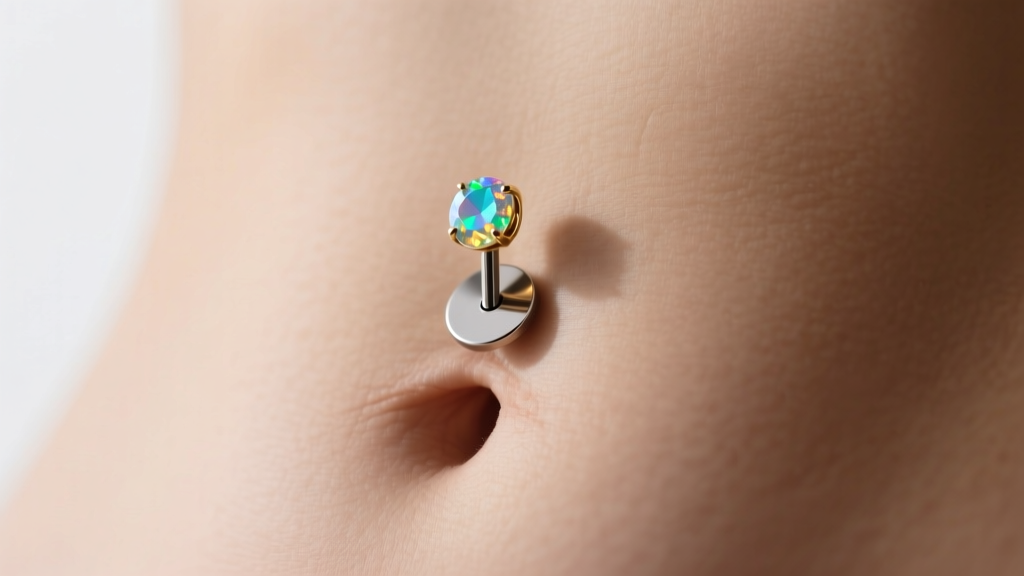
If you have a bottom-heavy navel, a deep outie, or are experiencing early signs of rejection (where the top hole begins to thin), a floating barbell is a medical necessity. This design features a flat, low-profile disc on the bottom and the decorative gem on the top. The flat disc rests flush against the bottom tissue shelf, eliminating the downward pressure that traditional round balls exert, effectively pulling the piercing away from the rejection zone.
Realistic Pricing: What Should You Expect to Pay?
High-quality belly button jewelry is an investment in your health. If you see a 14G titanium barbell selling for $8, it is likely mislabeled steel from an unverified overseas manufacturer. Here is a realistic pricing framework for 2026:
- Basic Implant-Grade Titanium (Plain balls): $25 – $45
- Titanium with Genuine Gemstones (CZ or Opal): $40 – $75
- Solid 14k/18k Gold (Threadless or Internally Threaded): $110 – $350+
- Premium Designer Ends (e.g., BVLA, Maria Tash): $150 – $500+ (Ends sold separately from shafts)
Always purchase from reputable piercing studios or verified online retailers that provide mill certificates proving their metal grades.
Final Checklist Before You Checkout
Before you add any belly button jewelry to your cart, run it through this quick safety checklist:
- Is it explicitly labeled as ASTM F136 Titanium or solid, nickel-free gold?
- Is the gauge 14G (1.6mm)?
- Is the shaft length 10mm or 11mm to allow for swelling?
- Is it internally threaded or threadless?
- Is the style a curved barbell or floating barbell (no rings or dangles)?
By adhering strictly to these parameters, you remove the variables that lead to complications. Treat your first piece of jewelry as a vital medical tool, and your navel piercing will reward you with a flawless, lifelong heal.


