14k Gold Horseshoe Necklace: 2026 Value & Price Guide
Is a 14k gold horseshoe necklace worth the investment? We break down 2026 pricing, gold weight, craftsmanship, and how to spot overpriced pieces.

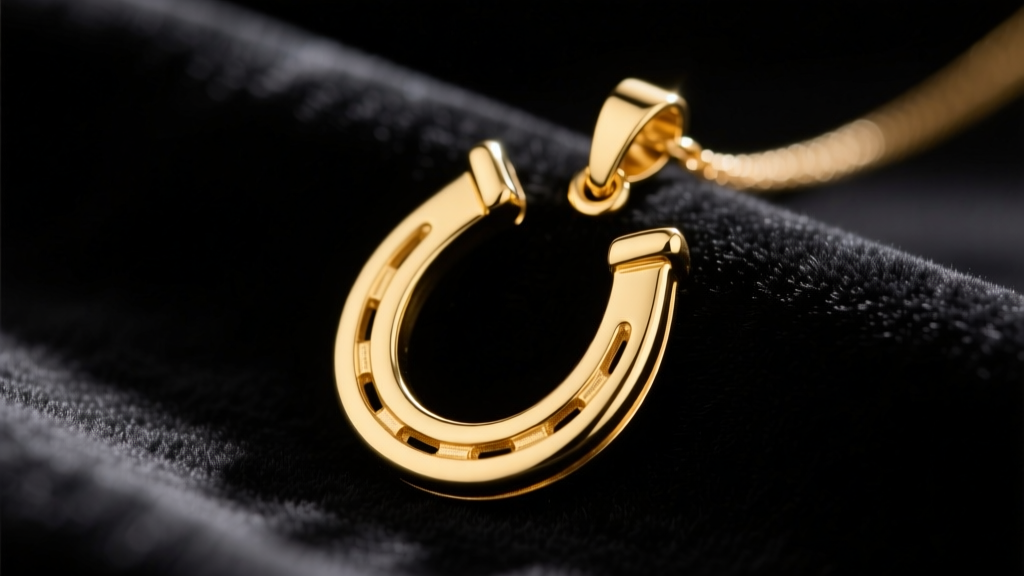
The horseshoe has long been a universal symbol of luck, protection, and equestrian heritage. In recent years, the Western-core fashion movement has propelled the 14k gold horseshoe necklace from a niche rodeo souvenir into a staple of everyday fine jewelry. However, as demand surges, the market has become saturated with everything from ultra-thin, hollow-stamped charms to solid, hand-finished heirlooms. For the savvy buyer, separating genuine intrinsic value from inflated brand markups is essential.
In this comprehensive 2026 budget and value assessment, we break down the exact metallurgy, manufacturing techniques, and fair market pricing of 14k gold horseshoe pendants. Whether you are buying a lucky charm for yourself or a meaningful gift, this guide will ensure you pay for the gold and the craftsmanship—not just the marketing.
The Anatomy of a 14k Gold Horseshoe Pendant
To accurately assess value, you must first understand what you are actually buying. 14-karat gold is an alloy consisting of 58.5% pure gold and 41.5% secondary metals like copper, silver, and zinc. According to the Gemological Institute of America (GIA), this specific ratio is the global sweet spot for jewelry, offering the rich color of pure gold while providing the tensile strength necessary to resist bending and scratching.
Dimensions and Gold Weight
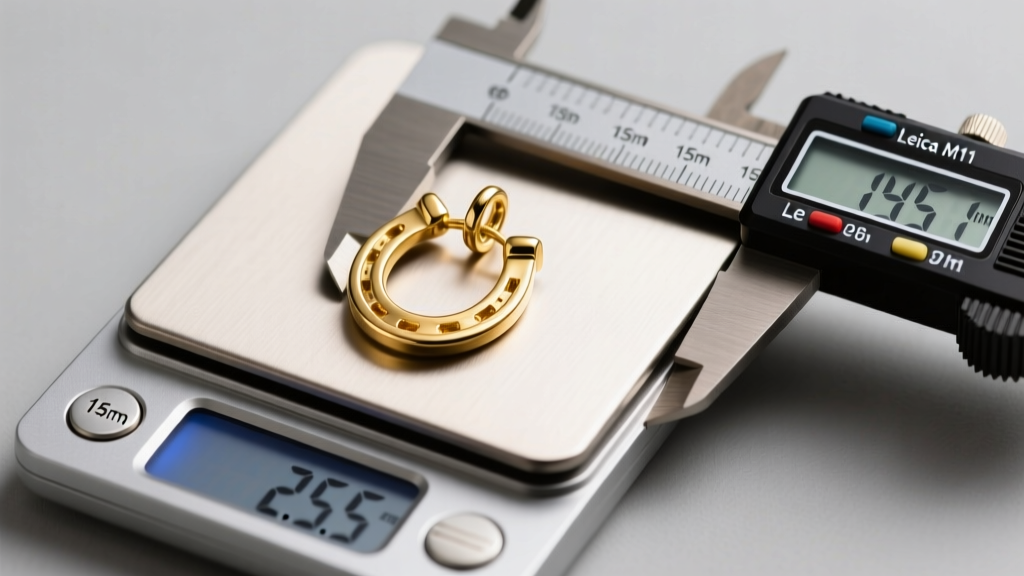
The primary driver of a pendant's base value is its gram weight. Horseshoe pendants generally fall into three size categories:
- Dainty (10mm - 14mm): Typically weighing between 0.6g and 1.2g. Best for layering with other delicate chains.
- Medium (15mm - 20mm): Weighing 1.5g to 3.5g. The most versatile size for standalone wear.
- Statement (22mm+): Weighing 4.0g to 8.0g+. Often featuring diamond accents or deep engraving.
When evaluating a 14k gold horseshoe necklace, always request the exact gram weight from the jeweler. A medium pendant that weighs only 0.8g is likely hollowed out or die-struck from thin sheet metal, drastically reducing its durability and intrinsic value.
2026 Market Pricing: What Should You Actually Pay?
With gold spot prices remaining robust in 2026, calculating the "melt value" of your jewelry is a crucial first step in budget assessment. The melt value is the raw worth of the gold content before any craftsmanship or retail markup is applied.
Formula: (Current Spot Price per Troy Ounce ÷ 31.1) × 0.585 = Melt Value per Gram of 14k Gold.
A fair retail price typically ranges from 1.5x to 3x the melt value, depending on the complexity of the design, the presence of gemstones, and the retailer's overhead. Below is a structured breakdown of what you should expect to pay in the current market.
| Style Profile | Avg. Dimensions | Est. Gold Weight | Intrinsic Melt Value* | Fair Retail Range |
|---|---|---|---|---|
| Dainty / Minimalist | 12mm x 14mm | 0.8g - 1.2g | $35 - $55 | $120 - $250 |
| Medium / Standard | 18mm x 20mm | 2.0g - 3.5g | $90 - $160 | $280 - $550 |
| Heavy / Diamond-Set | 25mm x 28mm | 5.0g - 8.0g | $230 - $370 | $750 - $1,400+ |
*Melt values are estimates based on early 2026 gold market averages and will fluctuate daily.
Stamped vs. Cast vs. Hand-Fabricated: Value Differences
Not all 14k gold horseshoe pendants are created equal. The manufacturing method dictates both the price tag and the longevity of the piece.
1. Die-Struck (Stamped)
Die-striking involves pressing a sheet of 14k gold between two hardened steel dies under immense pressure. This method is highly efficient and results in a very dense, durable metal structure. However, to keep costs low, manufacturers often use thin sheets, resulting in a lightweight, sometimes hollow-backed pendant. Value Verdict: Excellent for tight budgets, but lacks deep 3D detailing.
2. Lost-Wax Casting
The vast majority of fine jewelry today is cast. A 3D wax model is created, encased in plaster, and melted away as molten 14k gold is poured into the mold. Casting allows for intricate details, such as realistic nail heads, hammered textures, or milgrain edges. Value Verdict: The best balance of intricate design and fair pricing. Ensure the casting is solid or semi-solid, not hollow.
3. Hand-Fabricated
Rare for mass-market horseshoe charms, hand-fabrication involves a bench jeweler cutting, soldering, and shaping raw gold stock. Value Verdict: Commands a massive premium (often 4x to 6x melt value) due to labor hours. Only worth the investment if you are commissioning a bespoke, one-of-a-kind heirloom.
Chain Selection: Don't Let a Weak Link Ruin Your Investment
A common mistake buyers make when budgeting for a 14k gold horseshoe necklace is spending 90% of their budget on the pendant and slapping it onto a flimsy, low-quality chain. The horseshoe shape acts as a pendulum; its uneven weight distribution puts unique stress on the chain's bail and links.
For a medium 2.5g pendant, you need a chain with a minimum width of 1.5mm to 2.0mm. We highly recommend solid box chains or welded cable chains. Avoid hollow rope chains or snake chains at all costs—these are notorious for kinking, trapping hair, and eventually snapping under the swinging weight of a pendant.
How to Verify Authenticity and Avoid Gold-Plated Traps
As the popularity of equestrian jewelry grows, so does the prevalence of gold-plated brass or vermeil pieces masquerading as solid gold. The Federal Trade Commission (FTC) Jewelry Guides strictly regulate how gold content must be disclosed, protecting consumers from deceptive marketing.
Check the Hallmarks
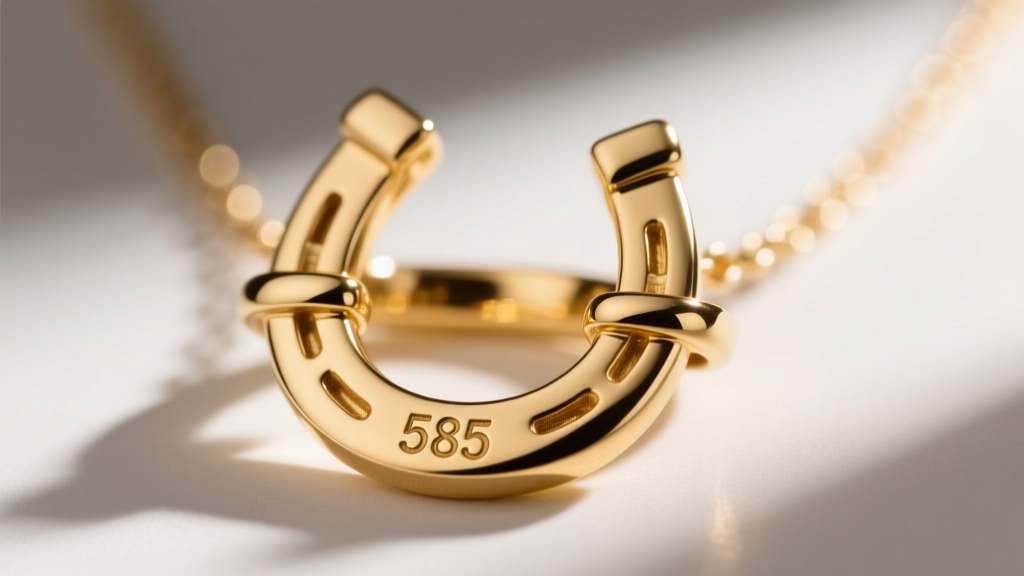
Inspect the bail (the loop that connects the pendant to the chain) or the back of the horseshoe for a stamp. Legitimate marks include:
- 14k or 14K
- 585 (The European standard for 58.5% purity)
- 14KP (The 'P' stands for Plumb, guaranteeing the piece is exactly 14k and not a fraction under)
If you see stamps like 14k HGE (Heavy Gold Electroplate), 14k GF (Gold Filled), or 925 (Sterling Silver base), you are not buying a solid 14k gold pendant, and the price should reflect a fraction of the cost.
The XRF Test
If you are purchasing a high-value, diamond-set horseshoe necklace from a secondary market or estate sale, take it to a local, independent bench jeweler. They can use an XRF (X-Ray Fluorescence) gun to scan the exact elemental composition of the metal in seconds, verifying the 58.5% gold content without damaging the piece.
Final Verdict: Is the Lucky Charm Worth Your Budget?
A 14k gold horseshoe necklace is an excellent investment that bridges the gap between sentimental symbolism and enduring material wealth. Unlike fashion jewelry that tarnishes and ends up in a landfill, a solid 14k gold piece will retain its intrinsic melt value and can be worn daily without fear of water, sweat, or perfume degrading the metal.
To maximize your budget, prioritize gram weight and structural integrity over flashy brand names. A well-cast, 2.5-gram solid 14k gold horseshoe on a sturdy 1.8mm box chain will provide decades of wear, proving that true luck favors the informed buyer.


