Care Guide: Cleaning Your Disney Descendants Evie Necklace
Learn how to safely clean and maintain your Disney Descendants Evie necklace. Expert tips for preserving enamel, plating, and base metals.

The Unique Challenges of Character Replica Jewelry
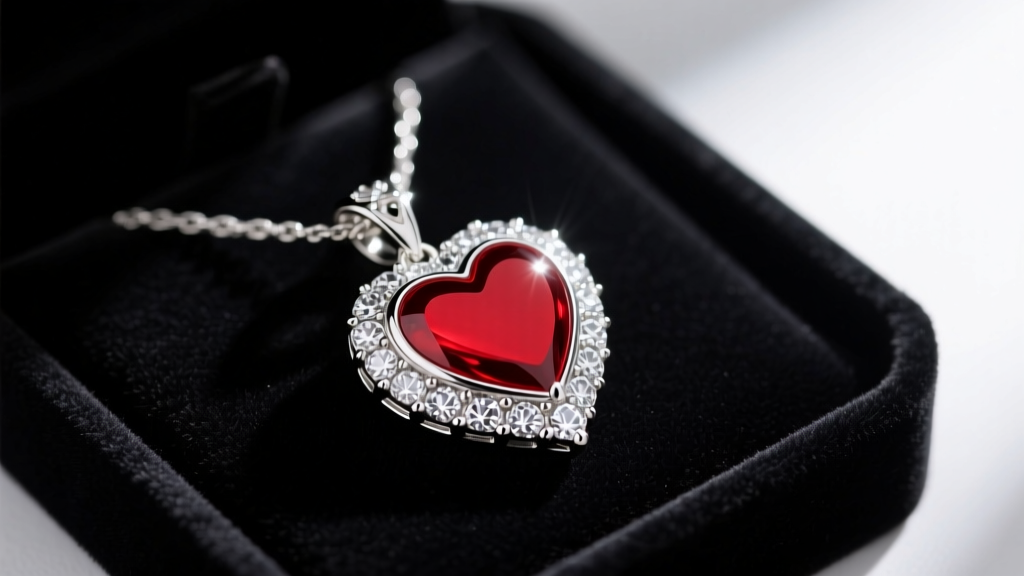
Owning a piece of cinematic history is a thrill for any fan, but maintaining it requires a highly specific approach. The Disney Descendants Evie necklace is a stunning tribute to the daughter of the Evil Queen, featuring intricate heart motifs, dark enamel accents, and sparkling gemstones. However, unlike fine jewelry crafted from solid gold or platinum, theatrical replicas are predominantly constructed from base metals and synthetic stones. This fundamental difference in material science means that standard jewelry cleaning methods—like ultrasonic baths or silver polishing dips—will aggressively destroy the piece. To keep your necklace looking as fierce as Evie herself, you must adopt a care regimen tailored specifically to costume and replica jewelry.
Anatomy of the Evie Necklace: What Are You Cleaning?
Before applying any cleaning agent, you must understand the material composition of your necklace. According to conservation standards outlined by the Jewelers of America, costume jewelry requires a gentle touch due to its layered construction.
- The Base Metal: Most official replicas are cast from Zamak (a zinc alloy) or brass. These metals are highly susceptible to oxidation and pitting when exposed to moisture and acidic environments.
- The Plating: The silver-tone finish is achieved through electroplating a microscopic layer of silver or rhodium over the base metal. Once this thin layer wears away, the underlying zinc or brass will react with your skin, causing discoloration.
- Cold Enamel: The vibrant blue, red, or black accents are not fired glass enamel; they are epoxy-based resins (cold enamel). Alcohol-based cleaners will cloud and dissolve this resin.
- The Stones: Replicas typically utilize acrylic rhinestones or leaded glass crystals, adhered to the metal settings with cyanoacrylate (jeweler's glue). Submerging the pendant in water will weaken this adhesive bond.
Daily Maintenance: Preventing Tarnish and Enamel Cracking
The most effective cleaning method is preventative maintenance. The natural pH of human sweat, combined with cosmetics, creates a highly corrosive environment for plated base metals.
The "Last On, First Off" Rule
Always put your necklace on after applying perfumes, hairsprays, and lotions. The aerosolized alcohols and oils in these products will leave a microscopic film on the acrylic stones, dulling their refraction, and will slowly degrade the epoxy enamel. When you return home, the necklace should be the first thing you take off.
The Microfiber Wipe-Down
Keep a clean, dry microfiber cloth near your vanity. After wearing the necklace, gently wipe the chain and the back of the pendant. This removes the acidic sebum and salts from your skin before they have the opportunity to eat through the silver-tone plating.
Step-by-Step Deep Cleaning Routine
When your necklace accumulates visible grime or loses its luster, avoid commercial jewelry dips. Instead, follow this safe, manual cleaning protocol recommended for delicate theatrical pieces.
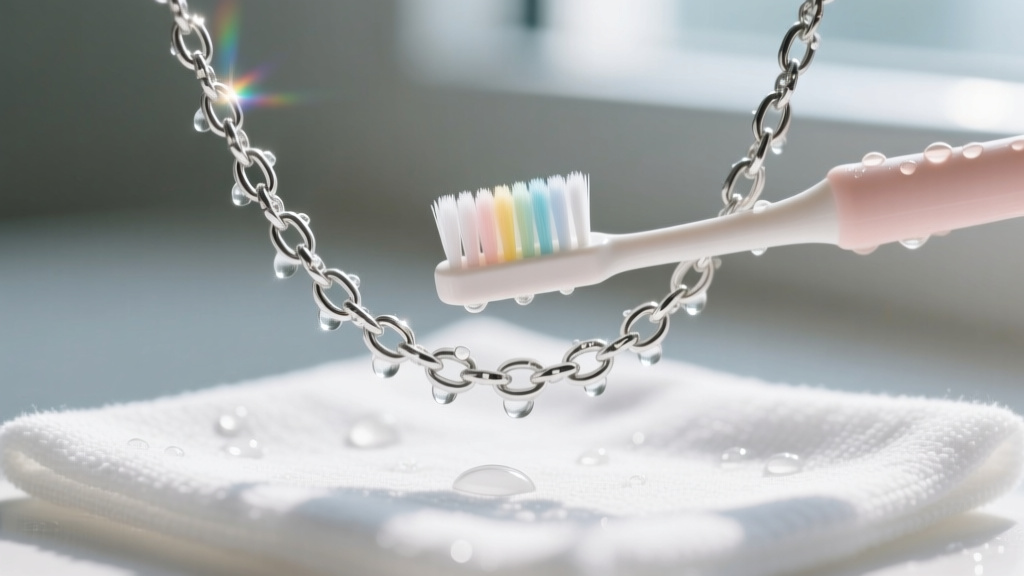
- Prepare a Mild Solution: Mix two drops of phosphate-free dish soap (like Dawn) into a bowl of lukewarm distilled water. Avoid tap water, as the chlorine and fluoride can cause micro-pitting on the zinc alloy base.
- Targeted Chain Cleaning: Dip a soft-bristled baby toothbrush into the solution. Gently brush the chain links, avoiding the pendant entirely. The bristles will dislodge dead skin cells and cosmetic buildup trapped in the crevices.
- Pendant Surface Wipe: Do not submerge the pendant. Instead, dampen a cotton swab or a microfiber cloth in the soapy water and carefully wipe the metal surfaces. Use a dry cotton swab to clean around the acrylic stone settings without applying pressure to the glue joints.
- Immediate Drying: Moisture is the enemy of base metals. Immediately dry the entire piece with a lint-free cloth. Follow up with a hairdryer on the "cool" setting to ensure no water remains trapped in the lobster clasp or jump rings.
Chemical Reactions: What to Avoid at All Costs
Many well-meaning owners ruin their replicas by applying fine jewelry cleaning hacks to costume pieces. The Gemological Institute of America (GIA) warns against using abrasive or chemical cleaners on porous or plated materials. Below is a breakdown of common household cleaners and their destructive effects on your necklace.
| Cleaning Agent | Target Material | Chemical Reaction & Failure Mode |
|---|---|---|
| Silver Dip / Polish | Silver-tone Plating | Strips the microscopic rhodium/silver layer, exposing raw brass/zinc, leading to rapid green oxidation. |
| Rubbing Alcohol | Cold Epoxy Enamel | Causes the resin to cloud, turn milky white, and eventually crack or peel away from the metal setting. |
| Baking Soda Paste | Acrylic Rhinestones | The abrasive particles will micro-scratch the surface of the acrylic, permanently dulling the stone's sparkle. |
| Ultrasonic Cleaners | Jeweler's Glue | High-frequency vibrations shatter the cyanoacrylate bond, causing stones to fall out of their prong settings. |
Restoring the Chain and Clasp Mechanisms
The chain and lobster clasp are often the first components to fail on a replica necklace. The tiny spring inside the clasp is prone to seizing up when exposed to humidity or cosmetic powders. If your clasp becomes stiff or sticky, do not use liquid lubricants like WD-40, which will attract dust and degrade the metal. Instead, take a standard mechanical pencil and rub the graphite tip against the clasp's moving hinge. Graphite is an excellent dry lubricant that will free the mechanism without leaving a corrosive residue.
If the chain begins to snag or pull hair, it is usually due to micro-burrs forming on the base metal links as the plating wears thin. You can gently smooth these burrs by running the chain through a piece of soft beeswax, which coats the links and provides a temporary protective barrier against friction.
Proper Storage Solutions for Theatrical Replicas
How you store your necklace when it is not being worn is just as critical as how you clean it. Base metals will oxidize simply from exposure to the oxygen and ambient humidity in your bedroom.
Humidity and Air Control
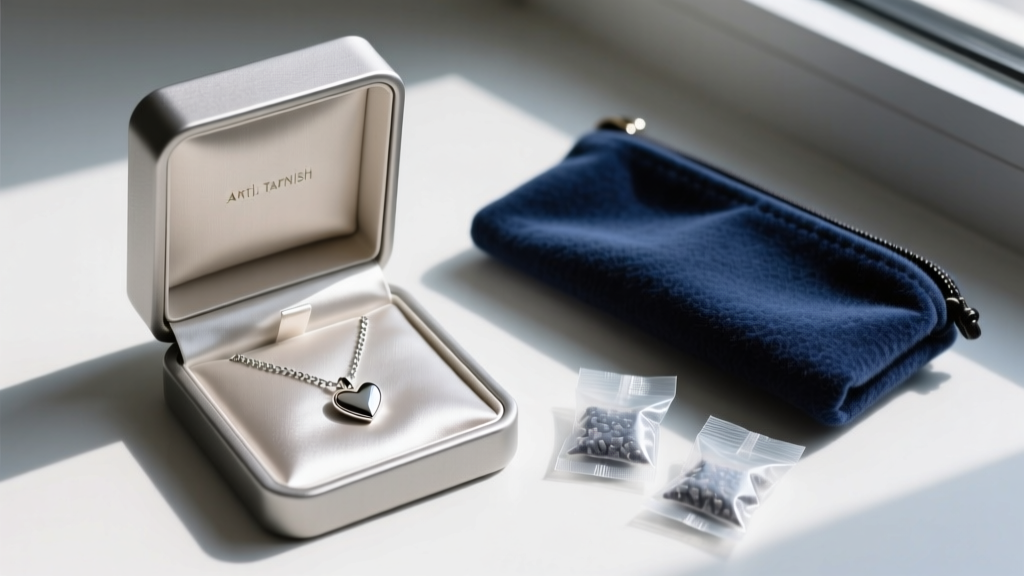
Store the necklace in an airtight ziplock bag or a specialized anti-tarnish flannel pouch. Toss a small silica gel desiccant packet into the bag to absorb ambient moisture. For long-term storage, include a 3M Anti-Tarnish Strip. These strips absorb airborne sulfur compounds and hydrogen sulfide, which are the primary catalysts for silver and brass tarnishing.
UV Protection
Never store your necklace on an open vanity tray exposed to direct sunlight. Ultraviolet (UV) rays will cause the acrylic rhinestones to yellow over time and will degrade the chemical structure of the cold enamel, leading to premature fading and brittleness. Keep the piece in a dark, climate-controlled drawer to ensure the vibrant colors remain as striking as they were on day one.


