Big Stone Necklace Gift Guide: Occasions & Styles 2026
Discover the ultimate 2026 gift guide for big stone necklaces. Learn how to match carat sizes, settings, and gem types to milestone occasions.

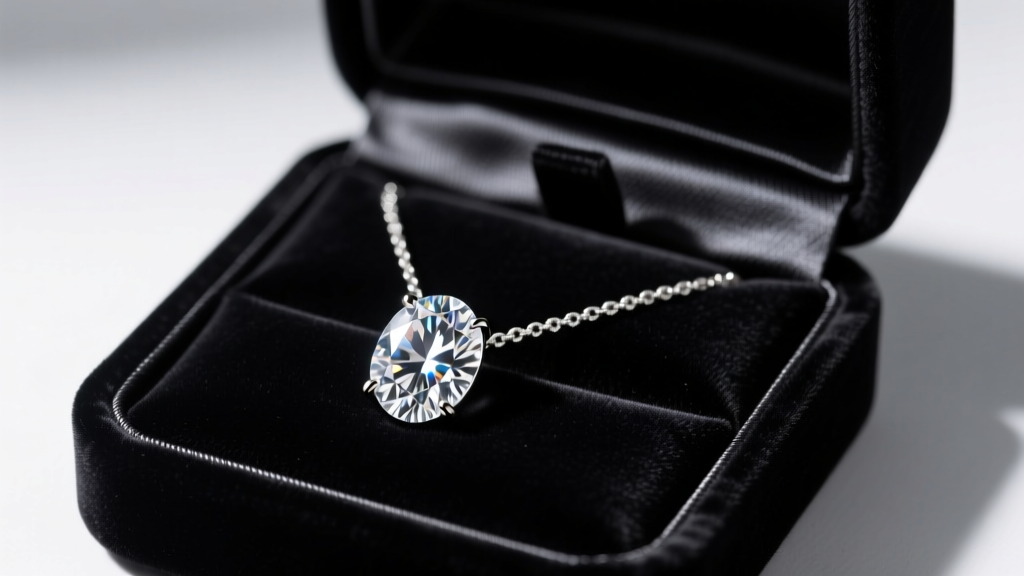
Gifting a big stone necklace is one of the most impactful ways to mark a major life milestone. In 2026, the definition of a "statement piece" has evolved beyond simple carat weight. Today’s discerning recipients value optical precision, ethical sourcing, and structural integrity just as much as sheer size. Whether you are shopping for a 10th anniversary, a milestone graduation, or a significant birthday, navigating the world of large-format gemstones requires a strategic approach.
A true big stone necklace typically features a center gem ranging from 5.00 carats (roughly 11mm) to over 20.00 carats. At this scale, the physics of jewelry design come into play. The pendant must be properly supported, the gemstone must be suited for the wearer's lifestyle, and the aesthetic must align with the occasion. This comprehensive guide breaks down the exact specifications, materials, and occasion-matching frameworks you need to select a flawless piece.
The Anatomy of a Statement Piece
When dealing with substantial carat weights, the setting and chain are not just aesthetic choices—they are critical structural components. A common failure mode in mass-produced large pendants is the reliance on delicate chains and weak clasps that cannot withstand the pendulum effect of a heavy stone.
Chain Mechanics and Clasp Failure Modes
A 10-carat diamond or a 15mm sapphire can easily weigh between 8 and 15 grams just for the stone, adding another 5 to 10 grams for the precious metal setting. To support this weight without stretching or snapping, you must select the correct chain gauge and clasp type.
- Chain Gauge: Never pair a big stone pendant with a chain thinner than 2.0mm. For stones over 8 carats, a 2.5mm to 3.5mm Franco, Rope, or Curb chain is mandatory. These weaves distribute tension evenly across the links.
- Clasp Selection: Spring ring clasps are strictly prohibited for heavy pendants; the internal spring mechanism will inevitably fail under dynamic stress. Always opt for a solid lobster clasp or a parrot clasp with a minimum length of 12mm.
- Bail Reinforcement: The bail (the loop connecting the pendant to the chain) should be cast in a durable metal like 18k gold or platinum and feature a reinforced inner lining to prevent friction wear from the chain.
Setting Types: Prong vs. Bezel
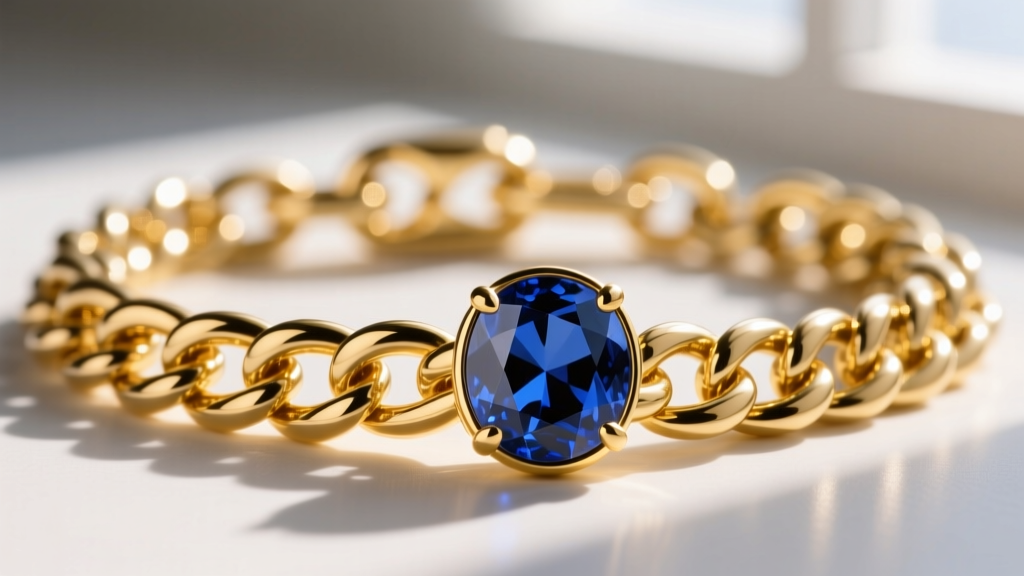
While traditional four-prong settings maximize light return, they leave the girdle of a large gemstone vulnerable to chipping. For a big stone necklace intended for frequent wear, a half-bezel or full bezel setting is vastly superior. A bezel encases the gem's perimeter in metal, absorbing lateral impacts that would otherwise shatter a large, exposed stone. According to the Jewelers of America, bezel settings reduce the need for prong re-tipping and offer superior long-term security for high-carat stones.
Gemstone Selection: Durability Meets Drama
Not all gemstones are created equal, especially when cut to massive proportions. The GIA Gem Encyclopedia emphasizes that hardness (Mohs scale) and toughness (resistance to chipping) are distinct properties that must both be evaluated.
"When gifting large-format gemstones, always consider the recipient's daily environment. A 15-carat opal is breathtaking but highly susceptible to thermal shock and dehydration, whereas a 15-carat lab-grown sapphire is virtually indestructible in daily wear."
Top Tier: Diamonds, Sapphires, and Moissanite
For daily wear and maximum durability, diamonds (Mohs 10) and sapphires (Mohs 9) remain the gold standard. In 2026, lab-grown diamonds dominate the big stone market, allowing gifters to present 10.00ct to 15.00ct stones with exceptional VVS clarity and Ideal cut grades for a fraction of the cost of mined equivalents. Always ensure lab diamonds are certified by reputable entities like IGI or GCAL. Moissanite (Mohs 9.25) is another exceptional alternative, offering a higher refractive index than diamond, which results in intense "fire" that looks spectacular in stones over 12mm.
Mid Tier: Morganite, Aquamarine, and Topaz
Beryls like morganite and aquamarine are incredibly popular for large, romantic pendants due to their soft pastel hues and ability to be cut into massive sizes affordably. However, they possess distinct cleavage planes. If you choose a 20mm morganite, it must be set in a protective bezel or a heavily reinforced basket setting to prevent cleavage fractures from accidental drops.
Occasion Matching Matrix
Matching the stone type and scale to the specific milestone ensures the gift feels intentional and appropriate. Use the framework below to guide your selection.
| Occasion | Recommended Stone | Ideal Size / Carat | Budget Range (USD) | Best Metal Pairing |
|---|---|---|---|---|
| 10th Anniversary | Lab-Grown Diamond (Oval) | 8.00ct - 12.00ct | $4,500 - $9,000 | Platinum or 18k White Gold |
| Milestone Birthday (30/40) | Montana Sapphire (Teal) | 12mm - 16mm (approx 6-9ct) | $3,000 - $7,500 | 18k Yellow Gold |
| Graduation / Career Launch | Moissanite (Emerald Cut) | 14x10mm - 16x12mm | $1,200 - $2,500 | 14k Rose or White Gold |
| Push Present / New Baby | Morganite (Cushion Cut) | 15mm - 20mm | $1,500 - $3,500 | 18k Rose Gold |
| 25th Silver Anniversary | Spinel or Gray Diamond | 10.00ct - 15.00ct | $5,000 - $12,000 | Platinum |
Milestone Gifting Strategies
When gifting a big stone necklace for an anniversary, opt for elongated shapes like ovals or emerald cuts. These shapes lay flat against the collarbone and create an elegant, slimming silhouette that pairs well with both evening wear and professional attire. For younger recipients or career milestones, geometric shapes like hexagons or kite-cut moissanite offer a modern, avant-garde edge that reflects contemporary 2026 jewelry trends.
Proportions and Neckline Pairing
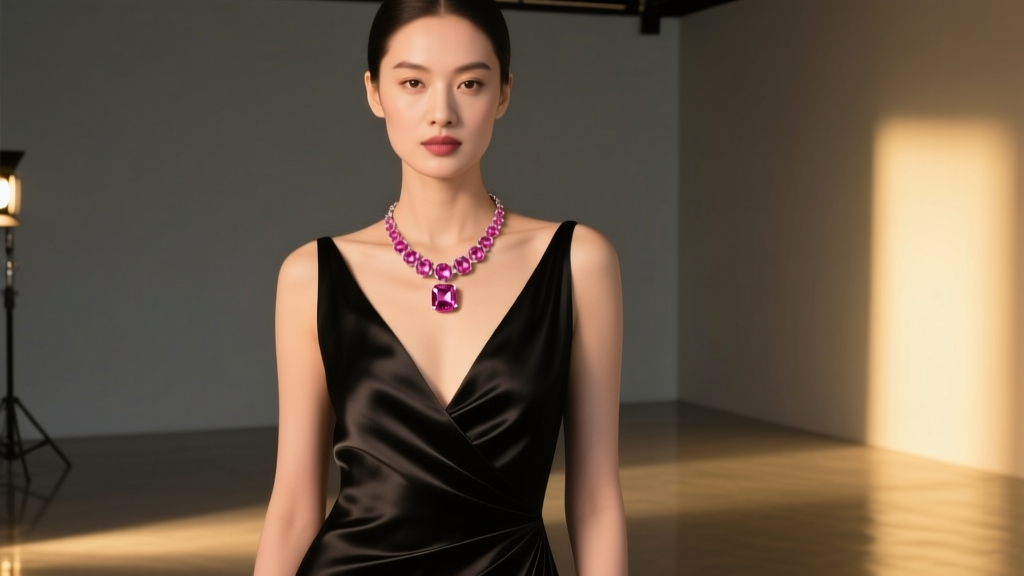
A massive pendant can easily overwhelm the wearer if the chain length is incorrect. The placement of the stone on the chest dictates how it interacts with clothing and the wearer's natural proportions.
- Choker Length (15-16 inches): Best for smaller "big" stones (5-7 carats). Sits high on the collarbone. Ideal for open-neck blouses and off-the-shoulder gowns.
- Princess Length (18 inches): The universal standard. The pendant rests just below the collarbone, perfectly framing the face. This is the safest choice for a surprise gift, as it suits almost all necklines, from crew necks to V-necks.
- Matinee Length (20-24 inches): Reserved for truly massive stones (15+ carats) or elongated drops. The pendant rests on the upper chest, drawing the eye downward. Perfect for deep V-necks, wrap dresses, and formal evening wear.
Pro Tip: If you are unsure of the recipient's preferred length, purchase an 18-inch chain with a 2-inch extender. This provides the versatility to wear the piece at both 18 and 20 inches, accommodating different necklines and seasonal layering trends.
Authentication, Appraisal, and Insurance
Gifting a high-value big stone necklace comes with fiduciary responsibilities. Never purchase a large gemstone without independent, third-party verification. For lab-grown diamonds, insist on an IGI or GCAL report that details the 4Cs and confirms the stone's origin. For colored gemstones like sapphires or spinels, an AGL (American Gemological Laboratories) or Gübelin report is essential to verify that the stone has not been subjected to undisclosed heat or fracture-filling treatments.
Furthermore, include a professional insurance appraisal in the gift box. A certified insurance appraisal documents the replacement value of the necklace, allowing the recipient to immediately add the piece to their jewelry insurance rider. Presenting the necklace alongside its certification dossier and appraisal elevates the gifting experience, demonstrating that you value both the emotional and material significance of the investment.


