2026 Gold Necklace Designs: Top Trends & Style Analysis
Explore 2026 gold necklace designs, from mixed-karat layering and molten pendants to alloy innovations. Expert trends and buying advice.

The 2026 Shift: From Minimalist to Sculptural Permanence
The landscape of fine jewelry is undergoing a seismic shift. As we navigate 2026, gold necklace designs have evolved dramatically from the ultra-delicate, barely-there chains of the early 2020s into bold, sculptural statements that prioritize weight, texture, and permanence. The 'quiet luxury' trend has matured into what industry insiders call 'expressive permanence'—a desire for pieces that feel substantial against the skin and carry intrinsic, heirloom-level value.
Consumers are moving away from fragile 0.8mm cable chains that snap under minimal tension. Instead, the market is heavily favoring chains with a minimum gauge of 2.5mm to 4mm. This shift is not merely aesthetic; it is a practical response to the rising cost of gold. Buyers want to feel the physical weight of their investment. According to the World Gold Council's Gold Demand Trends, jewelry demand has remained remarkably resilient, driven largely by consumers viewing heavier gold pieces as both a fashion staple and a tangible asset.
Alloy Innovations: Beyond Traditional Yellow Gold
While classic yellow gold remains a cornerstone, 2026 has introduced a sophisticated renaissance in gold alloying. The Gemological Institute of America (GIA) notes that modern jewelers are experimenting with trace metals to create nuanced color palettes that complement a wider variety of skin undertones.
The most notable emergence this year is 'Champagne Gold.' Unlike traditional rose gold, which relies heavily on copper for its pinkish hue, champagne gold is typically a 14k alloy blended with palladium and a micro-dose of copper. The result is a muted, warm beige tone that bridges the gap between yellow and white gold, offering a vintage, low-luster elegance that pairs exceptionally well with unpolished, matte-finish pendants.
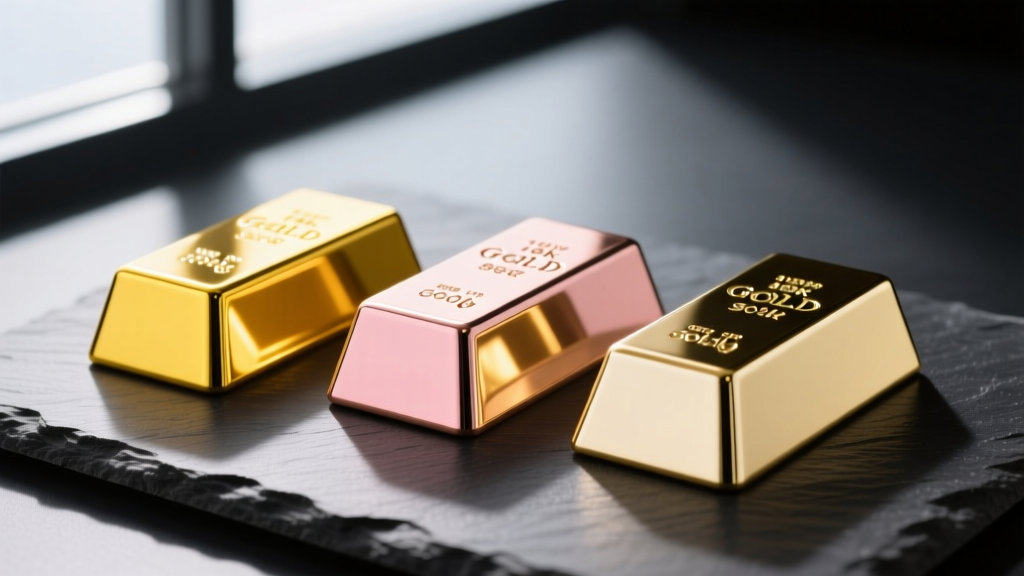
2026 Gold Alloy Composition & Market Pricing
Understanding the metallurgy behind your jewelry is critical for assessing durability and value. Below is a breakdown of the dominant alloys shaping this year's gold necklace designs.
| Alloy Type | Gold Purity | Primary Alloy Metals | 2026 Avg. Price (18' 2mm Chain) | Durability Rating |
|---|---|---|---|---|
| 14k Yellow | 58.5% | Copper, Silver, Zinc | $450 - $650 | High (Everyday Wear) |
| 18k Yellow | 75.0% | Copper, Silver | $850 - $1,200 | Medium (Occasional Wear) |
| 14k Rose | 58.5% | High Copper, Silver | $480 - $680 | High (Everyday Wear) |
| Champagne | 58.5% | Palladium, Copper | $550 - $750 | High (Everyday Wear) |
Expert Insight: If you are purchasing an 18k gold chain for daily wear, opt for a Curb or Rope link. The higher gold content makes 18k softer and more prone to scratching; these interlocking link styles hide micro-abrasions far better than smooth, high-polish box chains.
Dominant Silhouettes in Modern Gold Necklace Designs
The actual architecture of the chain and pendant has seen a rebellion against perfect symmetry. Designers are embracing organic imperfections and varied geometries.
The Asymmetrical Paperclip Chain
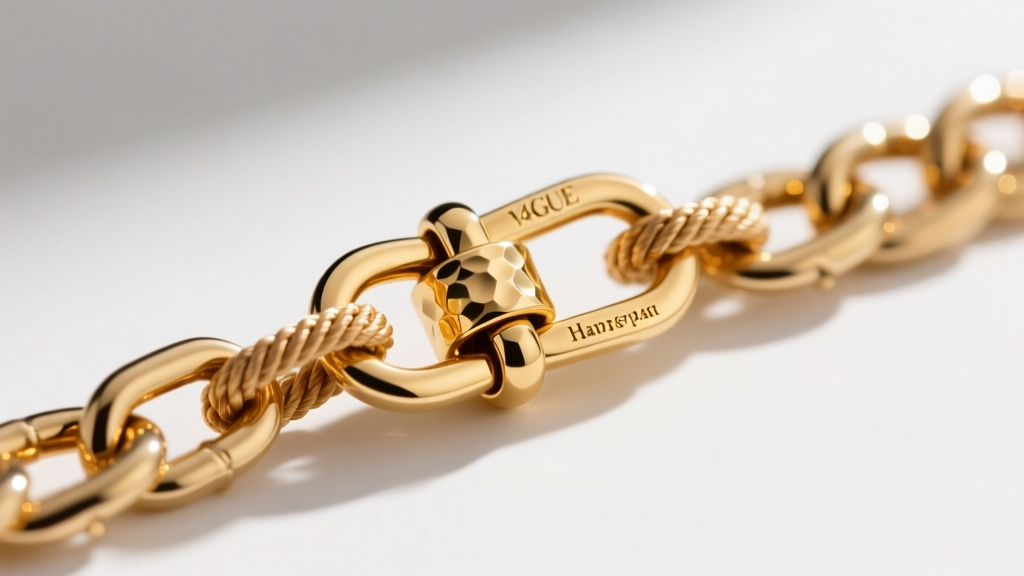
The standard paperclip chain has been deconstructed. The 2026 iteration features alternating link sizes within the same chain—for example, cycling between a 3mm link and an 8mm elongated link. This creates a dynamic, kinetic movement that catches the light unpredictably. It provides the visual weight of a heavy chain without the prohibitive cost of solid, uniform thick links, as the smaller links reduce the overall gram weight.
Molten and Lost-Wax Pendants
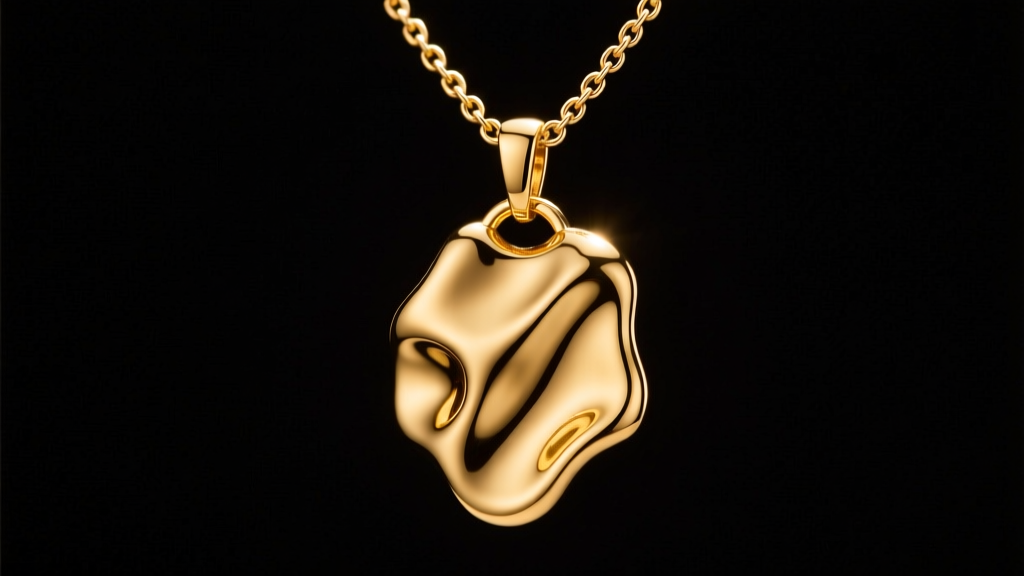
Pendant designs are moving away from precise, CAD-milled geometric shapes toward 'molten' aesthetics. Using traditional lost-wax casting techniques, artisans are carving wax with heat and water to create organic, fluid shapes that look like frozen droplets of liquid gold. These pendants are often left with a satin or sandblasted finish rather than a high polish, emphasizing their raw, elemental origins.
Mastering the Mixed-Karat Layering Technique
Layering is no longer about wearing three identical chains of varying lengths. The definitive style hallmark of 2026 is mixed-karat and mixed-texture layering. Combining the buttery, rich tone of 18k yellow gold with the slightly palmer, more durable hue of 14k yellow gold creates a depth of color that a single karat cannot achieve.
The 2-3-4 Layering Framework
To execute a flawless layered look without tangling, follow this structural framework:
- Layer 1 (The Anchor): A 14-inch or 16-inch 2mm solid gold chain (like a wheat or rope chain) sitting close to the collarbone. Use a secure lobster clasp.
- Layer 2 (The Focal Point): An 18-inch asymmetrical paperclip or medium curb chain (3mm to 4mm) featuring a molten or signet pendant. This should rest exactly at the sternum.
- Layer 3 (The Elongator): A 22-inch to 24-inch lightweight box chain (1.5mm) with a small, textured drop pendant. This draws the eye downward and elongates the neckline.
Crucially, ensure your clasps are proportionate to the chain gauge. A heavy 5mm Cuban link requires a specialized trigger clasp or a magnetic neodymium clasp; a standard spring-ring clasp will fail under the dynamic weight of a heavy chain.
Investment Tiers: What to Buy in 2026
With gold prices remaining at historic highs, understanding the construction of your necklace is vital to avoid buyer's remorse.
Avoid Hollow Gold (Electroformed): Many retailers sell thick-looking chains that are actually hollow inside. While they offer a massive look for a lower price, they are notoriously fragile. A single knock against a hard surface can dent them, and they are virtually impossible for a jeweler to solder or repair.
Embrace Heavy Vermeil for Trend Pieces: If you want to experiment with the massive, sculptural 2026 silhouettes without the $4,000 solid gold price tag, look for high-micron gold vermeil. Ensure the piece is sterling silver coated with at least 2.5 microns of 14k or 18k gold. Standard gold plating (often under 0.5 microns) will wear through to the base metal within months of daily friction.
Ultimately, the best gold necklace designs of 2026 are those that balance artistic expression with metallurgical integrity. By focusing on substantial gauges, innovative alloys like champagne gold, and intentional mixed-karat layering, you can curate a collection that is both stylistically current and built to outlast the trend cycle.


