Is a 14k Gold Necklace Solid Worth It? Material Guide
Discover if a 14k gold necklace solid build is worth the investment. Compare durability, alloy compositions, pricing math, and care for daily wear.

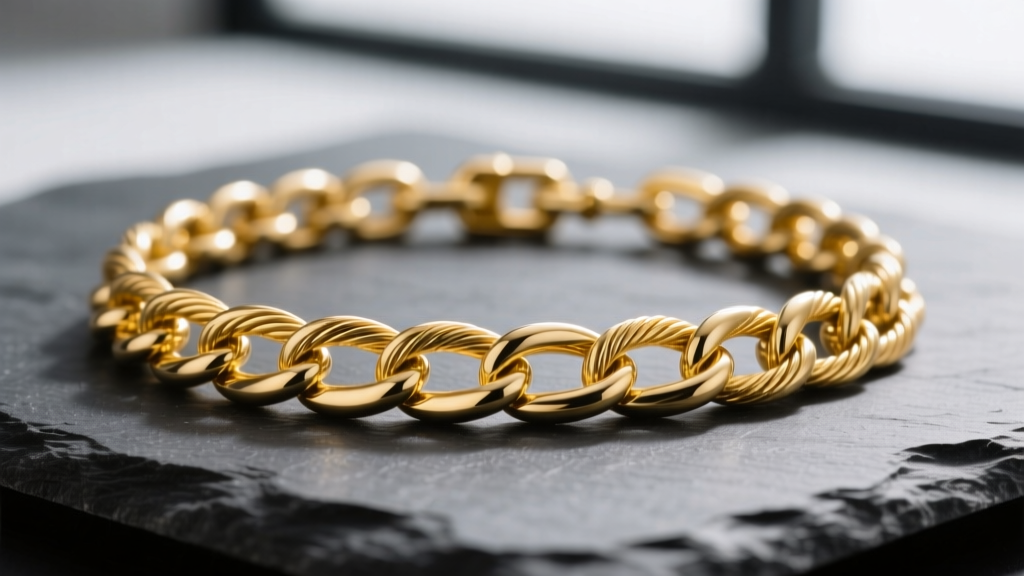
When consumers type '14k gold necklace solid' into search engines, they are actively trying to filter out the market's vast sea of gold-plated, vermeil, and hollow-core alternatives. The pursuit of solid gold jewelry is driven by a desire for longevity, intrinsic value, and hypoallergenic properties. However, not all solid gold pieces are created equal. Understanding the metallurgical properties, structural integrity, and pricing mechanics of solid 14k gold is essential for making an informed purchase that will last a lifetime.
In this comprehensive material guide, we break down the exact science of 14k gold alloys, compare structural chain styles, and provide a mathematical framework to ensure you are paying a fair market price for your jewelry.
The Metallurgy of 14k Gold: Hardness and Alloy Composition
Pure 24k gold is exceptionally soft, scoring roughly 60 on the Vickers hardness scale. This makes it entirely unsuitable for everyday chain necklaces, which require high tensile strength to support pendants and resist snapping. To solve this, metallurgists alloy pure gold with other metals. A genuine 14k gold piece consists of exactly 58.3% pure gold and 41.7% alloy metals, giving it a Vickers hardness rating between 140 and 160 HV. This makes it nearly three times harder than 24k gold and significantly more scratch-resistant than 18k gold (which sits around 120 HV).
How Alloys Dictate Color and Skin Sensitivity
The 41.7% alloy mixture is where jewelers manipulate both the color and the structural properties of the metal. According to the Gemological Institute of America (GIA), the specific ratios of copper, silver, zinc, and nickel dictate the final hue:
- 14k Yellow Gold: Typically alloyed with roughly 20-25% copper and 15-20% silver. The copper adds warmth and tensile strength, while silver tempers the redness of the copper.
- 14k Rose Gold: Contains a much higher copper concentration (up to 40%) with minimal silver or zinc. While beautiful, the high copper content makes rose gold slightly more prone to surface oxidation (tarnish) over decades of wear.
- 14k White Gold: Alloyed with nickel, palladium, or manganese to bleach the yellow hue. It is almost always plated with rhodium for a bright white finish. Buyers with nickel allergies must verify that the piece uses palladium as the bleaching agent instead.
Solid vs. Hollow vs. Plated: A Structural Breakdown
The term 'solid' means the chain is completely filled with the 14k gold alloy from the core to the surface. This is fundamentally different from hollow-core chains or plated alternatives. Below is a direct comparison of structural integrity and lifespan.
| Material Type | Core Composition | Tensile Strength | Lifespan with Daily Wear | Repairability |
|---|---|---|---|---|
| Solid 14k Gold | 100% 14k Gold Alloy | High (Resists crushing) | Generational (50+ years) | Excellent (Can be soldered) |
| Hollow 14k Gold | Air / Resin Core | Low (Dents easily) | 1 to 3 years | Poor (Often irreparable) |
| Gold Vermeil | Sterling Silver Core | Medium | 2 to 5 years | Moderate (Requires replating) |
| Gold Plated | Brass or Copper Core | Variable | 6 to 18 months | Poor (Base metal degrades) |
A hollow 14k gold chain may look identical to a solid one on the outside and will pass a standard acid test, but it will easily kink or crush under the weight of a moderate pendant. Always verify the gram weight; a hollow chain will feel suspiciously light for its physical volume.
Chain Styles and Structural Integrity in Solid 14k
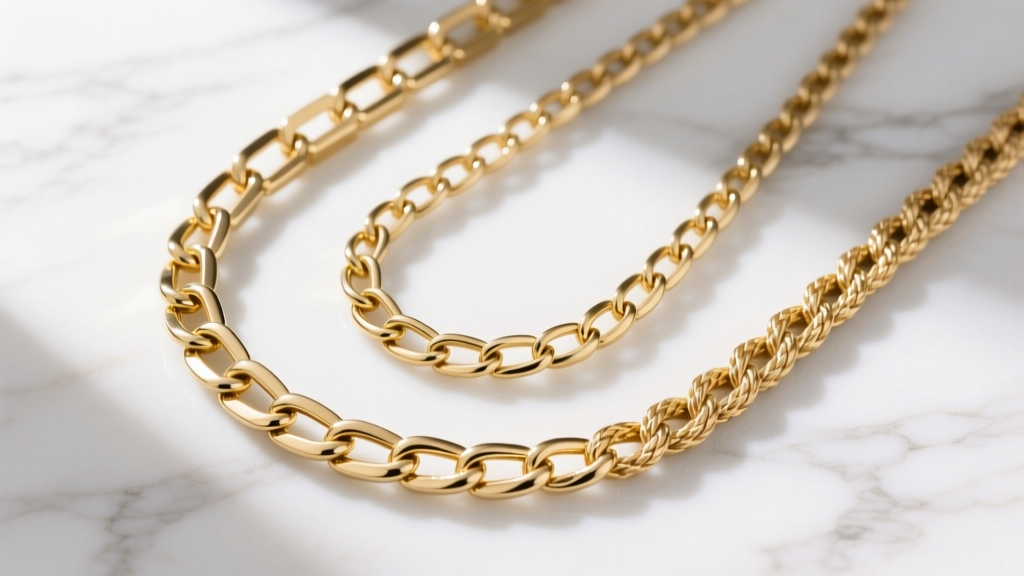
Even if a 14k gold necklace solid build is guaranteed, the specific chain link style drastically affects its durability and repairability. The way the links interlock determines the chain's weakest point.
The Most Durable Styles for Daily Wear
- Cable and Curb Chains: These feature simple, interlocking oval links that lie flat or stand upright. Because each link is individually laser-welded or soldered shut, they distribute tension evenly. If a cable chain breaks, a jeweler can easily replace a single link.
- Figaro Chains: A variation of the curb chain, Figaro offers excellent structural integrity due to its thick, flat links. It is highly resistant to kinking.
Styles That Require Cautious Wear
- Box Chains: While visually striking, the square links are folded and hinged rather than welded. They are notorious for kinking if bent at a sharp angle, and once a box chain kinks, it is nearly impossible to restore to its original fluidity.
- Rope Chains: Rope chains are incredibly difficult to manufacture, featuring twisted links that mimic a woven rope. If a rope chain snaps, traditional torch soldering will melt the surrounding intricate twists. They require specialized laser welding to repair invisibly.
- Snake Chains: These are composed of tightly joined wavy rings that form a flexible tube. They are highly susceptible to trapping body oils and lotions, and if bent backward, the internal structure will fracture permanently.
Pricing Mechanics: Calculating the True Melt Value
Retail jewelry pricing is notoriously opaque. To determine if you are paying a fair price for a solid 14k gold necklace, you must understand the relationship between the spot price of gold and the retail markup. The Federal Trade Commission (FTC) Jewelry Guides strictly regulate how gold content is stamped and marketed, ensuring that a '14k' stamp guarantees 58.3% purity, but they do not regulate retail markups.
The Melt Value Formula
Gold is traded in troy ounces (31.1035 grams). To find the baseline intrinsic value of your necklace, follow this math:
- Find the current spot price of pure 24k gold per troy ounce (e.g., $2,050).
- Divide by 31.1035 to get the price per gram of pure gold (e.g., $65.91).
- Multiply by 0.583 to get the melt value of 14k gold per gram (e.g., $38.42).
- Multiply the 14k price per gram by the weight of the necklace in grams.
Example: A solid 14k gold curb chain weighing 8.5 grams has a baseline melt value of roughly $326.50. A fair retail markup for a basic, machine-made chain from a reputable jeweler is typically 2x to 3x the melt value to cover manufacturing, labor, and overhead, placing the fair retail price between $650 and $980. If a brand is charging $2,500 for that same 8.5-gram chain, you are paying a massive designer premium for the logo, not the material.
Maintenance, Tarnish, and Troubleshooting
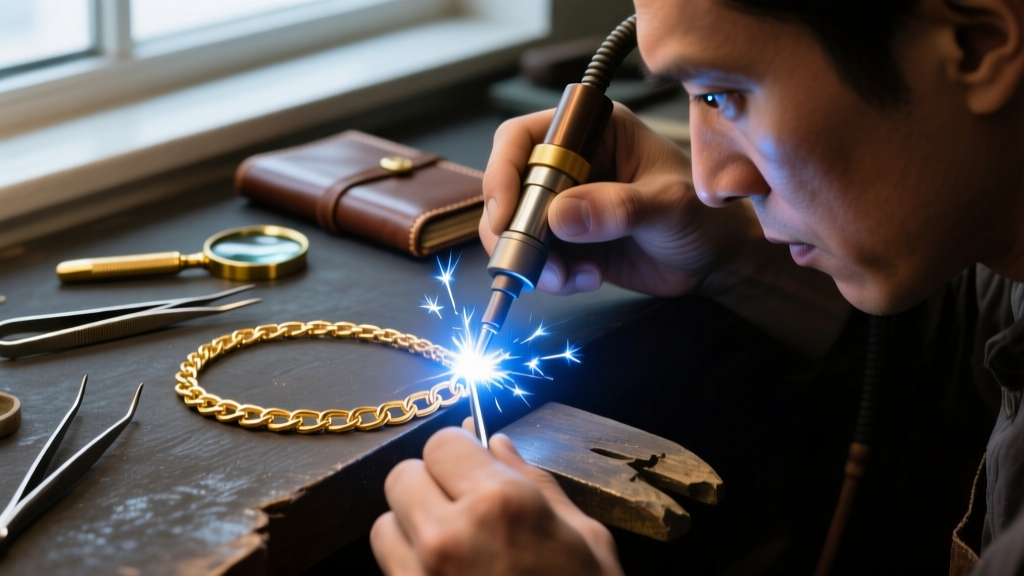
A common misconception is that solid gold never tarnishes. While pure 24k gold is completely inert, the 41.7% alloy metals in a 14k gold necklace solid piece (specifically copper and silver) can react with sulfur, chlorine, and oxygen in the environment.
Why Your 14k Gold is Tarnishing
If your 14k yellow or rose gold necklace develops a dull, slightly brownish or reddish film, it is surface tarnish caused by the copper alloy reacting to lotions, perfumes, or the natural acidity of your sweat. This is entirely normal and actually serves as proof that the piece is not heavily rhodium-plated white gold or pure 24k gold.
Proper Cleaning Protocols
Avoid harsh chemical dips, which can strip the polished surface layer of the alloy. Instead, use the industry-standard cleaning method:
- Mix a few drops of mild, phosphate-free dish soap into a bowl of warm distilled water.
- Submerge the necklace for 15 minutes to loosen sebum and dead skin cells trapped in the links.
- Gently agitate with an extra-soft baby toothbrush, brushing in the direction of the links to avoid snagging.
- Rinse with distilled water and pat dry with a microfiber cloth. Never use paper towels, as the wood fibers can cause micro-scratches on the gold alloy.
Final Verdict: Who Should Buy Solid 14k?
Investing in a 14k gold necklace solid in its construction is the optimal choice for individuals seeking a 'buy-it-for-life' piece of everyday jewelry. It offers the perfect metallurgical sweet spot: enough pure gold to retain intrinsic value and resist severe corrosion, but enough alloy to provide the tensile strength required to hold diamond pendants and withstand the rigors of daily wear. By understanding the alloy compositions, choosing structurally sound chain styles like the curb or cable, and calculating the melt value before purchasing, you can confidently navigate the market and secure a piece that will outlast the trends.


