14kt Gold Necklaces: 2026 Trends & Styling Masterclass
Discover the 2026 trend shift toward architectural 14kt gold necklaces. Expert analysis on weaves, pricing per gram, alloy strength, and styling.

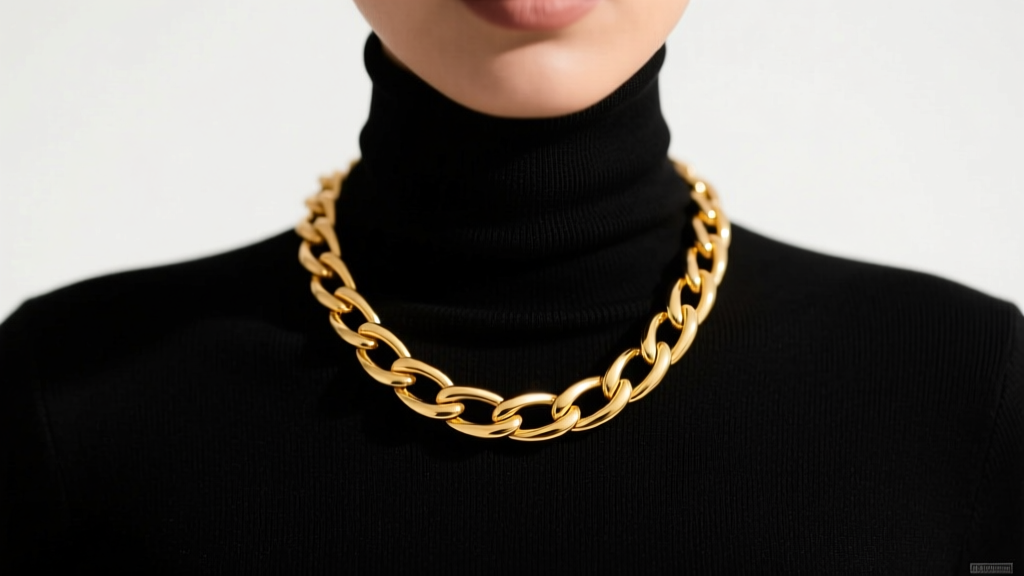
The 2026 Paradigm Shift: From Dainty to Architectural
If the early 2020s were defined by the delicate, multi-strand layering trend, 2026 marks a definitive pivot in the fine jewelry sector. The current market is heavily favoring structural solidity, architectural geometry, and substantial weight. At the forefront of this movement are 14kt gold necklaces, which have transcended their status as mere accessories to become foundational wardrobe anchors. According to recent market analyses by JCK Industry Reports, consumer demand for chains exceeding 30 grams has increased by 42% year-over-year, signaling a desire for permanence and bold, singular statements over fragmented, fragile layering.
This shift is not merely aesthetic; it is deeply rooted in the practical realities of modern wear. Consumers are increasingly educated on metal fatigue, chain stretch, and clasp failure, leading to a surge in demand for 14kt gold, which offers the optimal intersection of luxurious color, structural integrity, and long-term durability.
The Metallurgy of 14kt: Why It Dominates Structural Trends
To understand why 14kt gold is the undisputed king of the 2026 heavy-chain trend, we must look at the metallurgy. Pure 24kt gold is far too soft for structural chains. 18kt gold (75% pure) offers a rich color but possesses a Vickers hardness of roughly 110-120, making heavy 18kt chains susceptible to stretching and link deformation over time.
14kt gold, comprising 58.5% pure gold and 41.5% alloy metals, achieves a Vickers hardness of 130-150. As detailed by the Gemological Institute of America (GIA), this specific alloy matrix—typically blending copper, silver, and zinc—provides the tensile strength required to support heavy pendants and withstand the daily friction of thick chain links without warping. Furthermore, the alloy composition dictates the color and wear characteristics:
- 14kt Yellow Gold: Usually alloyed with a balanced mix of copper and silver, providing a warm, classic hue that hides micro-scratches exceptionally well.
- 14kt Rose Gold: Contains a higher copper content (up to 20-25%), yielding a pinkish tint. However, this copper density makes it slightly more prone to surface oxidation if frequently exposed to cosmetics and lotions.
- 14kt White Gold: Alloyed with nickel or palladium. In 2026, there is a growing trend toward "un-rhodiumed" palladium-white 14kt alloys, which avoid the inevitable wear-through of rhodium plating (typically applied at just 0.1 to 0.3 microns) at the high-friction contact points of heavy chain links.
Top 14kt Gold Necklace Weaves Defining 2026
The architectural trend has elevated specific chain weaves to cult status. Designers are moving away from standard cable chains and focusing on weaves that manipulate light and offer a substantial, fluid drape.
1. The Tubo (Tube) Chain
Characterized by its smooth, continuous cylindrical links, the Tubo chain is a masterclass in minimalist geometry. In 2026, the most sought-after widths range from 4mm to 6mm, with an 18-inch length typically weighing between 25 and 40 grams. Its flush surface reflects light in a continuous beam, making it an ideal, unisex foundation piece that sits perfectly flat against the collarbone.
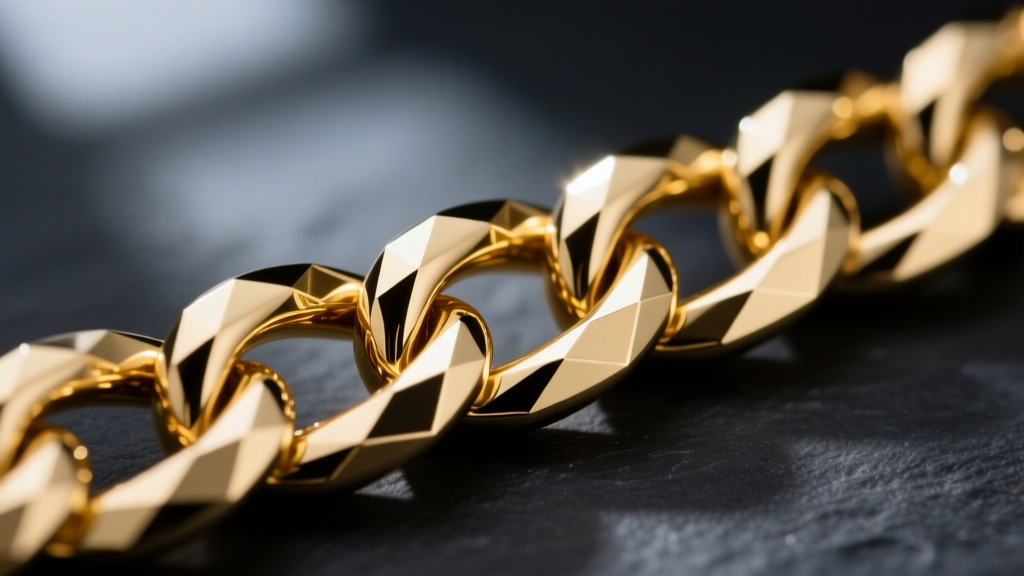
2. The Beveled Curb
While the standard curb chain is a classic, the 2026 iteration features aggressive diamond-cut beveling. By slicing the top and bottom of the interlocking links at sharp angles, jewelers create a multi-faceted surface that mimics the brilliance of gemstones. These are heavy, statement pieces, often ranging from 8mm to 12mm in width and weighing upwards of 60 grams. The beveling also reduces the skin-contact surface area, making thick chains significantly more comfortable to wear.
3. The Hand-Braided Wheat (Spiga)
For those seeking intricate texture without the sharp edges of a Cuban or Curb link, the Wheat chain remains a top contender. Composed of four distinct strands of oval links woven tightly in the same direction, it offers a rope-like, organic texture. Because of the complex weaving process, hand-braided 14kt wheat chains command a higher craftsmanship premium but offer unparalleled tensile strength, virtually eliminating the risk of link snapping.
Price Analysis: What You Should Pay per Gram
Navigating the pricing of solid 14kt gold necklaces requires an understanding of the "melt value" versus the "craftsmanship premium." With gold spot prices fluctuating around the $2,300 per ounce mark in early 2026 (as tracked by Kitco Gold Markets), the raw material cost of 14kt gold sits at approximately $45 to $50 per gram. However, retail pricing incorporates manufacturing complexity, brand positioning, and finishing techniques.
| Chain Style | Avg. Weight (18") | Est. Retail Price Range (2026) | Markup Factor (Over Melt) |
|---|---|---|---|
| Solid Beveled Curb | 45g - 60g | $4,800 - $7,200 | 2.5x - 3.2x |
| Tubo (Tube) | 30g - 45g | $3,500 - $5,800 | 2.8x - 3.5x |
| Hand-Braided Rope | 50g - 80g | $6,500 - $11,000 | 3.5x - 4.5x |
| Hollow Electroformed | 10g - 15g | $1,200 - $1,800 | 4.0x - 5.0x |
Red Flags: Identifying Poor Construction
When investing in heavy 14kt gold necklaces, buyers must be vigilant against structural compromises. The most common failure mode in the mid-tier market is the hollow electroformed chain. These chains look massive but weigh a fraction of their solid counterparts. They are highly susceptible to crushing if bumped against a hard surface and are virtually impossible to repair once dented. Always demand the exact gram weight from the jeweler; if an 8mm curb chain weighs less than 25 grams, it is hollow or heavily cored.
Additionally, inspect the soldering joints on the links. Machine-made chains are often laser-welded or soldered at a single microscopic point. Under the stress of a 50-gram chain, these single-point solders will eventually fatigue and pop open. Look for chains with "double-soldered" or seamlessly woven links for long-term security.
Styling Framework: Necklines and Proportions
The architectural weight of modern 14kt gold necklaces demands intentional styling. The "more is more" approach of the past decade has been replaced by a focus on negative space and proportion.
"A 50-gram solid gold chain is a garment in itself. It requires the canvas of a heavy ribbed knit, a structured silk blouse, or a stark architectural neckline to truly resonate. Drowning it in busy patterns defeats the purpose of the metal's geometry." — Elara Vance, Lead Stylist at Atelier Moderne
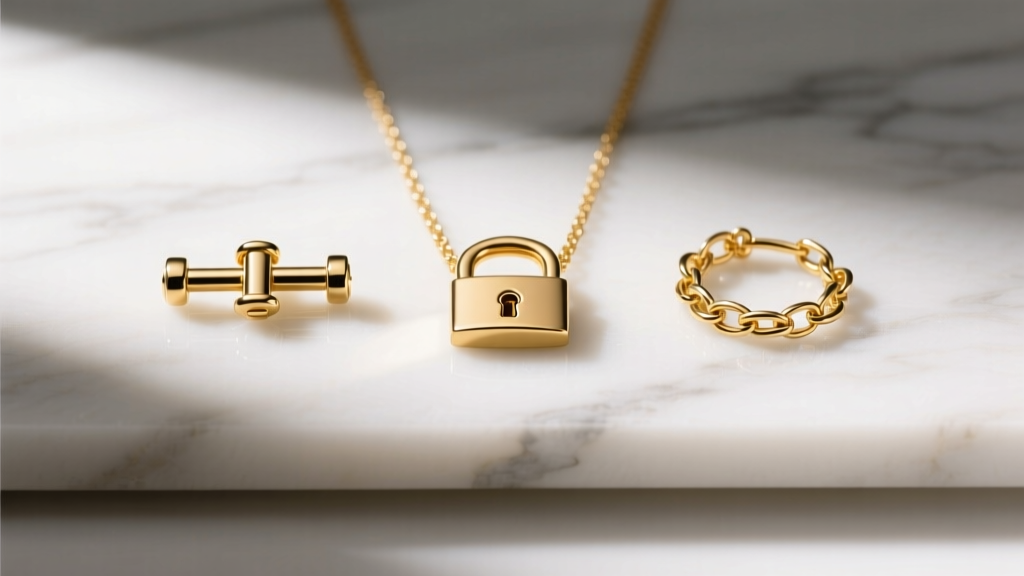
The Clasp Evolution: T-Bar and Magnetic Locks
A critical, often overlooked element of heavy chain styling is the clasp. A traditional 12mm lobster clasp is mechanically insufficient for chains exceeding 35 grams; the internal spring will fatigue, leading to catastrophic failure. In 2026, high-end 14kt gold necklaces are increasingly finished with integrated hardware that doubles as a design feature:
- The T-Bar Toggle: Allows the wearer to clasp the chain at the front, turning the hardware into a focal pendant element. It relies on gravity and tension, making it highly secure for heavy chains.
- Custom Box Locks: Often integrated seamlessly into the chain's weave (especially in Tubo and Curb styles), these feature a tongue-and-groove mechanism secured by dual figure-8 safety catches. They provide a flush, uninterrupted silhouette around the neck.
- Neodymium Magnetic Locks: Encased in 14kt gold sleeves, high-grade magnets offer a satisfying, secure closure for medium-weight chains (20-30g), though they are not recommended for chains over 40g due to sheer-force vulnerability.
Final Verdict: Investing in 14kt Gold Necklaces
The 2026 landscape for 14kt gold necklaces is defined by a return to permanence, weight, and metallurgical excellence. By prioritizing solid construction over hollow volume, understanding the nuances of alloy hardness, and selecting weaves that complement modern architectural fashion, collectors can acquire pieces that serve as both daily armor and generational assets. Whether opting for the sleek, light-catching surface of a beveled curb or the organic complexity of a hand-braided wheat, the modern gold chain is no longer just an accessory—it is the foundation of the contemporary wardrobe.


