How Long Is a 16 Inch Necklace? Fit Guide & Buying Tips
Wondering how long is a 16 inch necklace? Discover exact measurements, fit guides for different necklines, and expert buying tips for the perfect drape.

When shopping for fine jewelry, understanding exact measurements is the difference between a piece that flatters your natural anatomy and one that sits awkwardly. If you have ever found yourself asking, how long is a 16 inch necklace, you are not alone. The 16-inch length is arguably the most versatile and popular chain size in modern jewelry, but its fit can vary dramatically based on your body type, the chain's gauge, and the clasp hardware.
In this comprehensive buying guide, we break down the exact dimensions of a 16-inch chain, how it interacts with different necklines, and the specific metallurgical and hardware details you must look for before making a purchase.
The Exact Dimensions: How Long Is a 16 Inch Necklace?
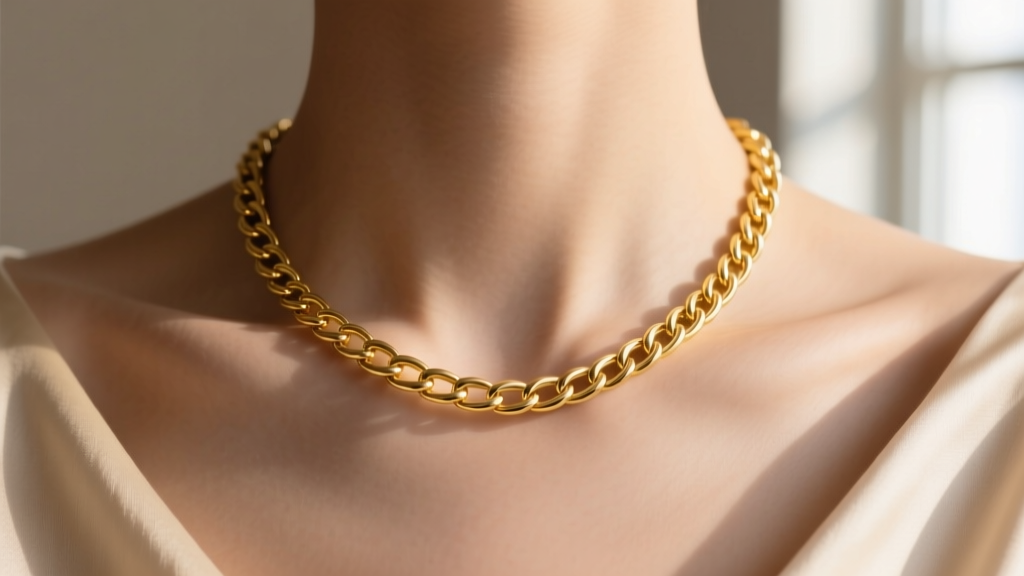
To answer the core question directly: a 16-inch necklace measures exactly 40.64 centimeters from end to end, including the clasp. In traditional jewelry terminology, a 16-inch chain falls into the 'choker' or 'collar' category. However, in contemporary styling, it is widely recognized as the standard collarbone-length necklace.
When worn, a 16-inch chain typically rests at the base of the neck, grazing the top of the collarbone (clavicle). According to Blue Nile's jewelry education guidelines, this length is designed to frame the face and draw the eye downward toward the décolletage, making it an ideal canvas for small to medium-sized pendants (typically ranging from 5mm to 12mm in diameter).
The Two-Finger Rule for Comfort
Because a 16-inch necklace sits near the throat, comfort is paramount. Master jewelers recommend the 'two-finger rule': when the chain is clasped, you should be able to comfortably slide two fingers between the metal and your skin. If your neck circumference is 14 inches or larger, a strict 16-inch chain without an extender may feel restrictive, especially during temperature fluctuations or physical activity.
Visualizing the 16-Inch Drop on Different Body Types
The way a 16-inch necklace drapes is not universal; it is entirely dependent on the wearer's skeletal structure and neck circumference. Here is how the 40.64cm length translates across different body types:
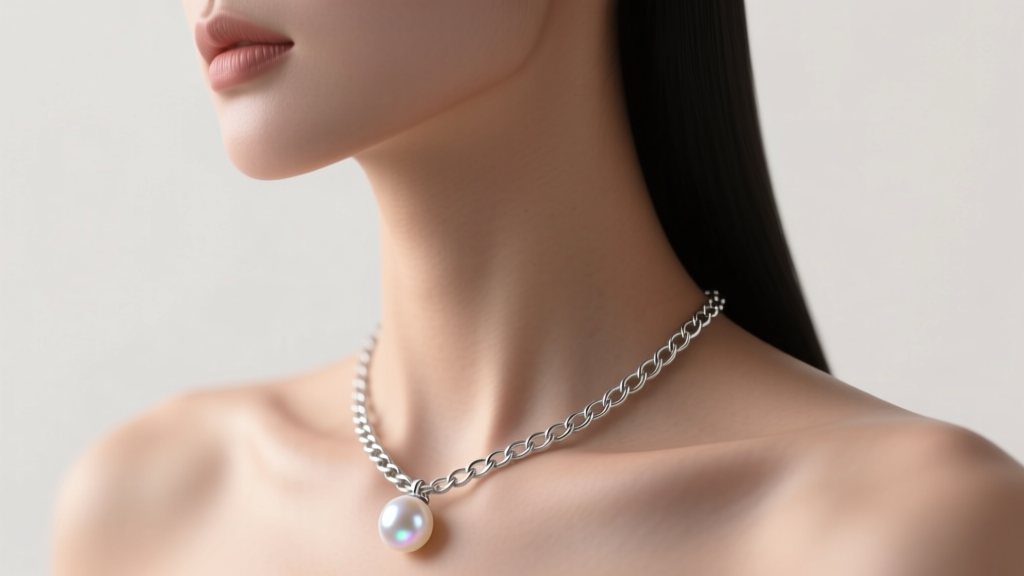
- Petite Frames (Neck circumference 11-12 inches): On a petite frame, a 16-inch chain will sit slightly lower, resting comfortably across the center of the collarbone. It will behave more like a standard 'princess' length (18 inches) on a taller individual.
- Average Frames (Neck circumference 13-14 inches): This is the target demographic for the 16-inch length. The chain will rest precisely at the base of the neck, highlighting the clavicle bones without touching the throat.
- Plus-Size or Athletic Frames (Neck circumference 15+ inches): On a larger or more muscular neck, a 16-inch chain will sit high, acting as a true choker. It may rest directly against the thyroid cartilage, which can cause discomfort. For these body types, an 18-inch or 20-inch chain is usually recommended unless a choker look is specifically desired.
Neckline Pairings: What to Wear with a 16-Inch Chain
The geometry of your clothing dictates how well a 16-inch necklace performs. Because it sits high on the chest, it can easily clash with complex collars or high necklines. Below is a structured compatibility chart to guide your styling decisions.
| Neckline Type | Compatibility | Styling Notes & Hardware Recommendations |
|---|---|---|
| V-Neck | Excellent | The 16-inch length perfectly bisects the V-shape. Use a chain with a 5mm-8mm bail pendant to elongate the torso. |
| Scoop Neck | Excellent | Sits neatly inside the scoop line. Opt for a delicate 0.9mm cable chain to avoid visual clutter. |
| Crew Neck | Poor | The chain will compete with the t-shirt collar, causing friction and tangling. Size up to 18 inches instead. |
| Button-Down | Good | Wear unbuttoned to the second or third button. A 16-inch chain adds a refined, layered look to professional attire. |
| Boatneck / Bateau | Fair | Can work if the chain features a bold, contrasting pendant, but bare chains may get lost against the wide horizontal line. |
Material & Hardware Considerations for Collarbone Chains
When buying a 16-inch necklace, the hardware and metal grade are just as critical as the length. The collarbone area is a high-friction, high-moisture zone. It is exposed to sweat, perfumes, and constant skin contact, which accelerates metal degradation.
Choosing the Right Metal Grade
According to the Gemological Institute of America (GIA), alloyed metals react differently to skin acids. For a 16-inch daily-wear chain, avoid standard gold-plated brass or copper. The plating will wear off within months due to collarbone friction. Instead, look for:
- Solid 14k or 18k Gold: The gold standard for 16-inch chains. It will not tarnish and withstands daily sweat and cosmetic exposure.
- Gold Vermeil (Minimum 2.5 microns): Acceptable for occasional wear, but ensure the base is sterling silver, not brass, to prevent green skin discoloration if the gold wears through.
- Platinum or Palladium: Ideal for heavy pendants on a 16-inch chain, as these metals possess higher tensile strength than gold and resist thinning over time.
Clasp Mechanics and Extenders
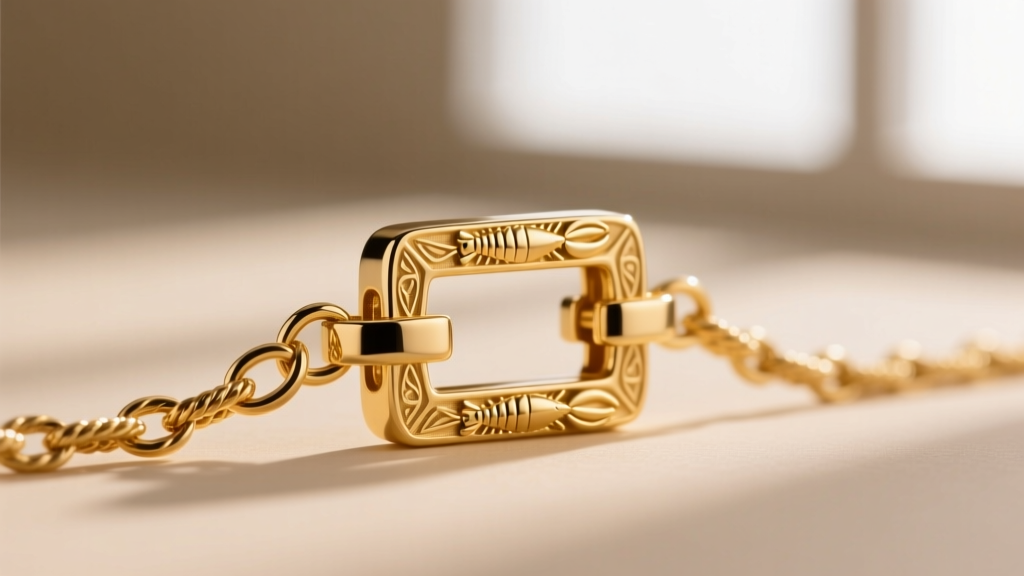
Never buy a strict 16-inch chain without a 2-inch extender. Human necks swell slightly in the heat or after consuming sodium. A 16-inch chain with a 2-inch extender gives you the flexibility to wear it at 16, 17, or 18 inches, effectively giving you three necklaces in one.
Furthermore, pay attention to the clasp size. A standard 4mm spring-ring clasp is notoriously difficult to fasten one-handed at the nape of the neck. Upgrade to a 5x9mm or 6x12mm lobster clasp. The larger lever provides better grip and a more secure lock, which is vital for shorter chains that experience more pulling tension when you turn your head.
Chain Styles: Tangling and Durability at 16 Inches
Shorter chains are more prone to tangling and kinking because they bend at a tighter radius around the neck. When evaluating how long a 16 inch necklace will last, you must consider the chain link style:
'At 16 inches, the chain is constantly negotiating the curve of the cervical spine. Snake chains and omega chains are beautiful, but their rigid, interlocking plates will permanently kink if slept in or bent sharply. For a 16-inch daily driver, flexible link chains are non-negotiable.' — Master Bench Jeweler
- Cable Chain (0.9mm - 1.2mm): The most durable and tangle-resistant option for 16-inch lengths. The simple oval links move fluidly and are easy for a jeweler to solder if a break occurs.
- Box Chain: Excellent for holding heavier pendants (up to 5 grams) at the collarbone. The square links lay flat and reflect light beautifully, though they can occasionally catch fine hair.
- Rope Chain: Highly reflective and incredibly strong due to its twisted link structure. However, at 16 inches, the tight twists can trap lotions and dead skin, requiring monthly ultrasonic cleaning.
Expert Buying Checklist: What to Look For
Before adding a 16-inch necklace to your cart, run it through this professional checklist to ensure you are getting a high-quality, anatomically sound piece of jewelry:
- Verify the Extender: Does the listing specify a 2-inch extender? If not, factor in the $25-$40 cost of having a jeweler add one post-purchase.
- Check the Gauge Thickness: For a 16-inch chain holding a pendant, the wire gauge should be between 0.9mm and 1.5mm. Anything under 0.8mm is too fragile for the tension of a short chain.
- Inspect the Solder Points: Look closely at the jump ring connecting the clasp. It should be fully soldered (closed with no visible slit) to prevent the chain from slipping off during wear.
- Confirm Pendant Weight Ratios: A 16-inch chain should not bear a pendant heavier than 30% of the chain's total weight, or the chain will pull forward and choke the wearer.
Troubleshooting Common 16-Inch Fit Issues
Even with precise measurements, you may encounter fit issues. If your 16-inch necklace feels like it is migrating to the front of your neck (a common issue known as 'pendant creep'), the chain is likely too lightweight for the pendant. The Jewelers of America notes that balance is key in jewelry design. To fix this, either upgrade to a thicker chain gauge (e.g., moving from 1.0mm to 1.5mm) or use a small silicone pendant guard to lock the bail in place at the center of the collarbone.
Ultimately, understanding exactly how long a 16 inch necklace is—and how it interacts with your unique anatomy, wardrobe, and lifestyle—empowers you to invest in fine jewelry that is both beautiful and mechanically sound. By prioritizing flexible chain styles, secure lobster clasps, and high-quality metals, your collarbone-length piece will remain a staple in your collection for decades.


