16 vs 18 in Necklace: A Step-by-Step Sizing & Layering Guide
Discover the ultimate step-by-step guide to choosing between a 16 vs 18 in necklace. Learn measuring hacks, layering rules, and pendant drops.
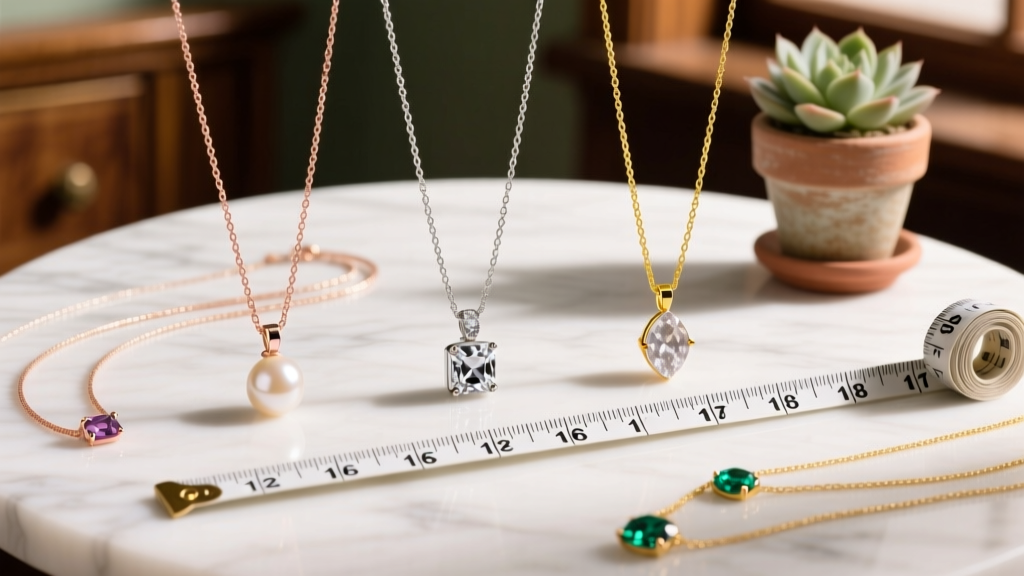
The debate between a 16-inch and an 18-inch chain is the most common sizing dilemma in fine jewelry. While a mere two inches might seem negligible on a ruler, on the human neck, it completely alters the drape, the neckline pairing, and the visual weight of the piece. In 2026, the trend has shifted away from chaotic, tangled stacking toward precision layering and intentional placement. Understanding the exact mechanics of a 16 vs 18 in necklace comparison is essential for building a versatile, tangle-free jewelry wardrobe.
This step-by-step guide will walk you through the exact measurements, anatomical considerations, and hardware selections required to master these two foundational lengths.
Step 1: Calculate Your True Neck Drop and Circumference
Before choosing between a 16-inch or 18-inch chain, you must establish your baseline neck anatomy. A 16-inch necklace is designed to sit snugly on the collarbone, often acting as a comfortable choker or collar depending on your neck width. An 18-inch necklace is the universal 'princess' length, resting just below the collarbone.
The Measurement Protocol
- Measure Circumference: Use a soft fabric measuring tape. Wrap it around the base of your neck where a standard collared shirt would sit. Record this number. If your neck circumference is 14 inches or larger, a 16-inch chain may feel restrictive and sit higher than intended, essentially becoming a choker.
- Measure the Drop: Hold the end of the tape measure at the base of your neck (the nape). Let the tape fall down the front of your chest. Note where the 16-inch mark hits relative to your collarbone, and then note the 18-inch mark.
- Account for the Clasp: Remember that the total length of a necklace includes the clasp and the jump rings. A 16-inch chain with a bulky 15mm lobster clasp and large soldered rings will actually wear closer to 15.25 inches.
According to Blue Nile's Necklace Length Guide, the 18-inch length is the most universally flattering for standard pendants because it clears the high neckline of most crew-neck t-shirts and blouses, whereas the 16-inch length is strictly reserved for open necklines.
Step 2: Match Chain Weave and Gauge to the Length
Not all chain weaves behave the same way at different lengths. The structural rigidity of the metal dictates how the chain will drape. When evaluating 16 vs 18 in necklace options, you must factor in the gauge (thickness) and the weave pattern.
- Cable and Rolo Chains (1.0mm - 2.5mm): Highly flexible. A 16-inch cable chain will perfectly hug the collarbone. An 18-inch cable chain will form a soft 'U' shape.
- Box Chains (1.5mm - 3.0mm): Semi-rigid. At 16 inches, a box chain may kink or stick out awkwardly at the sides of the neck. At 18 inches, the extra length allows gravity to pull the links into a smooth, flat drape.
- Wheat and Rope Chains (2.0mm - 4.0mm): Dense and heavy. These should almost never be worn at 16 inches unless specifically designed as a choker, as the stiffness will cause the chain to bridge across the hollow of the collarbone rather than resting in it.
Visual Drop Data Table
| Chain Type | Gauge | 16-Inch Behavior | 18-Inch Behavior |
|---|---|---|---|
| Cable | 1.2mm | Hugs collarbone tightly | Soft U-shape, clears crew necks |
| Box | 2.0mm | Prone to kinking at the sides | Lays flat, excellent for pendants |
| Wheat | 3.0mm | Stiff, bridges the collarbone | Heavy drape, requires V-necklines |
| Rope | 4.5mm | Too rigid, acts as a collar | Statement piece, sits on upper chest |
Step 3: Factor in Pendant Weight and Bail Size
A necklace's functional length changes the moment you add a pendant. The 'visual drop' is the distance from the base of the neck to the bottom of the pendant. If you are pairing a chain with a heavy gemstone or a large metal charm, you must calculate the bail (the loop that connects the pendant to the chain).
A standard bail adds about 0.25 to 0.5 inches to the drop. However, a heavy pendant (over 15 grams) will pull a delicate 18-inch chain downward, creating a sharp 'V' shape. If you want a pendant to sit gently on the collarbone, you must use a 16-inch chain with a thicker gauge (at least 2.0mm) to resist the downward pull of the pendant's weight. The Gemological Institute of America (GIA) frequently notes that improper chain-to-pendant weight ratios are the leading cause of premature chain stretching and link distortion in precious metals.
Step 4: Master the 16 and 18 Layering Protocol
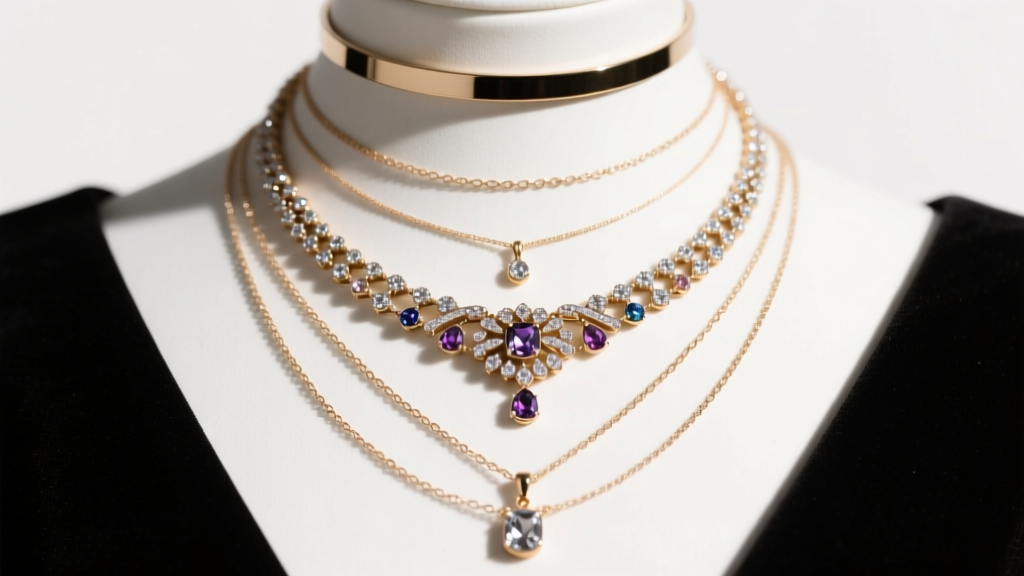
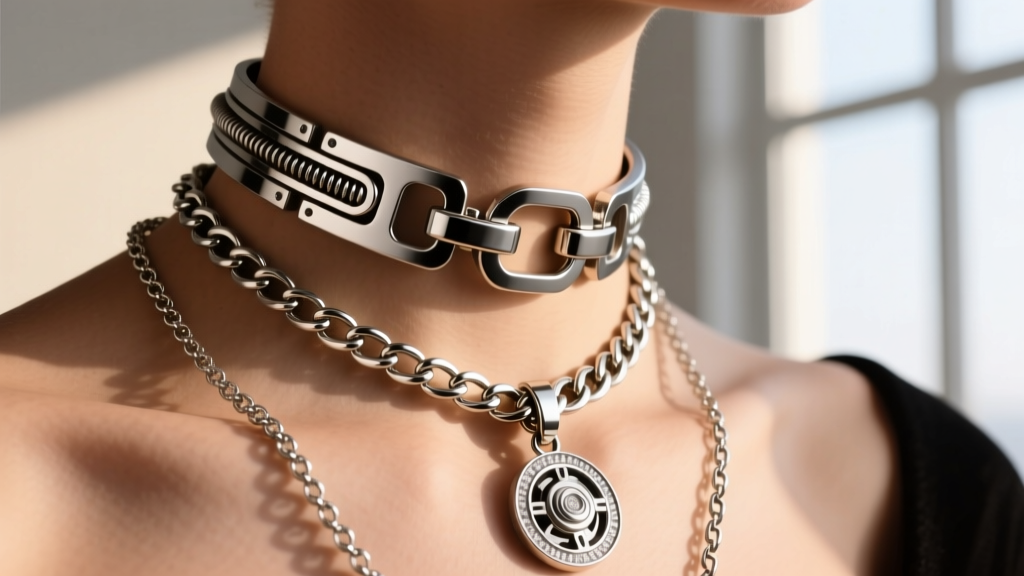
Layering a 16-inch and an 18-inch necklace is a cornerstone of modern styling, but the 2-inch gap is the absolute minimum safe distance to prevent friction and tangling. If both chains are the exact same weave and gauge, they will inevitably knot together due to static and movement.
The Anti-Tangle Framework
- Contrast the Textures: Pair a 16-inch smooth snake chain with an 18-inch textured rolo or cable chain. The differing surface frictions prevent the links from catching on one another.
- Vary the Gauges: The 18-inch chain should be at least 1.5mm thicker than the 16-inch chain. For example, a 16-inch 1.0mm cable chain layered with an 18-inch 3.0mm box chain creates a distinct visual hierarchy and physical separation.
- Use a Multi-Strand Clasp: For a foolproof 2026 styling hack, attach both chains to a single dual-loop lobster clasp at the nape of the neck. This anchors the starting point and guarantees the 2-inch drop remains perfectly parallel all day.
Step 5: Select the Right Clasp and Extender Hardware
Hardware dictates the longevity and versatility of your necklace. When buying a 16-inch or 18-inch chain, inspect the clasp and the presence of an extender chain.
- Spring Ring Clasps: Standard on chains under 2.5mm. They are lightweight but have a higher failure rate over time as the internal tension spring degrades. Best for 16-inch lightweight chains.
- Lobster Clasps: Essential for 18-inch chains holding pendants over 5 grams. The lever mechanism is more secure and easier to manipulate.
- The 2-Inch Extender Hack: If you are paralyzed by the 16 vs 18 in necklace decision, purchase an 18-inch chain with a 2-inch extender chain at the clasp. This allows you to wear it at 18 inches with a V-neck sweater, and hook the clasp at the 16-inch link when wearing a summer tank top. This modular approach is highly recommended for maximizing the utility of fine jewelry investments.
Final Sizing Checklist
Choosing between these two lengths ultimately comes down to your daily wardrobe and anatomy. Opt for the 16-inch length if you have a slender neck (under 13.5 inches), prefer choker-adjacent styling, and primarily wear scoop or off-the-shoulder necklines. Choose the 18-inch length if you want a universal, everyday chain that accommodates pendants, clears standard t-shirt collars, and provides a relaxed drape. By following these precise measuring and layering steps, you can curate a necklace collection that fits flawlessly and functions perfectly.